

Exploring Puranic perspectives isn’t just about understanding mythology; it’s about uncovering timeless truths that resonate even today. The tales of gods, demons, and heroes aren’t mere fables—they’re profound reflections on human nature, ethics, and the cosmos. By immersing ourselves in these stories, we can gain a deeper appreciation of the values and beliefs that have shaped civilizations for millennia.
Understanding The Puranas
Origin and Structure
The Puranas, ancient Hindu texts, delve into mythology, history, and traditions. Composed in Sanskrit, they number 18 major texts. These texts often follow a tripartite structure:
- Sarga – Creation of the universe.
- Pratisarga – Secondary creations or re-creations post-destruction.
- Vamsa and Manvantara – Genealogies of gods and sages, different eras of Manu.
Themes and Content
The themes of the Puranas span across diverse domains. They cover cosmology, kingship, and religious rites. Stories of gods, heroes, and demons illustrate moral and ethical lessons. Here’s a quick overview:
| Theme | Description |
|---|---|
| Cosmology | Details the creation, maintenance, and destruction of the universe. |
| Kingship | Chronicles the lives and deeds of ancient rulers and their legacies. |
| Genealogies | Lists the lineages of deities and legendary figures. |
| Rites | Explains rituals, festivals, and religious duties. |
Philosophical Insights
The Puranas also embed rich philosophical insights. They explore karma, dharma, and moksha. By examining these concepts, they provide guidance for ethical living and spiritual growth. The Bhagavata Purana, for instance, vividly discusses devotion (bhakti) to Krishna. Others, like the Vishnu Purana, emphasize Vishnu’s role in the universe.
Cultural Significance
These texts have deeply influenced cultural practices. From temple rituals to daily prayers, Puranic references are omnipresent in Hindu culture. Festivities like Diwali and Holi find roots in these ancient writings. As cultural bearers, the Puranas preserve traditions, ensuring continuity and reverence through generations.
Example Narratives
The Puranas contain numerous tales that teach moral lessons. Some noteworthy ones include:
- Samudra Manthan – The churning of the ocean for the nectar of immortality.
- Prahlada – A devotee’s unwavering faith in Lord Vishnu, even against his father Hiranyakashipu.
- Kurma Avatar – The tortoise incarnation of Vishnu that supports the churning process.
Understanding these narratives provides deeper insights into the values and ethics upheld by Puranic literature.
Historical Context Of The Puranas
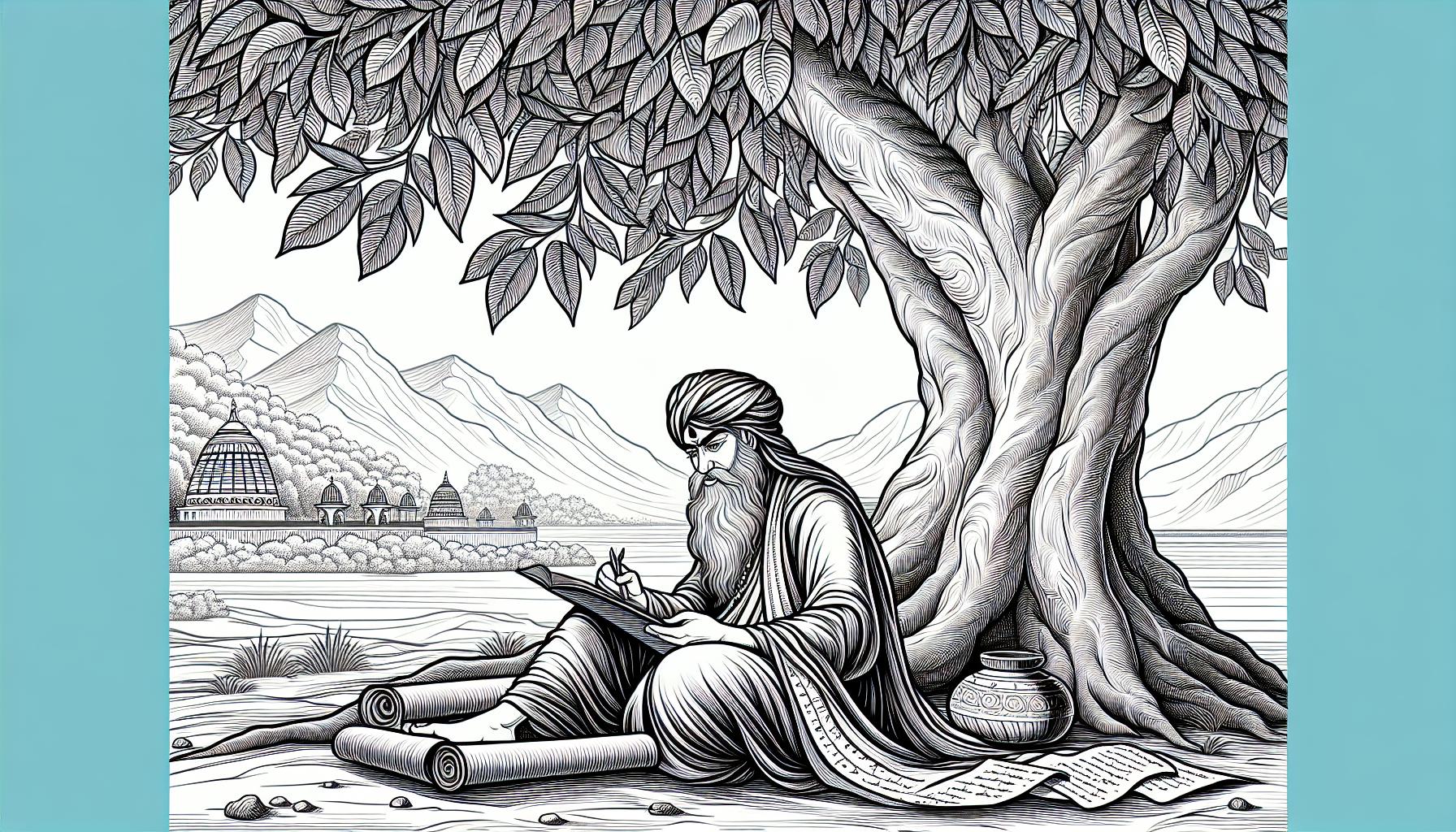
The Puranas, ancient Hindu texts, offer a deep, nuanced view of Indian history, culture, and spirituality. They span millennia, providing insights into various epochs and their societal norms.
Time Period And Origin
The origins of the Puranas trace back to oral traditions, evolving over a period estimated to range from 300 BCE to 1500 CE. During this extensive timeframe, several Puranas were composed with the Vedic period marking their initial foundation. Ancient sages adapted and expanded these texts across different eras, incorporating local traditions and socio-political changes. The Gupta period (circa 4th to 6th centuries CE) is particularly significant, given the flourishing of arts and literature, which greatly influenced the content and dissemination of the Puranas.
Key Authors And Sages
Several venerable sages are attributed with the composition and compilation of the Puranas. The most notable among them include Vyasa, a revered figure who is traditionally credited with compiling the Mahabharata – The Great Epic and various Puranas. Other important sages such as Lomaharshana and his son Ugrashrava played significant roles in the preservation and transmission of these texts. Over centuries, numerous scholars and regional authors contributed to the evolving narratives, ensuring their relevance and integration into local contexts.
Major Themes In Puranic Literature
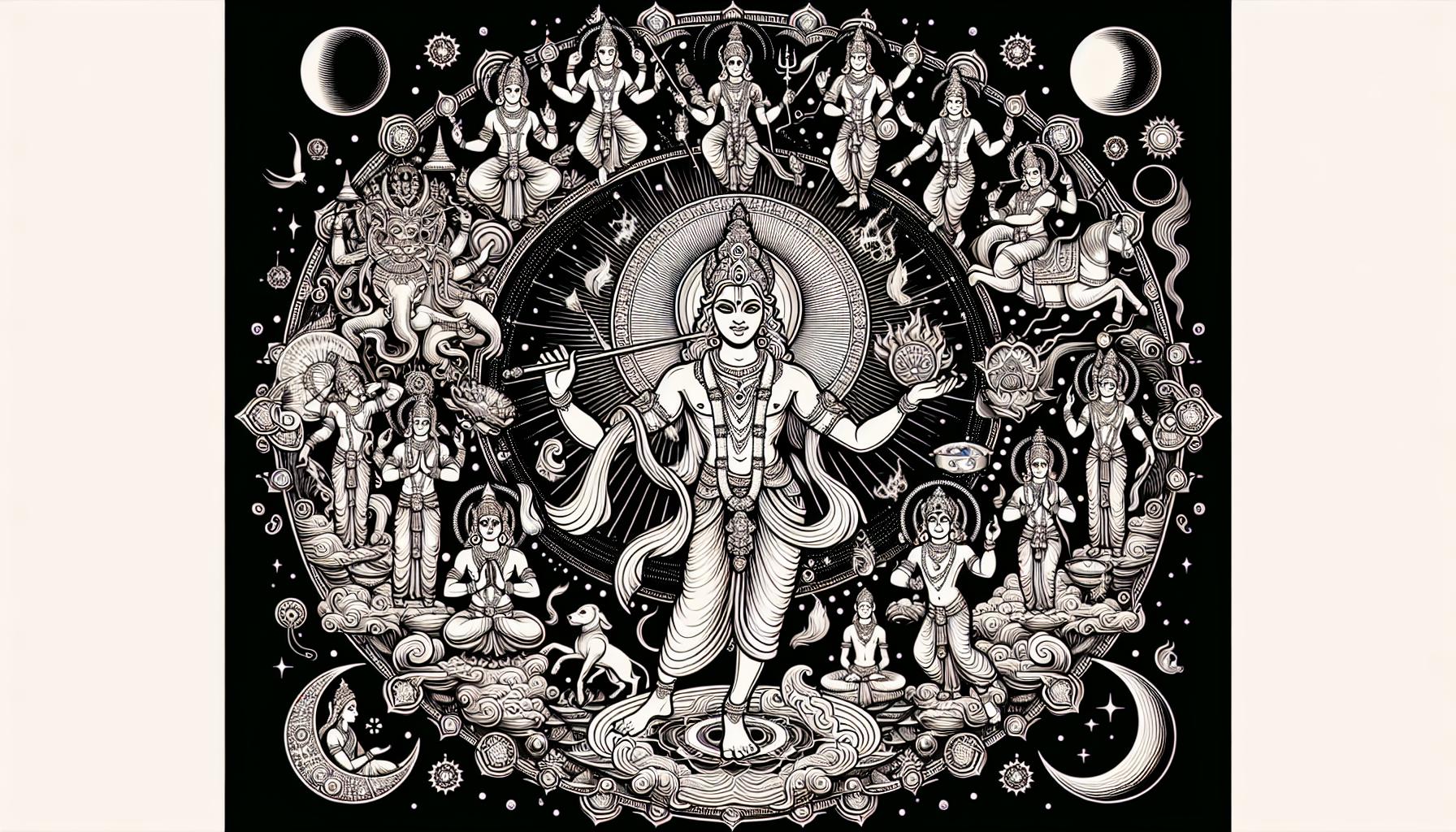
Puranic literature encapsulates timeless themes that explore the mysteries of existence, the exploits of divine beings, and the principles guiding moral conduct. The richness of Puranic themes offers comprehensive insights into Hindu cosmology, mythology, and ethics.
Cosmology And Creation Myths
The Puranas delve into intricate cosmological concepts and creation myths. These texts explain the origins of the universe, often detailing cycles of creation and destruction. This continuous cycle, known as Kalpa, underscores the Hindu perspective of an infinite universe undergoing perpetual rejuvenation. For example, the Bhagavata Purana describes Vishnu’s role in creation, emphasizing his avatars’ efforts in maintaining cosmic order.
Heroes And Divine Beings
Stories of heroes, gods, and demons are central to Puranic narratives. These characters embody virtues and vices, influencing cultural and religious traditions. Figures like Krishna in the Bhagavata Purana illustrate heroism and divine intervention through his actions and teachings. Moreover, the Devi Bhagavata Purana highlights the power and grace of goddesses like Durga, encapsulating themes of empowerment and protection.
Moral And Ethical Teachings
Puranic texts also emphasize moral and ethical teachings. They offer guidance on living virtuously and pursuing spiritual growth. Concepts like karma (action and consequence), dharma (duty), and moksha (liberation) are recurrent themes. The Vishnu Purana, for instance, outlines duties across different stages of life, promoting righteousness and balance in personal conduct.
Comparative Analysis Of Puranic Perspectives
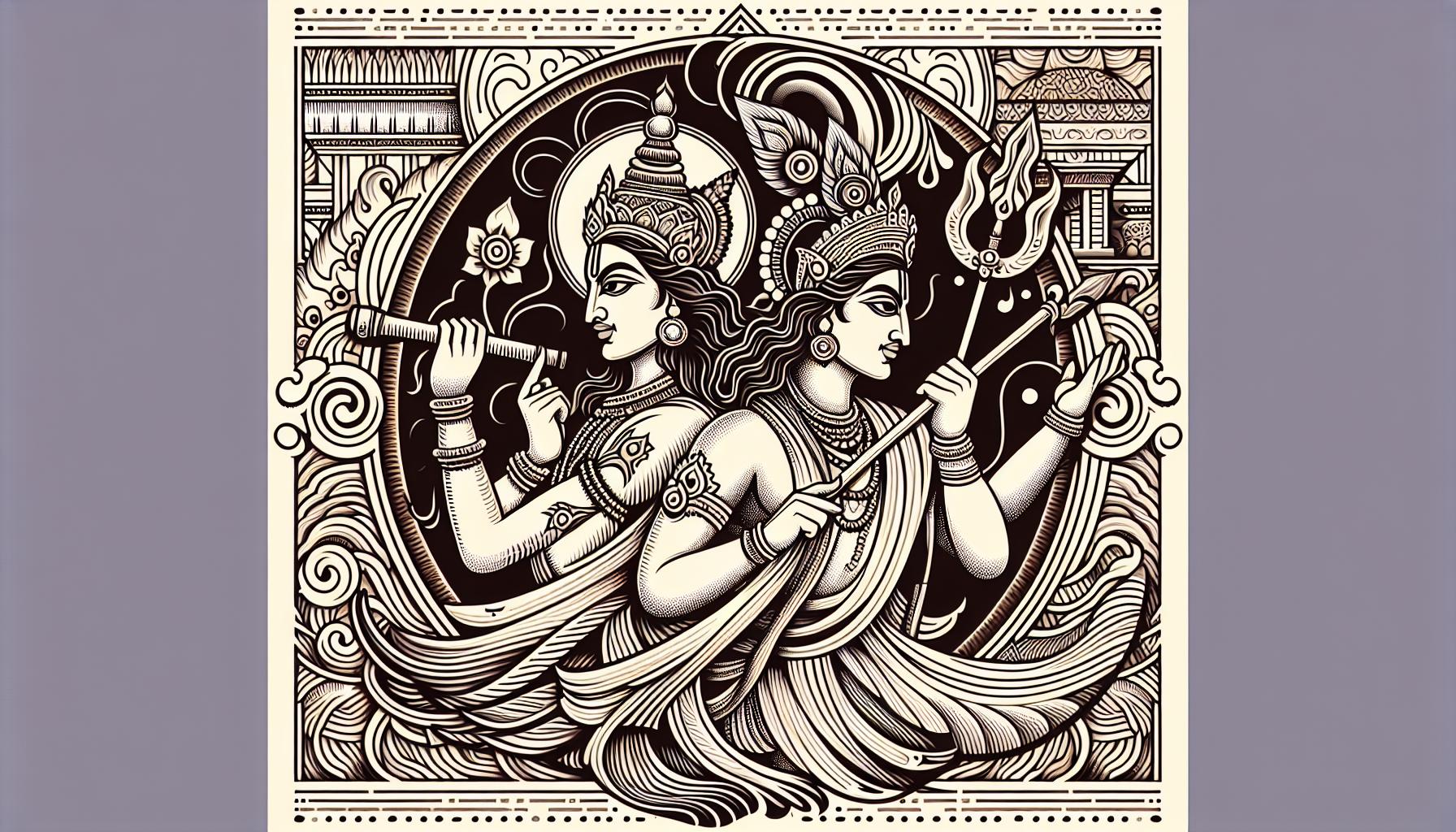
Puranic literature showcases varied perspectives that evolve across different narratives. These variations offer unique insights into Hindu traditions and practices.
Differences In Regional Variations
Regional variations of Puranic texts stem from localized cultural influences. For instance, the Vishnu Purana popular in North India emphasizes stories of Vishnu’s incarnations like Krishna, highlighting his role in maintaining cosmic order. On the other hand, the Skanda Purana, prevalent in South India, focuses more on the exploits of Kartikeya (Skanda), a major deity in the region. Each regional variation adapts the narratives to align with local traditions and beliefs, creating diverse interpretations of the same fundamental themes.
Influence On Modern Hindu Practices
Puranic perspectives have significantly shaped modern Hindu practices. Rituals and festivals such as Diwali trace their origins to stories in texts like the Padma Purana, which narrates the return of Lord Rama to Ayodhya. The detailed descriptions of these events guide the ceremonial aspects observed today, ensuring the continuity of ancient traditions. Moreover, ethical teachings in the Puranas, such as those found in the Bhagavata Purana, emphasize principles like karma and dharma, guiding everyday conduct and spiritual practices for millions of Hindus.
Critical Viewpoints
Puranic literature has been subjected to various critical viewpoints, ranging from scholarly interpretations to challenges in translation and interpretation.
Scholarly Interpretations
Scholars provide diverse analyses of Puranic texts, investigating their historical, cultural, and philosophical contexts. Wendy Doniger, an esteemed Indologist, argues that Puranas offer a blend of mythology and reality that reflects the socio-political dynamics of ancient India. Other scholars like Cornelia Dimmitt focus on thematic elements, emphasizing how different Puranas address universal questions of existence. Many researchers explore the textual layers within Puranas, identifying shifts and interpolations that occurred over centuries. These critical examinations reveal the complexities and evolving nature of Puranic content.
Challenges In Translation And Interpretation
Translating Puranic texts presents significant challenges, primarily due to their intricate language and cultural nuances. Sanskrit, the original language of the Puranas, contains layers of meaning that don’t always have direct equivalents in English. Translators often grapple with interpreting symbolic and allegorical content, which varies widely based on regional and temporal contexts. This complexity sometimes leads to differing translations, impacting the consistency and reliability of Puranic literature. Additionally, modern interpretations might miss the multi-dimensional aspects understood in ancient times, altering the original intent and essence of the texts.
Conclusion
Exploring Puranic perspectives reveals a rich tapestry of cosmology, mythology, and ethics that continue to influence Hindu culture and traditions. The profound themes and revered figures like Krishna and Durga offer timeless wisdom. The Gupta period’s role in preserving these texts highlights their enduring significance. Scholars’ diverse interpretations and the challenges of translation underscore the complexity and depth of Puranic literature. Embracing these ancient narratives allows us to connect with a vast cultural heritage and gain insights into the spiritual practices that have shaped countless generations.
Sources & further reading
These themes are explored in greater depth across the following authoritative resources:
- Internet Sacred Text Archive, Mahabharata (Ganguli translation)
- Internet Sacred Text Archive, Ramayana of Valmiki
- Britannica, Mahabharata
- Britannica, Ramayana
- Bibek Debroy, The Mahabharata (10 vols., Penguin, 2010 to 2014)
External resources for further reading. Apam Napat is not affiliated with these publishers; citation does not imply endorsement.
Frequently asked questions
What are Puranic perspectives in Hindu thought?
What do the Puranas contain?
Why are Puranic perspectives diverse?
What value do Puranic perspectives offer today?
Based on the classical texts of Hindu mythology, see our sources.