
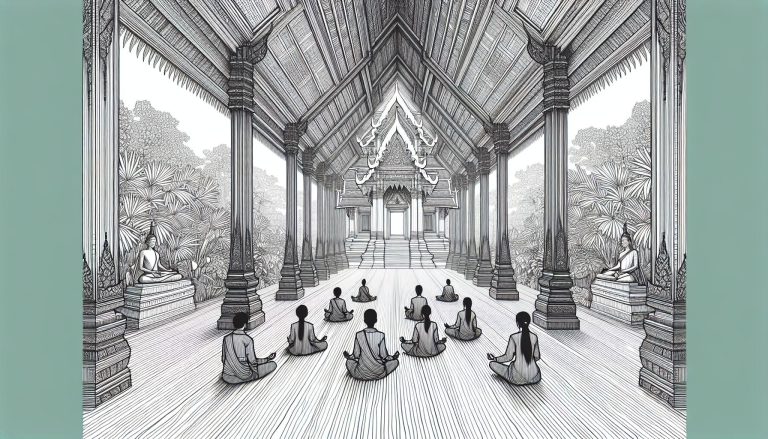
This palpable energy isn’t just a figment of imagination; many believe it’s the result of centuries of devotion, rituals, and the collective aspirations of countless worshippers. Exploring the spiritual energy of temple spaces offers a fascinating glimpse into how these sacred environments can profoundly affect our well-being and spiritual growth.
Historical Significance of Temples
Temples, across different cultures, serve as central points for spiritual gatherings and rituals. These structures often date back hundreds, even thousands, of years. Each temple’s design and layout offer glimpses into the architectural prowess and spiritual beliefs of ancient civilizations. For example, the Parthenon in Greece embodies the religious devotion to Athena, showcasing incredible Doric architecture.
Religious significance anchors temples within their communities. Many temples, like those in Varanasi, India, are tied to important mythological events and deities. Over time, these sites accumulate layers of historical and spiritual meaning, becoming repositories of cultural heritage and devotion.
Architecturally, temples reflect societal advancements. The intricate carvings and statues in Angkor Wat, Cambodia, illustrate both religious narratives and significant historical periods. These artistic elements not only decorate but also educate, preserving stories and traditions for future generations.
Temples also act as centers for social activities. In ancient Greece, temples often hosted civic meetings and ceremonies, while in medieval Europe, cathedrals served as places of worship and hubs for community gatherings. This dual role underscores the intertwined nature of religion and daily life across various cultures.
In essence, temples are more than religious edifices; they’re vital links to our past, embodying the spiritual and cultural essence of the societies that built them. This historical significance enhances the spiritual energy felt within these sacred spaces.
Architectural Design and Its Impact
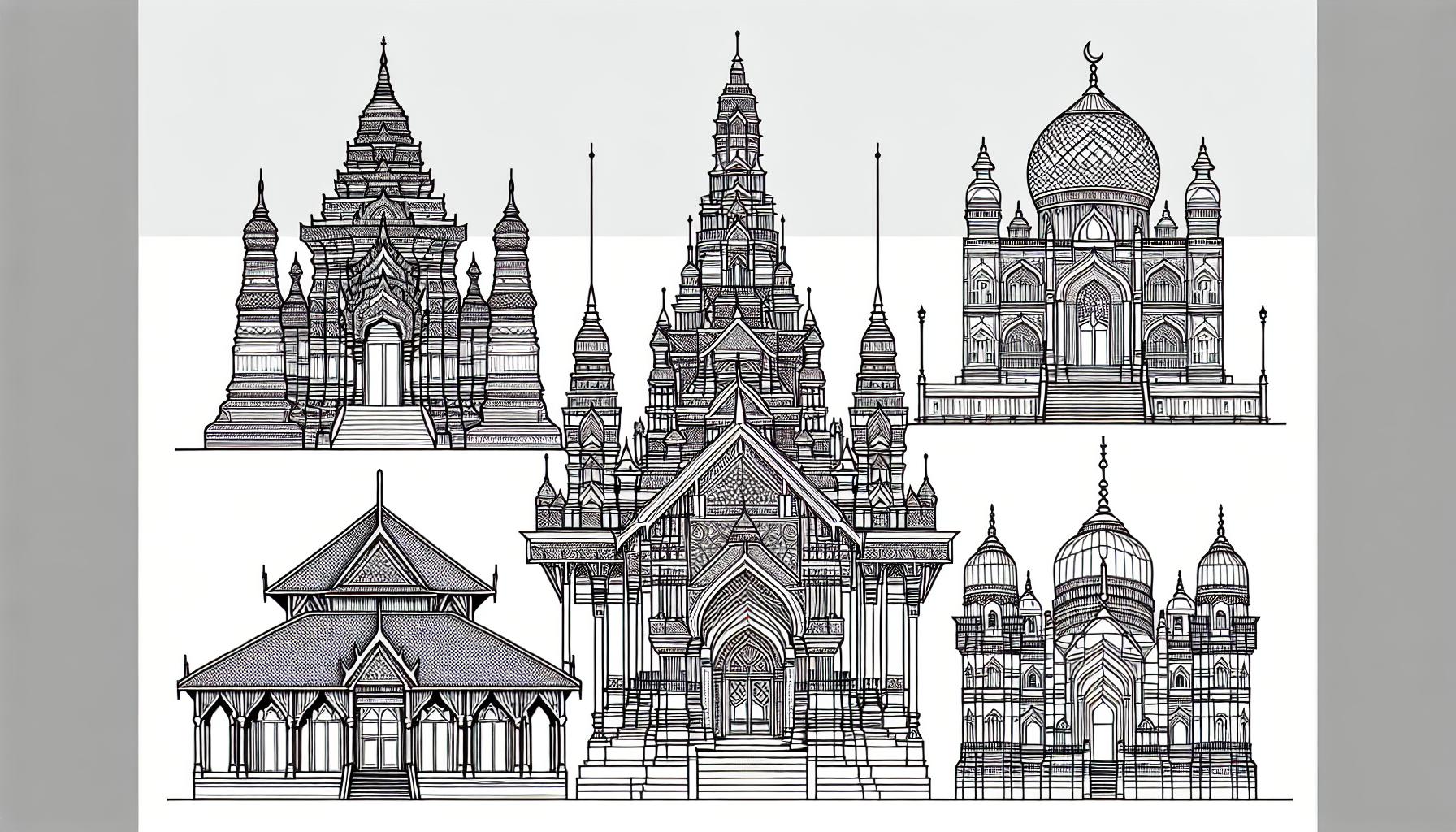
Architectural design significantly influences the spiritual energy in temple spaces. The ingenious use of space and symbolic elements reflects deep spiritual and philosophical traditions.
Structural Layout
Temple layouts often follow precise geometric patterns. For instance, many Hindu temples use a grid called the Vastu Purusha – The Primordial Man Mandala, a cosmic diagram. This layout aligns the structure with cardinal directions, promoting harmony between the temple and the universe. The sanctum sanctorum, or the innermost chamber, frequently occupies the center, symbolizing the heart of spiritual energy.
Buddhist stupas, another example, typically feature a circular base representing the earth, a dome symbolizing water, a square structure for fire, and a spire denoting air and space. These elements collectively create a sacred environment conducive to meditation and enlightenment.
Symbolic Elements
Symbolism pervades temple architecture, with each element holding spiritual significance. In Hindu temples, the towering spires or ‘shikharas’ represent Mount Meru, the mythical axis of the world. These spires draw the spiritual energy upwards, connecting the earthly realm with the divine.
In Christian cathedrals, stained glass windows depict biblical scenes, transforming sunlight into a spectrum of colors, symbolizing divine light and inspiration. Islamic mosques feature calligraphy and intricate tilework, emphasizing the transcendence of God through artistic and geometric beauty.
Types of Spiritual Energy in Temples
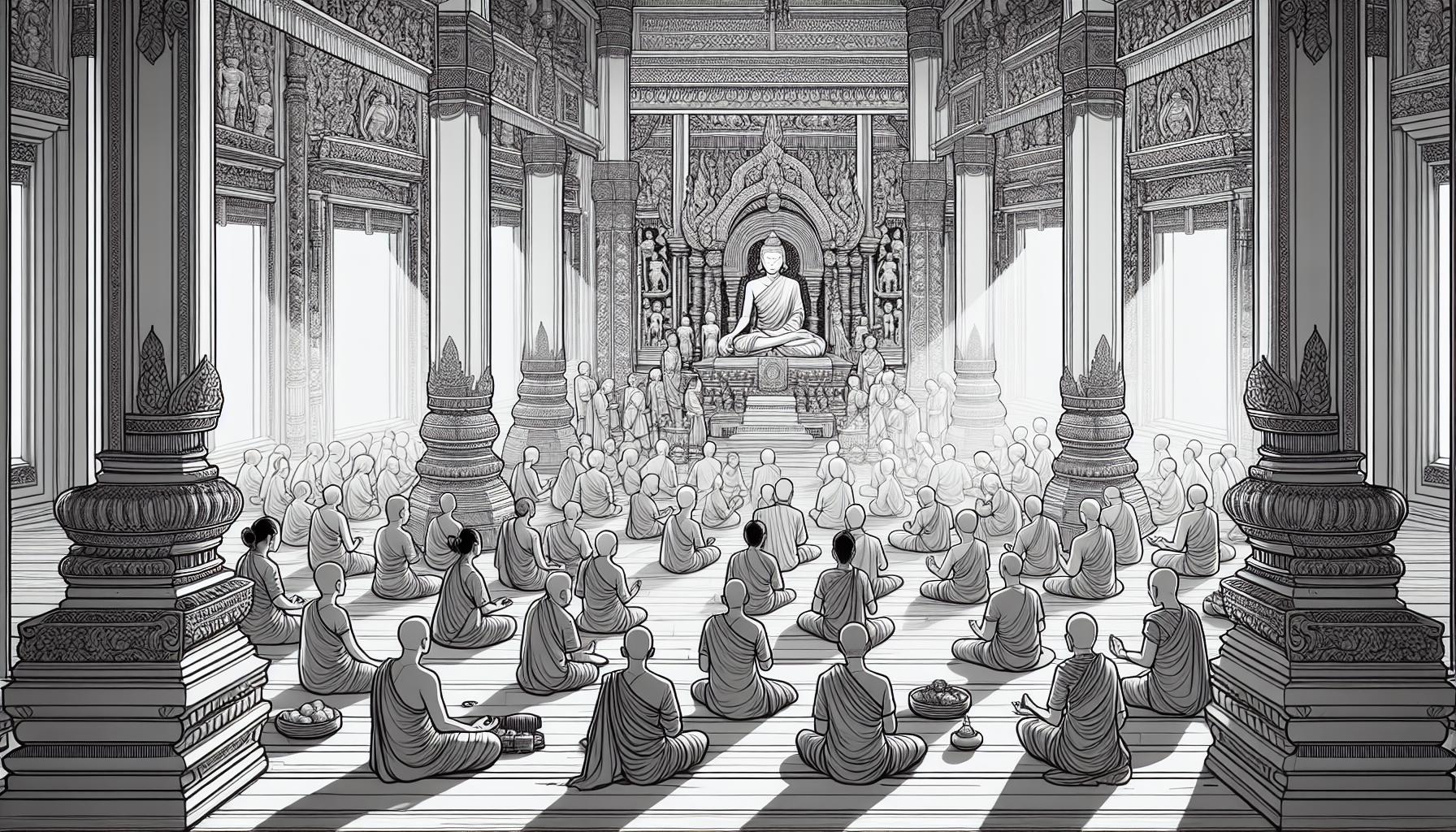
Temples emanate various forms of spiritual energy, profoundly impacting those who enter. This energy manifests in distinct ways.
Positive Vibrations
Positive vibrations in temples arise from centuries of chants, prayers, and rituals. These consistent spiritual activities enhance the temple’s energy field, creating an environment that promotes inner peace and spiritual awakening. For example, in Hindu temples, the repetitive chanting of mantras imbues the atmosphere with positive frequencies, making the space conducive for meditation and reflection. Similarly, Buddhist temples, with their rhythmic chants and serene statues, offer visitors a sense of calm and tranquility.
Healing Energy
Healing energy within temple spaces aids physical and emotional well-being. Sacred rituals, prayers, and the presence of holy relics often generate this energy. In many cultures, temples serve as sanctuaries where individuals seek healing from ailments and mental distress. For instance, Japanese Shinto shrines are known for purification rituals that help cleanse negativity, while Christian pilgrimage sites like Lourdes are reputed for miraculous healings, attracting countless believers seeking relief.
Practices to Enhance Spiritual Energy
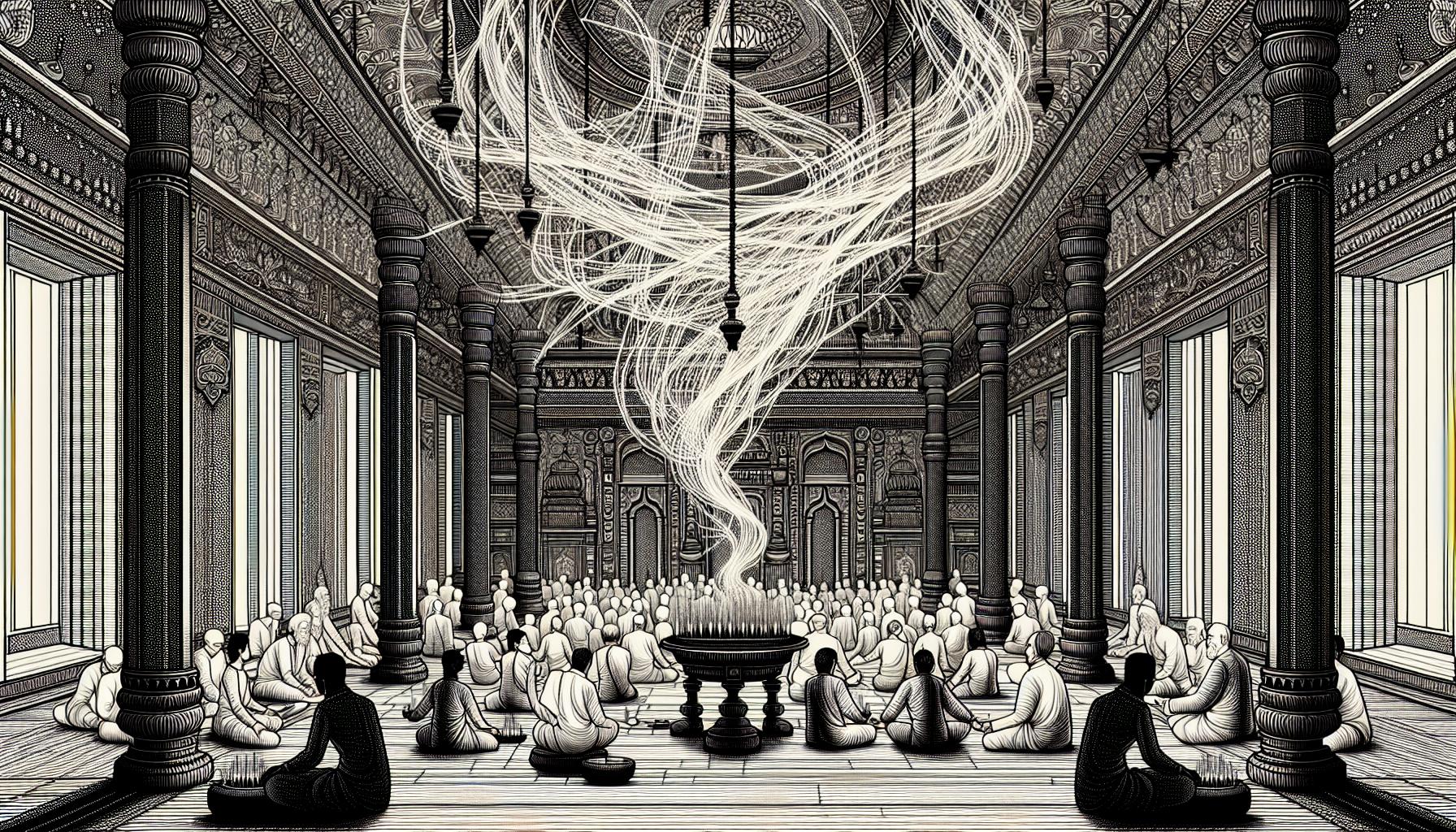
Temple spaces offer unique environments where individuals can deepen their spiritual experience through specific practices that enhance spiritual energy.
Rituals and Ceremonies
Rituals and ceremonies form the backbone of spiritual practices in temples. They include activities like daily prayers, sacred rites, and festive celebrations. For instance, Hindu temples conduct Aarti, a ritual involving lighted lamps, which is seen as a form of devotion. Buddhist temples host morning and evening chanting sessions, creating a rhythmic, meditative environment. In Christian cathedrals, mass and sacraments like the Eucharist are fundamental ceremonies that elevate the spiritual energy. Each ritual and ceremony invokes a powerful sense of communal worship and individual reflection, contributing significantly to the temple’s spiritual ambiance.
Meditation and Contemplation
Meditation and contemplation are core practices for enhancing spiritual energy in temple spaces. Temples often provide serene environments ideal for inward focus. In Hindu temples, devotees practice Dhyana, a form of meditation that fosters a deep connection with the divine. Buddhist stupas offer spaces for mindful meditation, promoting tranquility and inner peace. Many Christian churches have designated areas for silent prayer and contemplation, inviting worshippers to reflect and find solace. Islamic mosques also encourage periods of silent prayer and reflection, contributing to the serene atmosphere. These practices help individuals tap into the temple’s spiritual energy, promoting personal growth and enlightenment.
Modern Research and Findings
Recent studies provide a fresh lens to understand the spiritual energy in temple spaces. These investigations blend age-old beliefs with contemporary science to explore the mysteries of temples.
Scientific Perspective
Modern science utilizes various methods to investigate the impact of temple spaces on human well-being. Instruments like EEGs measure brainwave patterns, revealing reduced stress and heightened focus among temple visitors. Research shows consistent exposure to sacred environments promotes mental health, highlighting the physiological benefits of spiritual practices.
Specific studies examine the unique energy fields in temples. Scientists employ detection tools to measure geomagnetic and electromagnetic fields, noting anomalies that align with spiritual experiences. For example, certain temples exhibit higher geomagnetic activity, possibly enhancing meditative states.
Case Studies
Numerous case studies underscore the transformative power of temple environments. At the ancient Golden Temple in Amritsar, researchers documented increased serotonin levels among visitors, correlating with enhanced feelings of peace and happiness. This study underscores the beneficial biological responses triggered by temple visits.
At Kyoto’s Ryoan-ji Temple, a team observed that visitors’ heart rates decreased significantly during contemplation in the Zen garden. These findings suggest that the temple’s carefully curated spaces foster relaxation and mindfulness. Another study at the Shwedagon Pagoda in Myanmar recorded elevated endorphin levels among participants attending prayer rituals, further illustrating the positive impact of temple activities on psychological well-being.
Such modern research and case studies illuminate the intricate connection between temple spaces and spiritual energy, bridging ancient wisdom with contemporary scientific understanding.
Personal Experiences and Testimonials
Many individuals have shared transformative experiences in temple spaces. For instance, one visitor at the Golden Temple recounted a profound sense of peace upon entering the sanctum. The serene environment, combined with rhythmic chants, seemed to wash away stress immediately.
At Ryoan-ji Temple, another individual experienced a deep meditative state while gazing at the iconic rock garden. They described feeling an unexplainable connection to the space, which provided clarity and focus.
A frequent visitor to Shwedagon Pagoda highlighted the energy felt during the full moon. They mentioned the collective spiritual practices, such as praying and chanting, creating a palpable atmosphere of unity and tranquility.
In a different setting, a pilgrim at the Kashi Vishwanath Temple emphasized the temple’s powerful vibrations. They noted that regular visits led to a noticeable improvement in their mental and emotional well-being.
These personal stories complement modern scientific findings, offering an intimate glimpse into how temple spaces impact individuals’ spiritual energy and overall health.
Conclusion
Exploring the spiritual energy of temple spaces has been a fascinating journey. From historical significance to modern scientific research, the impact of these sacred spaces on our well-being is undeniable. Personal experiences and testimonials only deepen our understanding of how these environments foster spiritual growth and emotional balance.
Visiting a temple isn’t just about tradition or architecture; it’s about the profound connection we feel within these walls. Whether you’re seeking peace, clarity, or a sense of belonging, temple spaces offer a unique sanctuary for the soul.
Sources & further reading
These themes are explored in greater depth across the following authoritative resources:
- Britannica, Hindu Temple Architecture
- Met Museum, Hinduism in the Arts
- Britannica, Iconography
- Stella Kramrisch, The Hindu Temple (Motilal Banarsidass, 1946)
- Heinrich Zimmer, Myths and Symbols in Indian Art and Civilization (Princeton University Press, 1946)
External resources for further reading. Apam Napat is not affiliated with these publishers; citation does not imply endorsement.
Based on the classical texts of Hindu mythology, see our sources.