
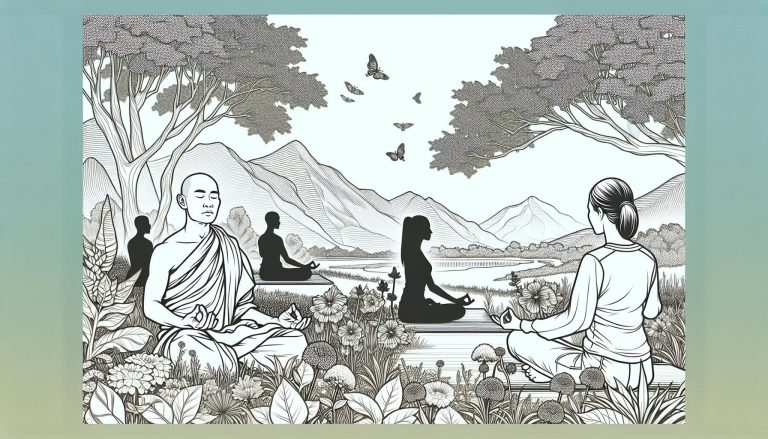
By embracing ahimsa, we cultivate compassion and kindness not only towards others but also towards ourselves. This practice can lead to a more balanced and harmonious life, where our actions and thoughts align with our deepest values. Let’s explore how integrating ahimsa into our daily lives can enhance our overall well-being and create a ripple effect of positivity.
Understanding Ahimsa
Ahimsa translates to “non-violence” or “non-harming.” It goes beyond avoiding physical harm to include thoughts and speech. The term comes from the Sanskrit language, meaning “to not be lion-like” or “not to kill,” and urges people to restrain violent or negative impulses.
Definition of Ahimsa
Ahimsa underscores the importance of non-violence on all levels. It’s about stopping physical actions and managing internal thoughts and external speech that can harm oneself or others. Practicing ahimsa means consciously choosing compassion and kindness in daily interactions.
Origins of Ahimsa
The roots of ahimsa lie in ancient Indian texts, notably the Vedas, and it’s a principal tenet in the Yoga Sutras of Patanjali. These texts emphasize living a life of peace, compassion, and non-violence, creating harmony within oneself and the broader community.
Components of Ahimsa
In Mind: Practicing ahimsa in thought involves avoiding negative thoughts such as resentment, jealousy, and self-criticism. It encourages us to cultivate self-compassion and let go of harmful mental patterns, thereby promoting mental well-being.
In Speech: Speaking with kindness and compassion aligns with the principles of ahimsa. This means avoiding violent or hurtful words that can cause emotional harm to oneself or others. By being mindful of our speech, we foster a more supportive and positive environment.
By embedding ahimsa into daily practice, a person can substantially improve holistic well-being through compassionate actions, thoughts, and speech.
Historical Roots of Ahimsa

Ahimsa, a principle rooted in nonviolence, has profound historical and philosophical significance. Its origins trace back to ancient Indian texts and cultural practices.
Origin in Ancient Texts
Early references to ahimsa appear in the Rig Veda alongside truthfulness. The Yajur Veda (2500-1500 BCE) emphasizes this concept, stating, “may all beings look at me with a friendly eye, may I do likewise, and may we look at each other with the eyes of a friend.” Another reference in the Kapisthala Katha Samhita of the Yajurveda (1500-1200 BCE) mentions non-violence to animals (pashu-Ahimsa), highlighting its moral importance.
Influence on Various Cultures
The principle of ahimsa influenced various cultures and religions, including Buddhism and Jainism. Both traditions adopted ahimsa as a core tenet, promoting it in their teachings. For example, Buddha emphasized nonviolence in thoughts, words, and actions, while Mahavira, the 24th Tirthankara of Jainism, made ahimsa central to the religion’s ethical practice.
Principles of Holistic Well-being

Holistic well-being focuses on the integration of mind, body, and spirit. Following ahimsa cultivates a harmonious and balanced life, emphasizing nonviolence in all areas.
Mind-Body Connection
The mind-body connection highlights the impact mental health has on physical health. Practices like yoga and meditation reduce stress, improve mental clarity, and promote physical wellness. For instance, regular meditation lowers cortisol levels, leading to decreased stress and enhanced immune function. Besides, mindful eating benefits digestion and overall energy levels. Understanding this connection encourages making choices that benefit both mental and physical health.
Spiritual Practices
Spiritual practices enhance holistic well-being by fostering a deeper sense of purpose and connection. Activities like prayer, journaling, and chanting cultivate inner peace and alignment with ahimsa. For example, journaling daily helps clarify thoughts and emotions, while chanting energizes and centers individuals. Engaging in these practices fosters a nonviolent mindset, nurturing both spiritual growth and emotional resilience. Consistent spiritual practices support a life of harmony, reflecting the essence of ahimsa.
How Ahimsa Enhances Holistic Well-being
Ahimsa, grounded in non-violence, promotes the holistic well-being of individuals by fostering physical, mental, and emotional health. Let’s explore the specific benefits.
Physical Health Benefits
Practicing ahimsa significantly enhances physical health. Studies indicate that those who adopt ahimsa and prioritize their overall health achieve greater longevity. Regular exercise, a core aspect of ahimsa, boosts mental health by improving sleep, self-esteem, and overall physical well-being. For example, engaging in activities like yoga and walking can enhance cognitive function and contribute to a higher quality of life.
Mental Health Improvements
Ahimsa also supports mental health by reducing stress and anxiety levels. Techniques like controlled breathing (Pranayama) and meditation are effective in managing anxiety disorders. For instance, incorporating daily meditation practices helps to promote a relaxed state of mind, fostering a sense of inner peace and clarity. These methods have proven to lower cortisol levels, thereby reducing stress and enhancing emotional stability.
Emotional Balance
Embracing ahimsa nurtures emotional balance by cultivating compassion, empathy, and kindness towards oneself and others. Engaging in practices like daily affirmations and journaling can enhance emotional resilience. These practices help individuals develop a positive outlook, fostering an environment of self-love and acceptance. For example, maintaining a gratitude journal can improve overall happiness and emotional well-being, reinforcing the foundational principles of ahimsa.
Practical Applications of Ahimsa
Practicing ahimsa integrates seamlessly into daily life, fostering holistic well-being. Practical steps enable the embodiment of non-violence in various aspects of living.
Dietary Choices
Choosing a plant-based diet exemplifies ahimsa in everyday life. Plant-based diets reduce harm to animals and often have less environmental impact. Studies show that consuming more fruits, vegetables, legumes, and whole grains can improve physical health, reducing risks of chronic diseases like heart disease and diabetes. For example, replacing animal protein with plant protein can lower cholesterol levels.
Meditation and Mindfulness
Incorporating meditation and mindfulness enhances mental and emotional well-being. Meditation practices calm the mind, reduce stress, and increase self-awareness. Mindfulness helps in staying present, improving emotional regulation. Techniques like focusing on the breath, body scanning, or loving-kindness meditation cultivate inner peace and compassion. For instance, 20 minutes of daily meditation has been shown to decrease anxiety and improve overall mood.
Ethical Living
Living ethically by making mindful choices aligns actions with the principles of ahimsa. This includes fair-trade purchasing, reducing waste, and supporting sustainable practices. Ethical living extends to treating others with respect and fostering non-violent communication. Using conflict resolution strategies, like active listening and empathy, promotes harmonious relationships. For example, choosing cruelty-free products contributes to reducing the demand for goods produced through harmful practices.
Real-life Stories of Ahimsa and Holistic Well-being
Real-life stories of individuals embracing ahimsa provide tangible examples of how non-violence enhances holistic well-being. These stories illustrate the transformative power of compassionate living and ethical choices.
Case Study: John Robbins
John Robbins, author and activist, chose ahimsa as his guiding principle. He left his family’s ice cream business, adopting a plant-based lifestyle instead. By embracing a diet free from animal products, Robbins improved his physical health and reduced harm to animals. His work inspires thousands to consider compassionate dietary choices, aligning with the principles of ahimsa and enriching their overall well-being.
Case Study: Thich Nhat Hanh
Vietnamese monk Thich Nhat Hanh dedicated his life to promoting non-violence. He practiced mindfulness and meditation, advocating for peace during the Vietnam War. Hanh’s teachings on compassionate communication and mindful living have profoundly influenced global communities. People who follow his methods report significant reductions in stress and enhancements in mental clarity, demonstrating the mental and emotional benefits of ahimsa.
Case Study: Mahatma Gandhi
Mahatma Gandhi, a key figure in Indian history, based his actions on ahimsa. His commitment to non-violence and ethical living inspired millions. Gandhi’s practices of fasting and peaceful protests emphasized physical discipline and emotional restraint, directly improving his holistic well-being. Many who emulate his principles experience a greater sense of purpose and inner peace, showcasing the impact of ethical living on overall wellness.
Case Study: Jane Goodall
Primatologist Jane Goodall’s life embodies ahimsa through her dedication to animal welfare. Her holistic approach to well-being includes advocating for the respectful treatment of animals and the environment. Goodall’s story encourages others to adopt non-violent, compassionate behaviors, leading to improved emotional health and a deeper connection with nature.
Personal Testimony: My Journey
Embracing ahimsa transformed my well-being. Choosing a plant-based diet improved my health, while meditation reduced my stress levels. Prioritizing ethical living fostered deeper, more harmonious relationships. These changes illustrate how ahimsa’s principles directly enhance holistic well-being in everyday life.
Conclusion
Embracing ahimsa isn’t just a philosophical choice; it’s a practical path to holistic well-being. By integrating non-violence into our daily lives through mindful practices and ethical decisions, we can profoundly enhance our physical, mental, and emotional health. The inspiring stories of individuals who’ve adopted ahimsa serve as powerful reminders of its transformative power. As we strive for compassion and non-violence, we not only improve our own well-being but also contribute to a more peaceful and harmonious world.
Frequently asked questions
How does ahimsa contribute to holistic well-being?
What does ahimsa mean beyond physical non-violence?
What ancient texts discuss ahimsa?
What are practical ways to apply ahimsa in daily life?
Sources & further reading
These themes are explored in greater depth across the following authoritative resources:
- Stanford Encyclopedia of Philosophy, Hindu Philosophy
- Britannica, Dharma
- Britannica, Karma
- Internet Sacred Text Archive, Bhagavad Gita
- A. K. Ramanujan, Speaking of Siva (Penguin Classics, 1973)
External resources for further reading. Apam Napat is not affiliated with these publishers; citation does not imply endorsement.
Based on the classical texts of Hindu mythology, see our sources.