
I’ve always been intrigued by how karma shapes our experiences and teaches us invaluable life lessons. From personal growth to understanding the bigger picture, recognizing the role of karma can transform our perspective. Let’s investigate into how embracing this ancient wisdom can lead to a more fulfilling and balanced life.
Understanding Karma
Karma represents the principle of action and reaction in a spiritual and philosophical context. Originating from ancient Indian religions like Hinduism and Buddhism, karma conveys that actions directly influence one’s future. Good deeds bring positive outcomes; bad deeds lead to negative consequences. This cause-and-effect relationship underscores how behavior impacts personal experiences and growth.
In day-to-day life, karma manifests through interactions and events. Consider everyday scenarios: helping a neighbor might result in unexpected favors; conversely, deceitful behavior could lead to mistrust or betrayal. Each action sets the stage for future reactions, perpetuating a cycle of moral consequences.
Ethics play a crucial role in understanding karma. By fostering positive actions, individuals contribute to a wider good, aligning with universal moral laws. Ethical behavior in professional and personal spheres often attracts similar ethical responses, enhancing life quality and interpersonal relationships.
Karma encourages mindfulness and intentionality. By recognizing the potential outcomes of actions, individuals become more conscious of their decisions. This awareness fosters responsibility and proactive behavior, mitigating negative effects and promoting personal growth. It also helps in understanding others’ perspectives, leading to empathetic interactions.
By integrating karma into daily life, people can navigate experiences with wisdom and foresight. Whether through charitable acts, honesty, or simple kindness, the principles of karma guide individuals toward a more balanced and harmonious existence.
The Concept of Life Lessons

Life lessons are integral parts of personal growth, offering opportunities to gain wisdom and insight.
Defining Life Lessons
Life lessons are valuable teachings derived from personal experiences. These teachings help individuals navigate their personal and professional lives more effectively. Unlike theoretical knowledge, life lessons come from real-world encounters. They often involve overcoming challenges and learning from both successes and failures. Such lessons can shape one’s values, beliefs, and behaviors, guiding future decisions and actions.
Sources of Life Lessons
Life lessons come from various sources that influence our development:
- Personal Experiences: Daily interactions and significant events contribute valuable insights. For instance, overcoming a major setback can teach resilience and adaptability.
- Relationships: Interactions with others provide lessons in communication, empathy, and conflict resolution. For example, resolving a disagreement with a friend can enhance understanding and patience.
- Workplace Challenges: Professional environments offer lessons in leadership, teamwork, and problem-solving. Handling a difficult project can improve time management and strategic thinking.
- Educational Backgrounds: Formal education imparts knowledge, but it also teaches discipline, critical thinking, and perseverance.
- Cultural and Societal Norms: Cultural contexts shape behaviors and attitudes. Observing societal norms can provide lessons in social etiquette and ethical conduct.
These sources collectively contribute to personal development by offering diverse perspectives and experiences.
Interconnection Between Karma and Life Lessons
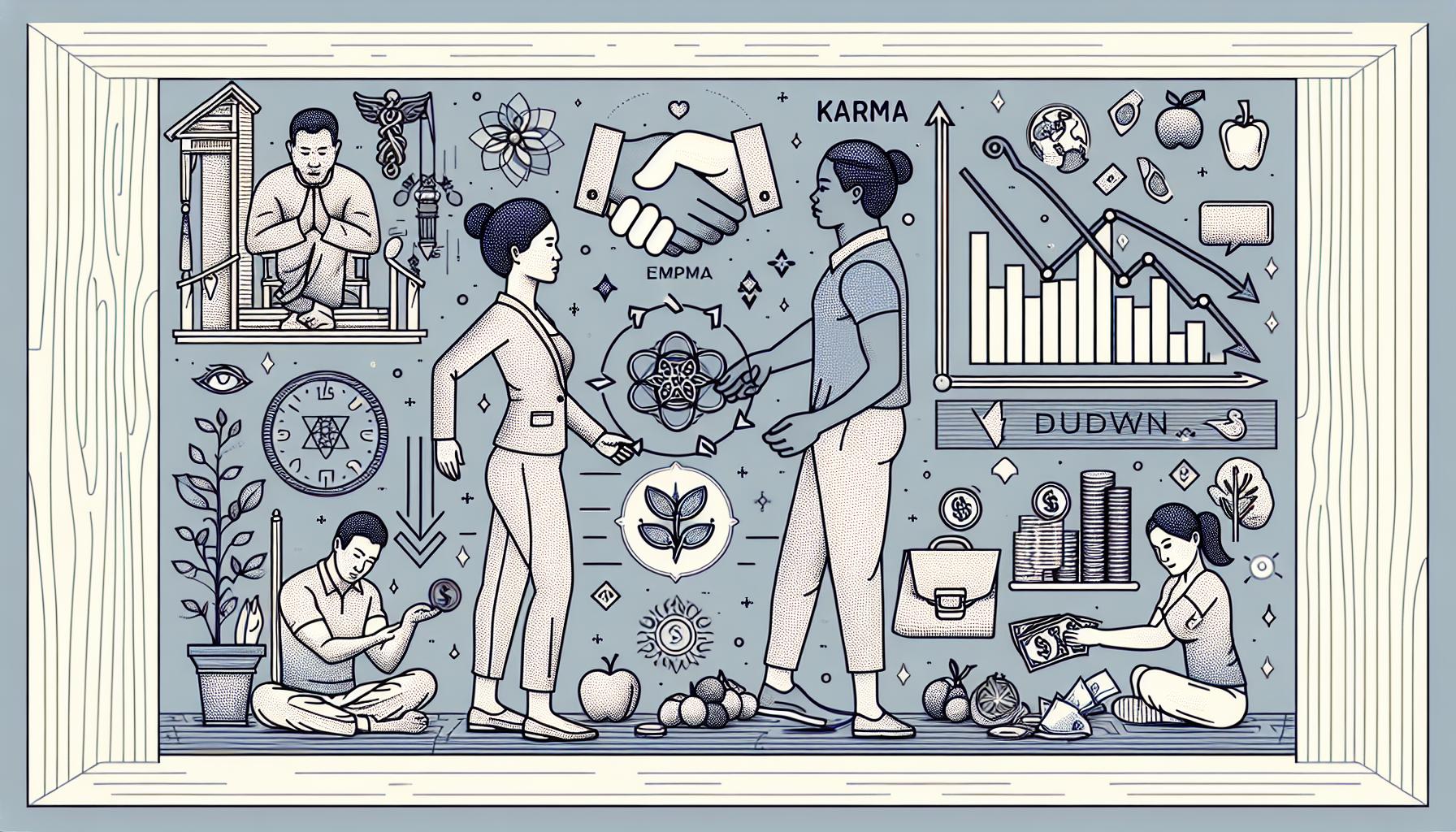
Karma intricately links to life lessons by guiding behavior through the principles of cause and effect. Each action, whether positive or negative, contributes to personal growth and wisdom.
How Karma Shapes Life Lessons
Karma molds life lessons by connecting actions to their consequences. Positive actions, like helping others, lead to uplifting experiences. Negative actions, such as dishonesty, result in unpleasant outcomes. This connection fosters personal development by highlighting the importance of ethical behavior. Each interaction and decision becomes a lesson, teaching values that shape an individual’s character and future behavior. By experiencing the results of their actions, individuals learn what aligns with their moral compass and what disrupts their harmony.
Real-Life Examples
Instances of karma shaping life lessons are abundant:
- Professional Integrity: An employee who cheats at work might face dismissal. This event teaches the value of honesty for career longevity.
- Kindness in Relationships: A person who shows consistent kindness often receives support during difficult times, reinforcing the benefit of empathy.
- Financial Responsibility: Someone who spends recklessly might struggle financially. Learning from this, they adopt better budgeting habits.
- Health Choices: Individuals neglecting their health may face illnesses, learning the importance of regular exercise and balanced nutrition.
These examples highlight how karma and life lessons are intertwined, providing practical teachings to guide future behavior.
Benefits of Embracing Karma and Life Lessons

Embracing karma and life lessons offers numerous benefits. It fosters personal growth and enhances relationships by promoting ethical behavior and mindfulness.
Personal Growth
By embracing karma, I’ve learned to reflect on my actions. Self-reflection helps me identify areas needing improvement, leading to a more balanced life. I become more accountable for my actions and their consequences. Karma teaches patience and resilience when tackling life’s challenges. When I understand that everything is interconnected, I gain a deeper sense of purpose and direction in life.
Improved Relationships
Karma’s principles encourage empathy and understanding, crucial for building strong relationships. In practice, I’ve noticed that mindful actions lead to more positive interactions with others. By treating people with respect and kindness, I inevitably foster trust and mutual respect. This approach reduces conflicts and enhances cooperation, creating a more harmonious social environment.
Practical Steps to Align with Positive Karma
Aligning with positive karma involves conscious actions and thoughtful intentions. These steps help foster a balanced and fulfilling life.
Mindfulness and Intention
Practicing mindfulness and setting clear intentions lay the groundwork for positive karma. Being present in the moment helps identify actions and attitudes that contribute positively to one’s life. Setting clear intentions ensures that actions are aligned with inner values. For example, when I approach daily tasks with a mindful attitude and a clear goal, I naturally enhance my positive karma.
Acts of Kindness
Engaging in acts of kindness generates positive karma and enriches the lives of others. Simple actions, like helping a neighbor with groceries or volunteering at a local shelter, create a ripple effect of positivity. These small gestures enhance one’s sense of empathy and community. Regularly practicing kindness fosters a supportive environment, leading to personal satisfaction and positive karmic returns.
Conclusion
Karma and life lessons are deeply intertwined in shaping our journey. By embracing ethical behavior and mindfulness, we can align ourselves with positive karmic outcomes. Setting clear intentions and engaging in acts of kindness not only foster personal growth but also enhance our connections with others. These practices lead to a more balanced and fulfilling life, where empathy and community thrive. As we navigate our paths, understanding and applying the principles of karma can guide us toward a more harmonious and satisfying existence.
Sources & further reading
These themes are explored in greater depth across the following authoritative resources:
- Britannica, Yoga in Hinduism
- Britannica, Puja
- Harvard Pluralism Project, Hindu Practice
- Internet Sacred Text Archive, Yoga Sutras of Patanjali
- Diana L. Eck, Banaras: City of Light (Princeton University Press, 1982)
External resources for further reading. Apam Napat is not affiliated with these publishers; citation does not imply endorsement.
Based on the classical texts of Hindu mythology, see our sources.