
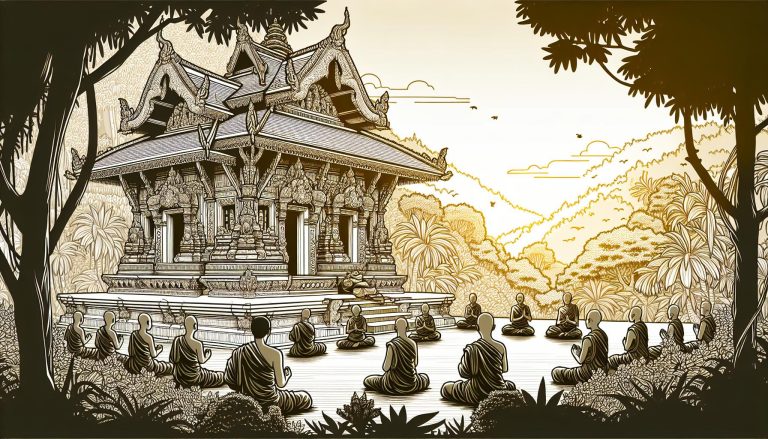
As I delved deeper, I discovered how karma’s intricate web intertwines with the cycle of reincarnation. Each life we live is a chapter in a larger, cosmic story, where our choices dictate our spiritual journey. Understanding these principles can offer profound insights into our behavior and its long-term consequences.
What Is Karma?
Karma, central to Hinduism and Buddhism, dictates that our actions shape our future experiences. This principle suggests that deeds in this life affect our destiny in subsequent lives.
Historical Perspectives
Ancient texts, such as the Vedas and Upanishads, provide the earliest mentions of karma. These texts describe karma as a universal law of cause and effect. In Hinduism, the Bhagavad Gita elaborates on karma’s role in spiritual growth. Similarly, Buddhist teachings, including the Dhammapada, emphasize karma’s influence on one’s rebirth and enlightenment.
Different Interpretations
Hinduism views karma as threefold: Sanchita (accumulated deeds), Prarabdha (current life actions), and Kriyamana (future actions). Each type of karma impacts our spiritual journey differently. In Buddhism, karma focuses more on intentional actions (cetana) and their ethical consequences. These interpretations, while varying, underscore karma’s role in guiding individuals toward moral behavior and spiritual progress.
What Is Reincarnation?
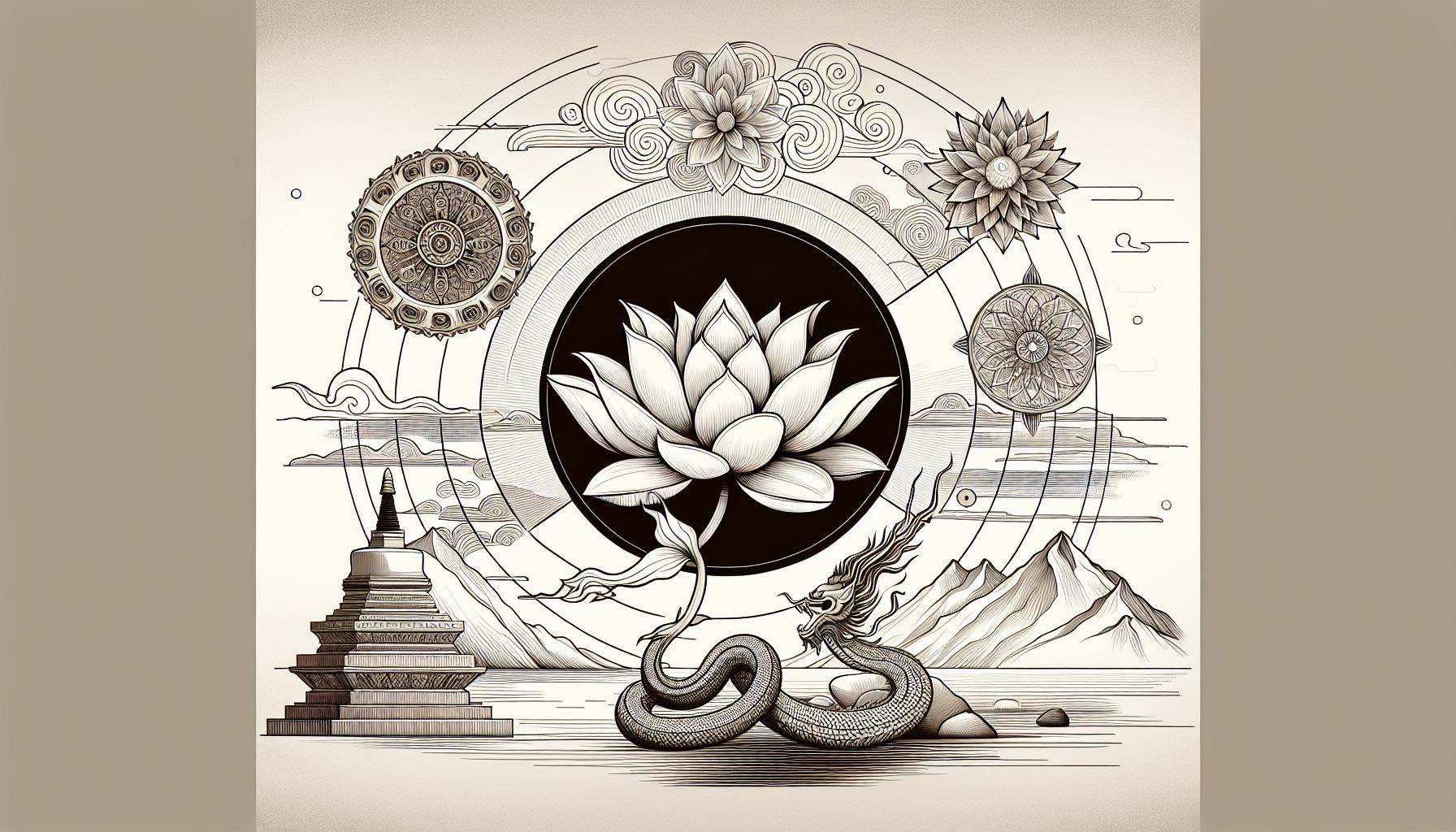
Reincarnation refers to the belief that a soul is reborn into a new body after death. This cycle of birth, death, and rebirth is central to many religious and philosophical traditions.
Beliefs Across Cultures
Hinduism teaches that the soul (Atman – The Soul) is immortal and undergoes countless births and deaths until it attains moksha (liberation). Karma accumulates over lifetimes, influencing the circumstances of each rebirth. In this view, actions in past lives impact one’s current existence.
Buddhism centers on the concept of rebirth rather than a permanent soul. The doctrine of anatta (no-self) asserts that there is no unchanging soul. Instead, a continuity of consciousness flows from one life to the next, shaped by karma. Rebirth is seen as an opportunity to achieve enlightenment (nirvana) and end the cycle of suffering (samsara).
Ancient Greek philosophy, particularly Pythagoreanism and Platonism, also discussed reincarnation. Pythagoras believed in the transmigration of souls, suggesting that souls move into new bodies, not necessarily human. Plato’s writings in the Republic and Phaedrus included ideas about the soul’s immortality and its cyclical journey through various lives based on moral actions.
Modern Perspectives
Modern spiritual movements, such as Theosophy and certain New Age beliefs, have adopted and adapted reincarnation. Theosophy, founded in the 19th century, views reincarnation as a means for soul development through successive lives, each life serving to advance spiritual evolution. This belief aims to reconcile the wisdom of Eastern and Western traditions.
Scientific investigation into reincarnation includes the work of researchers like Dr. Ian Stevenson. His studies on children who recall past lives involve hundreds of case studies with detailed testimonies, aiming to provide empirical evidence. These investigations remain controversial but have piqued public interest and fostered debate on the subject.
Psychiatrist Dr. Brian Weiss’s work in past-life regression therapy claims that patients, through hypnosis, access memories of past lives, aiding in the treatment of psychological issues. While mainstream science questions these methods, many individuals report personal insights and healing experiences from such sessions.
The Relationship Between Karma And Reincarnation
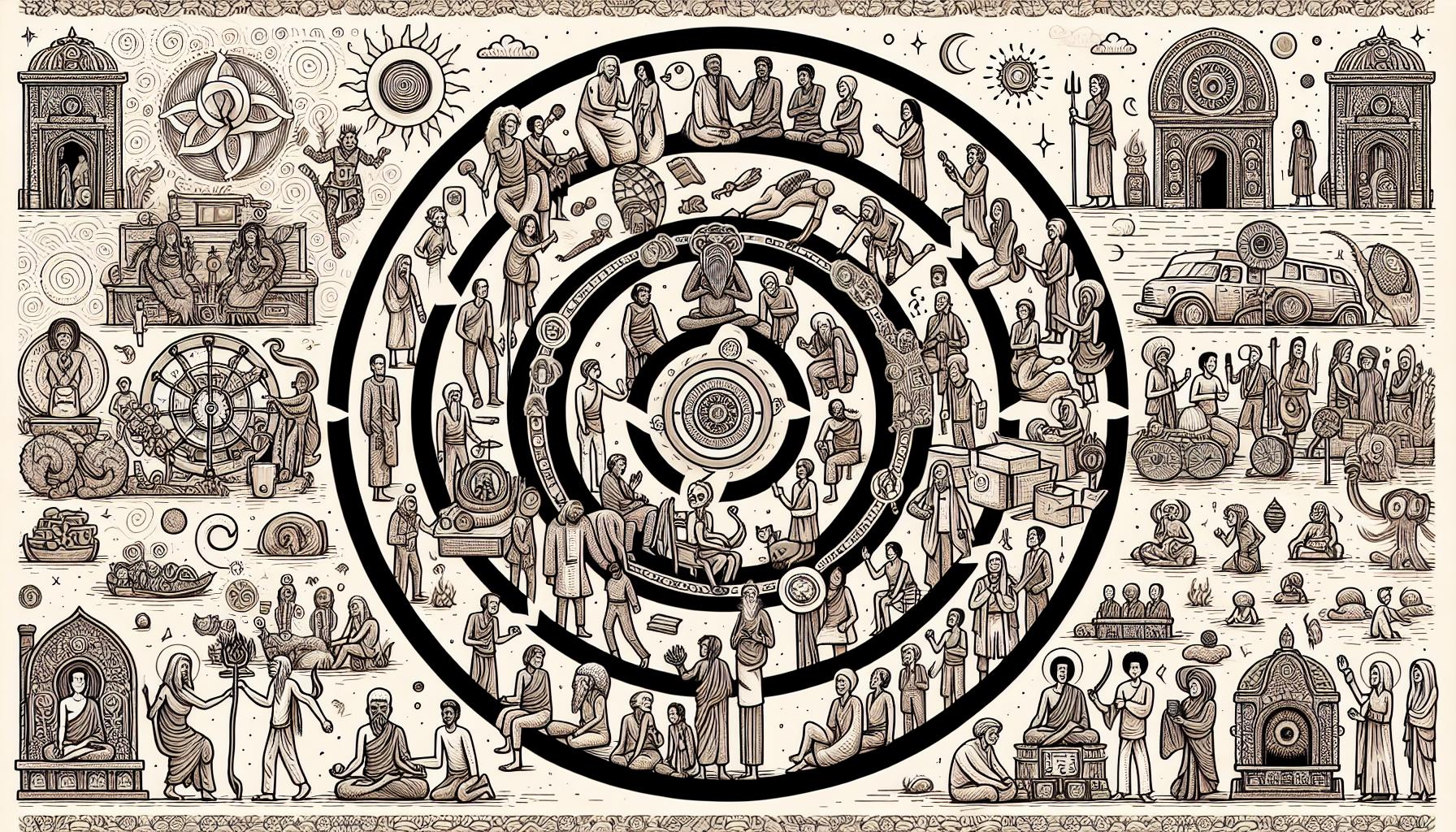
Karma and reincarnation are intertwined in many spiritual traditions. Karma affects one’s experiences in future lives through the cycle of reincarnation.
How Karma Influences Reincarnation
Actions from past lives shape future reincarnations. Positive deeds generate good karma, leading to favorable rebirths. Negative actions create bad karma, resulting in challenging lives. For example, helping others can lead to prosperity in the next life, while harming others may cause suffering.
In Hinduism, karma determines one’s birth in the caste system, as explained in the Bhagavad Gita. Buddhism emphasizes karma’s role in attaining enlightenment. Actions influence not just the current life but also the form and circumstances of the next.
The Cycle Of Life, Death, And Rebirth
Karma and reincarnation perpetuate a continuous cycle of birth, death, and rebirth, known as samsara. Life is seen as a journey through multiple lifetimes, each influenced by past karma and offering opportunities for spiritual growth.
In Hindu beliefs, achieving moksha, or liberation, breaks this cycle, ending reincarnation. Buddhism’s goal is nirvana, ending suffering and halting the cycle. Both traditions view the cycle as a path toward ultimate spiritual goals, shaped fundamentally by karma’s actions.
By understanding and acting ethically, individuals influence their future incarnations. This interconnectedness between karma and reincarnation guides moral and spiritual development in these traditions.
Philosophical And Ethical Implications

Karma and reincarnation carry deep philosophical and ethical implications. These concepts shape moral attitudes and influence behaviors based on the belief that actions have far-reaching consequences beyond one’s life.
Moral Consequences
Belief in karma and reincarnation often instills a strong sense of morality. In Hinduism and Buddhism, ethical behavior is tied to the quality of future lives. Good karma results from virtuous acts like honesty, compassion, and selflessness, leading to positive future lives. Conversely, negative actions such as dishonesty, cruelty, and selfishness generate bad karma, leading to adverse outcomes in future incarnations. This belief reinforces ethical living, encouraging people to act morally to secure a better future.
Impact On Behavior And Decision-Making
Karma and reincarnation significantly impact decision-making processes. Knowing that actions have future consequences motivates individuals to make ethical choices. For example, someone aware of karma might choose to help others instead of acting selfishly, aiming for favorable future experiences. Similarly, avoiding harmful deeds becomes imperative to prevent negative karma. This awareness fosters a conscientious approach to life, promoting decisions that benefit both oneself and society as a whole.
Scientific Views And Debates
Scientific perspectives on karma and reincarnation present a mixed and often controversial response. Efforts to investigate these spiritual concepts have sparked considerable interest and debate.
Research And Evidence
Research into reincarnation includes studies on past-life memories. Dr. Ian Stevenson, a psychiatrist from the University of Virginia, documented over 2,500 cases of children who claimed to remember previous lives. He noted common verifiable facts that supported these memories, such as specific details about deceased individuals’ lives. These studies provide intriguing, though not conclusive, evidence.
Other research looks at the biological foundation of memory and consciousness. Theories about cellular memory, where cells retain information from past experiences, and quantum consciousness, suggesting that consciousness exists independently of the physical body, explore scientific explanations. These remain highly speculative without robust empirical support.
Skepticism And Criticism
Critics argue that evidence for reincarnation lacks scientific rigor. Skeptics highlight methodological flaws in studies, including confirmation bias and the cultural influence on memory. Notable skeptics like Carl Sagan acknowledged the potential interest of some reincarnation cases yet maintained that more rigorous, controlled experiments were necessary.
Psychologists attribute past-life memories to cryptomnesia, where forgotten memories resurface in another context, or to imagination influenced by sociocultural factors. This psychological perspective challenges the attribution of these memories to actual past lives, calling for more empirical investigations.
Conclusion
Scientific views on karma and reincarnation remain divided. While some research provides suggestive evidence, skepticism dominates due to the lack of concrete data and methodological concerns. This ongoing debate underscores the need for further investigation into these profound spiritual concepts.
Conclusion
Karma and reincarnation remain deeply intriguing and complex topics that bridge spirituality and science. While ancient traditions like Hinduism and Buddhism offer profound insights into the moral and spiritual dimensions of these concepts, modern scientific perspectives add layers of curiosity and skepticism.
The interplay between karma and reincarnation continues to inspire both believers and researchers. It’s clear that these ideas encourage moral conduct and spiritual growth, regardless of one’s belief in their literal truth.
As we explore these profound concepts further, it’s essential to keep an open mind and consider both traditional wisdom and scientific inquiry. The journey towards understanding karma and reincarnation is as much about personal growth as it is about intellectual discovery.
Sources & further reading
These themes are explored in greater depth across the following authoritative resources:
- Britannica, Yoga in Hinduism
- Britannica, Puja
- Harvard Pluralism Project, Hindu Practice
- Internet Sacred Text Archive, Yoga Sutras of Patanjali
- Diana L. Eck, Banaras: City of Light (Princeton University Press, 1982)
External resources for further reading. Apam Napat is not affiliated with these publishers; citation does not imply endorsement.
Based on the classical texts of Hindu mythology, see our sources.