
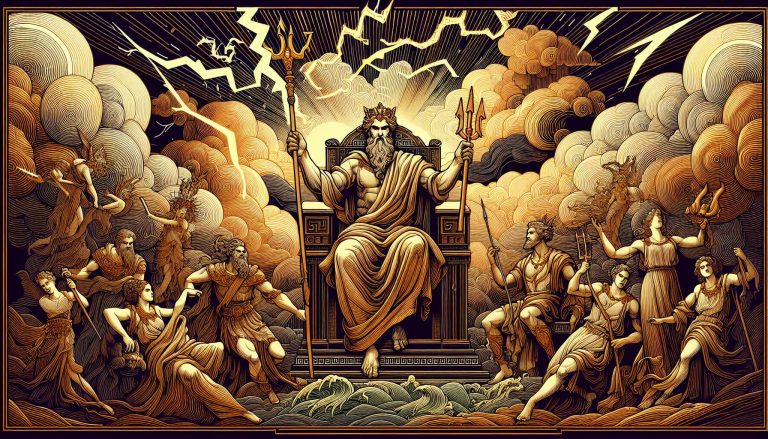
I find it amazing how painters use color, composition, and symbolism to breathe life into these ancient narratives. Whether it’s Botticelli’s “The Birth of Venus” or Caravaggio’s “Medusa,” these works offer more than just visual pleasure; they invite us to explore the deeper meanings and emotions embedded within mythological lore. Let’s jump into how these themes have influenced art across different periods and why they continue to captivate us.
The Importance Of Mythology In Art
Mythology deeply influences art, intertwining narrative richness with visual expressiveness. These stories offer artists a vast array of subjects, from heroic deeds to moral dilemmas. Greek myths, like those of Zeus or Athena, provide iconic moments depicted across centuries. Norse legends, with gods like Thor and Loki, incite dynamic and powerful scenes in painting.
Art translates mythology into a universal language that speaks to human experiences. Themes such as love, conflict, and transformation become relatable and timeless when painted. Through mythological themes, artists create works that transcend cultural and temporal boundaries, resonating with diverse audiences.
Painters like Botticelli use mythological references to evoke deeper meanings. For instance, in “The Birth of Venus,” Botticelli portrays Venus not as a mere figure but as an embodiment of ideal beauty and love. Similarly, Caravaggio’s “Medusa” captures the terrifying yet fascinating aspects of myth, combining realism with dramatic effect.
Museums and galleries worldwide feature mythological art, underscoring its persistent relevance. This enduring appeal lies in the ability of myth and art to reflect the human condition, provoke thought, and inspire imagination.
Ancient Greek And Roman Influence
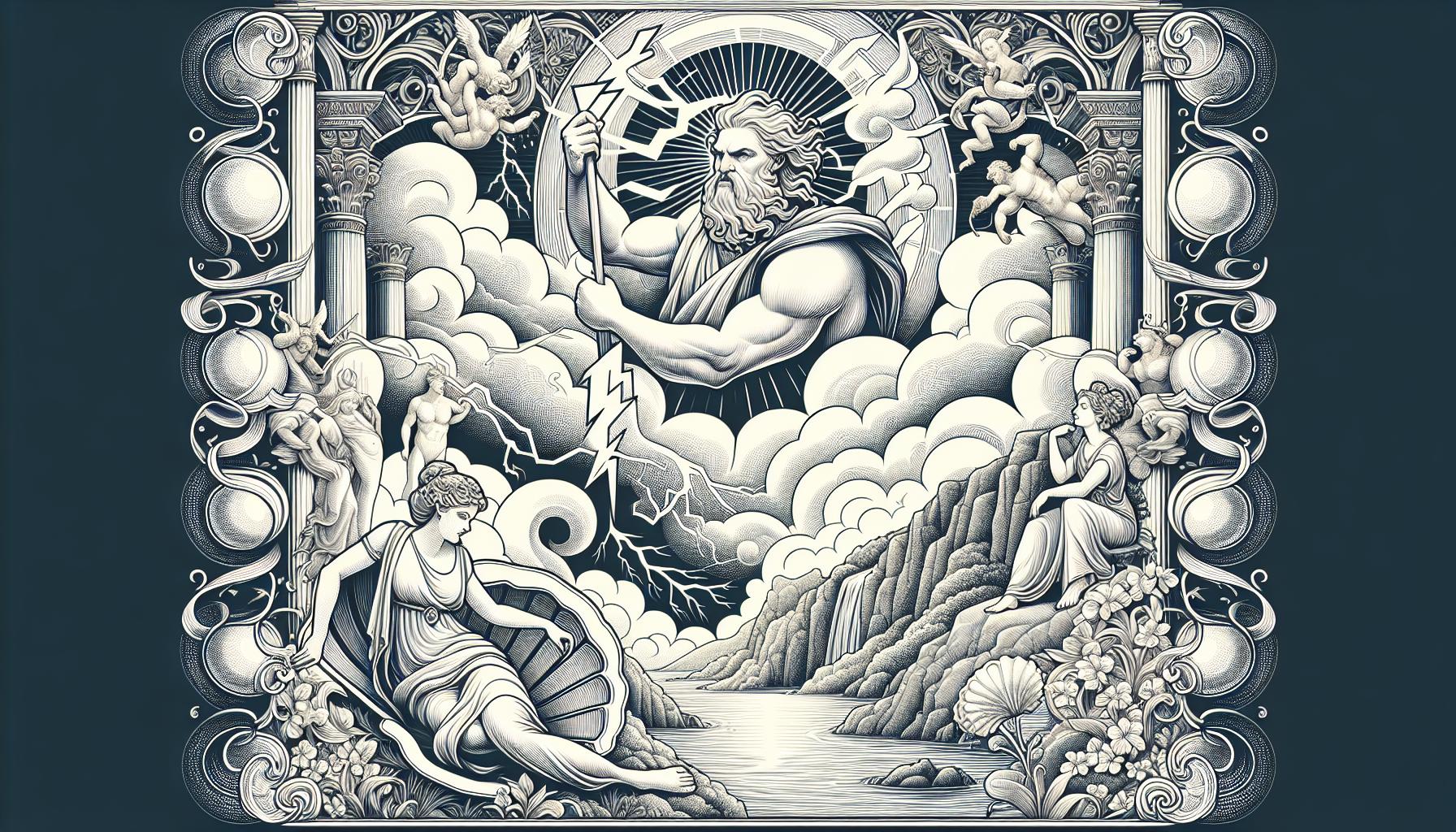
Ancient Greek and Roman myths have profoundly shaped Western art, providing rich narratives and timeless characters for artistic interpretation.
Depictions Of Gods And Goddesses
Greek and Roman gods like Zeus, Hera, Jupiter, and Venus populate countless paintings. Artists portray these deities with divine attributes and iconic symbols. For example, Zeus often appears with a thunderbolt, while Venus frequently reclines in a shell or near water. These depictions highlight not only the gods’ power but also their human-like qualities and emotions.
Myths Reimagined In Renaissance Art
Renaissance artists like Botticelli and Michelangelo revived classical myths with remarkable creativity. They integrated these ancient stories into their socio-cultural context, transforming mythological subjects into allegories of contemporary themes. Botticelli’s “The Birth of Venus,” for instance, blends classical beauty with renewed artistic vision, while Michelangelo’s “Creation of Adam” reinterprets divine creation through a mythological lens, resonating deeply with humanist ideals.
The Role Of Mythology In Baroque Art
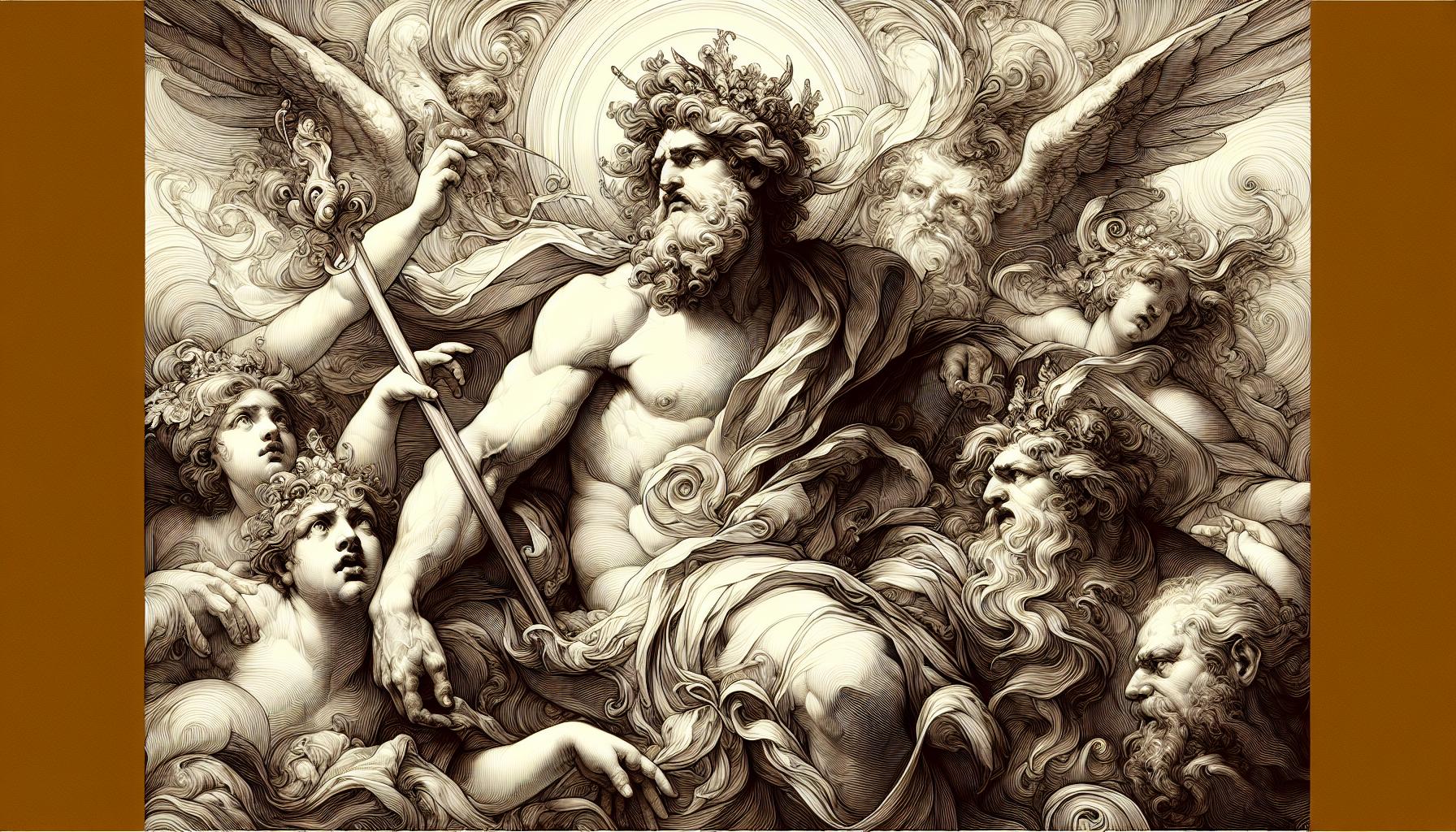
Baroque art thrived from the early 17th century to the mid-18th century, embodying a dramatic use of color, light, and shadow. Mythological themes became central to this era, enriching the artistic narrative.
Religious And Mythological Fusion
Baroque artists often intertwined mythological and religious themes to create complex, emotionally charged works. They frequently incorporated classical gods and biblical figures within the same paintings. For example, Peter Paul Rubens depicted mythological scenes imbued with religious symbolism. His work “The Apotheosis of Henry IV and the Proclamation of the Regency” merges mythology with royal iconography, presenting the king as a god-like figure. This fusion allowed artists to explore universal themes of power, virtue, and destiny.
Dramatic Representations
Baroque paintings are known for their intense emotional expression and grandeur. Artists like Caravaggio and Artemisia Gentileschi excelled at bringing mythological scenes to life with dramatic realism. Caravaggio’s “Medusa” captures the moment of the Gorgon’s beheading with stark intensity, using tenebrism to heighten the drama. Gentileschi’s “Judith Slaying Holofernes,” although a biblical scene, mirrors the same mythological vigor and powerful emotions. These representations aimed to captivate viewers, immersing them in the mythological narrative.
Mythological Themes In 19th Century Art
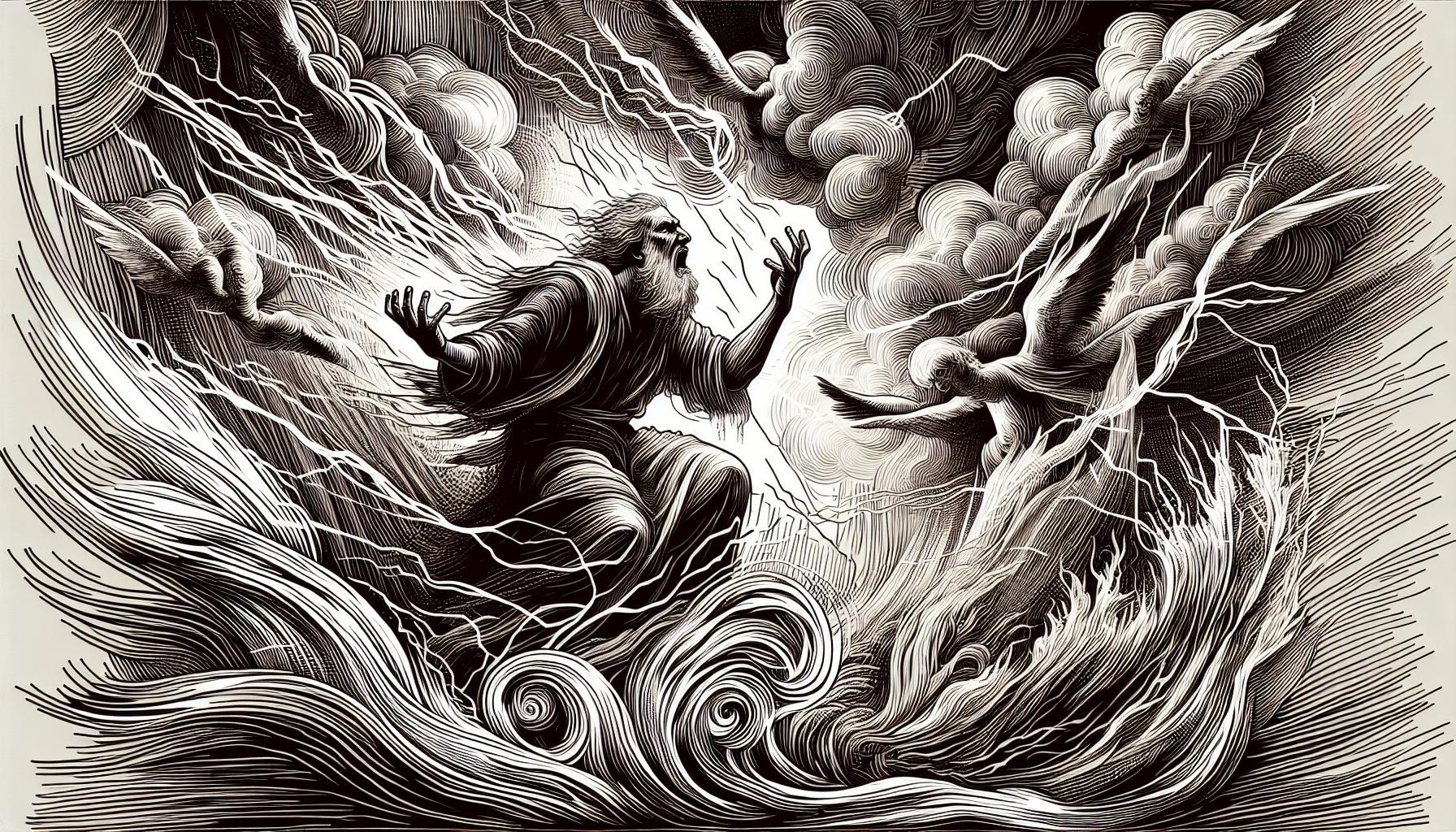
Mythological themes remained prominent in 19th-century painting, influencing various art movements. Artists explored mythological narratives to comment on contemporary issues and evoke deeper emotional responses.
Romanticism And Mythology
Romanticism, emerging in the late 18th century, embraced mythological themes to express intense emotion and sublime beauty. Artists like Eugène Delacroix and Francisco Goya painted mythological scenes filled with dynamic movement and dramatic contrasts. Delacroix’s “The Death of Sardanapalus” vividly captures chaos and tragedy, using myth to depict emotional turmoil. Goya’s “Saturn Devouring His Son” uses Greek mythology to explore themes of power, fear, and madness.
Symbolism And Allegory
In the late 19th century, the Symbolist movement utilized mythological themes to convey deeper philosophical meanings. Artists like Gustav Klimt and Odilon Redon created works rich with allegory, using myth to explore human psychology and spirituality. Klimt’s “Danaë” interprets the myth of Zeus and Danaë to convey themes of transformation and transcendence. Redon’s “Pandora” reinvents the myth of Pandora’s box to symbolize hope and despair. These paintings used mythological allegory to probe the human condition and existential themes.
Modern And Contemporary Interpretations
Modern and contemporary artists continue to draw inspiration from mythological themes, interpreting them through new lenses to address current socio-cultural issues.
Surrealism And Mythological Motifs
Surrealism often incorporates mythological motifs to explore the unconscious mind and dream states. Artists like Salvador Dalí and Max Ernst employ mythological imagery to depict inner landscapes, merging reality with fantastical elements. For example, Dalí’s “The Metamorphosis of Narcissus” reimagines the Greek myth of Narcissus, exploring themes of transformation and self-reflection through surreal, dream-like visuals. Surrealists engage with mythology to reveal deeper psychological insights, using familiar mythological narratives in unfamiliar, thought-provoking ways.
Mythology In Abstract And Conceptual Art
Abstract and conceptual artists reinterpret mythological themes to challenge traditional narratives and emphasize new interpretations. Artists such as Mark Rothko and Cy Twombly use myths to express complex emotions and ideas through abstraction. Rothko’s “Black on Maroon” series, for instance, evokes the myth of Oedipus through its intense color fields, exploring themes of fate and despair without explicit figures. Conceptual artists use myth to critique cultural myths and societal norms, offering fresh perspectives and encouraging viewers to question established beliefs through modern symbolism and allegorical references.
Conclusion
Mythological themes in painting continue to captivate and inspire. From ancient depictions to modern interpretations these timeless stories offer artists a rich source of material to explore. By reimagining myths artists not only honor the past but also provide fresh insights into contemporary issues. Mythology’s enduring presence in art underscores its universal appeal and its ability to resonate across different eras and cultures. Whether through the intense emotions of Romanticism or the psychological depths explored by the Surrealists myths remain a powerful tool for artistic expression. As we move forward it’s clear that mythological themes will continue to play a significant role in the evolution of art.
Sources & further reading
These themes are explored in greater depth across the following authoritative resources:
- Britannica, Hindu Temple Architecture
- Met Museum, Hinduism in the Arts
- Britannica, Iconography
- Stella Kramrisch, The Hindu Temple (Motilal Banarsidass, 1946)
- Heinrich Zimmer, Myths and Symbols in Indian Art and Civilization (Princeton University Press, 1946)
External resources for further reading. Apam Napat is not affiliated with these publishers; citation does not imply endorsement.
Based on the classical texts of Hindu mythology, see our sources.