
Truth, on the other hand, serves as the bedrock of our beliefs and actions. It’s not just about factual accuracy but also about authenticity and alignment with one’s inner values. Together, dharma and truth create a powerful synergy, guiding us toward a life that’s not only ethical but also deeply fulfilling. In this text, I’ll explore how these profound concepts intersect and how we can apply them in our daily lives for greater harmony and purpose.
Understanding Dharma
Dharma, a profound concept, has roots in Hinduism, Buddhism, and Jainism. It embodies various meanings like “law,” “order,” and “duty,” shaping moral and spiritual life.
Definitions and Origins
“Dharma” originates from the Sanskrit root “dhr̥,” meaning “to support, hold, or bear.” It signifies a principle that remains constant while regulating change. Commonly, dharma translates to “right way of living” and “path of rightness,” with connotations of order and eternal truth.
Dharma Across Different Religions
- Hinduism: Dharma in Hinduism governs individual conduct through religious and moral laws. Key virtues include honesty, non-injury, and generosity.
- Buddhism: In Buddhism, dharma (or dhamma in Pali) represents the teachings of the Buddha, encompassing the path to enlightenment and the nature of reality.
- Jainism: Dharma in Jainism denotes the principles of non-violence, truth, and asceticism, guiding individuals toward spiritual purity and liberation.
Key Principles of Dharma
Dharma underscores several principles that guide ethical and moral behavior:
- Universal Moral Order: Dharma maintains the universe’s moral force, ensuring cosmic order and harmony.
- Personal Duty: Individuals must uphold their dharma, fulfilling their roles and responsibilities with integrity and purpose.
- Virtue and Ethics: Core virtues such as honesty, compassion, and non-violence are essential to living following dharma.
By integrating these principles, individuals align their lives with universal truths, fostering harmony and ethical living.
The Concept of Truth in Spiritual Traditions
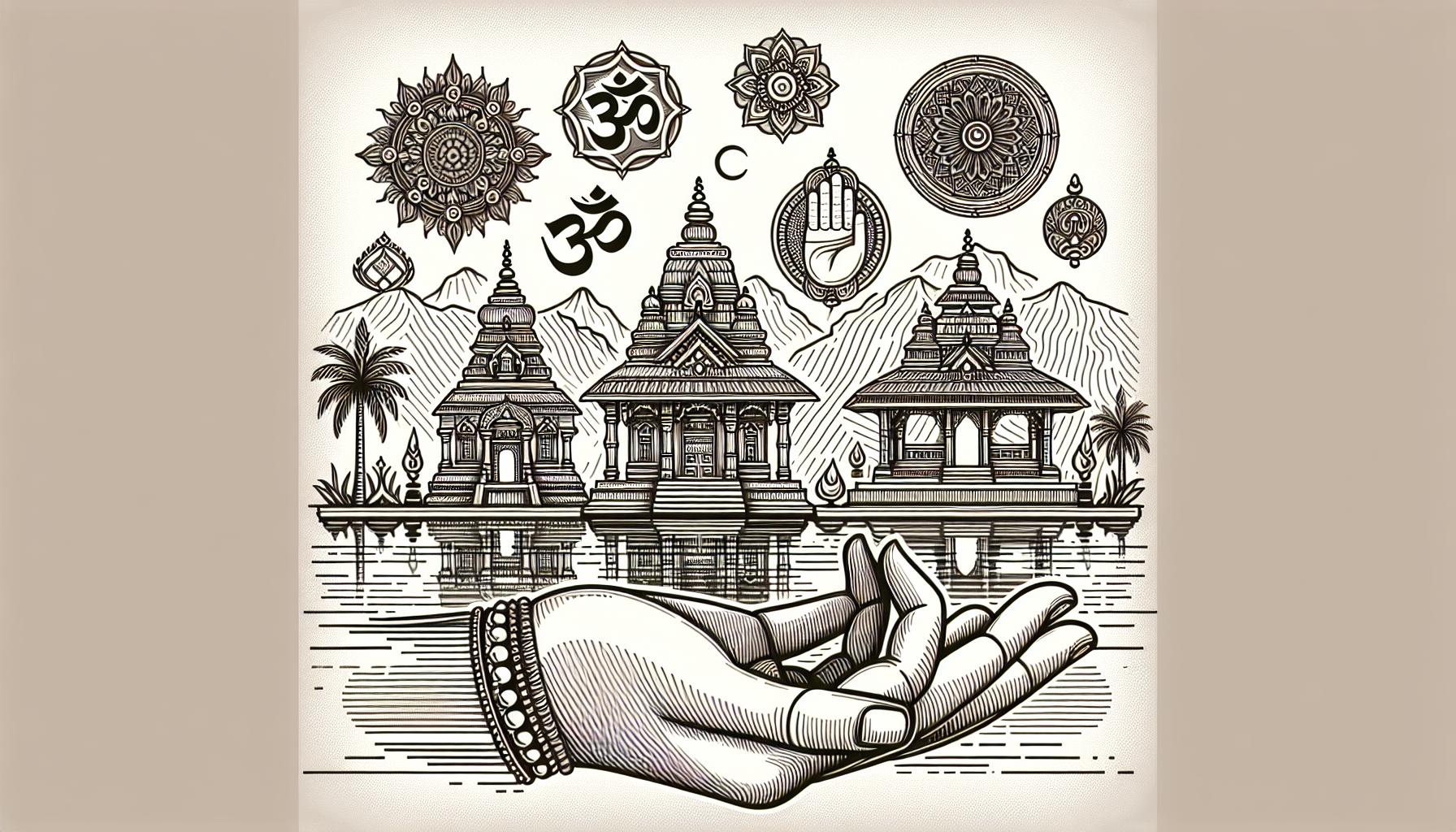
Truth forms a core component of many spiritual traditions. It shapes beliefs, practices, and ethical behaviors within these traditions.
Absolute vs. Relative Truth
Truth can be divided into absolute and relative forms. Absolute truth, regarded as universal and unchanging, exists independently of human perspectives. Relative truth, but, varies based on experience, context, and perception. For instance, scientific principles often represent absolute truths, while cultural norms reflect relative truths.
Truth in Hinduism
Hinduism holds Satya, or truth, as a paramount virtue. It’s not only about factual accuracy but also the harmony of thoughts, words, and deeds. The Vedas and Upanishads emphasize Satya as a path to moksha (liberation).
Truth in Buddhism
Buddhism underscores truth through the Four Noble Truths, forming the bedrock of its teachings. These truths address suffering, its origin, cessation, and the path leading to its cessation (the Eightfold Path). Truthfulness also appears in the Five Precepts, guiding ethical conduct.
Truth in Jainism
Jainism promotes Anekantavada, the doctrine of manifold aspects, recognizing the complexity of truth. This philosophy asserts that truth can be multifaceted, and understanding it requires considering multiple perspectives. Truthfulness, or Satya, is one of the five main vows Jains undertake to lead a righteous life.
Intersection of Dharma and Truth
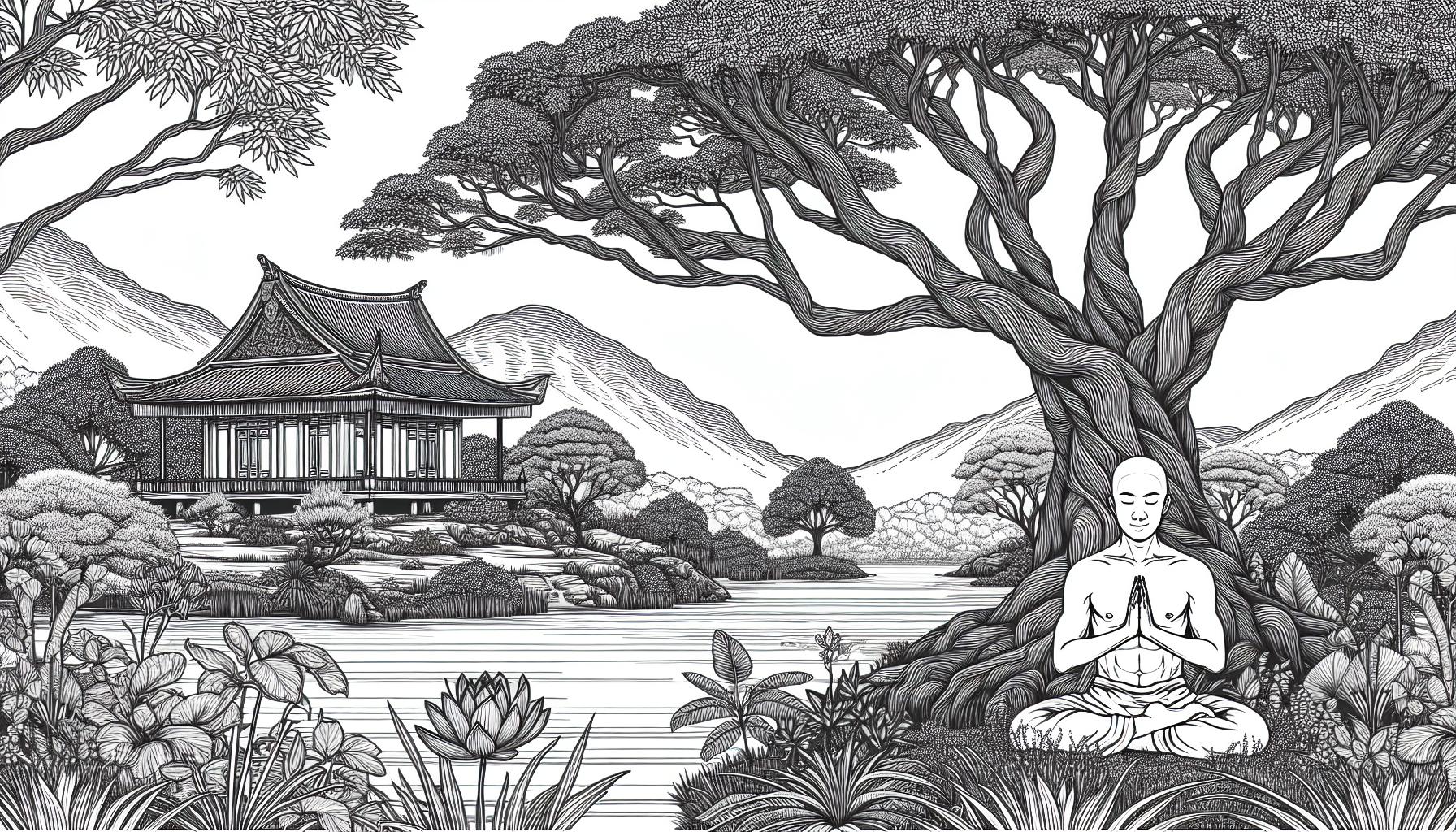
Dharma and truth interconnect deeply within spiritual traditions, each reinforcing the other as individuals seek moral and spiritual alignment.
How Dharma Guides Truth
Dharma provides the framework for understanding and practicing truth. In Hinduism, Dharma encompasses duties and righteousness. By aligning actions with Dharma, individuals express truth in thoughts, words, and deeds.
In Buddhism, Dharma guides practitioners through teachings like the Four Noble Truths and the Eightfold Path. These precepts outline ethical conduct, mindfulness, and wisdom, which manifest truth in everyday life.
In Jainism, Dharma includes non-violence and truthfulness. The commitment to truth (Satya) as a primary vow demonstrates how Dharma guides truthful living and perception.
Truth as an Expression of Dharma
Truth represents the manifestation of Dharma in practical terms. In Hinduism, Satya (truth) is an essential virtue. Speaking the truth and adhering to it reflects one’s adherence to Dharma.
In Buddhism, the Noble Eightfold Path’s Right Speech instructs practitioners to avoid falsehood. This practice of truthfulness expresses their commitment to Dharma.
In Jainism, Anekantavada recognizes multiple perspectives, yet insists on honesty. By expressing truth, individuals live in harmony with Dharma’s ethical demands.
Dharma and truth, so integrated, promote a harmonious life aligned with ultimate spiritual principles across these traditions.
Modern Interpretations

Relevance of Dharma and Truth in Today’s World
Dharma and truth continue to hold significant relevance in contemporary society. In an age marked by rapid technological advancements and social transformations, these age-old principles offer a moral compass. Dharma encourages individuals to uphold responsibilities, fostering a sense of societal order. Truth, as a principle, entails honesty, leading to trust and integrity in personal and professional spheres.
Modern interpretations of dharma intersect with global ethical standards. For instance, corporate social responsibility (CSR) initiatives often reflect dharma by prioritizing ethical business practices and community welfare. Truthfulness in today’s world manifests through transparent communication, combating misinformation and fostering genuine relationships. Both principles, when embraced, enhance community resilience and personal fulfillment.
Case Studies and Examples
Several real-world examples illustrate the impact of dharma and truth in modern settings.
1. Corporate Social Responsibility (CSR): TOMS Shoes follows dharma by adopting a “one-for-one” model, donating a pair of shoes for every pair sold. This corporate philosophy exemplifies responsibility toward society.
2. Journalism and Media: Investigative journalism reflects the principle of truth. Journalists like Maria Ressa work to uncover and present facts even though risks, exemplifying truth’s role in promoting transparency.
3. Legal and Ethical Frameworks: The legal profession demands adherence to dharma through ethical conduct and truthfulness. Lawyers and judges uphold justice, striving for impartial and honest resolutions, aligning with dharma.
4. Community Initiatives: The NGO “Teach For America” embodies dharma by addressing educational inequity. Volunteers dedicate time and resources to teach in underprivileged areas, promoting social responsibility.
Dharma and truth, when applied to modern contexts, foster ethical behavior and societal progress. Real-world examples show their enduring impact across various sectors.
Conclusion
Understanding dharma and truth offers a profound lens through which we can navigate our lives. These ancient principles aren’t just relics of the past they’re dynamic guides that inform ethical behavior and societal progress today. Whether in personal decisions or broader societal roles embracing dharma and truth can lead to a more harmonious and just world. By staying true to these values we can foster integrity and compassion in every aspect of modern life.
Sources & further reading
These themes are explored in greater depth across the following authoritative resources:
- Stanford Encyclopedia of Philosophy, Hindu Philosophy
- Britannica, Dharma
- Britannica, Karma
- Internet Sacred Text Archive, Bhagavad Gita
- A. K. Ramanujan, Speaking of Siva (Penguin Classics, 1973)
External resources for further reading. Apam Napat is not affiliated with these publishers; citation does not imply endorsement.
Based on the classical texts of Hindu mythology, see our sources.