
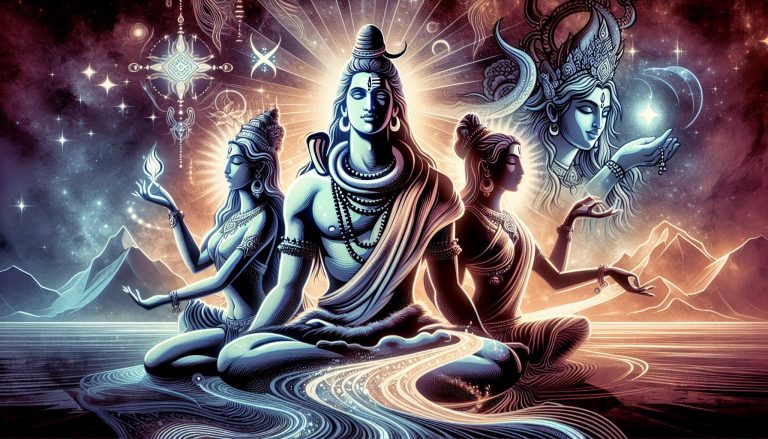
Exploring Shiva’s consorts in literature reveals a wealth of stories that highlight their strengths, struggles, and spiritual significance. Each tale offers unique insights into their relationships with Shiva and their influence on the world. Whether you’re a mythology enthusiast or a curious reader, understanding these characters provides a deeper appreciation of their enduring legacy in Hindu culture and literature.
Historical Context Of Shiva’s Consorts
Shiva’s consorts Parvati and Sati hold significant positions in Hindu mythology. Sati, the first consort, represents devotion and sacrifice. She immolated herself due to her father’s disdain for Shiva. This event underscores the tension between societal expectations and divine will in ancient texts.
Parvati, the reincarnation of Sati, symbolizes strength, fertility, and nurturing. Her union with Shiva marks the balance of cosmic energies. Parvati’s perseverance and devotion highlight crucial themes in literature, signifying the triumph of love and spirituality over trials.
These narratives about Shiva’s consorts shed light on the varying societal norms and religious beliefs. They also emphasize the roles of women in mythological contexts, illustrating their spiritual and worldly impacts. Ancient scriptures like the Puranas and epics like the Mahabharata – The Great Epic and Ramayana – Epic of Hinduism often depict these stories, providing rich cultural layers and intricate historical settings.
Depiction Of Parvati In Literature
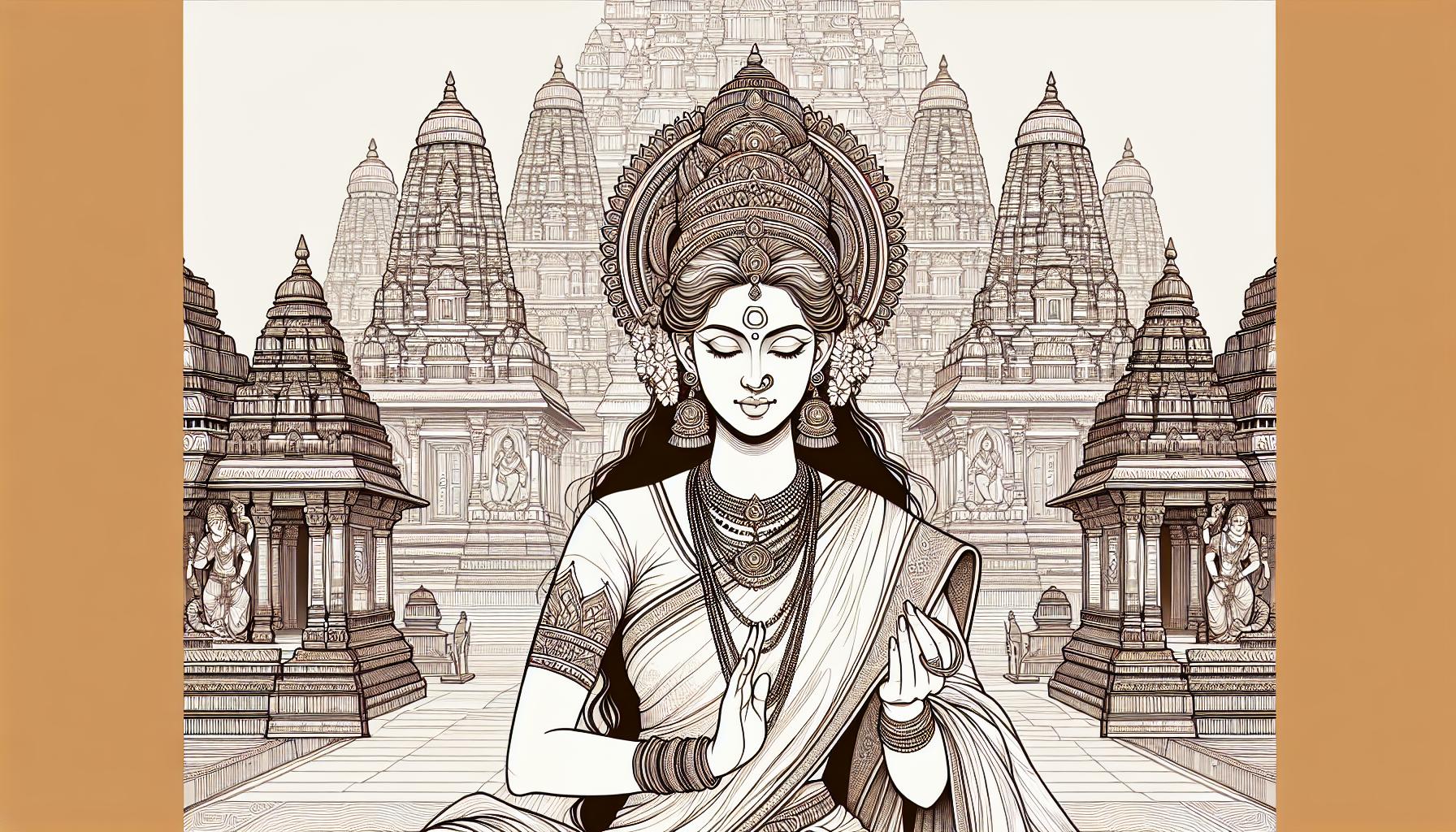
Parvati, a principal goddess in Hindu mythology, has been portrayed in various texts, ranging from ancient scriptures to modern literature. Her depiction highlights her diverse traits and her integral role in mythological narratives.
Parvati In Ancient Texts
Parvati’s portrayal in ancient texts like the Puranas and the Mahabharata showcases her multifaceted nature. In the “Shiva Purana,” she is seen as a devoted consort restoring Shiva’s faith in love and family after Sati’s demise. “Mahabharata” underscores her valor, depicting her transformation into goddess Durga to vanquish demons. These texts, rich in allegories, elevate Parvati’s roles from a nurturing wife to a fierce warrior, symbolizing strength and devotion.
Parvati In Modern Literature
Modern literature interprets Parvati with nuanced layers, often highlighting her human-like emotions. In contemporary novels and poetry, she represents a balance of femininity and power, resonating with modern feminist themes. Authors emphasize her independence and intellect, making her a relatable figure who navigates challenges with wisdom. By exploring her personal growth and relationship dynamics, modern literature continues to honor her legacy while making her story accessible to contemporary audiences.
Parvati’s enduring presence in both ancient and modern literature underscores her importance in cultural and spiritual contexts, reflecting evolving societal values.
The Story Of Sati
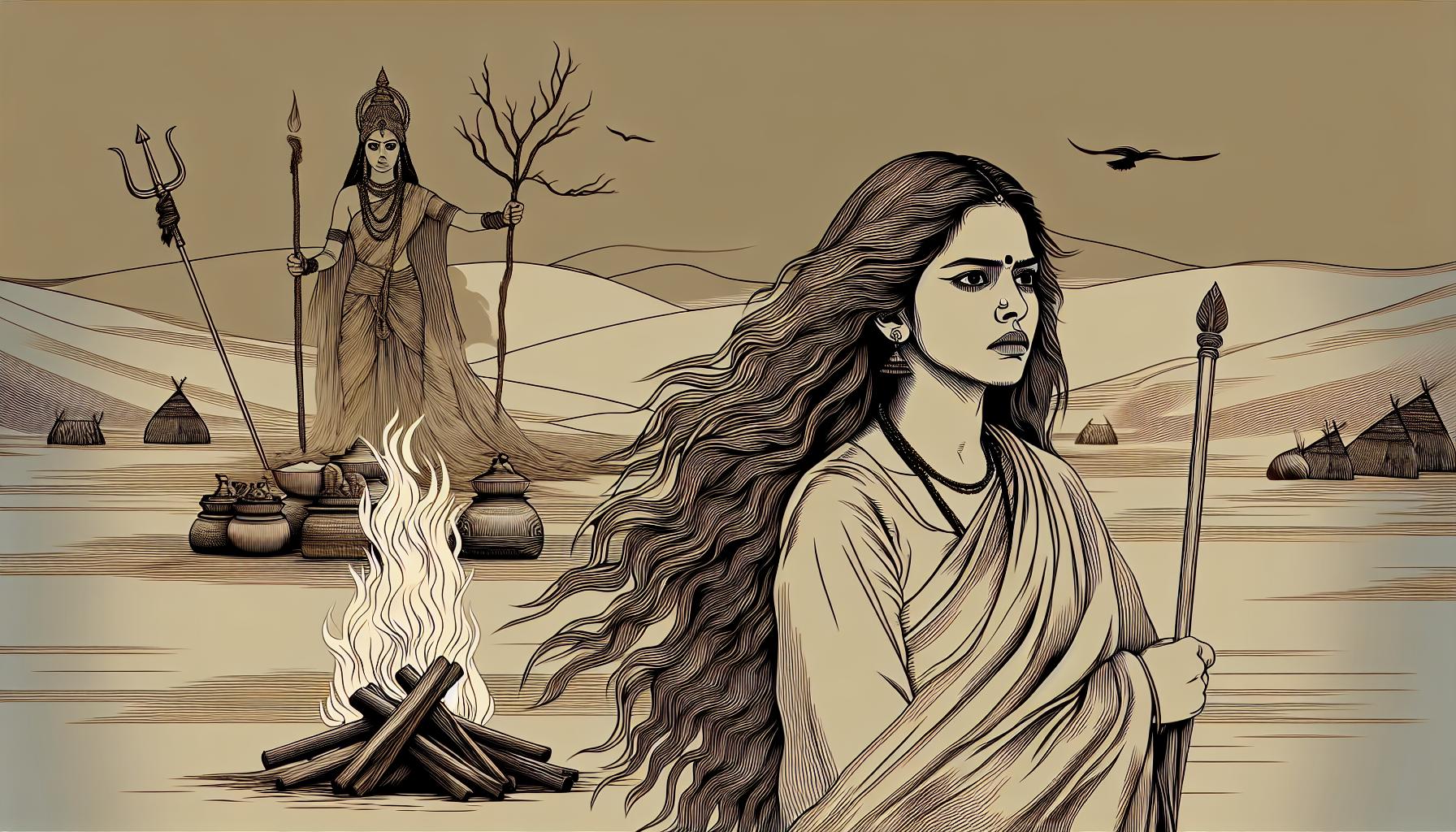
Sati’s story in Hindu mythology forms an essential part of Shiva’s narrative. She symbolizes devotion and sacrifice, significantly influencing the tales in which she appears.
Sati In The Puranas
In the Puranas, Sati is depicted as the daughter of Daksha, one of the Prajapatis. Daksha vehemently opposes Sati’s marriage to Shiva, considering Shiva unworthy due to his ascetic lifestyle. Despite her father’s disapproval, Sati marries Shiva. Her love and devotion to Shiva stand unwavering even in the face of adversity.
During a grand yajna (sacrifice) organized by Daksha, Sati arrives uninvited after hearing her father has not extended an invitation to Shiva. Insulted by Daksha’s blatant disrespect towards her husband, she immolates herself in the sacrificial fire. Sati’s self-sacrifice, known as “Sati’s curse,” leads to the devastation of Daksha’s yajna by Shiva’s fierce form, Virabhadra. This story emphasizes the themes of marital devotion, respect, and the dire consequences of affronting divine entities.
Sati In Contemporary Adaptations
Contemporary adaptations of Sati’s story reinterpret her character, adding modern dimensions to her traditional narrative. In novels and films, Sati often embodies the quintessentially strong yet vulnerable feminine force. Modern writers explore her agency and emotional depth, portraying her as a symbol of resistance against patriarchal oppression.
For example, in some modern retellings, Sati’s decision to immolate herself is shown as an act of defiance against her father’s patriarchal control rather than mere devotion. This shift underscores her autonomy and strength, aligning with feminist interpretations. These adaptations bridge the ancient narrative with contemporary themes, making Sati’s story relevant to a modern audience while honoring her enduring legacy as Shiva’s devoted consort.
Other Consorts And Their Representations

Apart from Parvati and Sati, other consorts of Shiva hold significant places in literature, each symbolizing distinct qualities and values. These narratives enrich our understanding of Shiva’s multifaceted relationships.
Ganga
Ganga, the river goddess, often appears as a consort of Shiva in various texts. She represents purity and sustenance. In the Mahabharata, Ganga descends from the heavens, brought down by King Bhagiratha’s penance. Shiva contains her powerful flow in his matted hair, preventing destruction on Earth. This act highlights Shiva’s role as a protector. In literature, Ganga’s association with Shiva underscores themes of purification and life-giving force. Representations of Ganga often depict her emerging from Shiva’s hair, symbolizing the confluence of divine energies.
Shakti
Shakti embodies the divine feminine power, representing the dynamic energy of the universe. As Shiva’s consort, Shakti manifests in various forms, including Durga and Kali. In the Devi Mahatmya, Shakti battles demons, showcasing her fierce independence and protective nature. Her union with Shiva creates a balance of cosmic forces, emphasizing the interconnectedness of creation and destruction. Shakti also appears in Tantric texts, where her role is integral to spiritual practices. These representations of Shakti reflect her as a source of empowerment and cosmic balance, illustrating the depth of her influence in Shiva’s life and the broader spiritual ecosystem.
Thematic Analysis
Shiva’s consorts offer rich and varied themes throughout Hindu mythology. Their relationships exemplify love’s potent force and devotion’s depth. They also symbolize fundamental cosmic principles, intertwining protection, balance, and transformation.
Themes Of Love And Devotion
Parvati and Sati’s stories deeply embed themes of love and devotion. Parvati’s consistent pursuit of Shiva showcases her unwavering devotion. She undertakes severe penances to win Shiva’s affection, reflecting perseverance and love. Sati’s narrative, where she sacrifices herself at Daksha’s yajna, highlights extreme devotion. Her act triggers Shiva’s transformation into Virabhadra, underscoring the potent impact of true love and devotion on cosmic events. These tales reflect that steadfast devotion can transcend obstacles and bring about significant transformations.
Role In Mythology And Symbolism
Shiva’s consorts symbolize various aspects of life and cosmic principles. Parvati represents fertility, love, and devotion. Her warrior aspect embodies power and protection, showing her role in maintaining cosmic balance. Sati, through her sacrifice and rebirth as Parvati, symbolizes continuity and transformation. Ganga, another consort, symbolizes purity and sustenance, highlighting water’s essential role in life. Shakti personifies divine feminine power through forms like Durga and Kali, emphasizing creation and destruction’s interconnectedness. These varied representations demonstrate the consorts’ crucial roles in Hindu mythology, symbolizing both physical and metaphysical elements.
Conclusion
Shiva’s consorts offer a rich tapestry of themes and symbols that deepen our appreciation of Hindu mythology. Each consort, from Parvati to Sati to Ganga and Shakti, embodies distinct aspects of cosmic principles and human emotions. They highlight the intricate balance between creation and destruction, love and sacrifice, and power and devotion. By exploring these relationships, we gain a deeper understanding of the divine interplay that shapes the universe. Their stories not only enrich the mythology but also provide timeless lessons on the interconnectedness of all life.
Sources & further reading
These themes are explored in greater depth across the following authoritative resources:
- Encyclopaedia Britannica, Hindu Mythology
- Internet Sacred Text Archive, Hinduism
- Mythopedia, Hindu Mythology
- Harvard Pluralism Project, Hindu Tradition
- Wendy Doniger, The Hindus: An Alternative History (Penguin, 2009), ISBN 978-0143116691
External resources for further reading. Apam Napat is not affiliated with these publishers; citation does not imply endorsement.
Based on the classical texts of Hindu mythology, see our sources.