
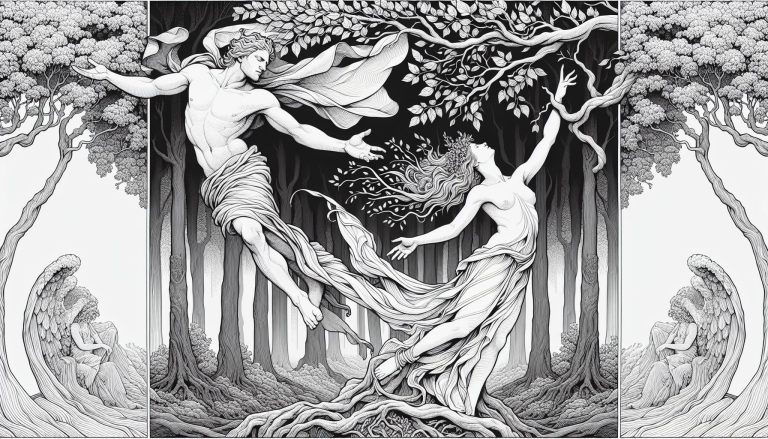
In my experience, mythological themes not only captivate the imagination but also connect us to universal truths and shared human experiences. Whether it’s the heroic exploits of Hercules or the tragic love story of Orpheus and Eurydice, these myths offer profound insights that can transform a simple artwork into a powerful narrative. By tapping into these ancient stories, artists like me can create works that are both visually stunning and emotionally compelling.
The Power Of Mythology In Art
Mythology infuses art with timeless themes, giving artists a rich world to explore. Ancient legends, like Greek gods and Norse heroes, provide complex characters and dramatic narratives that capture imaginations. Incorporating these elements can transform ordinary pieces into compelling stories.
Artists often use mythological symbols to convey deeper meanings. For instance, the phoenix symbolizes rebirth and renewal, while Medusa represents the duality of beauty and danger. These symbols connect with viewers on a subconscious level, enhancing the emotional impact of the artwork.
Mythology also bridges cultural divides. By referencing stories from various traditions, artists can create a universal dialogue. For example, the trickster archetype appears in myths worldwide-Loki in Norse mythology, Anansi in African folklore. Including such archetypes fosters a shared understanding and appreciation of diverse cultures.
By incorporating mythological themes, I can breathe life into my work, bridging the gap between the ancient and the modern.
Historical Influence Of Mythology
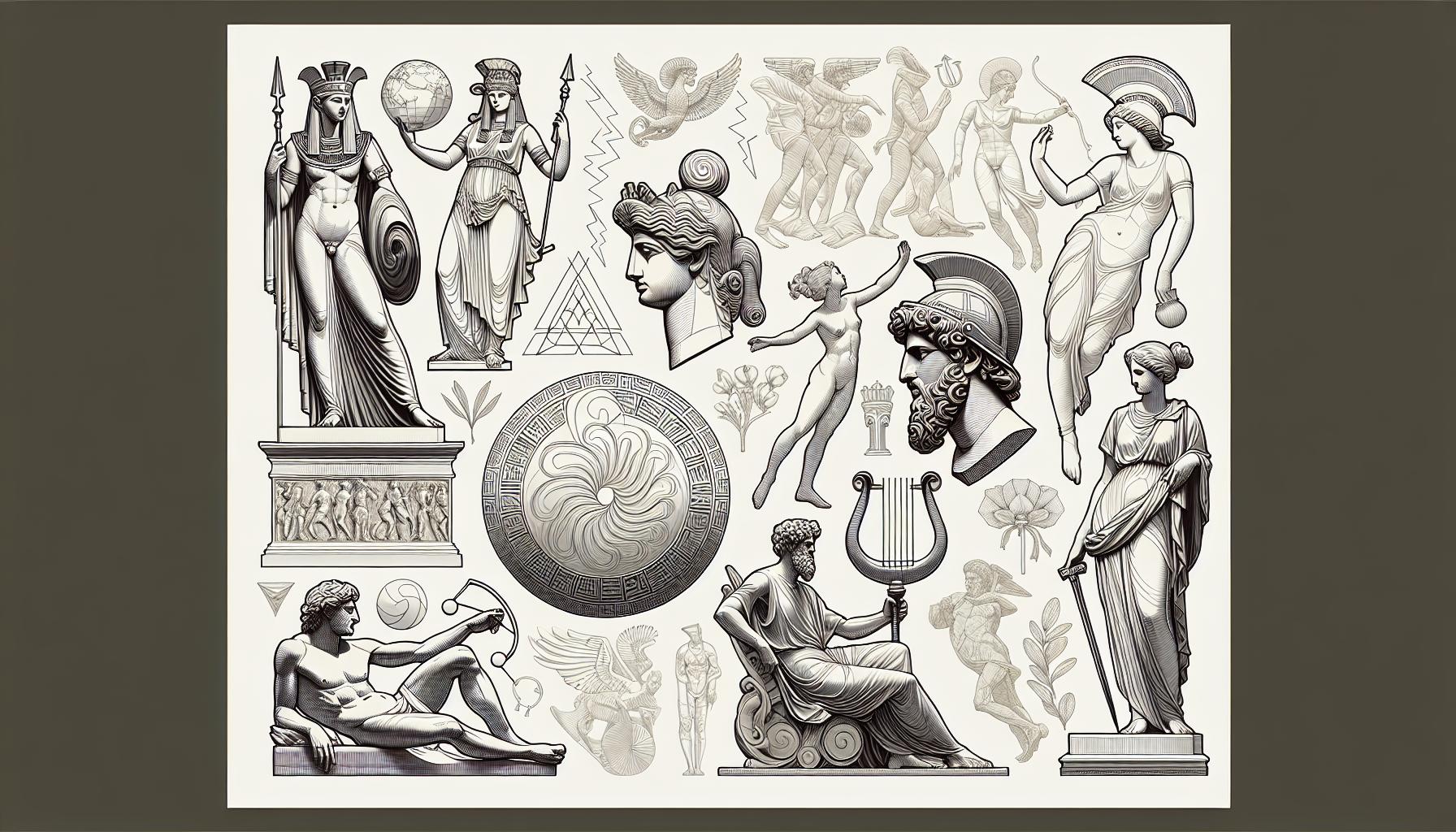
Mythology has significantly shaped various artistic epochs, influencing both content and style. From ancient civilizations to the Renaissance, myths have provided a rich source of inspiration for artists.
Ancient Civilizations
Ancient civilizations deeply integrated mythology into their art. Egyptian artists often depicted gods like Ra and Osiris in their hieroglyphs and sculptures, believing these symbols had divine power (source). Greek mythology inspired countless works, with statues of Zeus, Athena, and Apollo adorning temples and public spaces (source). Mesopotamian reliefs frequently featured mythological creatures, depicting tales of creation and divine intervention (source).
Renaissance Period
The Renaissance period saw a resurgence in mythological themes. Renaissance artists drew heavily from Greek and Roman myths, creating masterpieces like Botticelli’s “The Birth of Venus” and Michelangelo’s “David” (source). These works often symbolized ideals of beauty, heroism, and humanism. Artists like Raphael incorporated mythological allegories into their frescoes to convey complex human emotions and moral lessons (source). This revival of classical mythology helped bridge the gap between antiquity and the contemporary, allowing Renaissance art to explore both human nature and divine inspiration.
Notable Examples Of Mythological Art

Mythology has profoundly influenced the art world. Notable examples in both painting and sculpture showcase how artists used mythological themes to create compelling and timeless works.
Painting
Many painters have drawn inspiration from mythology. One celebrated example is Sandro Botticelli’s “The Birth of Venus”, which illustrates the Roman goddess Venus emerging from the sea. Botticelli’s work encapsulates beauty and divine birth, blending myth and artistry seamlessly. Another iconic piece, “The Triumph of Bacchus” by Diego Velázquez, captures Bacchus, the god of wine, surrounded by revelers. Velázquez’s use of light and shadow vividly brings the myth to life.
Sculpture
Sculpture has equally embraced mythological themes. Michelangelo’s “David” stands as a testament to heroism, reflecting the biblical tale while housing subtle mythological references. Also, Gian Lorenzo Bernini’s “Apollo and Daphne” depicts the tale of the Greek god Apollo’s pursuit of the nymph Daphne. Bernini’s intricate detailing highlights both movement and emotion, transforming marble into a dynamic narrative.
These instances illustrate how deeply mythology permeates art, providing everlasting inspiration to artists across different mediums.
How Mythology Shapes Modern Art
Modern art draws profound inspiration from mythology, infusing contemporary artworks with age-old themes and archetypes. This symbiotic relationship offers a rich world of cultural, symbolic, and narrative elements that resonate deeply with both artists and audiences.
Contemporary Artists Inspired By Mythology
Several contemporary artists integrate mythological themes into their work. For instance, Damien Hirst’s sculptures often incorporate Greek mythos, revealing deeper existential questions through his art. Similarly, Kehinde Wiley reinterprets historical narratives, placing African-diasporic subjects within mythological frameworks to challenge and expand the context of classical mythology. Another example is Marina Abramović, who utilizes mythological elements in her performance art to explore human consciousness and our connection to ancient traditions.
Mythological Themes In Modern Artworks
Mythological themes permeate modern artworks through various mediums. Digital artists create visual narratives that reimagine mythological tales in futuristic settings. Painters like Inka Essenhigh blend surrealism with myth to depict human and divine interactions in abstract forms. Sculptors, such as Anish Kapoor, incorporate mythical symbolism to evoke emotional responses and contemplation. These themes provide rich material that bridges the gap between the past and the present, igniting creativity and fostering an enduring dialogue between artist and audience.
Techniques Used To Depict Mythological Themes
Artists use various techniques to bring mythological themes to life, ensuring these ancient tales resonate with contemporary audiences.
Symbolism And Allegory
Symbolism and allegory are vital in depicting mythological themes. Artists often infuse their works with symbols representing deeper meanings. For example, the snake symbolizes transformation and rebirth in many cultures, while the owl stands for wisdom. Incorporating these symbols allows artists to convey complex ideas through simple yet powerful imagery. Allegory serves to represent abstract concepts through characters or events, creating layers of meaning. Renaissance art is replete with allegorical representations of virtues and vices. This method enhances the narrative depth, inviting viewers to explore multiple interpretations.
Visual Storytelling
Visual storytelling enables the depiction of mythological narratives in a compelling manner. Artists use composition, color, and form to guide the viewer’s journey through the story. In paintings, the use of dynamic poses and expressive gestures evokes emotion and action. Sculptors often capture pivotal moments from myths, like the anguish of Laocoön or the triumph of Perseus. These visual cues help the audience connect with the story on an emotional level. In modern contexts, graphic novels and digital art employ sequential art and innovative visuals to retell mythological stories in engaging ways, bridging ancient myths with contemporary art forms.
The Impact Of Mythological Inspiration On Artists’ Careers
Mythological themes significantly boost artists’ creative growth and professional development. When artists explore mythology, they tap into a rich reservoir of storytelling, symbolism, and cultural history. This exploration ignites creativity and fosters unique artistic styles.
Some artists find their breakthrough moments by interpreting mythological tales. For instance, Salvador Dalí’s surreal works often draw from myth, blending them with dreamlike elements. By doing so, Dalí distinguished his style, making a lasting mark in art history.
Awards and recognition often follow those who incorporate mythological elements masterfully. Gustave Moreau, known for his allegorical and myth-inspired paintings, not only gained acclaim but also influenced future artists like Henri Matisse.
Collecting mythologically inspired works also attracts investors and collectors, adding financial success to artistic acclaim. Works by artists who investigate into mythology often fetch higher prices at auctions due to their rich narrative and symbolic depth.
Mythological inspiration offers endless themes and stories, enabling continuous artistic exploration. For contemporary artists, this connection between ancient myths and modern expression promotes both creative evolution and long-term career sustainability.
Conclusion
Mythological inspiration continues to be a powerful force in the art world. It offers artists a rich world of symbols and narratives to draw from enhancing their creative expression. Through the use of symbolism allegory and visual storytelling artists can craft works that resonate on multiple levels engaging viewers both emotionally and intellectually. This timeless connection between ancient myths and modern art fosters not only artistic growth but also professional success. By embracing mythological themes artists can achieve lasting recognition and financial stability ensuring their work remains relevant and impactful for generations to come.
Sources & further reading
These themes are explored in greater depth across the following authoritative resources:
- Britannica, Hindu Temple Architecture
- Met Museum, Hinduism in the Arts
- Britannica, Iconography
- Stella Kramrisch, The Hindu Temple (Motilal Banarsidass, 1946)
- Heinrich Zimmer, Myths and Symbols in Indian Art and Civilization (Princeton University Press, 1946)
External resources for further reading. Apam Napat is not affiliated with these publishers; citation does not imply endorsement.
Based on the classical texts of Hindu mythology, see our sources.