
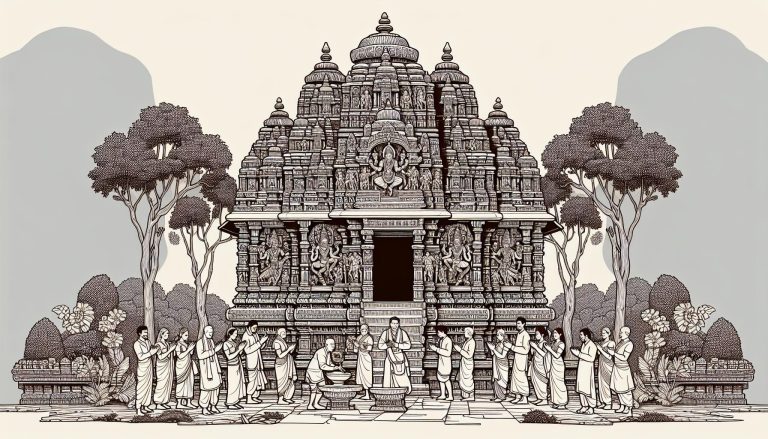
As I delved deeper into the Puranas, I discovered their profound impact on everything from religious practices to social norms. These texts don’t just recount mythological tales; they offer insights into the values and beliefs that have guided generations. Join me as we explore the fascinating world of Puranic influences and uncover their lasting legacy.
Understanding Puranic Influences
Puranas have significantly shaped religious practices. They contain detailed descriptions of rituals, deities, and festivals observed even today. For instance, the Bhagavata Purana elaborates on the life of Krishna, guiding devotees on celebrating Janmashtami. This text also offers narratives that influence worship methods.
Art owes much to Puranic narratives. Early sculptures and paintings often depict scenes from Puranas. For example, the Chola bronzes frequently feature gods and goddesses described in these texts, bridging visual art and mythology. Temples, adorned with intricate carvings, reflect Puranic themes.
Literature teems with Puranic themes. Poetry, drama, and prose often draw from these texts. Kalidasa’s works, like “Kumarasambhava,” show heavy Puranic influence. Modern authors continue this tradition, blending ancient stories with contemporary contexts.
Social norms derive principles from Puranic teachings. The Manusmriti, although a separate text, often aligns with Puranic ideals. Parameters for duty, morality, and community roles find roots in these ancient scriptures. Families follow traditions, believing in the societal models outlined.
Daily life patterns reflect Puranic teachings. From morning prayers to evening rituals, Puranic influence remains ubiquitous. Festivals like Diwali trace back to Puranic legends, intertwining with daily routines. Holy days see special observances directly linked to these ancient texts.
In today’s digital age, Puranas still play a role. Websites, apps, and online forums explore Puranic stories, making them accessible to a global audience. These platforms help preserve and spread the teachings, ensuring the traditions endure.
In essence, understanding Puranic influences provides a lens through which we can view the intertwining of mythology, culture, and daily life.
Historical Context of the Puranas
The Puranas, ancient Indian scriptures, hold significant historical value. Derived from diverse oral traditions, these texts provide a deep insight into the spiritual and cultural fabric of the time.
Formation and Compilation
30 Puranas exist, categorized into Mahapuranas and Upapuranas. Compilers created them over centuries, with contributions spanning the Gupta and post-Gupta periods (ca. 3rd to 6th century CE) in classical Sanskrit. Sages like Vyasa are credited for compiling these texts, drawing from stories and lessons handed down through generations. The formation wasn’t instantaneous, evolving through time to reflect societal changes and spiritual evolution.
Key Puranic Texts
Significant Puranic texts include the Vishnu Purana, Shiva Purana, and Devi Bhagavata Purana. Each focuses on specific deities and their influence on cosmic and earthly events. The Vishnu Purana details Lord Vishnu’s avatars like Krishna and Rama. The Shiva Purana explores Shiva’s many forms and mythological deeds. The Devi Bhagavata Purana centers on the Goddess, celebrating her manifestations like Durga and Kali. These texts, rich in legends, theological concepts, and moral teachings, shaped religious practices and philosophies for centuries.
Cultural and Social Impact
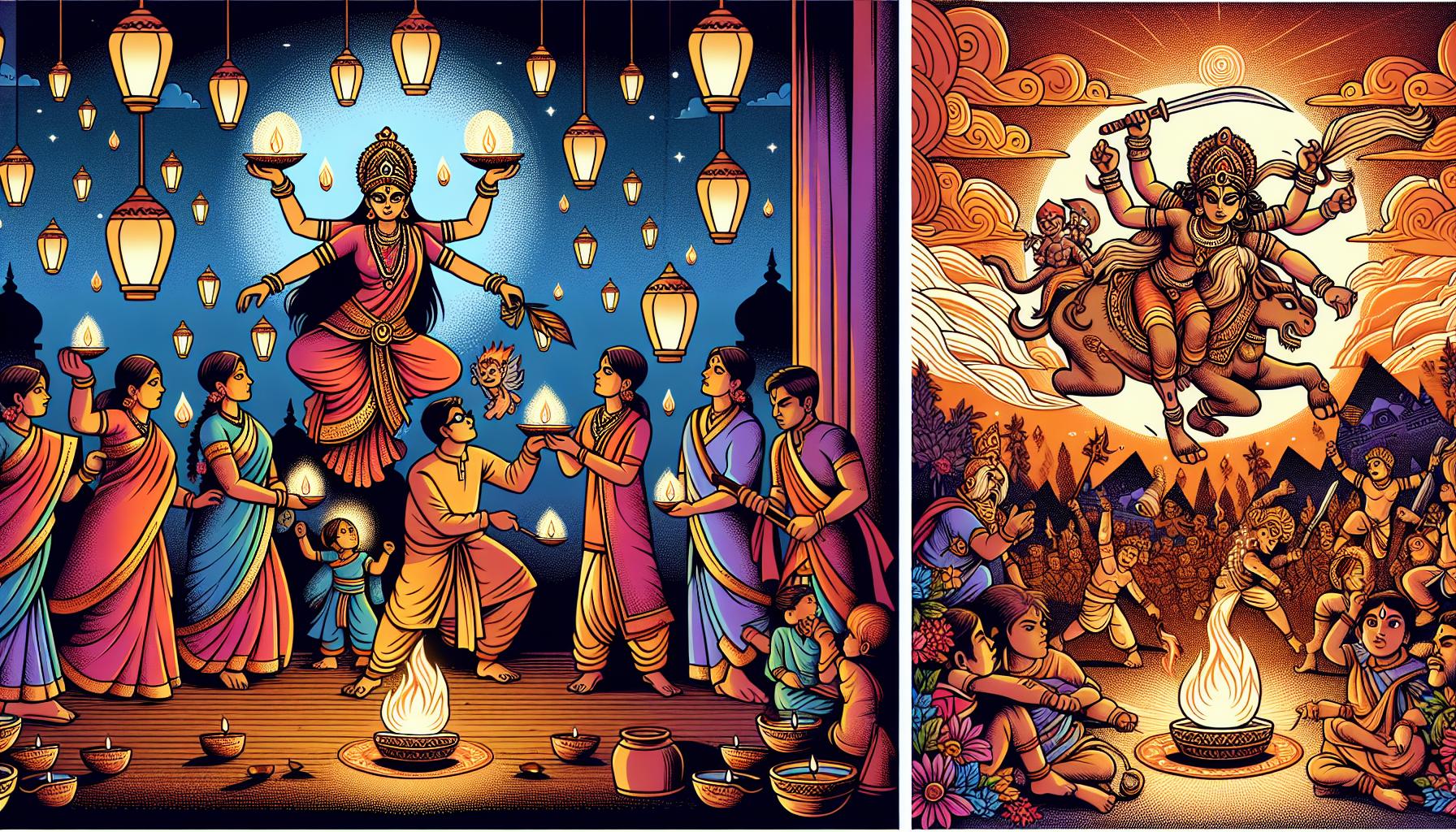
The Puranas have profoundly influenced cultural and social dynamics in Indian society. These scriptures provided a foundation for various traditions and myths that form an integral part of everyday life.
Influence on Traditions
Puranic texts shape numerous traditional practices. Festivals such as Diwali and Navratri draw from stories in these texts. Diwali celebrates the return of Lord Rama, a figure detailed in the Puranas, symbolizing victory over evil. Navratri revolves around tales of Goddess Durga’s triumph over Mahishasura – Buffalo Demon, as recounted in texts like the Devi Bhagavata Purana. Rituals, too, find roots in Puranic lore. The aarti, a form of devotional worship, stems from practices described in these scripts, highlighting their lasting relevance.
Myths and Legends
Myths and legends originating in the Puranas continue influencing societal values. Stories of gods like Vishnu, Shiva, and Saraswati imbue moral lessons and cultural ethos. The tale of Krishna’s childhood adventures teaches about righteousness and loyalty, with narratives from the Vishnu Purana. Similarly, the legend of Shiva’s dance emphasizes cosmic balance. Because of these stories, people integrate these values into their daily lives, reflecting Puranic influence on social norms and behaviors.
These tales, transmitted through generations, continue to shape cultural identity, ensuring the Puranas remain central to social consciousness.
Religious Significance
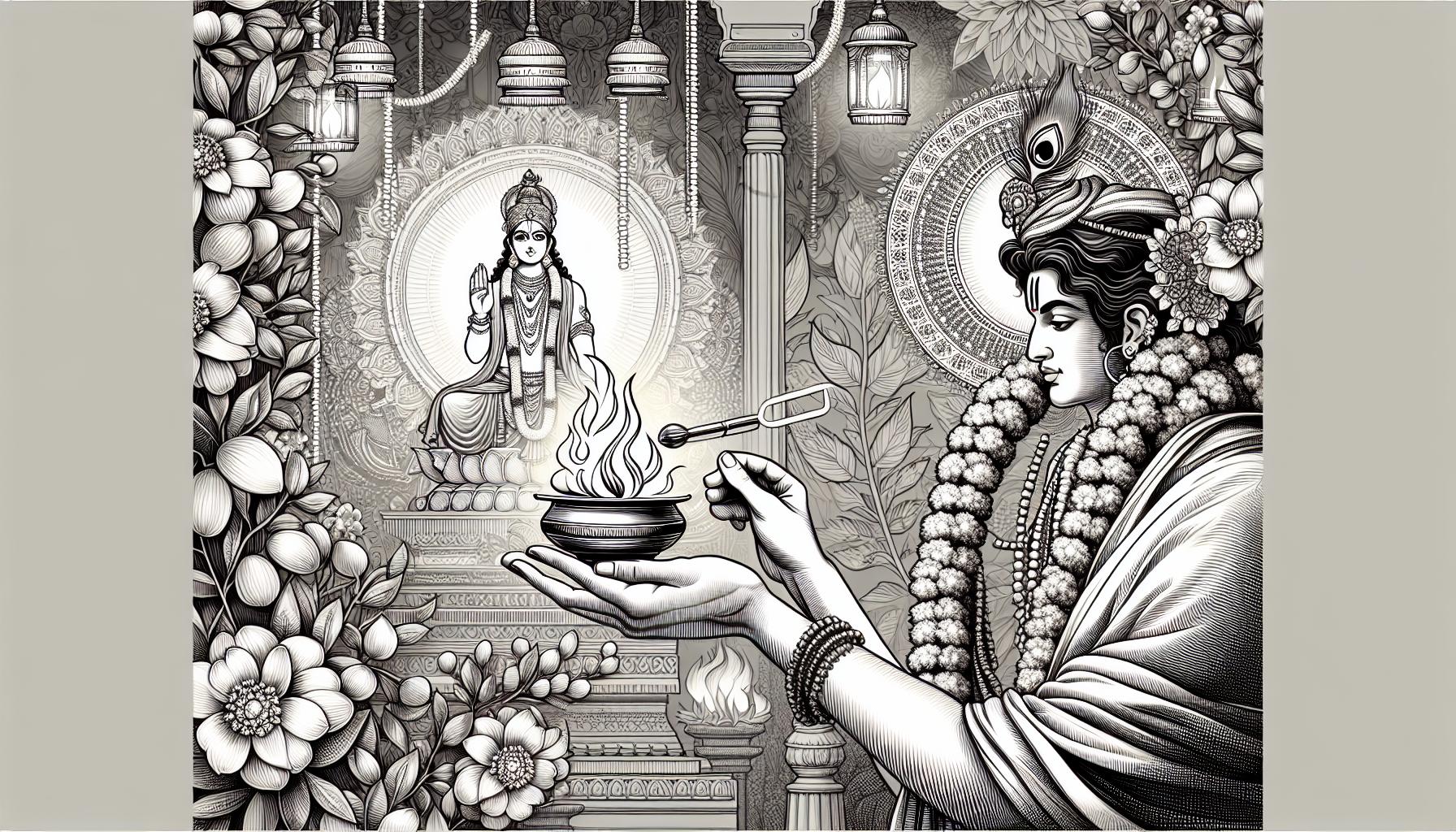
The Puranas significantly influence religious practices and beliefs in Hinduism. They shape various aspects of faith, from the worship of deities to specific ritual practices.
Deity Worship
Deity worship in Hinduism often draws directly from Puranic traditions. Devotees honor deities like Vishnu, Shiva, and Durga, who feature prominently in these ancient texts. Puranas provide detailed accounts of these gods’ myths, avatars, and divine actions. For example, the Bhagavata Purana is renowned for its stories of Lord Krishna, which inspire worship practices like Krishna Janmashtami. Through these narratives, Puranas help imbue deities with specific attributes and characteristics, forming the basis for various devotional practices.
Ritual Practices
Ritual practices in Hinduism, including aarti and yajna, find their origins in Puranic texts. Puranas outline the procedures and significance of these rituals. An aarti, a devotional ritual using fire, is commonly performed based on instructions found in these texts. Festivals like Navratri and Diwali, which involve extensive rituals, also trace their practices back to Puranic stories and guidelines. The consistency provided by these rituals helps ensure that cultural and religious traditions are preserved across generations.
Literary Contributions
Puranic texts have profoundly influenced Indian literature, enriching it with epic narratives and stories that continue to resonate. These texts, rich in mythological lore, have left an indelible mark on both ancient and modern literary works.
Epic Narratives
Puranic literature includes grand epic narratives that provide spiritual, philosophical, and moral guidance. These narratives often recount the deeds of gods, goddesses, and legendary heroes. The stories of the Mahabharata – The Great Epic and Ramayana, though primarily separate epics, find numerous references and expansions in the Puranas. The Bhagavata Purana, for instance, elaborates on the life of Krishna, depicting his childhood miracles and heroic exploits, which serve as the foundation for various literary works and devotional poetry. The puranic retellings offer nuanced details and alternate perspectives, enriching the understanding of these epic events.
Puranic Stories in Modern Literature
Modern literature draws extensively from puranic stories, blending traditional themes with contemporary contexts. Authors incorporate these ancient tales to explore universal themes of morality, duty, and destiny. For instance, R. K. Narayan’s “The Man-Eater of Malgudi” intertwines a local setting with mythological elements, delivering a narrative rich in cultural resonance. Contemporary writers like Amish Tripathi and Devdutt Pattanaik revitalize puranic myths by presenting them through modern storytelling techniques, making them accessible to today’s readers. This fusion not only preserves the ancient wisdom but also keeps it relevant in modern literary discourse.
Puranic influences permeate every layer of literary tradition, showcasing their timeless relevance and profound impact on Indian literature.
Conclusion
The enduring legacy of the Puranas is evident in the rich tapestry of Indian culture and literature. These ancient texts continue to shape religious practices, festivals, and social norms, reflecting their profound impact on Hinduism.
From the detailed narratives of deities and cosmic events to the moral and philosophical teachings, the Puranas offer timeless wisdom. Modern authors like R. K. Narayan and Amish Tripathi breathe new life into these stories, ensuring their relevance for contemporary audiences.
As we explore these ancient scriptures, we uncover layers of spiritual and cultural heritage that continue to influence and inspire. The Puranic influences remain a vital part of India’s literary and cultural identity, bridging the past with the present.
Sources & further reading
These themes are explored in greater depth across the following authoritative resources:
- Internet Sacred Text Archive, Mahabharata (Ganguli translation)
- Internet Sacred Text Archive, Ramayana of Valmiki
- Britannica, Mahabharata
- Britannica, Ramayana
- Bibek Debroy, The Mahabharata (10 vols., Penguin, 2010 to 2014)
External resources for further reading. Apam Napat is not affiliated with these publishers; citation does not imply endorsement.
Based on the classical texts of Hindu mythology, see our sources.