

I’ve always believed that our treatment of animals reflects our broader values as a society. By embracing ahimsa, we not only advocate for the humane treatment of animals but also promote a more compassionate world. Let’s explore how this timeless concept can guide our modern approach to animal rights.
Understanding Ahimsa
Ahimsa, a Sanskrit term, means non-violence or non-injury to all living beings. Rooted in ancient Indian philosophies, such as Hinduism, Buddhism, and Jainism, ahimsa promotes the idea that all life is sacred. It emphasizes compassion, tolerance, and respect.
Historical Context
Ahimsa has emerged as a critical doctrine. In Hinduism, it encourages the abstinence from harming any creature. Buddhism highlights it as a path to enlightenment, promoting kindness in every action. Jainism takes it further by advocating complete non-violence, including the smallest organisms.
Modern Interpretations
Modern society sees ahimsa as applicable to contemporary issues. It aligns with global efforts aimed at humane treatment of animals. Practicing ahimsa involves adopting a vegetarian or vegan lifestyle, supporting animal welfare organizations, and opposing factory farming.
Influences on Animal Rights
Ahimsa forms a philosophical foundation for animal rights advocacy. It argues for equal consideration of all sentient beings. This resonates with movements against animal cruelty, endorsing the ethical treatment of animals in research, entertainment, and agriculture.
Practical Applications
Embracing ahimsa means making conscious choices. Choosing cruelty-free products, supporting sustainable practices, and educating others about animal welfare are significant steps. By incorporating ahimsa, individuals play a role in creating a compassionate society respecting all life forms.
Ahimsa in Cultural Context

Ahimsa, a fundamental tenet of non-violence, is deeply embedded in various cultural and religious contexts. Its principles guide ethical conduct and humane treatment of animals in the traditions of Hinduism, Buddhism, and Jainism.
Ahimsa in Hinduism
In Hinduism, ahimsa is essential to ethical living. The Bhagavad Gita stresses non-violence as a paramount virtue, urging individuals to harm no being. Many Hindus practice vegetarianism, seeing it as an extension of their commitment to ahimsa. Modern proponents of Hinduism support animal rights, advocating for cruelty-free living.
Ahimsa in Buddhism
Buddhism views ahimsa as integral to the path of enlightenment. The first of the Five Precepts instructs Buddhists to “abstain from killing any living being.” This principle extends to a deep respect for animal life. Vegetarianism is common among Buddhists, with many advocating for animal rights and compassionate living as part of their spiritual practice.
Ahimsa in Jainism
Jainism places ahimsa at the core of its ethics, seeing it as the highest duty. Jains believe in an extreme form of non-violence, extending compassion to all living organisms. They practice strict vegetarianism and avoid activities harming any form of life. Jains exemplify dedication to ahimsa by promoting veganism and active animal rights advocacy.
Ahimsa’s cultural intertwining in these religions underscores its universal call for compassion, highlighting its relevance in contemporary debates on animal rights.
The Philosophical Basis of Ahimsa
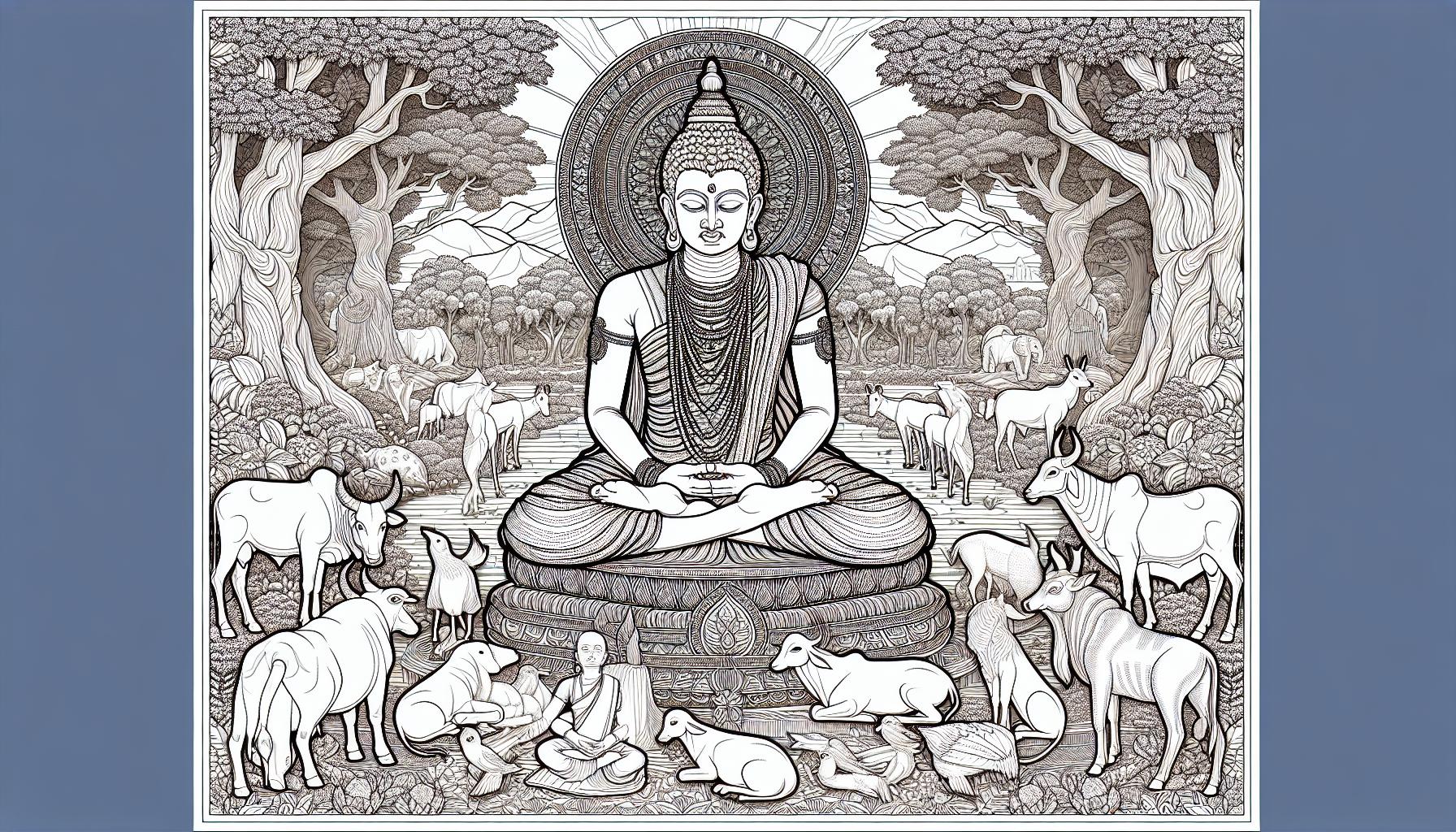
Ahimsa is grounded in the belief that every living being deserves to live free of harm. This philosophy extends beyond physical harm, encompassing mental and verbal non-violence. The principle asserts that when one being suffers, it affects the whole interconnected web of life.
Jainism champions ahimsa as a core ethical tenet. Practitioners adhere to strict vegetarianism and take extensive measures to avoid unintentionally harming even small insects. They believe that non-violence cultivates inner peace and fosters a compassionate society.
In Hinduism, ahimsa’s roots are found in scriptures like the Vedas and the Bhagavad Gita. Many Hindus practice vegetarianism as an expression of their commitment to non-violence, believing that all creatures have a divine aspect.
Buddhism integrates ahimsa as a foundational precept. The first of the Five Precepts advises against taking life, reflecting the belief that all beings have the potential for enlightenment. Buddhist teachings emphasize compassion, aspiring to alleviate the suffering of all sentient beings.
Ahimsa’s philosophical basis aligns closely with the contemporary animal rights movement, advocating for the humane treatment of animals in various fields including research and agriculture. By promoting non-violence, ahimsa contributes significantly to discussions on ethical living and cruelty-free practices.
Animal Rights and Ethical Considerations
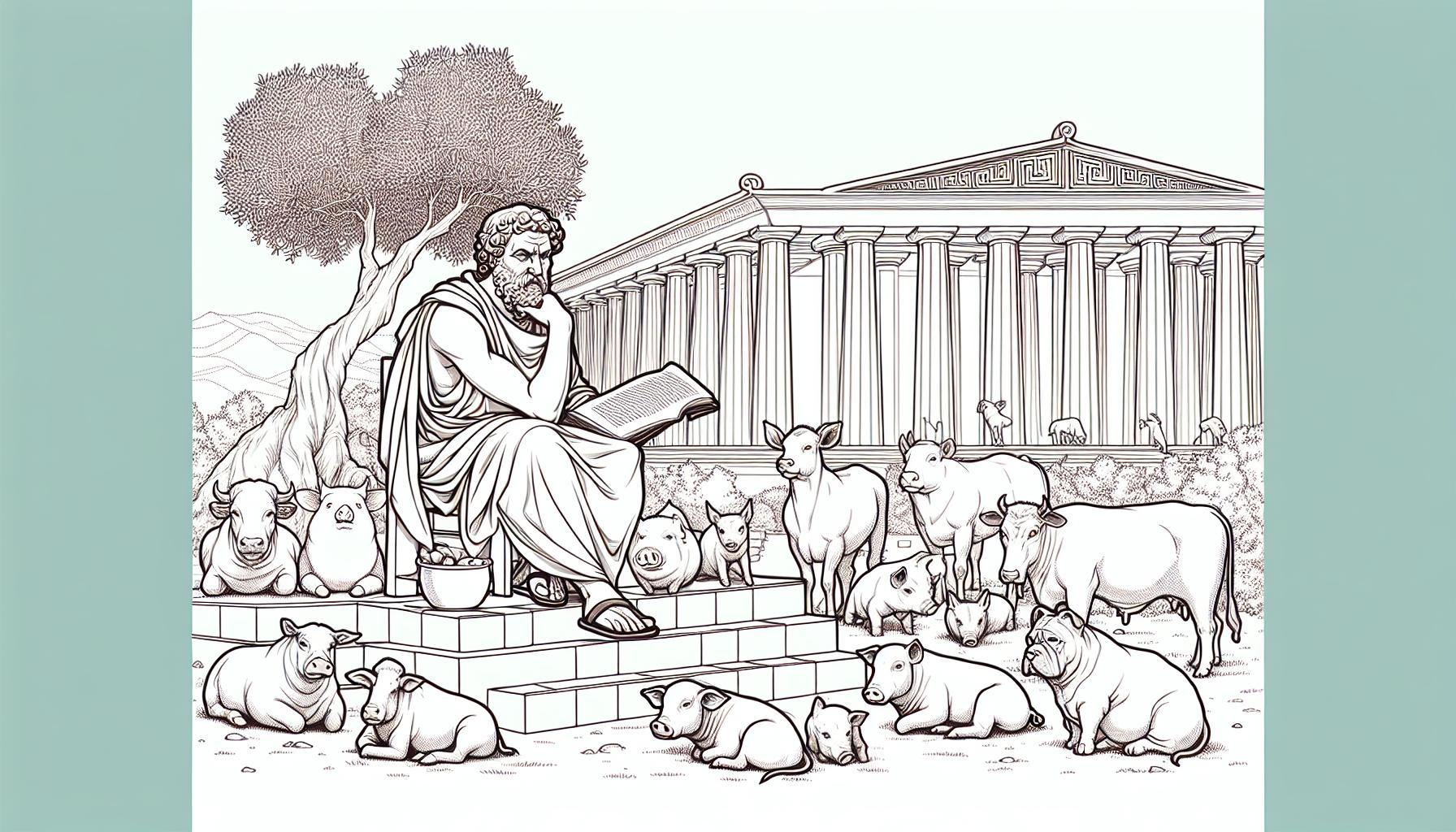
Animal rights movements emphasize ethical considerations towards animals. These movements find alignment with the ancient principle of ahimsa, which advocates for non-violence and compassion.
Historical Perspective on Animal Rights
Animal rights discussions date back to ancient civilizations. The philosopher Pythagoras (circa 570–495 BCE) argued that animals possess souls, advocating for their humane treatment. In the 17th century, René Descartes’s mechanistic view of animals as automata spurred debate, prompting ethical considerations on animal consciousness. The 19th century witnessed significant milestones with the emergence of animal welfare organizations, like the Royal Society for the Prevention of Cruelty to Animals (RSPCA) in 1824. These developments reflect a historical trend towards increasing empathy and ethical treatment of animals.
Philosophical Theories Supporting Animal Rights
Several philosophical theories support animal rights. Utilitarianism, led by Jeremy Bentham and Peter Singer, argues for the equal consideration of interests. They assert that the capacity to suffer grants animals the right to ethical treatment. Deontological ethics, championed by Immanuel Kant, proposes that beings should not be treated solely as means to an end. This ideology upholds that animals deserve respect for their intrinsic value. Ecofeminism links the exploitation of animals to broader social injustices, advocating for a more compassionate and ethical interaction with all living beings. These philosophical perspectives underpin contemporary animal rights advocacy, aligning with the principles of ahimsa.
Ahimsa and Modern Animal Rights Movements
Modern animal rights movements resonate deeply with the ancient principle of ahimsa. Leading figures and organizations draw upon this timeless doctrine to shape contemporary advocacy efforts.
Vegetarianism and Veganism
Vegetarianism and veganism are integral to modern animal rights movements, reflecting ahimsa. By abstaining from animal products, individuals minimize harm to living beings. In the United States, approximately 9.7 million people identify as vegan or vegetarian, following this path of non-violence (Source: Vegetarian Resource Group, 2022). Organizations like Vegan Outreach and The Vegetarian Society promote plant-based diets to reduce animal suffering, aligning with ahimsa by advocating for compassionate eating habits.
Advocacy and Activism
Advocacy and activism efforts within animal rights movements employ the principles of ahimsa. Groups like People for the Ethical Treatment of Animals (PETA) and the Humane Society International publicly address cruelty and push for legislative change. These organizations use peaceful protests, public awareness campaigns, and educational programs to advance animal welfare. Influential activists, such as Peter Singer and Ingrid Newkirk, engage in non-violent strategies to advocate for animals, embodying the spirit of ahimsa by fostering a more compassionate relationship between humans and animals.
Case Studies of Ahimsa in Action
Gandhi’s Nonviolent Campaigns
Mahatma Gandhi’s adherence to ahimsa extended beyond human relations to include animal welfare. In his campaigns, Gandhi often spoke against animal cruelty and promoted vegetarianism as an essential practice of ahimsa. For example, when Gandhi led the movement for Indian independence, his philosophy of nonviolence wasn’t limited to political struggle but also encompassed compassion towards animals. He argued that nonviolence toward animals was crucial for a peaceful and just society.
Jain Monks and Compassionate Living
Jain monks exemplify the principle of ahimsa through their rigorous lifestyle, which avoids harm to any living being. They carry a broom to gently sweep the ground before them to avoid stepping on insects. Also, they observe strict vegetarianism, avoiding root vegetables to prevent harm to microorganisms. Their daily practices offer a living case study of ahimsa in action, demonstrating how ancient principles can manifest in modern life.
Vegan Outreach Organizations
Organizations like Vegan Outreach focus on promoting plant-based diets, aligning closely with the principles of ahimsa. These organizations distribute literature and run campaigns to educate people on the benefits of veganism, both for animal welfare and environmental sustainability. For instance, Vegan Outreach has influenced thousands to adopt vegan diets, reducing harm to animals and embodying ahimsa through proactive educational efforts.
The Bishnoi Community
The Bishnoi community in Rajasthan, India, adheres to a lifestyle deeply rooted in ahimsa. Known for their environmental and animal conservation efforts, this community refuses to harm animals or chop down living trees. They have even been known to sacrifice their lives to protect wildlife, as seen in the Amrita Devi Bishnoi case, where 363 Bishnois died shielding trees from being felled. Their commitment serves as a powerful testament to living nonviolently.
Ahimsa Milk Movement
The Ahimsa Milk movement in the UK advocates for ethical dairy farming practices, ensuring that no harm comes to animals in milk production. This initiative aligns with the principles of ahimsa by treating cows with respect and care, avoiding practices such as forced breeding or early separation of calves from mothers. By supporting such dairy practices, adherents can enjoy dairy products without compromising their commitment to nonviolence.
Conclusion
Ahimsa’s timeless principles offer a profound framework for modern animal rights movements. By embracing non-violence in our daily choices we can create a ripple effect of compassion and interconnectedness. Ethical treatment of animals isn’t just a moral imperative; it’s a pathway to a more humane and sustainable world. Through vegetarianism veganism and mindful living we can honor the spirit of ahimsa and contribute to a kinder planet. Let’s take inspiration from ancient wisdom and contemporary advocates to make compassionate choices that benefit all living beings.
Sources & further reading
These themes are explored in greater depth across the following authoritative resources:
- Stanford Encyclopedia of Philosophy, Hindu Philosophy
- Britannica, Dharma
- Britannica, Karma
- Internet Sacred Text Archive, Bhagavad Gita
- A. K. Ramanujan, Speaking of Siva (Penguin Classics, 1973)
External resources for further reading. Apam Napat is not affiliated with these publishers; citation does not imply endorsement.
Frequently asked questions
What does Ahimsa mean?
How does Ahimsa apply in Hinduism, Buddhism, and Jainism?
How does Ahimsa relate to animal rights?
What lifestyle choices align with Ahimsa today?
Based on the classical texts of Hindu mythology, see our sources.