
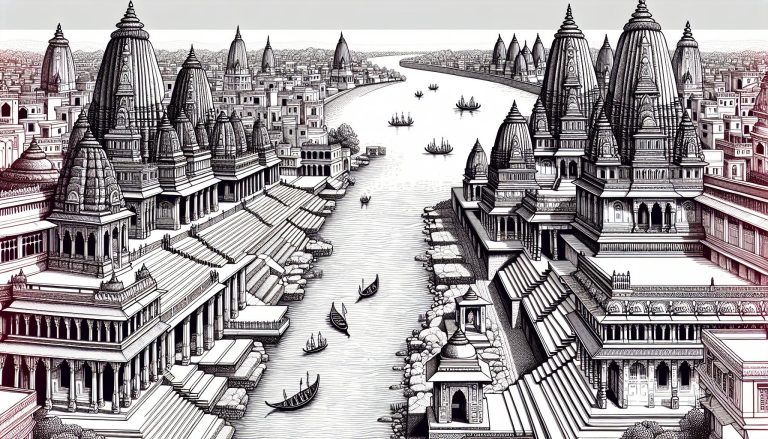
In my journey to uncover the rich lore of Ayodhya, I found myself immersed in stories of divine kings, epic battles, and timeless wisdom. From the revered epic of the Ramayana – Epic of Hinduism, where Ayodhya serves as the backdrop for Lord Rama’s adventures, to historical accounts that paint a vivid picture of its past, Ayodhya’s lore is a treasure trove waiting to be explored. Join me as we delve into the enchanting world of Ayodhya, where history and mythology seamlessly intertwine.
Historical Background Of Ayodhya Kingdom
Ancient Period
Ayodhya served as the capital of the Kosala Kingdom, ruled by King Dasharatha, father of Lord Rama in Hindu mythology. This lineage and its stories are vividly captured in the epic Ramayana. During the 6th-5th centuries BCE, Shravasti became the kingdom’s capital, though Ayodhya continued to hold importance. Many scholars believe Ayodhya is the same as Saketa, where Buddha resided for some time.
Medieval Period
Ayodhya flourished as a Buddhist center during the Maurya and Gupta Dynasties. These periods saw the construction of numerous Buddhist monasteries and stupas. The continuity of its historical essence was maintained even in the 16th century. During the Mughal era, Emperor Babur built the Babri Masjid in Ayodhya. This site became emblematic of both religious coexistence and contention.
Legendary Origins And Mythology
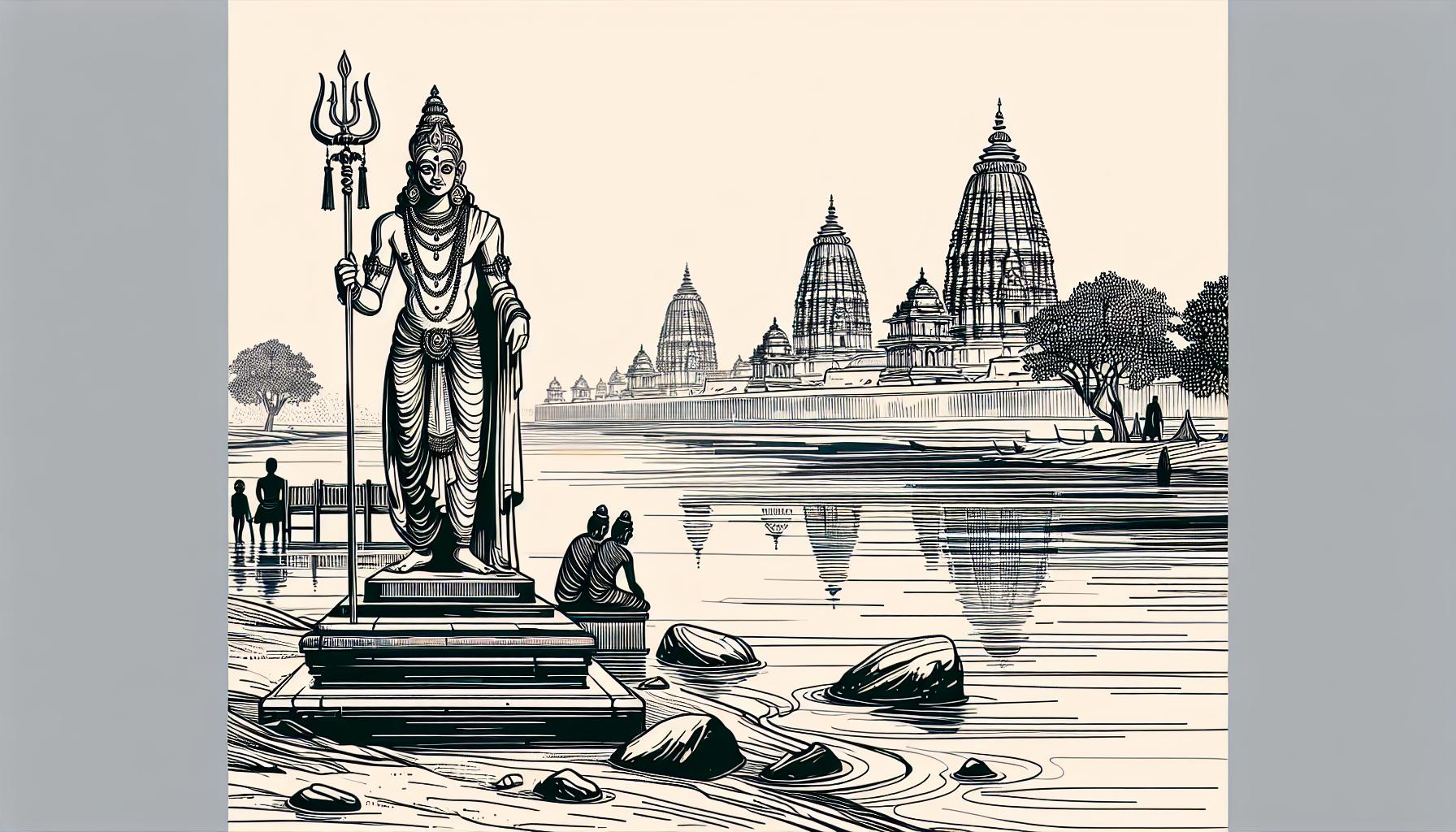
Ayodhya, a city of immense historical and mythological significance, is deeply rooted in the lore of ancient India. Its legends, primarily stemming from the epic Ramayana, have captivated generations.
Birthplace Of Lord Rama
Ayodhya holds unparalleled reverence as the birthplace of Lord Rama. Rama was born to King Dasharatha and Queen Kaushalya by divine intervention to battle the demon king Ravana – The Demon King. His birth, celebrated with great fervor, marks a pivotal moment in Hindu mythology. Pilgrims visit the Ram Janmabhoomi to pay homage to this sacred event.
Significance In The Ramayana
The Ramayana, one of Hinduism’s grandest epics, places Ayodhya at its heart. As the capital of the Kosala Kingdom, Ayodhya witnessed several key events of Rama’s life. From his idyllic childhood, his exile, Sita’s abduction, and eventual triumphant return, Ayodhya’s landscapes are etched with his heroic tales. Each site in the city serves as a testament to these epic occurrences, drawing devotees and history enthusiasts alike.
Monuments And Relics
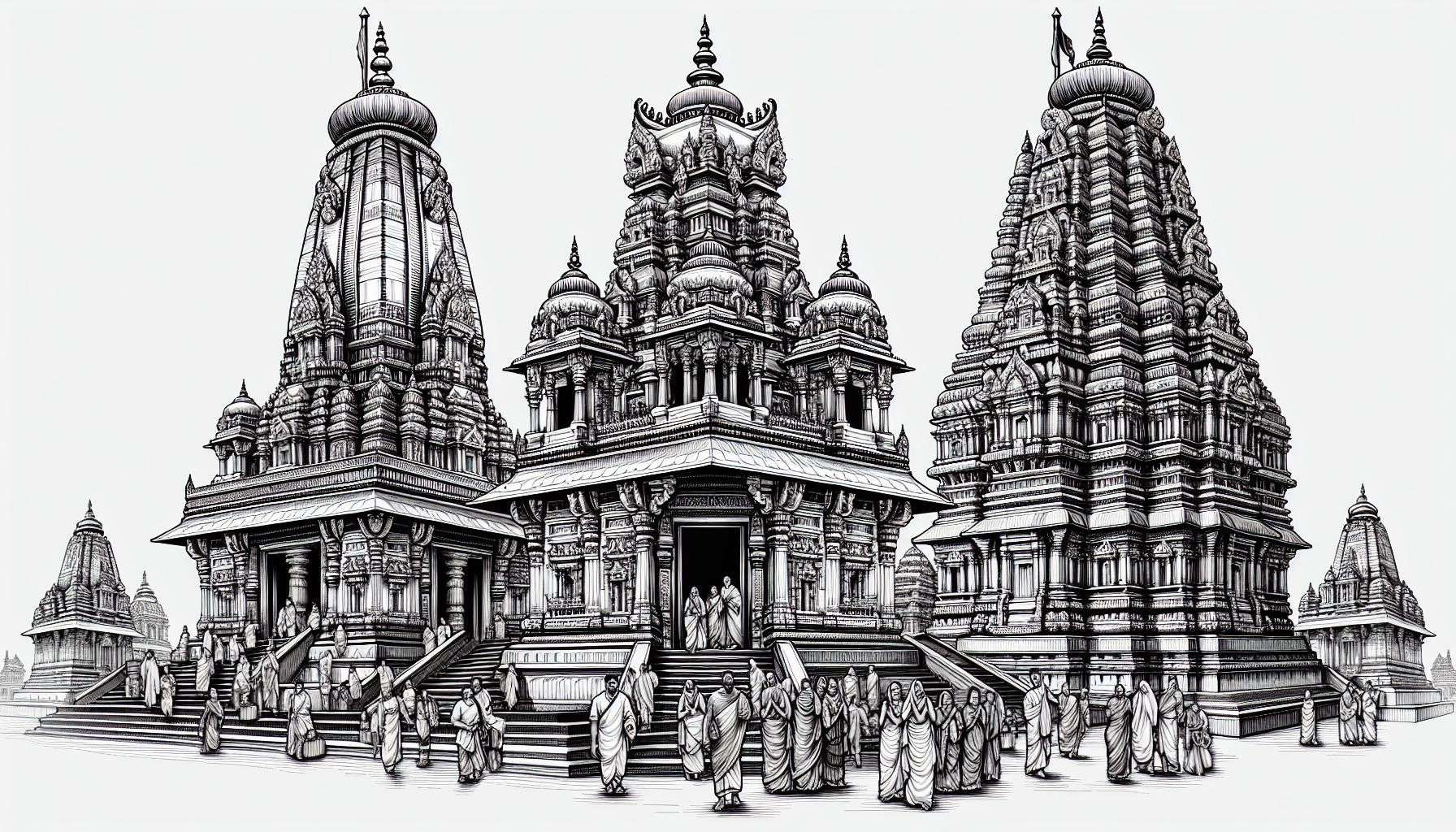
Ayodhya’s monuments and relics add further mystique to its rich history and mythology. Several significant sites hold symbolic and spiritual value.
Ram Janmabhoomi
Ram Janmabhoomi, meaning “Birthplace of Lord Rama,” stands as one of Ayodhya’s most revered sites. Many devotees regard this site as the birthplace of Lord Rama, based on the epic Ramayana. The site has witnessed historical conflicts, notably when the Babri Masjid was built by Emperor Babur in the 16th century.
Ancient Temples And Sites
Ayodhya hosts numerous ancient temples reflecting its historical and religious legacy. Among them is the Hanuman Garhi, a temple dedicated to Hanuman, the devoted follower of Lord Rama. Built in the 10th century, this temple remains a prominent pilgrimage site.
Kanak Bhawan, another noteworthy temple, offers a magnificent view with its gold-plated structure. It’s believed to be a gift from Queen Kaikeyi – Mother of Bharata of the Ramayana to Sita. Nageshwarnath Temple, dedicated to Lord Shiva – The Destroyer, is linked to Rama’s son Kush and draws visitors seeking divine blessings.
Cultural And Religious Impact

Ayodhya stands as one of Hinduism’s seven sacred cities, holding deep connections to the Ramayana and beyond. Its cultural and religious significance spans through various traditions and belief systems.
Ayodhya In Hindu Rituals And Festivals
Ayodhya plays a vital role in numerous Hindu rituals and festivals. Devotees flock to the city during Ram Navami, celebrating Lord Rama’s birth with processions and devotional songs. Diwali, the festival of lights, marks Rama’s return to Ayodhya after his exile, with the city illuminated in his honor. Additionally, large-scale recitations of the Ramayana occur during these festivals, reaffirming Ayodhya’s revered place in Hindu worship.
Influence On Indian Literature And Arts
Ayodhya’s influence permeates Indian literature and arts. The Ramayana, authored by Valmiki – Composer of Ramayana, immortalizes the city and its lore. Classical dances like Bharatanatyam and Kathak often depict scenes from Rama’s life. Paintings, particularly in the Pahari and Madhubani styles, frequently feature Ayodhya’s landscapes and events from the epic. The city’s symbolism continues to inspire contemporary literary and artistic expressions, maintaining its relevance in Indian culture.
Modern Interpretations And Studies
Modern interpretations and studies of Ayodhya blend archaeological findings with scholarly research, offering deeper insights into its cultural heritage. These efforts reveal new dimensions of Ayodhya’s significance in historical and contemporary contexts.
Recent Archaeological Discoveries
Recent archaeological discoveries in Ayodhya have shed light on the city’s ancient past. Excavations conducted by the Archaeological Survey of India (ASI) uncovered artifacts, structures, and temple remains dating back to the early medieval period. These findings support the city’s historical narrative documented in the Ramayana. For instance, researchers found terracotta figurines, pottery fragments, and ancient inscriptions that verify Ayodhya’s continual habitation. Additionally, the discovery of urban planning elements like drainage systems and pavement stones points to an advanced settlement layout, emphasizing Ayodhya’s historical sophistication.
Scholarly Work And Research
Scholarly work on Ayodhya has extensively examined the intersection of archaeology, history, and religion. Researchers investigate how archaeological findings align with textual evidence from ancient scriptures. Scholars from institutions like Jawaharlal Nehru University and Banaras Hindu University publish studies that explore Ayodhya’s religious significance and its role in Hindu nationalism. For example, studies analyze how excavation results have been interpreted to bolster claims related to the Ayodhya dispute. Further research focuses on urban governance and heritage, highlighting the need for inclusive strategies to manage Ayodhya’s cultural assets sustainably. This work suggests that combining historical authenticity with modern conservation techniques ensures the preservation of Ayodhya’s legacy for future generations.
Conclusion
Ayodhya’s rich tapestry of history and mythology continues to captivate scholars and devotees alike. Its profound impact on literature art and religion underscores its timeless cultural significance. Modern archaeological findings and scholarly research further illuminate Ayodhya’s storied past and its enduring legacy. As we strive to preserve this heritage it’s essential to balance reverence for tradition with sustainable practices ensuring Ayodhya remains a beacon of cultural and historical importance for future generations.
Sources & further reading
These themes are explored in greater depth across the following authoritative resources:
- Internet Sacred Text Archive, Mahabharata (Ganguli translation)
- Internet Sacred Text Archive, Ramayana of Valmiki
- Britannica, Mahabharata
- Britannica, Ramayana
- Bibek Debroy, The Mahabharata (10 vols., Penguin, 2010 to 2014)
External resources for further reading. Apam Napat is not affiliated with these publishers; citation does not imply endorsement.
Based on the classical texts of Hindu mythology, see our sources.