

Understanding maya isn’t just about grasping a philosophical idea; it’s about recognizing the layers of illusion that cloud our perception. Enlightenment, on the other hand, represents the awakening from this dream, a profound shift in awareness that reveals the ultimate truth. In this journey from illusion to enlightenment, we uncover the deeper meanings of existence and our place in the universe.
Understanding Maya
Maya, in Eastern philosophies, represents the illusion that distorts our perception of reality. This concept is vital for anyone on the path to enlightenment. It’s not just a simple illusion but a complex layer of perceived truths that conceal the ultimate reality.
The Concept of Illusion in Maya
Illusion in maya isn’t merely a trick of the senses; it encompasses deep-seated beliefs and perceptions that shape our understanding. For example, the belief in a separate self creates a duality that obscures our oneness with the universe. Recognizing this helps dismantle these illusions.
Layers of Maya
Maya works on multiple levels. On the personal level, it distorts our self-identity and desires. On a societal level, it manifests through cultural norms and expectations. Unpacking these layers is essential to see the underlying truth. For instance, societal success often distracts from deeper spiritual truths.
Breaking Through Maya
To break through maya, one adopts practices that disrupt habitual patterns and open awareness. Meditation, mindfulness, and self-inquiry are common techniques. These practices reveal the transient nature of thoughts and perceptions, helping to pierce through the veil of maya. Each practice chips away at the illusions that obscure true understanding.
The Role of Wisdom
Wisdom, or prajna in Sanskrit, plays a critical role in understanding maya. It involves discerning reality from illusion through direct experience. When combined with compassion and ethical living, wisdom aids in dissolving the layers of maya. The mind, once clouded by illusion, starts perceiving the world more clearly.
By grasping these aspects of maya, one comes closer to enlightenment. The journey involves dismantling the illusions that confine us, revealing a more profound connection to the universe. Each step in understanding maya brings us nearer to uncovering the ultimate truth.
Philosophical Perspectives on Maya
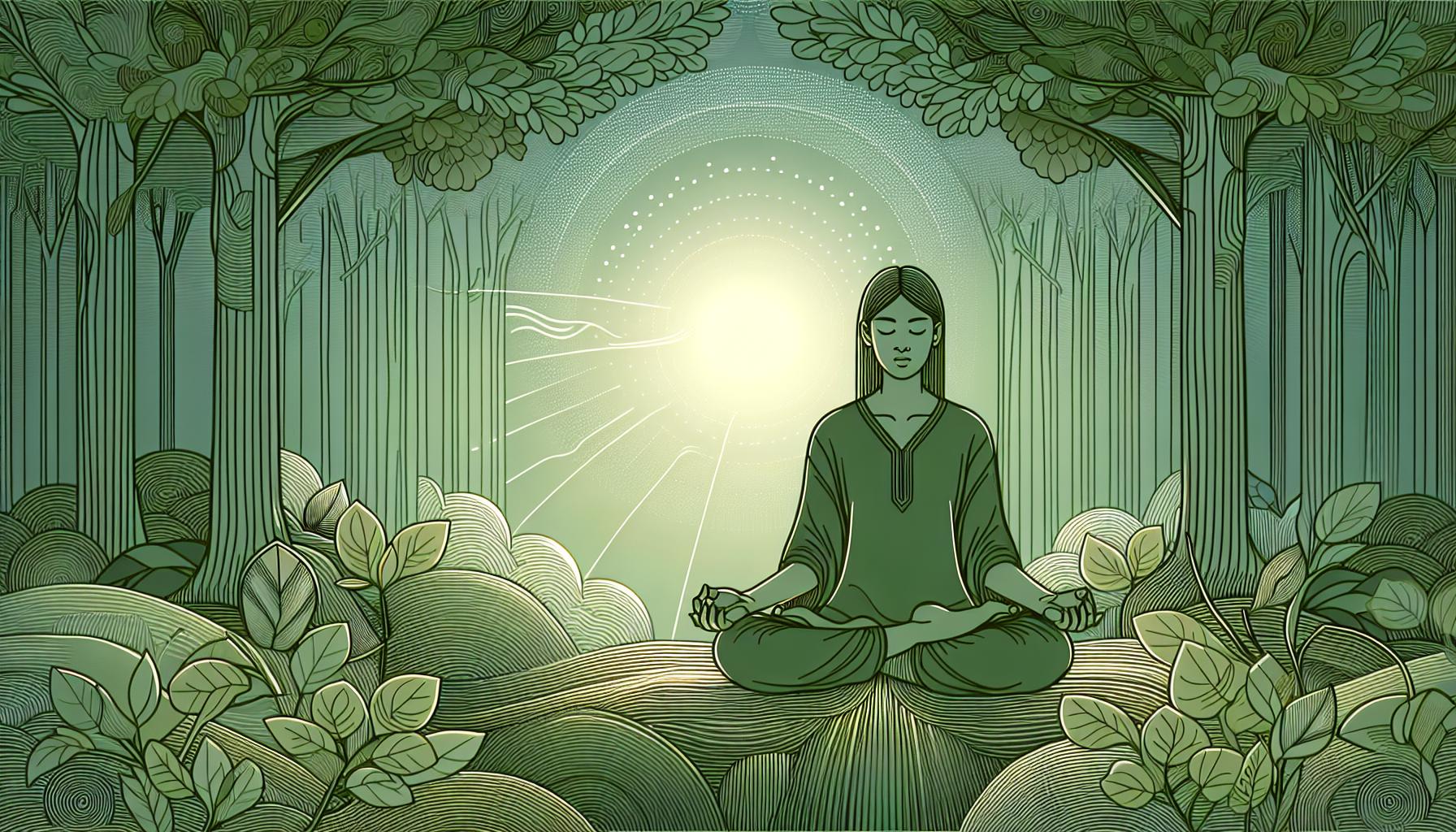
Maya, a profound concept in Eastern philosophies, has been interpreted through various philosophical lenses. Two prominent perspectives come from Vedic and Buddhist traditions.
Vedic Interpretations
In Vedic philosophy, maya signifies the cosmic illusion that shapes one’s perception of reality. The ancient texts describe it as the force that veils the true nature of the self and the universe. According to the Upanishads, Brahman – The Supreme Truth (the ultimate reality) manifests the world through maya, making the temporal world appear separate and distinct from the eternal.
Practices like Jnana Yoga (path of knowledge) help uncover the layers of maya. By engaging in deep meditation and scriptural study, individuals can transcend illusions and realize the non-duality (Advaita) of existence. Understanding and experiencing Brahman means recognizing that life’s dualities—pleasure and pain, success and failure—are mere projections of maya.
Buddhist Views
Buddhist philosophy offers a different angle on maya, focusing on its role in perpetuating ignorance and suffering. Maya in Buddhism refers to the deceptive nature of all phenomena, maintaining that everything is transient and void of inherent existence (anatta). The Buddha taught that attachment to such illusory appearances leads to the cycle of suffering (samsara).
The practice of Vipassana (insight meditation) allows practitioners to see through the illusions of impermanent phenomena, recognizing the impermanence (anicca), suffering (dukkha), and non-self (anatta) of all conditioned things. Through this realization, one can attain enlightenment (nirvana), breaking free from the cycle of rebirth and suffering by truly understanding the nature of maya.
By comprehending these philosophical perspectives, one can better appreciate how different traditions view and tackle the illusion of maya to achieve enlightenment.
Enlightenment in Different Traditions
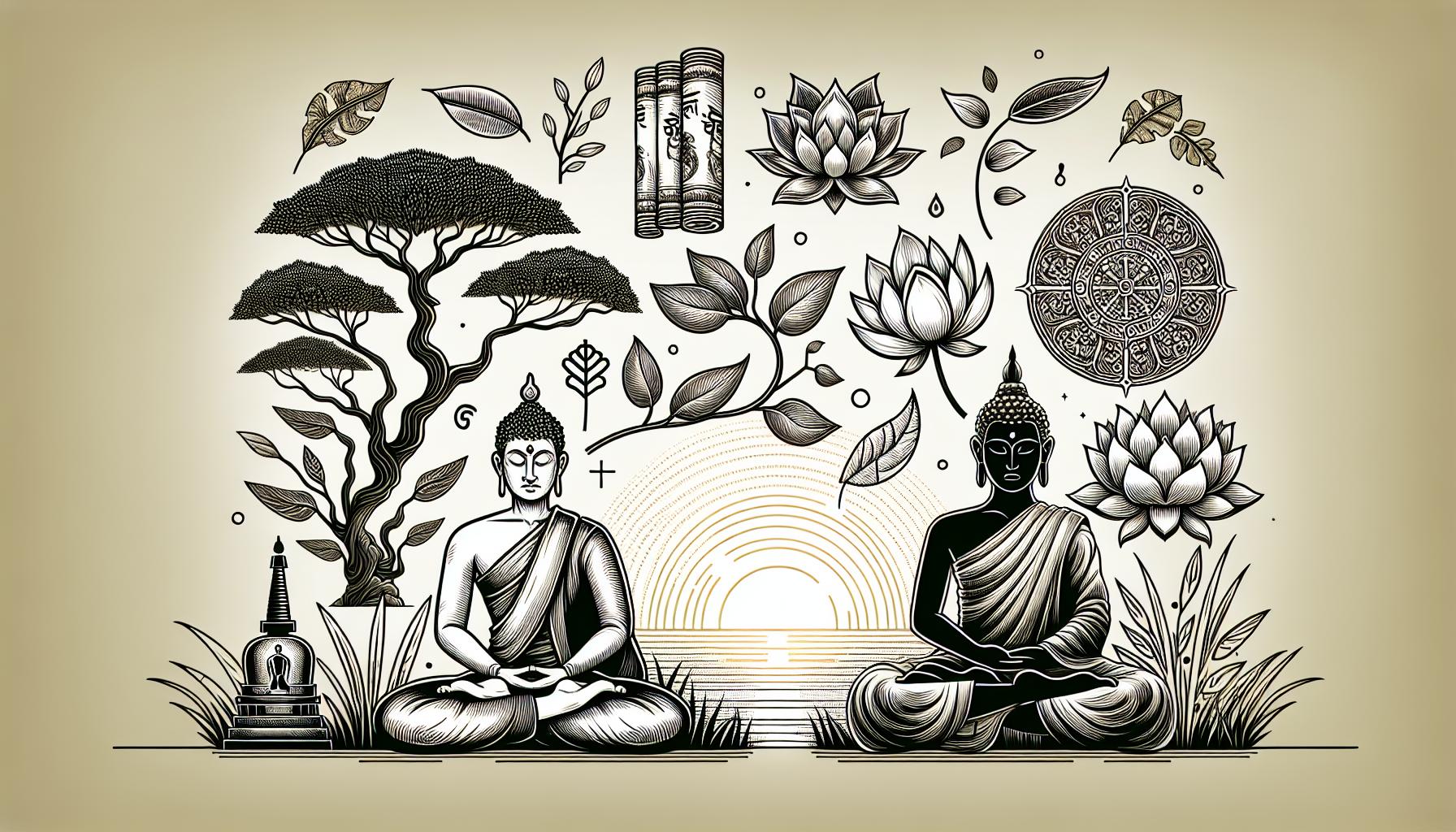
Enlightenment represents the ultimate spiritual goal across various traditions. While the path varies, the essence remains the quest for profound understanding and liberation.
Hindu Approach to Enlightenment
In Hinduism, enlightenment, or moksha, signifies the soul’s liberation from the cycle of birth and rebirth (samsara). Practices leading to moksha include:
- Jnana Yoga: This path involves deep study of scriptures and self-reflection to distinguish between the transient and the eternal.
- Bhakti Yoga: Involves devotion to a personal deity, fostering a deep, loving connection that transcends the ego.
- Karma Yoga: Emphasizes selfless action performed without attachment to outcomes, purifying the mind and spirit.
- Raja Yoga: Combines meditation and ethical living to control the mind and connect with higher consciousness.
Each practice aims to dissolve ignorance and self-identification with the physical world, revealing the true nature of the self (Atman – The Soul) and its unity with the supreme reality (Brahman).
Buddhist Path to Enlightenment
In Buddhism, enlightenment, or Nirvana, is the cessation of suffering and the end of the cycle of death and rebirth. Key elements on the path to Nirvana include:
- Four Noble Truths: A framework for understanding the nature of suffering and the path to its cessation.
- Eightfold Path: A practical guideline comprising right understanding, intention, speech, action, livelihood, effort, mindfulness, and concentration.
- Meditation Practices: Techniques like mindfulness (vipassana) and concentration (samatha) to cultivate awareness and insight.
- Understanding Impermanence: Recognizing that all phenomena are transient, aiding in the detachment from desires and ego.
Through these concepts and practices, Buddhists aim to extinguish the flames of ignorance, craving, and aversion, leading to a state of liberation and profound peace.
The Interplay between Maya and Enlightenment
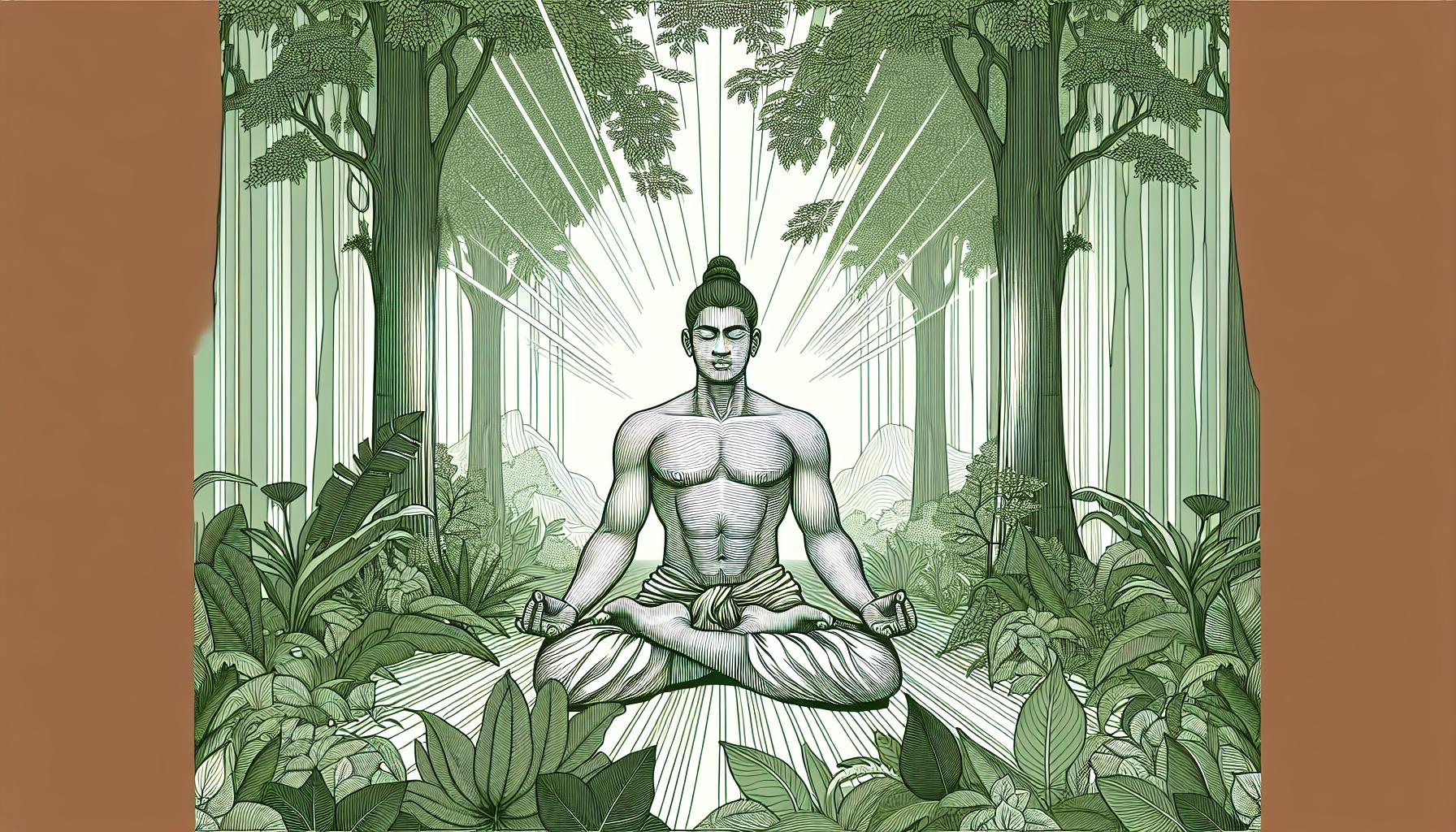
Maya and enlightenment represent opposite poles in Eastern philosophies. While maya clouds perception, enlightenment clears it, enabling true understanding.
Overcoming Illusion
Overcoming maya involves recognizing it as an illusion. In Hinduism, practitioners engage in Jnana Yoga to discern the real from the unreal. By cultivating knowledge through scriptures and meditation, they peel away layers of illusion. In Buddhism, the concept of maya ties to ignorance. Meditation practices like Vipassana help perceive impermanence, dismantling the illusion of a permanent self.
Achieving Spiritual Awareness
Achieving spiritual awareness requires a disciplined path. In Hinduism, Bhakti Yoga fosters devotion, connecting with the divine beyond maya. Through intense love for the supreme, practitioners transcend illusions. In Buddhism, practices like mindfulness meditation pave the way to enlightenment, focusing on present experiences to cultivate awareness and dispel ignorance. Both traditions highlight that through dedicated practice, enlightenment, the antithesis of maya, becomes attainable.
Personal Experiences and Anecdotes
In my journey toward understanding maya, I encountered numerous challenges. During a month-long meditation retreat, I practiced Vipassana, attempting to see things as they truly are. The focused silence and intensive meditation helped me observe the transient nature of thoughts and emotions. For the first time, I glimpsed how deeply ingrained illusions clouded my perception.
Reading sacred texts like the Bhagavad Gita and the Dhammapada also contributed to my understanding. While studying them, I noted recurring themes about the illusory nature of the material world and the importance of inner awareness. These texts provided a blueprint for discerning reality from illusion.
Meeting spiritual teachers further solidified my grasp on maya. In a series of lectures by a renowned Swami, I learned about Jnana Yoga and its techniques for attaining wisdom. His discussions on the interconnectedness of self and the universe made abstract concepts more tangible. Similarly, a Buddhist monk’s teaching on mindfulness meditation offered practical steps to develop detachment from worldly illusions.
Interacting with fellow seekers brought invaluable perspectives. In group discussions, we shared personal stories of disillusionment and breakthroughs. These exchanges highlighted common struggles, revealing the universality of overcoming maya.
Overall, combining personal practice, textual study, mentorship, and community dialogue deepened my understanding of maya and its role in the pursuit of enlightenment.
Implications for Modern Spiritual Practice
Modern spiritual practice adapts ancient teachings on maya and enlightenment to contemporary lifestyles. Integrating these concepts into daily life requires balancing work, relationships, and spiritual pursuits.
Mindfulness in Everyday Activities
Incorporating mindfulness is essential for uncovering maya in routine tasks. Practicing presence during mundane activities such as washing dishes or commuting helps reveal the illusions created by the mind, leading to heightened awareness and clarity. I find setting short, frequent reminders to focus on my breath or current activity reinforces this practice.
Digital Detox
Engaging in periodic digital detoxes assists in combating the maya of constant connectivity. Staying away from screens even for a few hours can significantly reduce mental clutter and stress. Regular breaks from technology foster deeper connections with one’s inner self, offering a clearer perspective on reality versus illusion. I schedule specific times for digital detox, aligning them with meditation sessions to maximize the benefits.
Community and Support Systems
Joining spiritual communities provides valuable support and shared wisdom. Group meditations, discussions, and retreats offer collective energy that enhances individual efforts to transcend maya. Engaging with peers who share similar goals accelerates personal growth and enlightenment. I actively participate in local meditation groups and online forums dedicated to spiritual practice.
Adapting Ancient Wisdom
Applying ancient teachings creatively ensures their relevance in modern contexts. Utilizing contemporary language and examples makes these concepts more accessible. Translating traditional doctrines into actionable steps for today’s world preserves their essence. I often reinterpret sacred texts and teachings, finding ways to relate them to my current experiences and challenges.
Consistent Practice
Commitment to consistent practice is crucial for progress. Whether through meditation, yoga, or study of sacred texts, maintaining regularity solidifies understanding and promotes spiritual growth. I dedicate specific times each day for my practices, ensuring they become integrated into my life rhythm.
Implementing these facets into daily life bridges ancient wisdom with modern existence, supporting spiritual growth amid contemporary challenges.
Conclusion
Understanding maya and enlightenment offers profound insights into our spiritual journey. By integrating ancient wisdom with modern practices like mindfulness and digital detox we can navigate the complexities of contemporary life. Consistent practice and community support play crucial roles in maintaining our path toward enlightenment. Embracing these teachings helps us cultivate a balanced and fulfilling spiritual life.
Sources & further reading
These themes are explored in greater depth across the following authoritative resources:
- Stanford Encyclopedia of Philosophy, Hindu Philosophy
- Britannica, Dharma
- Britannica, Karma
- Internet Sacred Text Archive, Bhagavad Gita
- A. K. Ramanujan, Speaking of Siva (Penguin Classics, 1973)
External resources for further reading. Apam Napat is not affiliated with these publishers; citation does not imply endorsement.
Based on the classical texts of Hindu mythology, see our sources.