
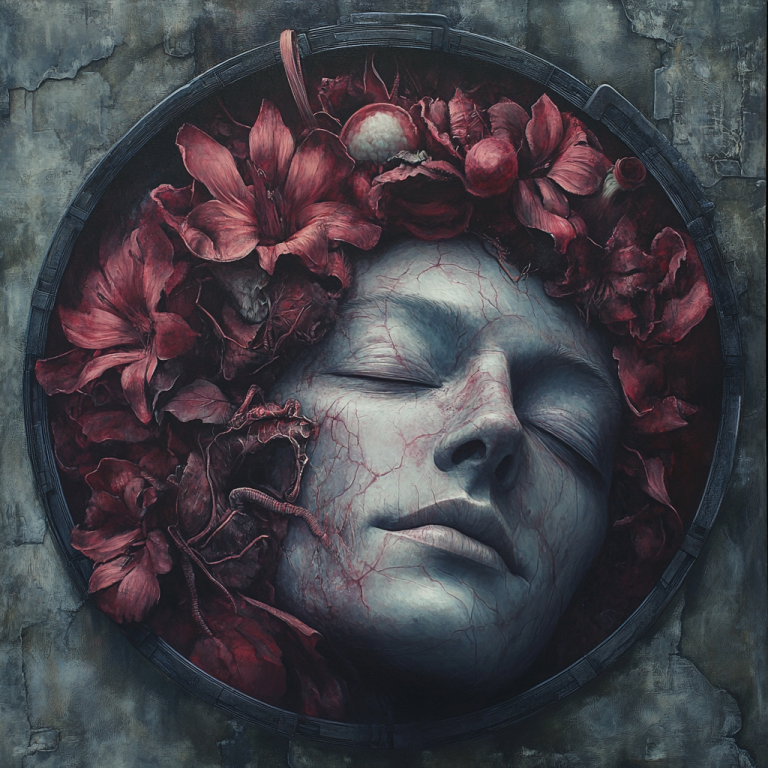
Soma holds a multifaceted role in Hindu mythology and Vedic tradition. Soma is not only another name for Chandra, the Moon God, but also the name of the sacred intoxicating drink offered to the Vedic Gods during rituals. The Rig Veda, one of the oldest sacred texts of Hinduism, often addresses Soma as a separate deity, imbuing the drink with divine attributes and elevating its significance as both a substance and a celestial being.
Soma as the Moon
In Hindu cosmology, Soma or Chandra represents the Moon, a celestial body revered for its influence over life, growth, and emotions. As one of the Navagrahas (nine celestial influencers), Soma governs the mind and fertility, embodying gentleness and compassion. His waxing and waning phases symbolize the cycles of time, change, and renewal.
Soma, as Chandra, is the son of Atri, a sage, and Anasuya, a woman renowned for her chastity and devotion. Soma is often depicted riding a chariot pulled by ten white horses, illuminating the night with his cool, calming light. In astrology, he rules over the nakshatras (lunar mansions), exerting influence on human destiny and emotions.
Connection to Tara and the Birth of Budha
A prominent story involving Soma is his abduction of Tara, the wife of Brihaspati – The Guru of the Devas, the guru of the gods. This act led to a celestial conflict known as the Tarakamaya War between the Devas and Asuras, with many gods taking sides. Eventually, Brahma intervened, and Tara was returned to Brihaspati. However, she had conceived a son, Budha (Mercury), whose wisdom and intelligence are celebrated in Hindu mythology. This story illustrates Soma’s complex character, blending romantic allure with divine consequence.
Soma as the Sacred Drink
In Vedic rituals, Soma is an intoxicating elixir derived from a mysterious plant, believed to possess divine properties. The Rig Veda devotes entire hymns to Soma, describing it as a source of immortality, strength, and divine inspiration. Soma, the drink, is prepared by crushing the plant and extracting its juice, which is then purified and offered to the gods.
The Samaveda, which primarily focuses on melodies and chants used in rituals, often features hymns to Soma, underscoring the liturgical role of this sacred elixir in connecting mortals with the divine. Explore how the Samaveda preserves and celebrates the Soma tradition through sacred chants and hymns.
The reverence of Soma among the Vedic divine beings was central to many yajnas, with deities like Indra, Agni, and others partaking in the sacred ritual to gain strength and divine favor. Explore more about the role of Vedic divine beings in ritual context.
The Vedas personify Soma as a deity, attributing to him characteristics of vitality, exaltation, and enlightenment. He is described as the sustainer of life, the bringer of joy, and the remover of obstacles. The consumption of Soma during yajnas (sacrificial rituals) was believed to establish a connection between mortals and gods, enabling spiritual transcendence.
Soma in the Rig Veda
In the Rig Veda, Soma is revered as both a physical substance and a divine being. Hymns dedicated to Soma celebrate his ability to bestow strength, clarity, and immortality upon those who partake of him. He is often referred to as “the drink of the gods” and is closely associated with Indra, the king of the gods, who drinks Soma to gain power for his battles against the Asuras.
A Hymn to Soma (Rig Veda 9.113)
“We have drunk Soma and become immortal; we have attained the light, the gods discovered.”
This verse highlights Soma’s transformative power, symbolizing the transition from mortal limitations to divine enlightenment.
In addition to Soma’s own divine identity, guardians like the Lokapalas were invoked in ritual contexts, where Soma offerings helped maintain cosmic balance under their supervision.
Connections to Other Entities and Stories in Hindu Mythology
| Entity/Character | Role and Story | Connection to Soma |
|---|---|---|
| Chandra (Moon) | Celestial deity representing the Moon, ruler of the mind and emotions. | Soma as the Moon influences time, fertility, and emotional well-being. |
| Indra | King of the gods, often associated with Soma as his source of power in battles. | Consumes Soma to gain strength and overcome adversaries like Vritra. |
| Atri and Anasuya | Parents of Soma as Chandra, embodying devotion and purity. | Their lineage establishes Soma’s divine origins. |
| Brihaspati | Guru of the gods, whose wife Tara was abducted by Soma. | The conflict between Soma and Brihaspati highlights Soma’s complex and dynamic character. |
| Budha (Mercury) | Son of Soma and Tara, known for his intelligence and wisdom. | His birth connects Soma to the Navagrahas and emphasizes the integration of celestial influences. |
Broader Themes and Symbolism
- Dual Nature of Soma
Soma’s dual identity as a celestial deity (Chandra) and a sacred drink reflects the interplay between physical and metaphysical realms in Hindu thought. Soma bridges the earthly and divine, enabling humans to transcend their mortal limitations. - Immortality and Enlightenment
Both Soma as a drink and Soma as a deity symbolize immortality and spiritual enlightenment. In rituals, Soma grants strength and vitality, while as Chandra, he governs the cycles of life and renewal. - Conflict and Resolution
Stories like the abduction of Tara and the Tarakamaya War reveal Soma’s role in cosmic drama, emphasizing the balance between desire, consequence, and reconciliation.
Comparative Analysis: Soma in Different Contexts
| Aspect | Soma as Chandra (Moon) | Soma as Sacred Drink |
|---|---|---|
| Physical Form | A celestial body influencing time and emotions. | A divine elixir derived from a plant used in Vedic rituals. |
| Divine Function | Represents fertility, emotional balance, and the mind. | Bestows strength, immortality, and spiritual transcendence upon gods and mortals. |
| Associated Deities | Linked to Tara, Budha, and the Navagrahas. | Closely associated with Indra and Agni in Vedic rituals. |
Legacy of Soma in Hindu Mythology
Soma’s significance in Hindu mythology lies in his dual representation of cosmic influence and divine sustenance. As the Moon, Soma is a celestial navigator, shaping tides, emotions, and fertility. As the sacred drink, Soma bridges the mortal and divine, serving as a conduit for spiritual empowerment and transcendence.
Through his role in Vedic rituals, celestial myths, and epics like the Ramayana and Mahabharata, Soma remains a symbol of vitality, renewal, and the eternal quest for enlightenment. His multifaceted nature reflects the richness of Hindu cosmology, where entities embody both physical and metaphysical dimensions, uniting the mortal and divine in a single narrative.
Sources & further reading
These themes are explored in greater depth across the following authoritative resources:
- Internet Sacred Text Archive, Rig Veda (Griffith translation)
- Internet Sacred Text Archive, Upanishads
- Britannica, Veda
- Britannica, Upanishad
- Patrick Olivelle, The Early Upanishads (Oxford University Press, 1998)
External resources for further reading. Apam Napat is not affiliated with these publishers; citation does not imply endorsement.
Based on the classical texts of Hindu mythology, see our sources.