When I first delved into the study of Brahman, I was struck by its depth and universality. Unlike other religious constructs, Brahman isn’t confined to a single form or deity. Instead, it’s an all-encompassing presence that invites us to explore the interconnectedness of life. Understanding Brahman can offer a fresh perspective on our daily lives and the world around us.
Historical Background Of Brahman
Brahmanism, the forerunner of Hinduism, appeared in India around 2000-1500 BCE during the Indo-Aryan Migration. This period marked the development of the Vedas, the oldest scriptures deemed eternal and divine in Hinduism. As I investigate into the origins of Brahmanism, it’s clear that these texts laid the foundation for the recognition of Brahman as the ultimate reality.
In the Late Vedic Period (1100-500 BCE), Brahmanism evolved, emphasizing Brahman as the supreme being and universe creator. The Vedas were perceived as outlining the “Eternal Order” (Sanatan Dharma) established by Brahman. This era was pivotal for solidifying the concept of Brahman in religious consciousness.
Brahmanas, prose commentaries attached to the Vedas dating back to 900-700 BCE, offer detailed explanations of rituals and symbolic actions. These texts are the oldest surviving sources of Indian ritual history. They provide critical insights into how practitioners understood and performed rituals, further embedding Brahman’s significance in religious practices.
Cultural Significance
Ritual Purity
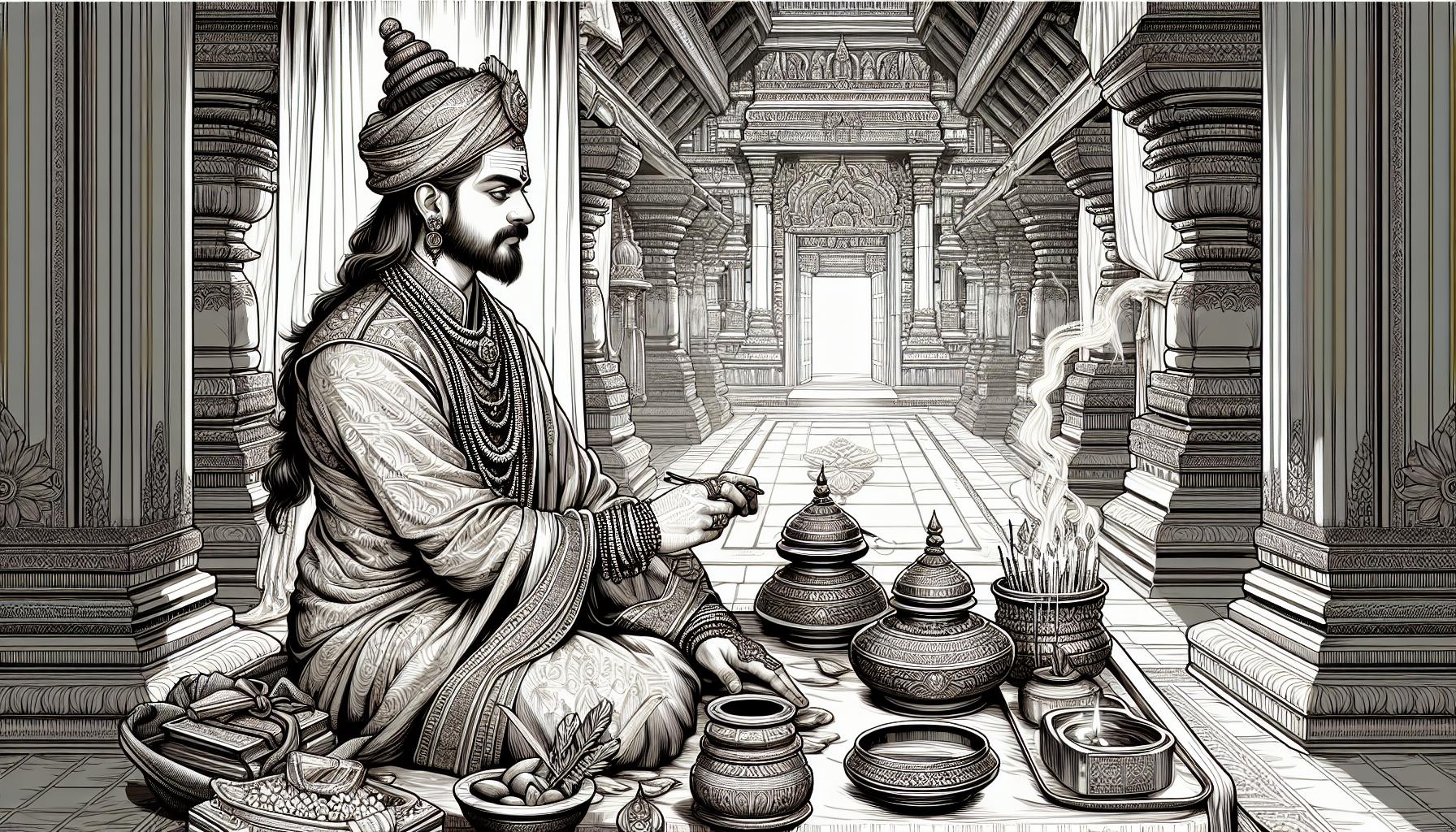
Brahmans are believed to possess greater ritual purity than other castes. This unique attribute makes them capable of performing essential religious tasks, such as conducting temple rituals and leading ceremonies.
Intellectual Leaders
Brahmans have historically served as India’s intellectual leaders. They dominate education and scholarship, contributing significantly to literature, philosophy, and sciences over centuries. For example, Adi Shankaracharya, an 8th-century philosopher, greatly influenced Hindu thought.
Caste System
Brahmans occupy the highest caste in the Hindu social hierarchy. Their status has roots dating back to the late Vedic period. This historical context establishes their revered role within Indian society.
Religious Role
Economic Contributions
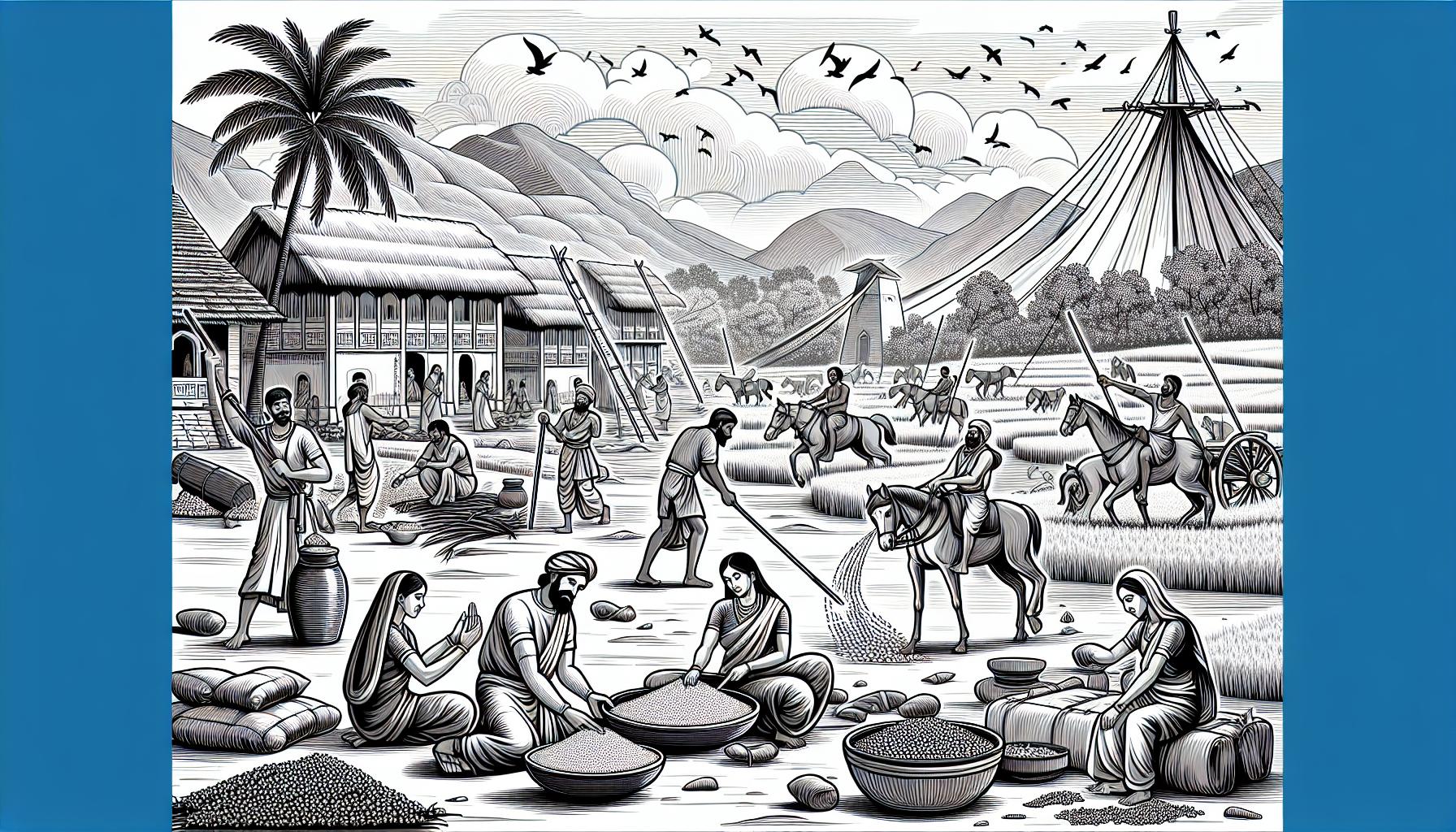
Historical records highlight the significant role Brahmins played in various economic sectors, far beyond their traditional priestly duties.
Agriculture
Brahmins also engaged in agriculture. Medieval records show Brahmins as both agriculturalists and warriors. Rather than solely serving as priests, they cultivated land and contributed to food production. This not only supported their families but also bolstered the agrarian economy of their time.
Commerce
Brahmins were active in trade. Historical documents mention Brahmin merchants dealing in horses, elephants, and pearls. They transported valuable goods across medieval India. This involvement in commerce demonstrated their versatility and contributed to economic growth.
Symbolism In Literature And Arts
Brahman, a central concept in Hinduism, appears extensively in literature and arts. This section explores its representation in ancient texts and modern depictions.
Ancient Texts
The Vedas, especially the Rigveda Samhitas, describe Brahman as the power embedded in the sound, words, verses, and formulas of the Vedas. The Brahmanas, part of the Vedas, integrate myths, legends, and philosophical interpretations of Vedic rituals. They highlight Brahman’s role in maintaining cosmic order and its connection to ritual practice.
The Upanishads, which belong to the Vedas, examine the links between rituals, cosmic realities, and the human body. They offer diverse perspectives on Brahman, portraying it as the ultimate reality that transcends physical existence. Texts like the Chandogya Upanishad and Brihadaranyaka Upanishad explore Brahman through dialogues and stories, emphasizing its all-encompassing nature.
Modern Depictions
In contemporary literature, Brahman remains a pivotal theme, often symbolizing ultimate truth and unity in various artistic expressions. Modern authors and poets continue to depict Brahman in diverse forms, reflecting its timeless relevance in spiritual and philosophical discourse.
In visual arts, Brahman appears in various symbolic forms, including abstract representations that signify the infinite and unmanifest nature of reality. Artists use imagery such as infinite loops, mandalas, and fractals to depict Brahman’s boundless essence. These representations aim to convey the complexity and expansiveness of Brahman, making it accessible to contemporary audiences.
Spiritual Influence
Brahman holds a profound place in Hindu philosophy. It’s revered as the ultimate reality that underpins the entire universe and spiritual endeavors.
Ultimate Reality
Brahman represents the absolute consciousness that is the source and support of all creation. Hindu teachings emphasize that understanding Brahman is crucial for grasping the true nature of reality.
Self-Realization
Achieving spiritual liberation (mokṣa) requires realizing Brahman’s nature. The journey involves understanding the self (Ātma) as non-separate from Brahman. This realization is central for attaining enlightenment.
Contemporary Relevance
Influence on American Lexicon: Brahmanization has significantly impacted American English, integrating words from Hindu philosophy and culture into everyday language. Common examples include “karma” (actions influencing future events), “mantra” (sacred utterances), and “nirvana” (a state of perfect peace).
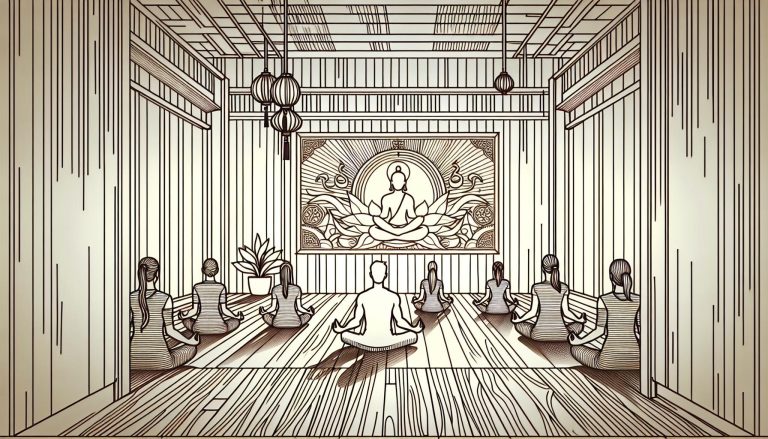
Spiritual Practices: The concept of Brahman remains integral in contemporary spiritual practices. Many Westerners practice meditation and yoga, seeking to connect with the ultimate reality Brahman represents. These practices aim to achieve spiritual growth and inner peace by aligning the self with Brahman.
Global Philosophical Discourse: Brahman is central to modern philosophical discussions on consciousness and reality. Scholars and spiritual thinkers worldwide explore the parallels between Brahman and concepts in Western philosophy, like the notion of a singular, unifying truth. This cross-cultural exchange enriches understanding and fosters a global philosophical dialogue.
Cultural Acceptance: Brahman and associated practices like yoga and meditation are integrated into mainstream culture. Celebrities often endorse these practices, promoting their benefits for mental and emotional well-being. This widespread acceptance underscores Brahman’s relevance and influence in contemporary society.
Conclusion
Brahman represents more than just a concept it’s a timeless essence that bridges ancient wisdom with modern spirituality. Its profound impact on our understanding of reality and the pursuit of self-realization remains unparalleled. From influencing everyday language to becoming a cornerstone of spiritual practices like meditation and yoga Brahman’s relevance is undeniable. It’s fascinating to see how this ancient philosophy continues to shape contemporary thought and culture. As we navigate our own spiritual journeys Brahman‘s teachings offer a path to deeper understanding and inner peace.
Sources & further reading
These themes are explored in greater depth across the following authoritative resources:
- Stanford Encyclopedia of Philosophy, Hindu Philosophy
- Britannica, Moksha
- Britannica, Brahman
- Internet Sacred Text Archive, Upanishads
- Sarvepalli Radhakrishnan, Indian Philosophy (2 vols., Oxford University Press, 1923)
External resources for further reading. Apam Napat is not affiliated with these publishers; citation does not imply endorsement.
Frequently asked questions
Why is Brahman important in Hindu philosophy?
When did Brahmanism develop?
What role do the Brahmanas play in Hindu tradition?
What is the role of Brahmins in Hindu society?
Did Brahmins only serve as priests?
Based on the classical texts of Hindu mythology, see our sources.