Ganesha, the beloved elephant-headed deity, holds a special place in Hindu culture and spirituality. Often referred to as the remover of obstacles and the god of beginnings, Ganesha’s attributes are rich with symbolism and meaning. Whether it’s his large ears that signify wisdom or his broken tusk that represents sacrifice, each feature tells a story … Read more
Ganesha, the elephant-headed deity, stands as one of the most beloved and widely worshipped figures in Hinduism. His unique appearance and rich symbolism have captivated devotees and scholars alike for centuries. But what do the various elements of Ganesha’s form really signify? From his large ears to his broken tusk, each aspect of Ganesha’s image … Read more
Ganesha, the beloved elephant-headed deity, holds a special place in the hearts of millions across the world. As the remover of obstacles and the god of beginnings, Ganesha’s cultural significance extends far beyond religious rituals. From vibrant festivals like Ganesh Chaturthi to intricate art and sculptures, his influence permeates various aspects of life and tradition. … Read more
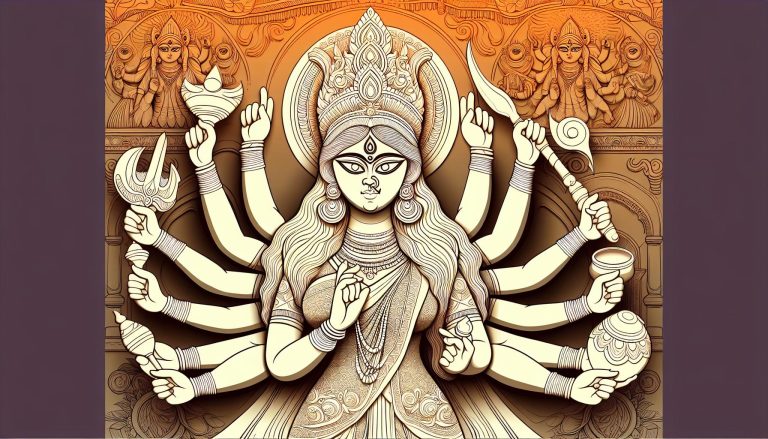
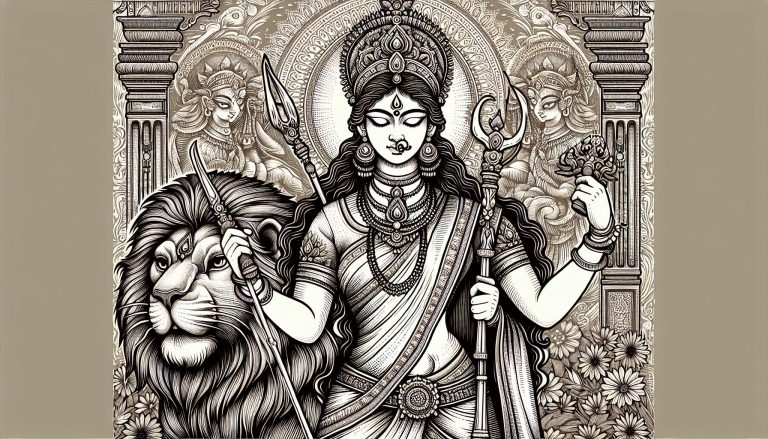
Durga, the fierce and compassionate warrior goddess, has inspired countless artistic depictions across centuries. From intricate temple carvings to vibrant modern paintings, each portrayal captures a unique facet of her divine power and grace. As I delve into these artistic expressions, I can’t help but marvel at how artists from different cultures and eras bring … Read more
Durga, the fierce and compassionate goddess from Hindu mythology, offers a treasure trove of philosophical teachings that resonate with modern life. Her stories and attributes aren’t just mythological tales; they carry profound lessons on courage, resilience, and inner strength. As I delve into her teachings, I find a roadmap for navigating life’s challenges with grace … Read more
When we think of Shiva – The Destroyer, the powerful deity of destruction and transformation in Hinduism, we often overlook his divine feminine counterpart, Shakti. Shakti isn’t just an accessory to Shiva; she’s the dynamic energy that brings balance and creation to his otherwise destructive force. Together, they form the cosmic dance of the universe, … Read more
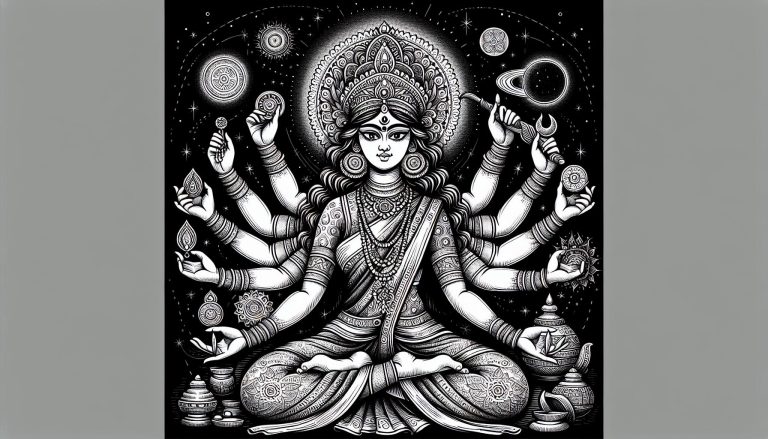
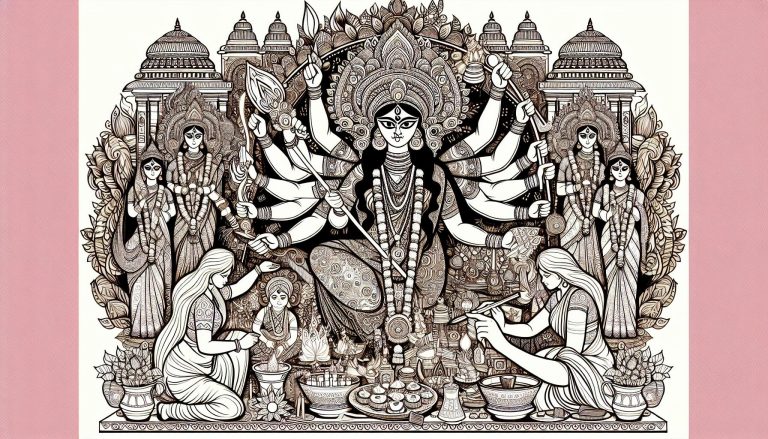
Durga, the fierce and compassionate Hindu goddess, embodies the power of divine feminine energy. Her spiritual practices offer a profound path to inner strength and enlightenment. As I delved into the rituals and meditations dedicated to Durga, I discovered a rich tapestry of traditions that not only honor the goddess but also empower practitioners to … Read more
Ganesha, the beloved elephant-headed deity, holds a special place in the hearts of millions. His stories, filled with wisdom and wonder, have transcended generations, offering timeless lessons and inspiration. From his miraculous birth to his adventures and the divine wisdom he imparts, Ganesha’s tales are a rich tapestry of mythology and morality. I find myself … Read more
Ganesha, the beloved elephant-headed deity, holds a special place in the hearts of millions. Known as the remover of obstacles and the god of beginnings, his origins are steeped in fascinating mythology and rich history. From ancient texts to modern-day celebrations, Ganesha’s story weaves through various cultures and traditions, offering a glimpse into the spiritual … Read more
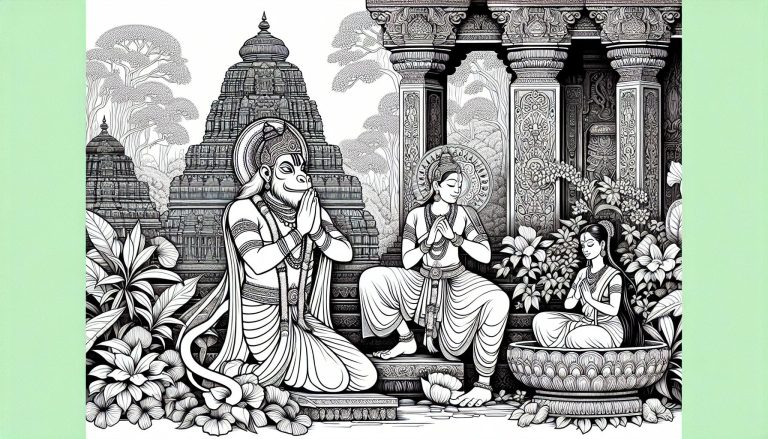
When we dive into the epic tale of the Ramayana – Epic of Hinduism, Hanuman’s relationship with Sita stands out as a beacon of loyalty and devotion. As a devoted follower of Lord Rama, Hanuman’s mission to find Sita after her abduction by Ravana – The Demon King showcases his unwavering commitment. His journey to … Read more
We use cookies to improve your experience and to understand how the encyclopedia is used. You can accept all cookies, or reject non-essential ones. See our Privacy Policy for details.