

When I first delved into the teachings of Dharma, I discovered it’s more than just a spiritual guideline—it’s a blueprint for living in harmony with oneself and the world. It teaches us how to align our actions with our true purpose, creating a life that’s both meaningful and balanced.
Understanding Dharma
I find that understanding Dharma is essential for grasping its role in achieving a balanced life. Examining its roots and principles sheds light on its multifaceted nature.
Historical Context
Dharma is integral to Indian philosophy and religions like Hinduism, Buddhism, and Jainism. The term, derived from the Sanskrit root “dhr̥,” means “to support,” “to hold,” or “to maintain.” Early Vedic texts describe Dharma as laws that bring order to the universe and sustain family and society.
- Holistic Pursuit: Dharma is one of the four life goals, alongside material security (artha), material happiness (kama), and spiritual liberation (moksha). As the foundation, it emphasizes right actions and duties necessary for achieving these goals.
- Multiple Meanings: Translations of Dharma vary, encompassing terms like law, duty, custom, model, and moral order. It resists a single English interpretation, with various meanings evolved across cultures and time periods.
The Concept of Balance
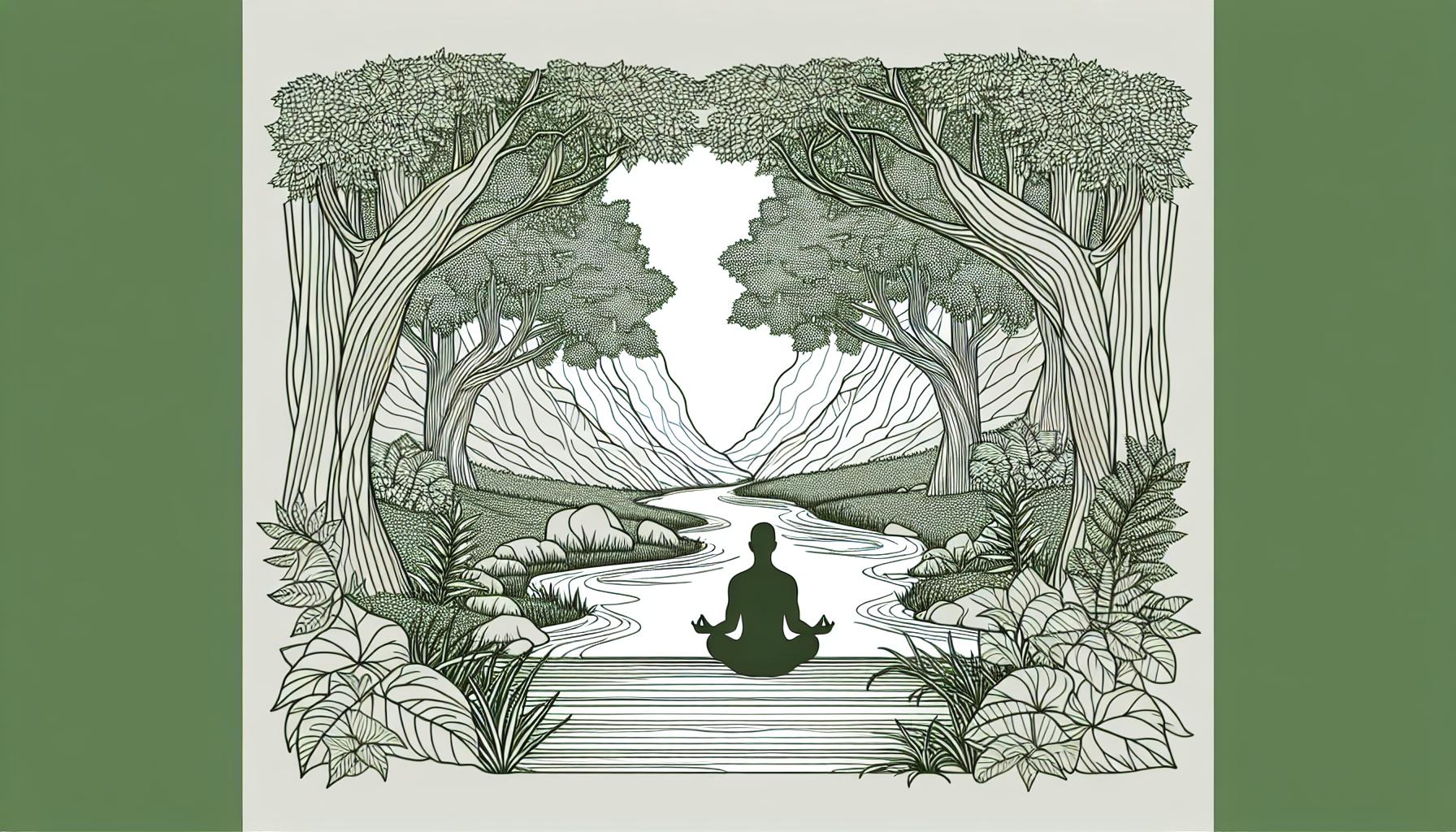
The concept of balance is deeply intertwined with dharma in Hindu philosophy, emphasizing harmony in personal and societal actions. Achieving equilibrium involves pursuing right actions, material well-being, and spiritual liberation.
Balance in Ancient Texts
Ancient Hindu texts, like the Vedas and the Manusmriti, emphasize the need for balance in life. The Manusmriti addresses the creation of the world, the source of dharma, and the laws of karma, rebirth, and final liberation. It provides guidelines for different social classes, stressing the balance between personal and societal duties.
The Bhagavad-Gita, a section of the Mahabharata – The Great Epic, explores balance through dharma and karma. Here, Lord Krishna – An Incarnation of Vishnu speaks to Arjuna – The Peerless Archer about fulfilling one’s duties while remaining detached from the outcomes, so maintaining internal and external harmony.
Modern Interpretations
Modern interpretations of balance in Hinduism still draw from these ancient teachings. Many contemporary Hindu scholars and practitioners integrate dharma into daily life by balancing career, family, and spiritual practices. Yoga, meditation, and mindfulness have become crucial tools for maintaining personal equilibrium.
In the modern world, balance also extends to environmental sustainability. Many Hindu teachings emphasize living in harmony with nature, encouraging practices that support ecological balance. This holistic approach resonates with the ancient texts that advocated for a balanced lifestyle.
Integrating Dharma and Balance in Daily Life

Integrating dharma into daily life means aligning actions with moral duties and life’s purpose. Balance is key to achieving this integration smoothly and effectively.
Practical Applications
Phakchok Rinpoche emphasizes integrating dharma into daily activities. Treating dharma as separate can create stress and unnecessary calculation. Incorporating it into routine actions helps maintain balance and reduces anxiety.
- Maintaining Balance in Busy Lives:
Venerable Khenpo Tsewang Rinpoche advises focusing on enjoying what one has. In today’s rapid world, constant craving disrupts balance. By appreciating current possessions and experiences, one can achieve a harmonious state of mind.
Examples from Personal Experiences
I’ve found that integrating dharma into simple tasks can create a balanced life. By consciously turning daily chores into mindfulness practices, stress levels lower, and life feels more aligned with my moral duties. Enjoying time with family and valuing relationships over material pursuits has brought a deeper sense of contentment and balance.
Challenges in Maintaining Balance
Maintaining balance while adhering to Dharma presents several obstacles. Language barriers and cultural adjustments can exacerbate these challenges.
Common Obstacles
Language barriers often pose significant challenges. Non-native English speakers face difficulties in academia, from writing and reviewing papers to effective communication. For example, a Chinese nursing student may struggle to understand English in a predominantly English-speaking environment, leading to feelings of shame and embarrassment. Cultural and personal factors complicate the adjustment process. Immigrants frequently find it hard to adapt to new cultural norms and languages, impacting their ability to maintain balance.
Strategies to Overcome Challenges
Several strategies can help overcome these challenges. Enhancing language skills through practice and formal education can significantly mitigate language barriers. Leveraging online resources and language learning apps makes this process more accessible. For instance, engaging in regular conversational practice with native speakers aids in building confidence.
Addressing cultural and personal factors involves intentional learning. Immersing oneself in the new culture through social interactions and community involvement fosters understanding and adaptation. Seeking support from community groups sharing similar backgrounds provides emotional support and practical advice, easing the transition.
By implementing these strategies, maintaining balance while following Dharma becomes more achievable even though the challenges of language and cultural barriers.
Conclusion
Embracing Dharma and balance in life isn’t just about understanding philosophical concepts; it’s about practical application. By integrating practices like yoga and meditation, we can navigate life’s challenges more effectively. Language and cultural barriers may pose significant obstacles, especially for non-native English speakers, but they’re not insurmountable. Improving language skills and immersing oneself in the new culture can make a world of difference. With dedication and the right strategies, anyone can achieve a harmonious balance while staying true to their Dharma.
Sources & further reading
These themes are explored in greater depth across the following authoritative resources:
- Stanford Encyclopedia of Philosophy, Hindu Philosophy
- Britannica, Dharma
- Britannica, Karma
- Internet Sacred Text Archive, Bhagavad Gita
- A. K. Ramanujan, Speaking of Siva (Penguin Classics, 1973)
External resources for further reading. Apam Napat is not affiliated with these publishers; citation does not imply endorsement.
Frequently asked questions
What is dharma in relation to balance?
How do the four life goals relate to dharma?
What does the Bhagavad-Gita say about balance and dharma?
How is dharma applied in modern life?
Based on the classical texts of Hindu mythology, see our sources.