

As I delved deeper, I realized that Dharma isn’t about rigid rules but about discovering our true nature and living authentically. It’s about aligning our actions with our inner values, creating a harmonious balance between who we are and what we do. This alignment can lead to profound personal growth, helping us unlock our potential and live more fulfilling lives.
Understanding Dharma
Grasping the essence of Dharma is essential for personal growth. It encompasses discovering one’s true nature, living authentically, and aligning actions with inner values.
Definition of Dharma
Dharma represents an intrinsic law or duty that guides individuals to live in harmony with their nature. Originating from ancient Sanskrit, it means “to uphold” or “to support.” Each person’s dharma is unique and pertains to their purpose or mission in life. In essence, it’s the moral compass directing one’s life based on personal ethics, integrity, and values.
Historical Context
Dharma traces back to Vedic traditions, prevalent around 1500 BCE. Its concept is pivotal in Hinduism, Buddhism, Jainism, and Sikhism. Hindu texts, like the Bhagavad Gita, discuss Dharma extensively. In Buddhism, it’s central to the teachings of the Four Noble Truths and the Eightfold Path. Jains view Dharma as a path to liberation, while Sikhs see it as a duty toward community service and righteous living. This historical richness highlights Dharma’s foundational role in guiding ethical and purposeful living across these traditions.
The Connection Between Dharma and Personal Growth
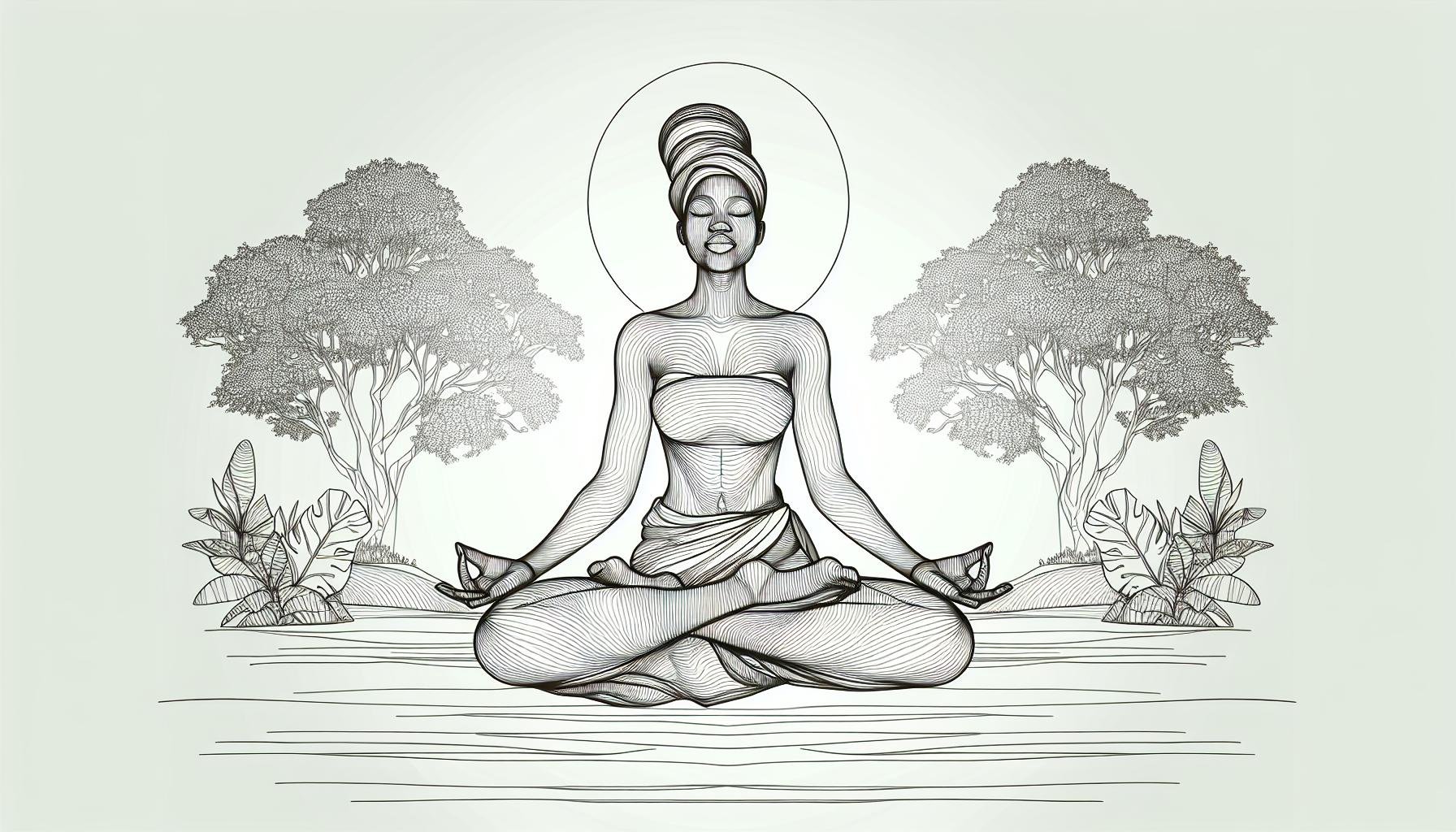
Dharma and personal growth are intertwined concepts that offer valuable frameworks for individual development. They guide one’s life towards fulfillment and self-awareness.
Philosophical Insights
Philosophically, Dharma represents a universal truth or law driving life purpose. It’s rooted in the idea that each person possesses a unique duty or path harmonizing with the universe’s order. According to Hindu philosophy, the Bhagavad Gita emphasizes Dharma as one’s righteous duty. It suggests that acting according to one’s Dharma leads to spiritual growth and life’s balance. In Buddhism, Dharma refers to the teachings of Buddha, emphasizing the Eightfold Path to achieve Nirvana—a state of ultimate personal growth.
Psychological Perspectives
Psychologically, Dharma influences personal growth by aligning actions with intrinsic values. Positive psychology explores this alignment through concepts like self-actualization and flow. Abraham Maslow’s Hierarchy of Needs highlights self-actualization as the highest form of personal growth, where one realizes their potential. Mihaly Csikszentmihalyi’s flow theory aligns with Dharma, suggesting that individuals experience peak performance and happiness when fully engaged in activities that resonate with their inner values. This harmony between doing and being cultivates personal growth and emotional well-being, guided by the principles of Dharma.
Practical Application of Dharma in Daily Life

Applying Dharma in daily life bridges the gap between abstract principles and concrete actions. It involves living in alignment with one’s values and integrating ethical decision-making into everyday activities.
Establishing Personal Values
Identifying personal values ensures actions align with intrinsic beliefs. Reflecting on experiences, relationships, and aspirations helps uncover these values. Keeping a journal to track events that evoke strong emotions reveals what truly matters. For example, noting feelings of pride after helping others might indicate a value of compassion. By clarifying these values, actions can be purposefully directed.
Making Ethical Decisions
Making ethical decisions rooted in Dharma involves considering the broader impact of actions. When facing a dilemma, one should evaluate whether the choice aligns with personal values and benefits others. For instance, choosing honesty in a challenging conversation upholds integrity and fosters trust. Ethical decision-making requires weighing short-term discomfort against long-term harmony and growth. By consistently practicing this evaluation, ethical actions become second nature, promoting both personal and communal well-being.
Real-life Stories of Transformation
Real-life stories demonstrate how aligning with Dharma can lead to profound personal growth and transformation. Here are two compelling case studies:
Case Study 1
John, a corporate executive, felt lost even though his professional success. He began reflecting on his intrinsic values and realized a deep passion for environmental conservation. John started volunteering at local environmental groups. This alignment with his Dharma brought fulfillment and redirected his career towards sustainability consulting, where he utilized his skills for a cause he deeply valued.
Case Study 2
Sara, a school teacher, faced burnout and dissatisfaction. Through journaling and reflection, she recognized her commitment to empowering youth and fostering creativity. Sara introduced innovative teaching methods, transforming her classroom into a space for self-expression and growth. Her renewed passion not only enhanced her well-being but also positively impacted her students’ lives.
Benefits of Integrating Dharma into Personal Development
Incorporating Dharma into personal growth practices brings numerous advantages. Integrating these principles fosters mental well-being and emotional stability.
Mental Well-being
Engaging with Dharma promotes mental well-being by encouraging mindfulness and reflective practices. Regular reflection on one’s actions aligns them with personal values, leading to conscious decision-making. For instance, adopting daily meditation based on Dharma principles can reduce stress levels and improve focus. Practicing Dharma also helps in developing resilience, as individuals learn to navigate life’s challenges with a balanced perspective.
Emotional Stability
Dharma offers a framework for achieving emotional stability by helping individuals understand their intrinsic motivations and values. By acting in harmony with these values, people experience a sense of inner peace. For example, embracing Dharma may help one manage anger and anxiety more effectively by fostering a deeper understanding of their root causes. Also, it encourages compassion and empathy, enhancing relationships and emotional intelligence.
Challenges and Solutions
Identifying and following one’s Dharma can present several challenges. I’ve outlined common misconceptions and practical tips to address these hurdles.
Common Misconceptions
Many people misconstrue Dharma as rigid and dogmatic. They think it limits freedom and creativity because they see it as a set of strict rules. Others believe that Dharma is solely religious, relevant only to followers of Eastern faiths like Hinduism and Buddhism. They don’t recognize its broader application in promoting ethical living and personal fulfillment. Some may also assume that living according to Dharma demands perfection, causing them to feel overwhelmed and discouraged.
- Reflect and Journal: Take time daily to reflect on actions, decisions, and intrinsic values. This practice enhances self-awareness and helps align actions with personal Dharma.
- Seek Mentorship: Find a mentor who understands the principles of Dharma. They can provide guidance, feedback, and support in exploring challenging situations.
- Mindfulness: Incorporate mindfulness exercises into your routine. These practices, such as meditation and deep breathing, promote inner peace and help manage emotions effectively.
- Set Realistic Goals: Break down your Dharma-aligned aspirations into small, manageable steps. This approach prevents feeling overwhelmed and fosters steady progress.
- Community Engagement: Participate in community activities or groups that resonate with your values. Being with like-minded individuals reinforces your commitment to living ethically.
These strategies help overcome common misconceptions and support a balanced, Dharma-centric approach to personal growth.
Conclusion
Embracing Dharma as part of my personal growth journey has been transformative. By aligning my actions with my core values and making ethical decisions, I’ve found greater mental and emotional stability. Reflective practices and mindfulness have deepened my self-awareness, enhancing my relationships and overall well-being.
Overcoming challenges in following Dharma requires daily reflection and seeking support from mentors and like-minded communities. Setting realistic goals and practicing mindfulness consistently help maintain a balanced approach to personal growth.
Integrating Dharma into my life isn’t just about spiritual or religious adherence; it’s about fostering a life of purpose, integrity, and fulfillment. By doing so, I’ve cultivated a more meaningful and ethically grounded existence.
Sources & further reading
These themes are explored in greater depth across the following authoritative resources:
- Stanford Encyclopedia of Philosophy, Hindu Philosophy
- Britannica, Dharma
- Britannica, Karma
- Internet Sacred Text Archive, Bhagavad Gita
- A. K. Ramanujan, Speaking of Siva (Penguin Classics, 1973)
External resources for further reading. Apam Napat is not affiliated with these publishers; citation does not imply endorsement.
Based on the classical texts of Hindu mythology, see our sources.