
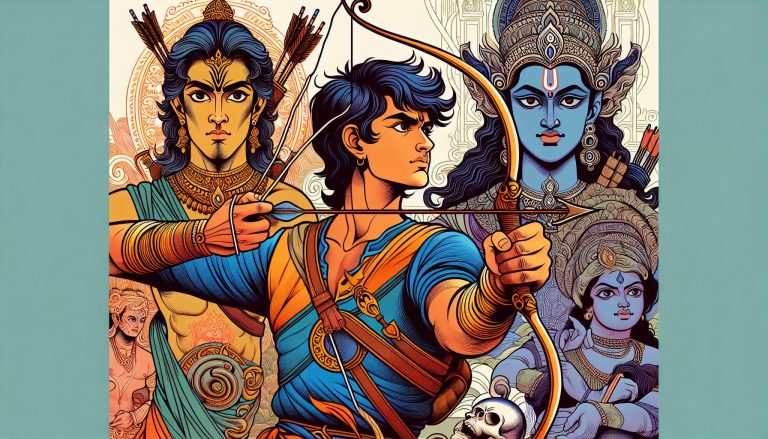
As I investigate into these stories, I uncover layers of meaning that resonate with our modern lives. Whether it’s the eternal battle between good and evil, the quest for self-realization, or the intricate dance of karma, Hindu legends provide a metaphorical roadmap to navigate the complexities of existence. Join me as I explore these metaphorical treasures and reveal the deeper truths they hold.
Exploring the Depths of Hindu Legends
Hindu legends offer a rich world of metaphorical insights that provide profound understandings of the human condition, the nature of reality, and the interconnectedness of all existence. These legends, often embedded in the stories of Hindu gods and goddesses, convey complex philosophical and spiritual ideas through symbolic narratives.
The Trimurti: A Metaphor for the Cycle of Life
The Trimurti, consisting of Brahma, Vishnu, and Shiva, represents the three primary aspects of the universe: creation, preservation, and destruction. This triad symbolizes the cyclical nature of existence, where creation gives rise to preservation, which eventually leads to destruction, only to be reborn again. This metaphor highlights the impermanence of all things and the eternal cycle of life, death, and rebirth.
Avatars: Embodiments of Divine Qualities
The avatars of Hindu gods, such as Rama and Krishna – An Incarnation of Vishnu, embody specific divine qualities that serve as role models for human behavior.
Symbolism in Sacred Texts
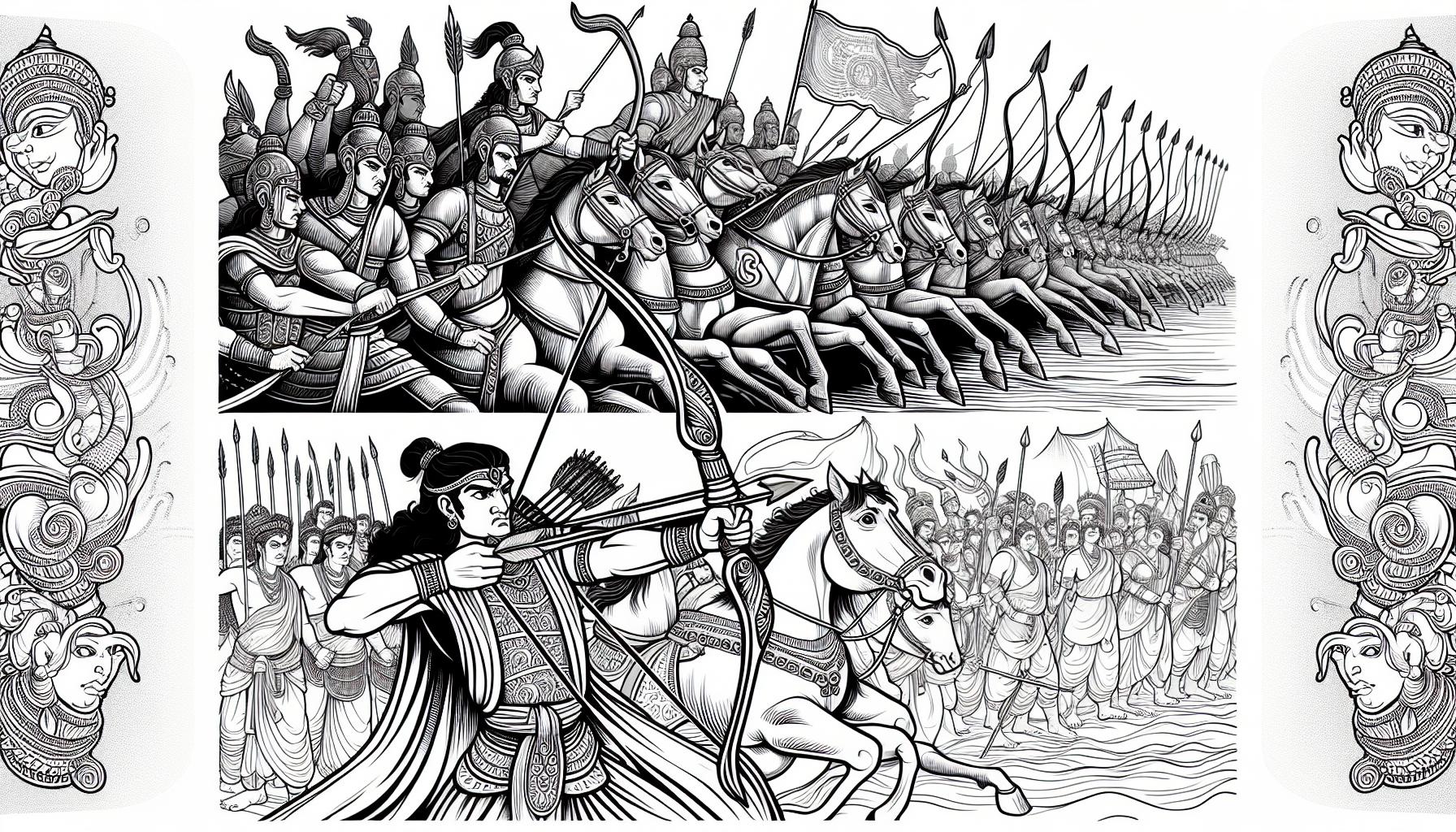
Hindu sacred texts like the Mahabharata and Ramayana are replete with deep metaphorical insights. These texts capture profound spiritual and moral lessons through their rich symbolism.
Mahabharata and Ramayana
The Mahabharata and Ramayana depict the eternal struggle between good and evil. In the Mahabharata, the battle between the Pandavas and Kauravas illustrates this conflict. Prince Arjuna’s role, guided by Krishna, symbolizes the importance of upholding dharma. In the Ramayana, Prince Rama’s quest to rescue Sita from the demon king Ravana highlights the triumph of virtue over vice. Both epic tales emphasize courage, loyalty, and selflessness, showcasing these virtues through their characters.
Vedic Literature
Vedic literature, including the Mahabharata and Ramayana, centers on spiritual growth and self-discovery. In the Mahabharata, Arjuna’s journey encapsulates the human quest for understanding one’s purpose and duty. The Ramayana’s narrative reflects similar themes, with Rama representing the ideal self, striving towards righteousness even though challenges. These texts provide metaphorical frameworks that encourage reflection on moral and spiritual principles.
Metaphorical Insights in Deities
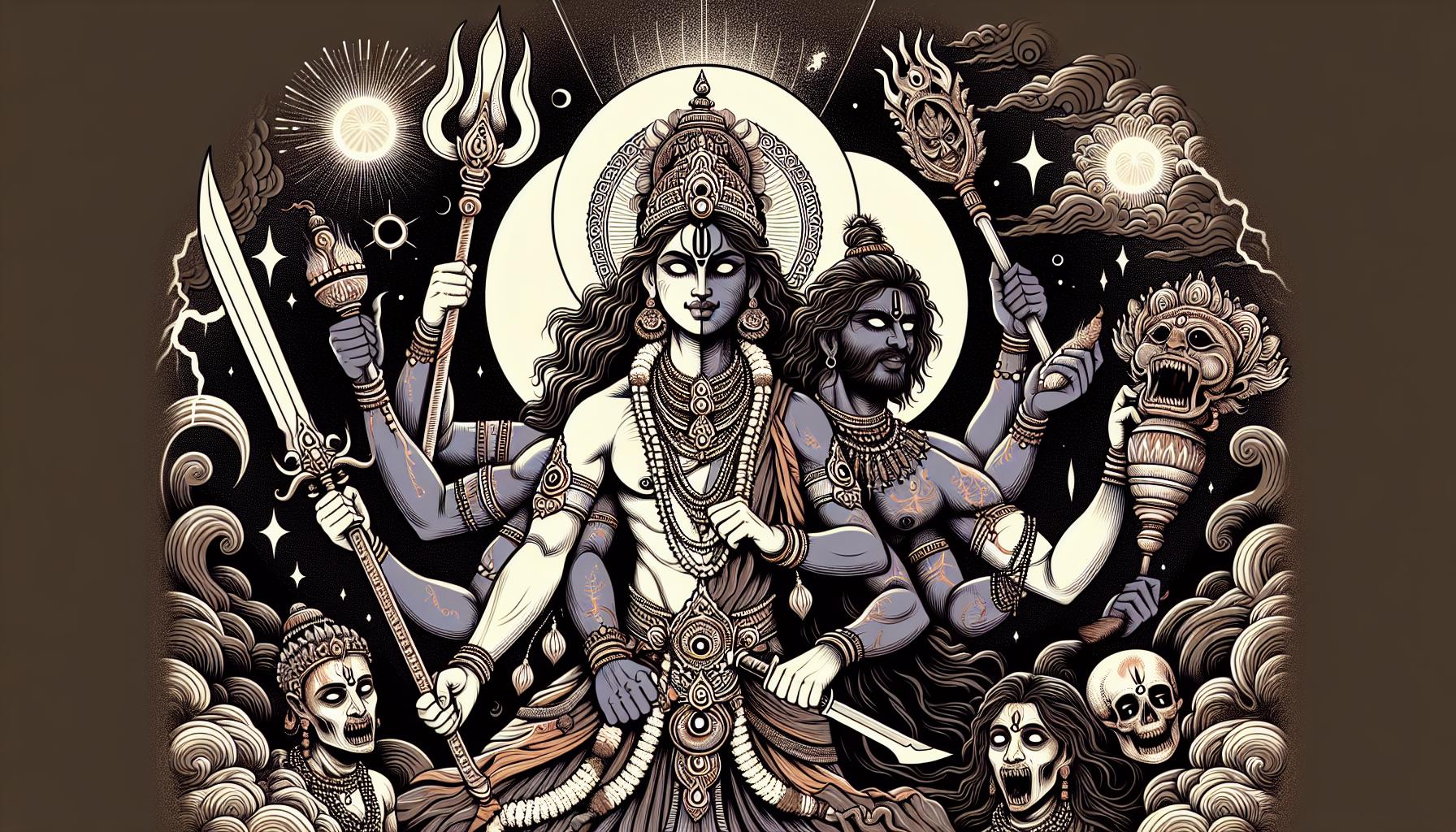
Hindu legends use metaphorical insights in deities to convey complex spiritual concepts. The depictions of these gods and goddesses provide profound metaphors that make spiritual ideas accessible to humans.
Symbolic Representation of Vishnu
Vishnu, a central deity in Hinduism, is often depicted with attributes full of symbolism. Each element carries a deeper meaning:
- Chakra/Discus: This symbol represents the mind and spirit, clarity, and self-realization. It signifies the struggle between good and evil within oneself and the mystical world.
- Conch Shell: Known as the Shankha, it symbolizes mental and spiritual clarity amid adversity. The primordial sound ‘Om’ emanates from the conch shell, representing the universe’s creation.
- Mace: The Gada symbolizes strength, whether physical or mental. It’s a reminder of the importance of fortitude in both body and mind.
These symbols on Vishnu emphasize his role in maintaining the balance between the material and spiritual realms.
Metaphors in Kali’s Imagery
Kali, another prominent deity, is laden with symbolic imagery:
- Dark Skin: Represents the infinite nature of time, showing that everything is born and dissolved in her.
- Decapitated Heads Necklace: Symbolizes the cycle of birth and death, and the power to liberate souls from the cycle of reincarnation.
- Several Arms Holding Weapons: This denotes Kali’s ability to combat evil forces. Each weapon signifies different aspects of divine power to destroy ignorance and protect the righteous.
The metaphors in Kali’s imagery illustrate the concept of time and the eternal fight against ignorance and evil.
Allegories in Hindu Mythological Stories
Hindu mythology uses allegories to convey deep moral and spiritual lessons. These stories provide guidance on ethical behavior and the path to spiritual enlightenment.
Myths and Moral Lessons
Mythological stories in Hinduism often encapsulate profound moral teachings. For instance, the epic Mahabharata narrates the battle between the Kauravas and Pandavas. This battle symbolizes the internal struggle between good and evil, emphasizing the importance of making righteous choices. Arjuna, guided by Krishna, represents the human quest for truth and morality in the face of ethical dilemmas.
Similarly, the Ramayana tells the tale of Prince Rama, who embodies virtues like duty, honor, and righteousness. Rama’s journey to rescue his wife Sita from the demon king Ravana teaches the importance of loyalty, courage, and the perseverance of good over evil.
Spiritual Growth Narratives
Hindu mythological stories also serve as narratives for spiritual growth. The concept of avatars, where deities incarnate to guide humanity, exemplifies divine intervention in human affairs. These avatars, like Krishna and Rama, not only resolve earthly conflicts but also guide individuals towards a higher spiritual path.
The Bhagavad Gita, a dialogue between Krishna and Arjuna in the Mahabharata, delves into the nature of duty, righteousness, and the self. This spiritual text provides a roadmap for achieving inner peace and self-realization. Through Arjuna’s internal conflict and Krishna’s teachings, the story illustrates how to align one’s actions with spiritual principles.
These allegories in Hindu mythology offer valuable insights into ethical living and spiritual evolution, resonating with timeless themes of human existence.
Interpreting Myths in Modern Context
Hindu myths hold profound metaphorical insights that can be relevant in today’s world. These myths offer various methods for extracting deeper, philosophical meanings.
Allegorical Interpretation
Allegorically interpreting Hindu myths helps uncover symbolic truths and moral lessons. In the Mahabharata, the battle of Kurukshetra can be seen as an internal struggle between good and evil forces within oneself. By examining these allegories, I gain deeper philosophical insights that guide my ethical behavior and spiritual growth.
Structuralist Approach
The structuralist approach analyzes the repeated patterns in myths, focusing on their structural relations rather than the sequence of events. This method highlights underlying messages and themes. For instance, recurring patterns of victory over evil seen in stories like the Ramayana underline the timeless human quest for moral righteousness. I use this approach to identify consistent moral themes that apply across different contexts.
Psychological and Ritual Significance
Hindu myths respond to existential questions about life and death, providing psychological comfort through belief in a higher power. Ritualistic elements like the reverence of deities serve as symbolic representations of psychological states and cultural practices. Rituals in myths often offer insights into human psychology and our collective need for meaning and connection. Understanding these rituals helps me appreciate the cultural psychology embedded in these legends.
Relevance in Contemporary Life
Hindu myths are not just ancient stories; they hold relevance in contemporary life. They offer lessons on dealing with modern-day challenges by providing symbolic representation of human experiences. For example, Lord Rama’s unwavering sense of duty and justice in the Ramayana inspires me to uphold integrity and righteousness in my personal and professional life. These stories encourage me to find contemporary applications for traditional wisdom.
Lessons for Personal Development
Hindu legends offer valuable personal development lessons. Characters like Arjuna in the Bhagavad Gita teach the importance of self-realization and duty. Prince Arjuna’s dilemmas and Krishna’s counsel provide guidance on ethical living and making difficult decisions with clarity and conviction. By reflecting on these characters and their journeys, I learn how to navigate my own life challenges effectively.
Conclusion
Exploring the metaphorical insights of Hindu legends has been an enlightening journey. The symbolic narratives in texts like the Mahabharata and Ramayana offer timeless wisdom on virtues and spiritual growth. Characters and deities serve as powerful archetypes, guiding us toward self-realization and ethical living. These ancient stories remain relevant today, providing profound lessons for personal development and decision-making.
By delving into these myths, we can uncover deeper philosophical meanings that resonate with our modern lives. Hindu legends continue to inspire and challenge us to live with courage, selflessness, and clarity.
Sources & further reading
These themes are explored in greater depth across the following authoritative resources:
- Internet Sacred Text Archive, Rig Veda (Griffith translation)
- Internet Sacred Text Archive, Upanishads
- Britannica, Veda
- Britannica, Upanishad
- Patrick Olivelle, The Early Upanishads (Oxford University Press, 1998)
External resources for further reading. Apam Napat is not affiliated with these publishers; citation does not imply endorsement.
Frequently asked questions
What is the Trimurti in Hindu mythology?
What do Hindu avatars represent metaphorically?
How does Hindu mythology view the cycle of life?
What metaphorical insights do Hindu legends offer?
Based on the classical texts of Hindu mythology, see our sources.