

I’ve always been captivated by how these movies blend mythology with modern filmmaking techniques. From grandiose sets to intricate costumes, every detail adds depth to the narrative. Whether you’re a fan of action-packed adventures or profound moral lessons, Hindu mythology movies have something for everyone. Jump into these timeless stories and discover a world where the divine and the mortal coexist in a dance of destiny and drama.
Origins Of Hindu Mythology Movies
Hindu mythology’s deep roots in Indian culture have made it a perennial source of inspiration for filmmakers. The Ramayana – Epic of Hinduism and Mahabharata – The Great Epic, two epic texts, have significantly influenced many movies. Their stories of gods, demons, and heroes resonate through generations, forming a rich narrative tradition that permeates various art forms, including cinema.
Early cinematic adaptations often drew heavily from these texts to create visually engaging and morally instructive films. Iconic productions like “Raavana” (2010) showcase a modern take on these timeless tales. This neo-mythological film reimagines the Ramayana through a contemporary lens, captivating audiences with both its storyline and aesthetic.
In recent years, feminist adaptations of Hindu myths have gained traction. These modern retellings focus on giving female characters more agency. Literature and cinema now reinterpret traditional stories, emphasizing the strength and complexity of women previously overshadowed by their male counterparts.
So, the origins of Hindu mythology movies are firmly entrenched in Indian epic narratives while continually evolving to reflect modern values and perspectives.
Popular Hindu Mythology Movies
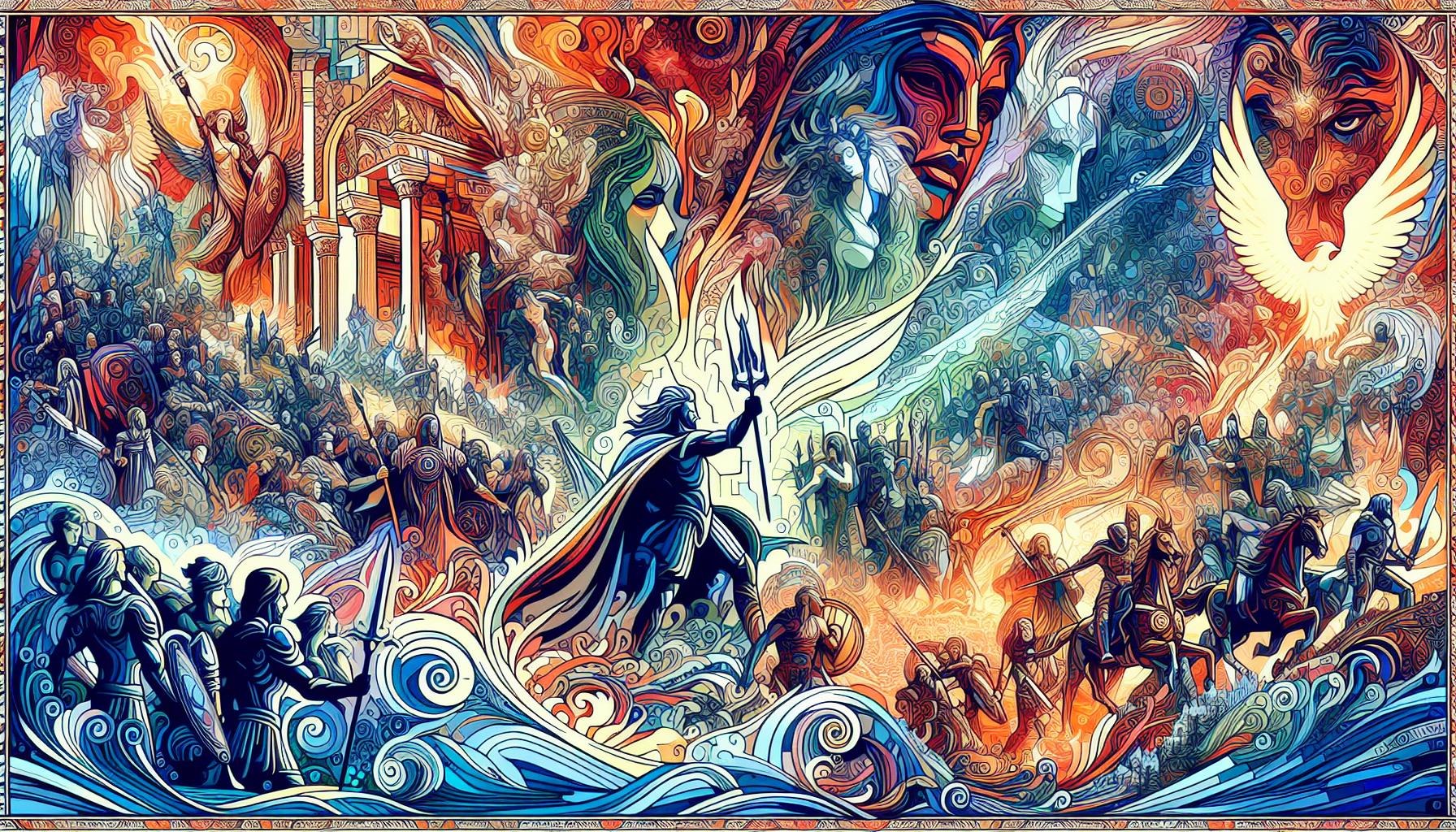
Hindu mythology movies bring ancient epics to life on the silver screen. These films captivate audiences with their tales of gods, demons, and heroes.
Ramayana Adaptations
Raavan (2010): Directed by Mani Ratnam, Raavan presents a modern retelling of the Ramayana epic. With Abhishek Bachchan, Aishwarya Rai Bachchan, and Vikram in leading roles, this film explores the complex emotions and motivations of its characters, making it a contemporary classic.
Ramayana: The Legend of Prince Rama (1992): This Japanese-Indian animated film offers a faithful adaptation of the Ramayana. The film’s stunning animation and adherence to the original narrative make it a must-watch for fans of the epic.
Mahabharata Adaptations
Baahubali: The Beginning (2015): Directed by S. S. Rajamouli, Baahubali: The Beginning draws considerable inspiration from the Mahabharata. Featuring Prabhas, Tamannaah, and Rana Daggubati, this film combines grand visuals with intricate storytelling, echoing the epic’s themes of loyalty and power struggles.
Mahabharat (2013): This television series retells the Mahabharata with a star-studded cast including Shaheer Sheikh, Pooja Sharma, and Arav Chowdhary. The series garnered acclaim for its faithful adaptation and modern production values, appealing to a new generation of viewers.
Other Legends And Tales
Hindu mythology also encompasses many other legends and tales, inspiring diverse cinematic adaptations. These films explore lesser-known stories, offering fresh perspectives on ancient traditions and values, thereby enriching the world of Hindu mythology movies.
Notable Directors And Actors
Hindu mythology movies have seen remarkable contributions from various talented directors and actors. These individuals have brought ancient stories to life, captivating audiences across generations.
Iconic Performances
Dilip Kumar: Known as a pioneer of method acting, Dilip Kumar’s performances in films during the 1950s set a benchmark in the Indian film industry. Through his compelling portrayals, he has inspired actors like Amitabh Bachchan, Naseeruddin Shah, Shah Rukh Khan, and Nawazuddin Siddiqui.
Amitabh Bachchan: Bachchan, often referred to as the “Shahenshah” of Bollywood, has delivered numerous memorable performances, drawing influence from Hindu mythology themes. His acting prowess has made him a symbol of cinematic excellence.
Influential Filmmakers
Dadasaheb Phalke: Considered the father of Indian cinema, Phalke pioneered mythological films with creations like Raja Harishchandra (1913) and Bhasmasur Mohini (1913). His works set the foundation for Indian mythological cinema.
Satyajit Ray: Renowned for his critical approach and intricate storytelling, Ray’s works like Devi (1960) explore superstitions entrenched in society. His documentary on Rabindranath Tagore (1961) showcased his versatility as a filmmaker.
Mani Ratnam: Modernizing mythological narratives, Ratnam’s Raavan (2010) offers a fresh take on the Indian epic Ramayana. Known for his dynamic storytelling, Ratnam bridges traditional mythological themes with contemporary cinema.
These notable directors and actors have significantly shaped Hindu mythology movies, ensuring the rich cultural heritage is preserved and presented to newer audiences.
Cultural Impact
Hindu mythology movies have had a profound cultural impact, influencing both Indian and global audiences.
Influence On Society
Indian cinema, particularly Bollywood, has played a critical role in shaping Indian society. Movies based on Hindu mythology have documented cultural transformations and influenced the worldview of Indian youth. Bollywood’s portrayal of ancient tales helps preserve cultural heritage and make it accessible to contemporary audiences. Notable films like “Raavan” and “Ramayana: The Legend of Prince Rama” highlight these traditional stories, bridging the gap between past and present.
In Western culture, Hindu mythology has left a lasting impression. Figures like the Beatles adopted Hindu philosophy during their visit to India, integrating it into their music and art. This cultural exchange fostered a deeper appreciation and understanding of Hinduism among Western audiences, further building cultural bridges.
Global Reach
The globalization of Hinduism has been significantly facilitated by Bollywood’s portrayal of Hindu culture. These films have reached international audiences, leading to a greater awareness and acceptance of Hinduism worldwide. The visual appeal and narrative strength of movies like “Baahubali: The Beginning” and “Mahabharat” have captivated viewers globally. This international reach not only promotes Hindu mythology but also fosters cultural understanding and appreciation across different societies.
Cinematic Techniques And Storytelling
Hindu mythology movies captivate audiences by ingeniously weaving traditional tales with modern cinematic elements. Drawing from epic stories like the Ramayana and Mahabharata, filmmakers create timeless narratives that resonate globally.
Influence on Star Wars
The epic story of Lord Rama inspired George Lucas significantly. Observing parallels between Rama’s journey and Luke Skywalker’s, it’s evident how ancient Hindu storytelling shapes modern myths. Rama’s quest to rescue Sita mirrors Luke’s path to save the galaxy, establishing an archetypal hero’s journey.
Cultural Significance
Indian storytelling deeply embeds Hindu mythology, forming the backbone of cultural narratives. Filmmakers tap into this rich heritage to craft engaging stories. For example, movies like “Raavan” reinterpret traditional epics, blending mythology with contemporary issues, so maintaining cultural relevance.
Visual Effects
Movies like “Baahubali: The Beginning” redefine visual storytelling by integrating stunning visual effects with mythological narratives. The film employs advanced CGI to create epic battle scenes and grandiose landscapes, bringing mythological elements to life with unprecedented realism. VFX houses like Makuta VFX contributed to the jaw-dropping effects seen in the film, setting new standards in Indian cinema.
Music And Dance
Music and dance play pivotal roles in Hindu mythology movies, enhancing emotional and narrative depth. Composers like A.R. Rahman masterfully combine traditional Indian music with modern orchestration. For example, the movie “Ramayana: The Legend of Prince Rama” features traditional ragas blended with symphonic scores, elevating the storytelling. Also, elaborate dance sequences—rooted in classical Indian dance forms like Bharatanatyam and Kathak—visually narrate mythological tales, so enriching the cinematic experience.
Conclusion
Hindu mythology movies offer a unique blend of ancient tales and modern cinematic techniques that captivate audiences worldwide. These films not only preserve cultural heritage but also bring epic narratives to life in visually stunning ways. By incorporating advanced visual effects and compelling storytelling, directors and actors have successfully made these timeless stories accessible to contemporary viewers. The cultural richness and emotional depth found in these movies continue to resonate, making them a significant part of the global cinematic world. As filmmakers keep innovating, the future of Hindu mythology cinema looks incredibly promising.
Sources & further reading
These themes are explored in greater depth across the following authoritative resources:
- Stanford Encyclopedia of Philosophy, Hindu Philosophy
- Mythopedia, Hindu Mythology
- Britannica, Hindu Mythology
- Sheldon Pollock, The Language of the Gods in the World of Men (University of California Press, 2006)
- A. K. Ramanujan, The Collected Essays (Oxford University Press, 1999)
External resources for further reading. Apam Napat is not affiliated with these publishers; citation does not imply endorsement.
Frequently asked questions
What Hindu epics inspire mythology movies?
What is the movie Raavana about?
How do Hindu mythology movies blend tradition with modern film?
Why are Hindu mythology movies popular?
Based on the classical texts of Hindu mythology, see our sources.