As I investigate into these ancient writings, I uncover layers of profound teachings and timeless stories that continue to inspire millions. Understanding these texts not only enriches our knowledge of Hinduism but also provides valuable lessons on life, duty, and the pursuit of truth. Whether you’re a scholar, a spiritual seeker, or just curious, exploring Hindu canonical texts promises a journey of enlightenment and discovery.
Overview Of Hindu Canonical Texts
Hindu canonical texts form the core of Hinduism, offering a vast reservoir of knowledge and spiritual guidance. These sacred writings are divided into two main categories: Śruti and Smṛti.
Revealed Texts (Śruti)
Vedas: The Vedas, dating from approximately 2000 to 1500 B.C.E., are the earliest surviving texts of Hinduism. They include hymns and ritual treatises that provide instructional knowledge. More speculative and metaphysical sections investigate into timeless revelations, making the Vedas a foundational source of unchanging wisdom.
Upanishads: Known as the Vedanta, the Upanishads come at the end of the Vedas and focus on philosophical teachings. These texts are regarded as the central scripture of Hinduism, emphasizing the exploration of spiritual concepts and the nature of reality.
Remembered Texts (Smṛti)
Epics: The two great epics, the Mahabharata and Ramayana, are among the most renowned works. These texts are epic narratives that weave intricate stories encompassing duty, righteousness, and dharma.
Summarizing, Hindu canonical texts, whether eternal revelations or remembered narratives, provide profound teachings. They continue to be a source of enlightenment for scholars, spiritual seekers, and the curious.
Vedas

The Vedas, primary texts of Hinduism, are considered sacred and divine revelations. They consist of the Rig Veda, Sama Veda, Yajur Veda, and Atharva Veda.
Rig Veda
The Rig Veda is the oldest and the most important of the four Vedas. It contains 1,028 hymns divided into 10 books called mandalas. Composed around 1500 BCE and codified around 600 BCE, the text includes hymns focused on mythology, making it the most ancient layer of Vedic literature.
Sama Veda
The Sama Veda mainly features hymns about religious rituals. Many verses are derived from the Rig Veda but are arranged differently for chanting purposes. This collection is used by priests during the Soma sacrifice, highlighting its ritualistic importance.
Yajur Veda
The Yajur Veda provides instructions for performing religious rituals. It’s divided into the White and Black halves. The text includes prose commentaries that detail how sacrifices should be conducted, underscoring its liturgical significance.
Atharva Veda
The Atharva Veda contains hymns, mantras, and incantations focusing on health, longevity, and success. It complements the other Vedas by addressing practical aspects of daily life and spiritual wellness.
Upanishads
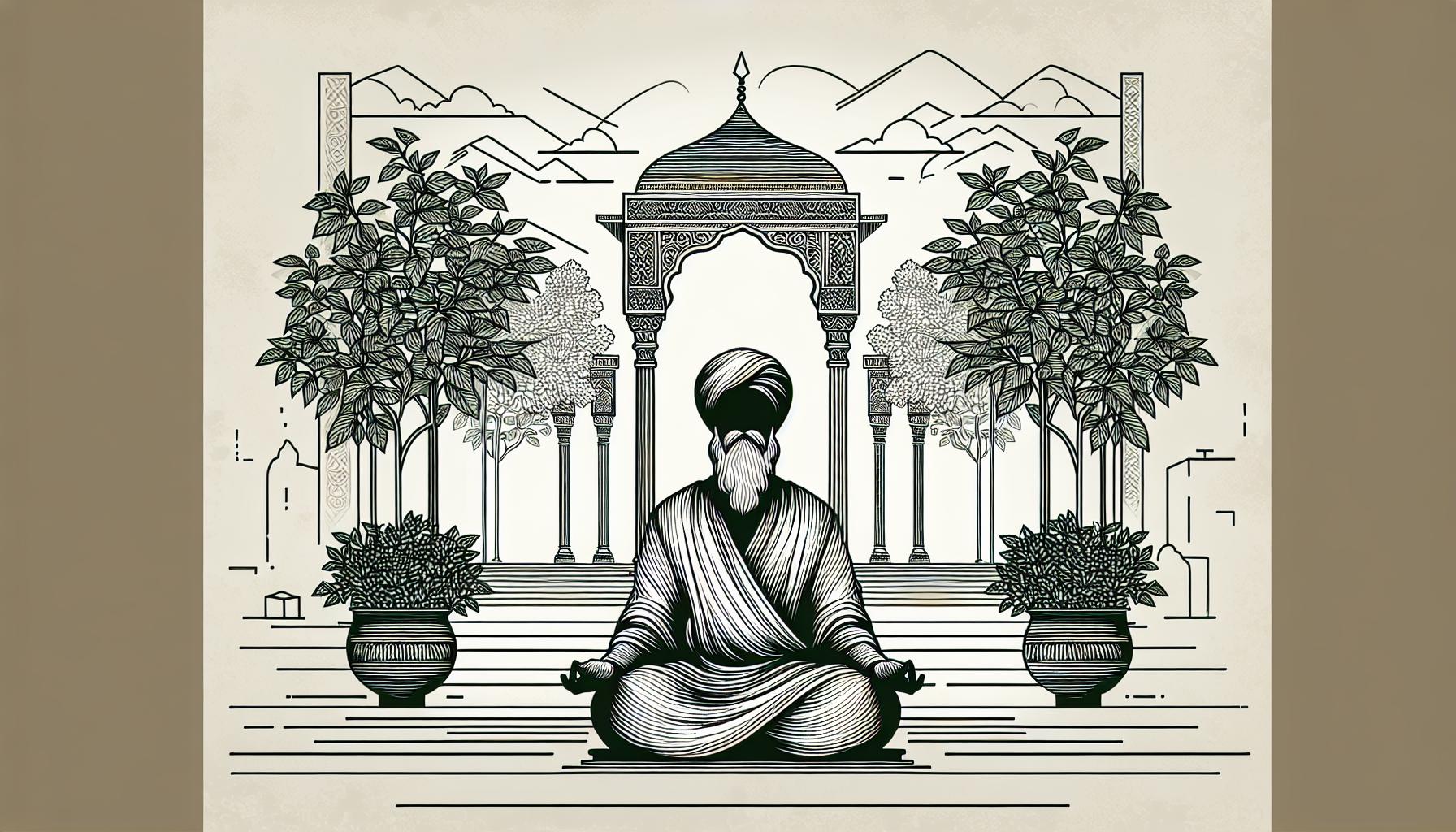
The Upanishads form a crucial part of Hindu canonical texts. Comprising about 108 known writings, they are embedded in the four Vedas—Rigveda, Yajurveda, Samaveda, and Atharvaveda. The first dozen Upanishads hold particular significance due to their age and impact.
These texts focus on meditation, philosophy, consciousness, and ontological knowledge. They explore the relationships between ritual, cosmic reality, and the human body. Essential concepts such as Ātman (the self) and Brahman (the ultimate reality) are central themes.
The transition documented in the Upanishads moves from archaic ritualism to new religious ideas and institutions. They are pivotal for understanding the development of Indian religions and culture. For example, the Chandogya and Brihadaranyaka Upanishads are among the oldest and most influential, providing deep insights into early philosophical thought.
Smriti
Smriti represents a key category of Hindu sacred literature based on human memory. Unlike Shruti, which covers eternal and revealed knowledge, Smriti encompasses texts that elaborate and codify Vedic thought.
Mahabharata
The Mahabharata is one of Hinduism’s great epics. It narrates the story of the conflict between the Pandava brothers and their cousins, the Kauravas. Through its intricate subplots and characters, it addresses philosophical themes and moral dilemmas. The Bhagavad Gita, a part of this epic, explores duty, righteousness, and the nature of reality.
Ramayana
The Ramayana, another significant epic, chronicles the life of Prince Rama. It details his exile, the abduction of his wife Sita by the demon king Ravana, and his eventual victory. This epic highlights the virtues of loyalty, courage, and morality. Valmiki authored the earliest version of the Ramayana.
Manusmriti
The Manusmriti, or the Laws of Manu, is a classical text on Hindu law and society. It provides guidelines on various aspects, including duty (dharma), legal proceedings, and moral conduct. It has significant influence over traditional Hindu law and social structures.
Puranas
The Puranas are a genre of ancient Hindu texts that cover a wide array of topics, including cosmology, mythology, and pilgrimage. These texts aim to preserve cultural history and provide moral lessons through stories and genealogies. Notable Puranas include the Vishnu Purana and the Bhagavata Purana.
Bhagavad Gita
The Bhagavad Gita, a 700-verse Hindu scripture, forms part of the epic Mahabharata. Positioned in Book 6, this text holds a unique pan-Hindu influence. Written in Sanskrit, it’s a smṛti text but often treated like śruti by followers. The Gita features a dialogue between Prince Arjuna and Krishna, an avatar of Vishnu, occurring during the Kurukshetra War between the Pandavas and the Kauravas.
Composition and Structure
The Bhagavad Gita’s composition includes 700 verses. It sits embedded within the extensive narrative of the Mahabharata. Though it’s a smṛti text, many regard it as sacred as śruti texts due to its deep philosophical content.
Content and Themes
The Gita delves into the ethics of war, moral and ethical guidance, and the concept of dharma. It incorporates teachings from the Upanishads and Samkhya Yoga philosophy, emphasizing dualism between soul and matter. Key themes include selfless action, devotion, and knowledge as pathways to spiritual liberation.
Importance Of Hindu Canonical Texts In Modern Times
Hindu canonical texts hold significant relevance in today’s world. These ancient scriptures provide timeless insights into human nature and the cosmos. Shruti texts like the Vedas offer profound philosophical concepts, illustrating complex ideas about the universe and our place within it. For instance, the concept of Brahman (universal consciousness) found in the Upanishads helps individuals explore broader existential questions.
Smriti texts bring these philosophical concepts into practical life. The Mahabharata and Ramayana, for example, are not just epic narratives but also contain ethical and moral lessons applicable to modern challenges. The Bhagavad Gita’s teachings on selfless action and devotion can guide one in finding purpose and inner peace amidst today’s rapid life.
Hindu canonical texts teach sustainable living, emphasizing harmony with nature, which resonates with current environmental concerns. The Puranas provide allegories that caution against environmental degradation, underscoring the importance of preserving our planet.
These texts also foster societal harmony by illustrating principles of dharma (duty) and justice. Manusmriti’s guidelines, though ancient, touch upon governance, law, and social ethics. By understanding these, modern societies can appreciate the historical context of justice and order.
In essence, Hindu canonical texts continue to offer guidance, ethical frameworks, and philosophical depth that address modern-day dilemmas, grounding them in a rich historical tradition.
Conclusion
Hindu canonical texts offer a wealth of knowledge and wisdom that transcends time. They provide a deep understanding of human nature and ethical principles that remain relevant today. By delving into these texts, we can find answers to contemporary issues and enrich our spiritual and moral lives. Embracing their teachings helps us navigate modern challenges with a grounded perspective rooted in a rich historical tradition.
Sources & further reading
These themes are explored in greater depth across the following authoritative resources:
- Stanford Encyclopedia of Philosophy, Hindu Philosophy
- Mythopedia, Hindu Mythology
- Britannica, Hindu Mythology
- Sheldon Pollock, The Language of the Gods in the World of Men (University of California Press, 2006)
- A. K. Ramanujan, The Collected Essays (Oxford University Press, 1999)
External resources for further reading. Apam Napat is not affiliated with these publishers; citation does not imply endorsement.
Frequently asked questions
What are Hindu canonical texts?
What are the Vedas?
What are the Upanishads?
What are the major Hindu epics?
What is the difference between Shruti and Smriti?
Based on the classical texts of Hindu mythology, see our sources.