

When we investigate into the teachings of maya, we start to see how our everyday experiences and perceptions might be deceiving us. By exploring this concept, we can begin to uncover deeper truths about who we are and our place in the universe. Let’s journey together to unravel the mysteries of maya and gain a clearer understanding of the self.
Understanding Maya: An Overview
Maya, in Hindu philosophy, represents the powerful illusion that conceals the true nature of reality. This concept suggests that what we perceive with our senses is not the ultimate truth but a distorted version of it. Maya operates by creating a duality between the observer and the observed, leading individuals to identify with their ego and physical existence rather than their true self or Atman – The Soul.
The Upanishads, ancient Indian scriptures, describe maya as the force that binds individuals to the cycle of birth, death, and rebirth (samsara). Sankara, an esteemed philosopher, argued that maya is responsible for the ignorance (avidya) that prevents us from realizing our unity with Brahman – The Supreme Truth, the ultimate reality. According to the Advaita Vedanta school, liberation (moksha) is possible only by transcending maya through self-knowledge and inner realization.
Several key elements define the nature of maya:
- Illusory Perception: Maya shapes our experiences, making the transient world appear real and permanent. For example, when we see a rope and mistake it for a snake, maya is at play.
- Duality: This illusion creates a perceived separation between the self and the universe. For instance, individuals often view themselves as distinct from others and their surroundings.
- Avidya (Ignorance): Maya fosters ignorance about our intrinsic nature. People believe in the reality of their individual existence and material possessions.
Recognizing maya’s influence is a crucial step toward spiritual awakening. By understanding its mechanisms, one can begin to dismantle the illusions and seek deeper truths about existence and the self.
Historical Context of Maya
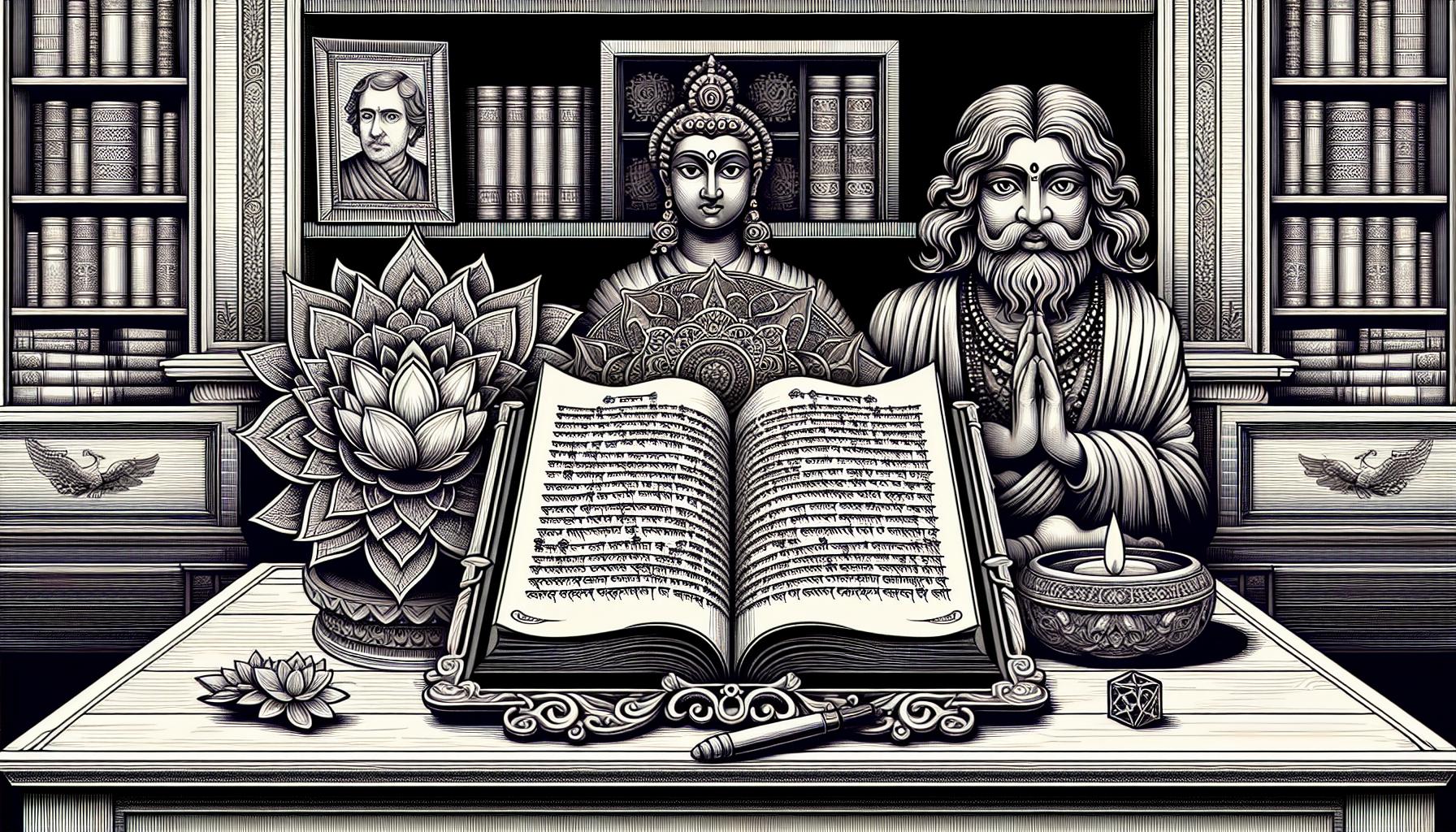
The concept of maya has deep historical roots in Eastern philosophy, influencing various schools of thought and crossing into Western philosophical domains.
Origins in Eastern Philosophy
Maya originates in Hindu texts like the Upanishads and the Vedas. These scriptures describe maya as the force creating a false sense of duality, leading individuals to misidentify with their physical existence. Sankara, an 8th-century philosopher, elaborated on this concept in Advaita Vedanta. He asserted that maya binds individuals to the cycle of birth and rebirth (samsara), causing ignorance (avidya) about one’s true self or Atman. Other philosophers and texts, including the Bhagavad Gita, reinforce the notion of maya as a powerful illusion that must be transcended for spiritual liberation (moksha).
Influence on Western Thought
Maya’s influence extends into Western thought, particularly through transcendentalist and romantic literature in the 19th century. Writers like Ralph Waldo Emerson and Henry David Thoreau incorporated aspects of Eastern philosophy, including the concept of maya, into their works. German philosopher Arthur Schopenhauer also engaged with Hindu and Buddhist concepts, viewing maya as a veil over reality, creating a distinction between the world of appearances and the underlying truth. This cross-cultural engagement highlights how maya serves as a bridge between Eastern metaphysical ideas and Western philosophical inquiries into the nature of reality and self.
By exploring these origins and influences, one can better understand how maya shapes different philosophical perspectives and the enduring quest to transcend illusions and uncover deeper truths.
The Nature of the Self
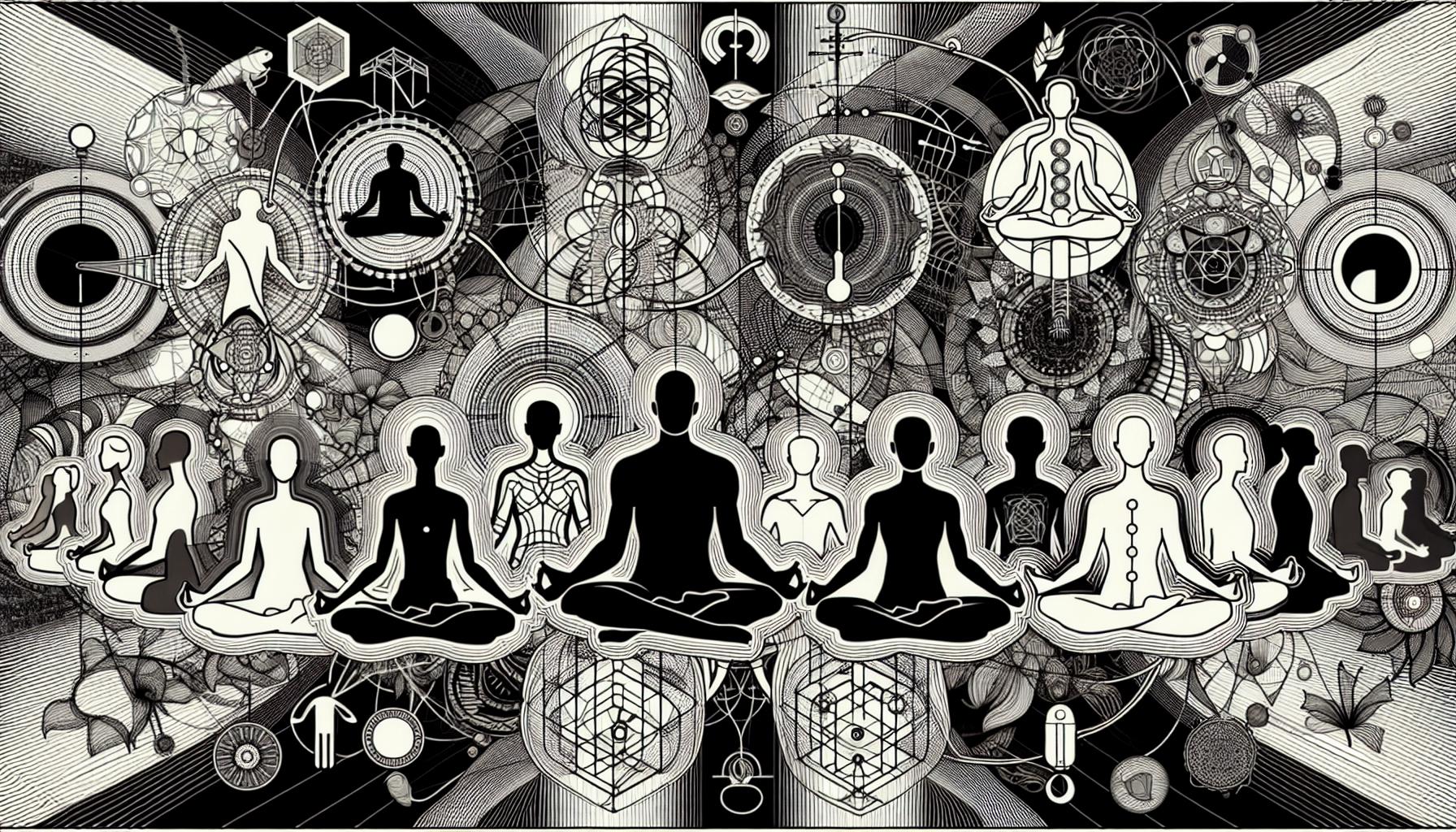
Understanding the nature of the self requires examining definitions, perspectives, and cultural contrasts. I’ll explore these aspects to deepen your comprehension.
Definitions and Perspectives
The self, in many philosophical traditions, represents one’s true essence. Within Hinduism, Advaita Vedanta posits that the self (Atman) is not distinct from the ultimate reality, Brahman. This non-dualistic view contrasts with Western philosophical thought, where the self is often seen as autonomous and individual.
Rene Descartes, a pivotal figure in Western philosophy, famously stated, “I think, hence I am,” emphasizing a mental self-awareness central to existence. Conversely, Advaita Vedanta teaches that identifying with transient thoughts and emotions perpetuates maya’s illusion, obscuring true self-awareness.
Buddhism offers another perspective, describing the self as an impermanent aggregation of five skandhas (form, sensation, perception, mental formations, consciousness). Recognizing the self’s fluidity is key to understanding anatta (non-self), which challenges the notion of a permanent, unchanging identity.
Contrasting Views of Self in Different Cultures
Exploring various cultural perspectives on the self reveals both contrasts and commonalities. In Eastern traditions, the self often transcends individual identity, aiming for unity with a higher consciousness. Hinduism’s Atman aligns with the larger cosmic order of Brahman, while Buddhism’s anatta emphasizes impermanence and interdependence.
In contrast, Western thought typically values individualism and self-assertion. The Greek philosopher Socrates encouraged self-knowledge, yet viewed the self as distinct and knowable. Modern Western psychology continues this legacy, focusing on self-actualization and personal growth.
But, contemporary global exchanges have fostered new understandings. Western philosophers like Alan Watts and writers like Aldous Huxley have integrated Eastern concepts of self, promoting a more holistic view. This blend broadens our grasp of the self, merging insights to transcend cultural boundaries.
Maya’s Illusions and Reality
Maya creates a veil between perception and reality, making it challenging to discern the true nature of the self. Understanding this concept provides insight into how illusions shape our experiences.
Perception vs. Reality
Maya’s illusions distort our perception of reality. In Hindu philosophy, these illusions arise from sensory experiences attaching us to the material world. When people see themselves as separate from Brahman, they misperceive their true essence. Advaita Vedanta teaches that overcoming maya reveals the unity between the individual self and the universal consciousness.
Misperception can lead to a false sense of ego and individuality, creating suffering. To illustrate, consider how attachment to physical possessions or status reinforces the illusion of separateness. Realizing the self’s true nature as part of Brahman transcends these illusions, promoting inner peace and liberation.
The Role of Consciousness
Consciousness plays a pivotal role in exploring maya’s illusions. Awareness of the self’s true nature helps distinguish reality from illusion. In Advaita Vedanta, higher consciousness is accessible through self-inquiry and meditation, dissolving maya.
The conscious mind acts as a tool for liberation when directed inward. For example, mindfulness practices enable individuals to observe thoughts and emotions without attachment, revealing their transient nature. This awareness aligns with the concept that the ultimate reality, or Brahman, transcends all temporary forms and experiences created by maya.
Leveraging consciousness to see beyond illusions fosters a deeper understanding of the self and universe, empowering individuals to break free from maya’s deceptive grasp.
Philosophical Implications
The concept of maya has profound implications for understanding the nature of the self. By exploring these, we gain insights into how perception and reality intersect.
Maya in Modern Psychology
Modern psychology often grapples with how perception shapes our understanding of reality. Maya, as an ancient concept, aligns with contemporary theories on cognitive biases. Cognitive biases, like confirmation bias and the anchoring effect, illustrate how our minds construct a version of reality that may not align with objective truth. For example, experts view cognitive therapies as tools for identifying and challenging these distorted perceptions, much like self-inquiry in Advaita Vedanta aims to transcend maya. Addressing these biases can help individuals achieve a more accurate understanding of themselves, bridging ancient wisdom with modern techniques.
Ethical Considerations
Maya’s role in distorting reality holds ethical implications for individual and societal actions. If people perceive the world through a lens of illusion, their actions may not reflect true reality, potentially causing harm. For instance, misjudging others based on superficial characteristics rooted in maya can lead to discrimination and conflict. Ethical principles rooted in clarity and empathy emphasize mindfulness and self-awareness to counteract these distortions. By overcoming maya, it’s possible to make more ethical choices, contributing to personal integrity and social harmony.
Contemporary Relevance
The concept of maya and the nature of the self aren’t just ancient philosophies; they offer valuable insights for today’s world.
Application in Daily Life
Understanding maya helps navigate the complexities of daily life. Awareness of illusion aids in making mindful decisions. When faced with stressful situations, recognizing the impermanence reduces anxiety. For example, in work environments, acknowledging the transient nature of difficulties improves resilience. Practicing meditation enhances focus and provides clarity, fostering a balanced life. By identifying and addressing cognitive biases, collaboration improves, leading to healthier relationships. So, integrating these practices leads to a more conscious and fulfilling existence.
Reflections in Modern Media
Modern media often explores themes similar to maya and self-perception. Movies like “The Matrix” depict reality’s illusion and question our understanding. TV shows such as “Westworld” explore consciousness and identity. Books like “Siddhartha” by Hermann Hesse reflect self-discovery and enlightenment. These narratives resonate because they echo our own quest for truth amid illusion. They highlight maya’s relevance by drawing parallels between fictional worlds and our lived experiences. This continued exploration in media underscores the enduring impact of these ancient concepts on contemporary thought.
Conclusion
Understanding maya and the nature of the self offers profound insights into our perceptions and actions. By embracing self-inquiry, meditation, and mindfulness, we can navigate through life’s illusions and foster personal growth. Ancient wisdom and modern psychology both highlight the importance of recognizing cognitive biases and ethical considerations. This awareness not only enhances our personal integrity but also contributes to social harmony. In today’s rapid world, applying these concepts can lead to more mindful decisions, reduced anxiety, and improved resilience. Maya’s enduring relevance continues to shape our understanding of reality and the self, guiding us toward a more conscious and empathetic existence.
Sources & further reading
These themes are explored in greater depth across the following authoritative resources:
- Stanford Encyclopedia of Philosophy, Hindu Philosophy
- Britannica, Dharma
- Britannica, Karma
- Internet Sacred Text Archive, Bhagavad Gita
- A. K. Ramanujan, Speaking of Siva (Penguin Classics, 1973)
External resources for further reading. Apam Napat is not affiliated with these publishers; citation does not imply endorsement.
Frequently asked questions
What is Maya in Hindu philosophy?
How does Maya affect the self according to the Upanishads?
What did Sankara teach about Maya?
What are the key elements of Maya?
Based on the classical texts of Hindu mythology, see our sources.