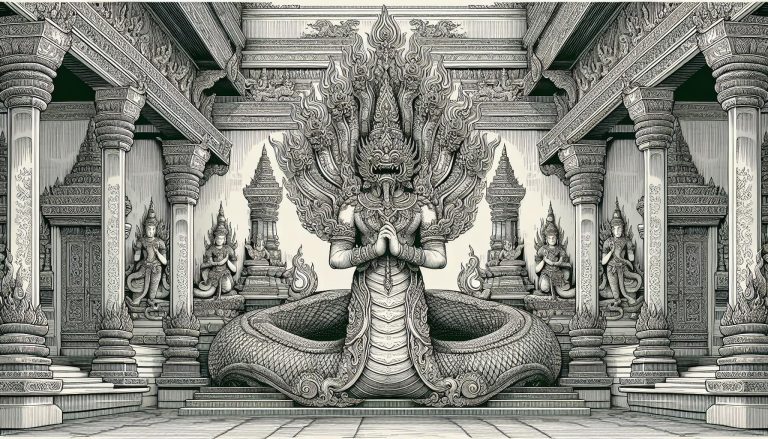
I find the Naga particularly intriguing because they embody duality—both feared and revered. They can bring rain to nourish crops or floods to devastate lands. This dual nature makes them complex characters in mythologies, offering a rich world of narratives that captivate the imagination. Jump into the world of Naga, and you’ll discover a area where divine and earthly elements intertwine in the most enchanting ways.
Origin Of Naga Divine Creatures
Naga divine creatures originate in ancient Indian mythology. They first appeared in Hindu and Buddhist texts, each portraying them differently. In Hinduism, the Nagas are water deities associated with rivers, lakes, and seas. They’re linked to rain and fertility, symbolizing both creation and destruction. For instance, Ananta-Shesha, the cosmic serpent, serves as Vishnu – The Protector’s resting place during cosmic dissolution.
Buddhist traditions describe Nagas as protectors of the Buddha and his teachings. They often appear in sculptures and paintings safeguarding sacred relics. These texts depict Nagas as sentient beings with the power to transform from serpents to human forms. They dwell in magnificent underwater palaces, ruling over treasures and pearls.
The Naga legends spread to Southeast Asia through trade and cultural exchanges. Countries like Cambodia, Thailand, and Indonesia adopted and adapted these stories into local folklore. The Mekong River is named after these divine creatures, with “Mekong” deriving from “Mae Nam Khong,” translating to “Mother of Water Naga” in Thai and Lao.
These origin stories show how Naga divine creatures play a significant role in various cultures. Their depiction as both gods and guardians illustrates their complex nature and enduring legacy in mythology.
Significance In Hindu Mythology
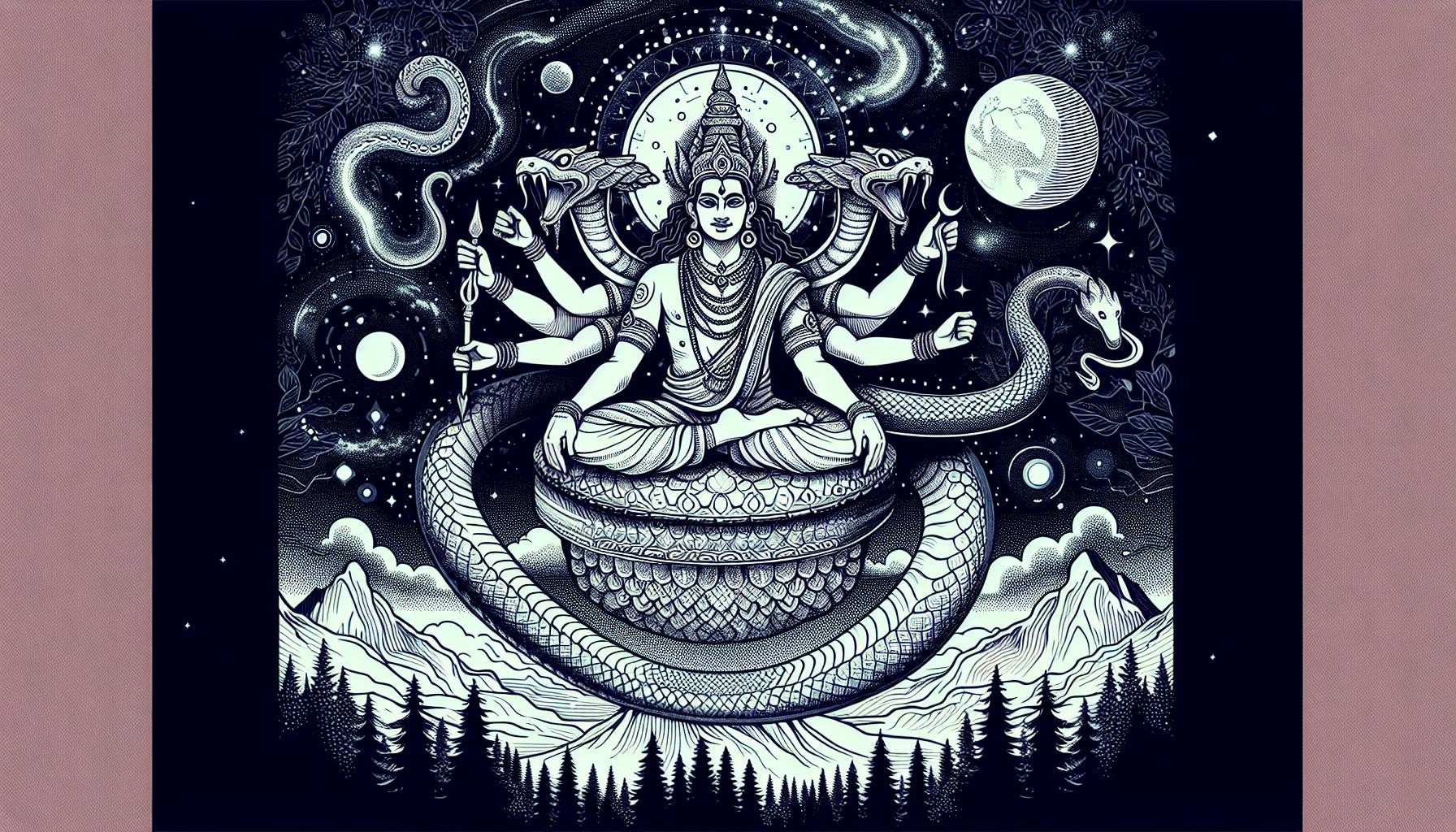
Nagas hold a profound position in Hindu mythology, embodying various aspects of divinity and the natural world.
Role In Creation Myths
Nagas play vital roles in Hindu creation myths. They are closely linked to the cosmic process. Ananta-Shesha, also known as the Infinite Serpent, is a prominent Naga. This divine serpent supports the earth and serves as Lord Vishnu’s bed during cosmic dissolution. Besides, the Churning of the Ocean of Milk, an essential creation myth, involves Vasuki – The King of Serpents, the king of Nagas, acting as the churning rope.
Relationship With Other Gods
Nagas have intricate relationships with other Hindu gods. They are often associated with Shiva and Vishnu. For instance, Shiva wears Vasuki around his neck, symbolizing power and control over destructive forces. In contrast, Nagas also serve as protectors and associates of Vishnu, residing in his area. Also, their connection with the goddess Manasa highlights their significance in fertility and prosperity rites.
Depictions In Art And Literature
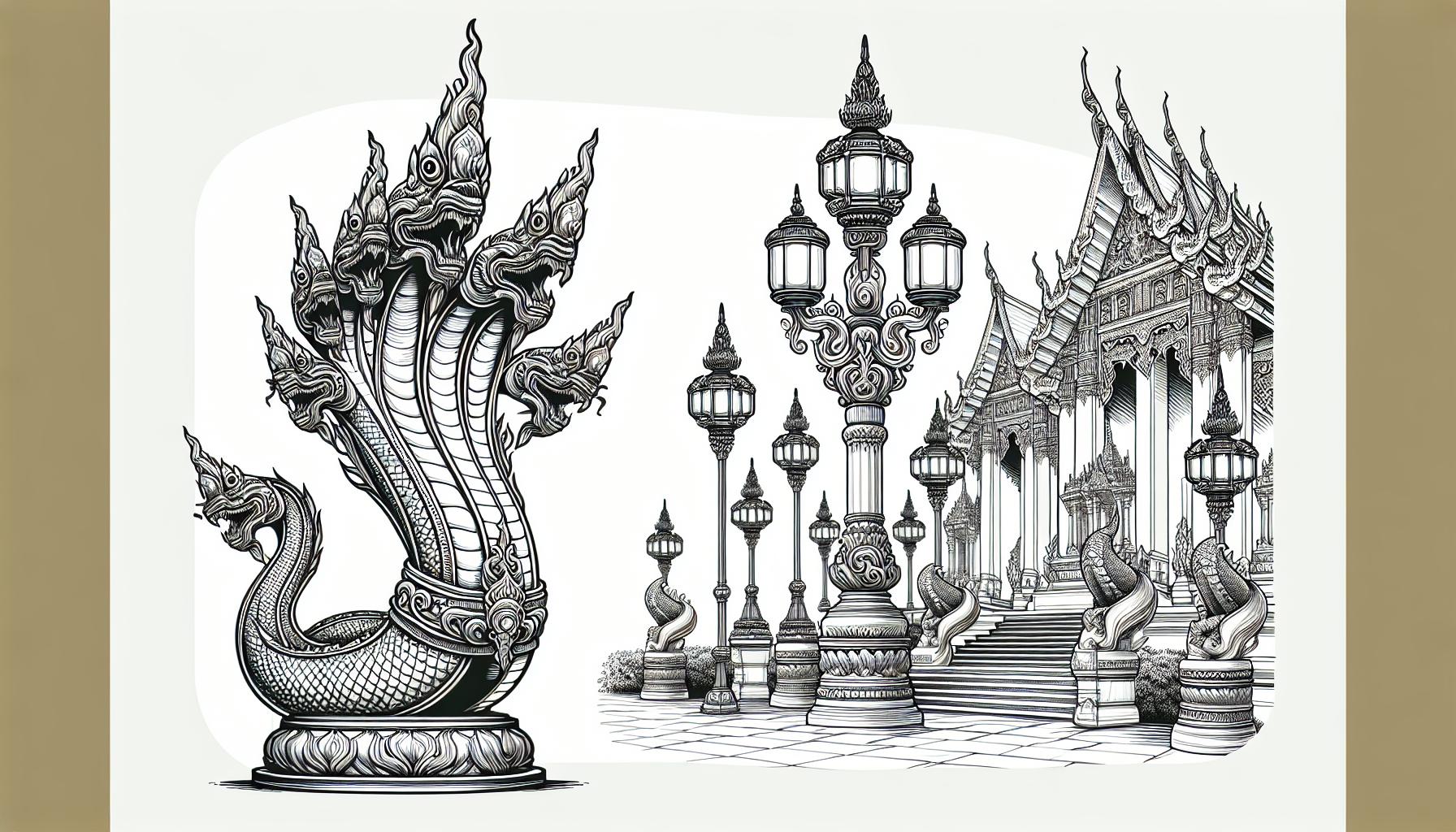
Naga divine creatures have captivated artists and writers across cultures, inspiring numerous representations that reflect their mythical significance.
Ancient Texts And Scriptures
Ancient texts underline the mythological importance of Nagas. In the Mahabharata – The Great Epic, texts describe the Nagas as a powerful race living in Patala, with Vasuki as their leader. The Puranas, notably the Vishnu Purana, detail Naga’s roles and their interactions with gods. Buddhist scriptures like the Jataka tales recount how Nagas protect and honor the Buddha. These literary works illustrate the deep reverence and multifaceted roles of Nagas in spiritual narratives.
Iconography And Statues
Artistic depictions of Nagas showcase their dual forms. Statues often present them with human torsos and serpent bodies, sometimes featuring multiple heads. Southeast Asian temples like Angkor Wat in Cambodia house elaborate Naga statues, symbolizing protection and spirituality. In India, sculptors carve stone reliefs of Nagas beside deities in temple architecture. These representations vary across regions but consistently emphasize their divine and guardian qualities.
Cultural Influence And Modern Interpretations

Naga divine creatures continue to shape cultural practices and contemporary perspectives. Their significance extends beyond ancient traditions into festivals, rituals, and media.
Festivals And Rituals
Nagas feature prominently in various festivals and rituals. In India, the Nag Panchami festival, celebrated in August, honors Nagas with offerings and prayers. Devotees visit temples, particularly in states like Maharashtra and Bengal, to seek protection and blessings. In Thailand, the Naga Fireball Festival occurs along the Mekong River, where glowing orbs rise from the water, believed to be Nagas’ mystical breath. These festivals reinforce the Nagas’ cultural importance, bridging ancient beliefs with modern practices.
Representation In Media
Modern media portray Nagas in diverse forms. Indian television series like “Naagin” depict Nagas as shape-shifting beings involved in epic tales of love and revenge. Films such as the South Indian movie “Arundhati – The Ideal Wife” highlight the Nagas’ protective and destructive duality. In literature, novels like “The Naga Trilogy” by Amish Tripathi reimagine Nagas within mythological contexts, merging past and present narratives. These representations in media keep the legends of Nagas alive, offering new generations a window into their mythical world.
Comparisons With Other Mythological Creatures
Naga divine creatures often draw comparisons with other mythological beings due to their unique characteristics and significant roles in folklore.
Similarities With Dragons
Nagas share several similarities with dragons found in various mythologies. Both are often depicted as serpent-like beings possessing immense power. In many cultures, dragons and Nagas control water elements, symbolizing fertility and creation. They serve as guardians of treasures or sacred sites. For instance, Chinese dragons are revered for their control over rain and rivers, similar to Nagas’ dominion over aquatic realms.
Differences From Serpents
Even though their serpent-like appearance, Nagas differ significantly from ordinary serpents. They possess divine attributes, allowing transformations between human and serpent forms. Unlike ordinary serpents, Nagas have complex roles in mythologies, such as being protectors, creators, and destroyers. In Hindu and Buddhist traditions, Nagas often act as intermediaries between gods and humans, unlike serpents that are typically symbolic of deceit or danger.
Conclusion
Exploring the rich world of Naga divine creatures has truly been enlightening. Their transformative nature and complex roles in mythology reflect profound cultural and spiritual significance. From ancient texts to modern media Nagas continue to captivate and inspire. Their enduring presence in festivals and rituals highlights their ongoing influence bridging the ancient and the contemporary. As guardians creators and intermediaries Nagas offer a fascinating lens through which we can appreciate the depth of Hindu and Buddhist traditions. Their legacy lives on reminding us of the timeless power of myth and its ability to shape our understanding of the world.
Sources & further reading
These themes are explored in greater depth across the following authoritative resources:
- Britannica, Asura
- Britannica, Naga
- Mythopedia, Hindu Mythology
- Internet Sacred Text Archive, Mahabharata
- Wendy Doniger, Hindu Myths (Penguin Classics, 1975)
External resources for further reading. Apam Napat is not affiliated with these publishers; citation does not imply endorsement.
Frequently asked questions
What is the origin of Naga divine creatures?
Where does the name Mekong come from?
What is Ananta-Shesha's role in Hindu cosmology?
How do Nagas appear in Buddhist tradition?
How do Nagas differ from ordinary serpents?
Based on the classical texts of Hindu mythology, see our sources.