
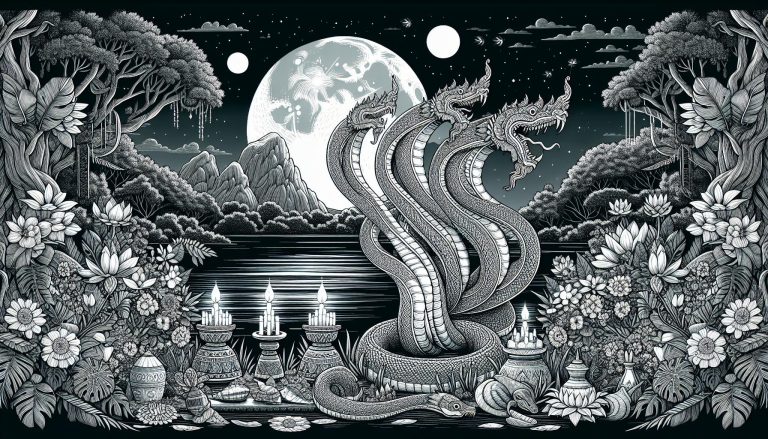
As I delved deeper into the world of naga serpent magic, I discovered a rich world of rituals, legends, and spiritual practices. From sacred temples to ancient texts, the nagas hold a revered place, symbolizing protection, fertility, and hidden wisdom. Their magic isn’t just about mythical tales; it’s a living tradition that continues to influence and inspire.
Origins Of Naga Serpent Magic
Naga serpent magic has ancient roots, woven deeply into the mythologies, rituals, and cultural practices of South and Southeast Asia. Understanding its origins offers valuable insights into its enduring significance.
Mythological Background
Naga serpent magic originates from ancient mythologies. In Hinduism, Nagas are semi-divine beings often depicted as half-human and half-cobra. They reside in the netherworld and sometimes in water bodies like rivers, lakes, and seas. According to Buddhist texts, Nagas can take on a human form and possess immense knowledge, which they share with those they find worthy. Ancient texts like the Mahabharata – The Great Epic describe Nagas as protectors of treasures and sacred places. Examples include the serpent king Vasuki – The King of Serpents, who wrapped himself around Mount Mandara during the churning of the ocean.
Cultural Significance
Naga serpent magic holds substantial cultural significance, influencing various traditions and rituals. In India, Nag Panchami is a festival dedicated to worshipping Nagas, where devotees present milk and flowers to serpent idols. In Thailand and Cambodia, Nagas are seen as guardians of water and are believed to bring rainfall, essential for agriculture. The beautiful Naga statues in Angkor Wat exemplify this belief. Practices involving Naga serpent magic are often connected to fertility and protection rites. For instance, women seeking to conceive might invoke the blessings of Nagas during specific ceremonies. Similarly, households may keep serpent symbols for protection against evil forces.
Symbolism In Naga Serpent Magic
Naga serpent magic holds deep symbolic meaning across various cultures. It embodies elements of protection, power, and mystery found in mythologies and rituals spanning millennia.
Common Symbols And Their Meanings
Naga serpent symbols often represent transformation and rebirth. Serpents shedding their skin signify renewal and cyclical time. In Hinduism, Nagas protect treasures and secrets, symbolizing guardianship and hidden wisdom. Buddhist texts depict Nagas providing rain, making them symbols of life-giving water and fertility. In many traditions, holding a serpent indicates control over primal forces.
Connection To Nature
Naga serpent magic is intertwined with natural elements. Nagas are often seen as water spirits, governing rivers and rainfall. Their presence ensures agricultural prosperity and fertility. In Thailand, serpent ceremonies include offerings to guarantee a healthy flow of water. This connection to nature underscores a symbiotic relationship between people and their environment, rooted in respect for natural cycles and forces.
Rituals And Practices
Naga serpent magic involves various rituals and practices deeply embedded in cultural traditions. These rituals often reflect the symbolic meanings of Nagas and their connection to nature.
Common Rituals
Common rituals in naga serpent magic include invocations and offerings. Devotees invoke Nagas through specific chants and prayers, aiming to gain protection, fertility, or wisdom. Offerings, such as flowers, milk, and sweets, are commonly presented to the Nagas at sacred sites, including temples and riverbanks. Water plays a crucial role in these rituals, emphasizing the connection between Nagas and natural elements.
Tools And Artifacts
Tools and artifacts hold significant importance in naga serpent magic. Practitioners often use statues, amulets, and ritualistic items to channel naga energy. A popular artifact is the naga statue, usually crafted from stone or bronze, representing the serpent deity. Amulets, often adorned with serpent imagery, are worn for protection and power. Ritualistic items like conch shells, used for their sacred sound, and specific ceremonial bowls, used in water offerings, are also integral.
Ceremonial Garments
Ceremonial garments in naga serpent magic rituals are usually traditional and symbolic. Practitioners wear these garments to honor Nagas and the ritual’s sanctity. Commonly, these garments include richly embroidered robes and sarongs, often in colors like green and gold symbolizing renewal and prosperity. Jewelry, particularly serpent-shaped bracelets and necklaces, is also worn to reinforce the connection with the serpent deity.
Naga Serpent Magic In Modern Times
Naga serpent magic remains vibrant today, blending ancient traditions with contemporary contexts. People across the world continue to invoke these mystical entities for various purposes.
Contemporary Practices
Practitioners integrate naga serpent magic into modern rituals and healing arts. Yoga instructors incorporate serpent imagery and postures, like the cobra pose, to channel naga energy. Meditation guides focusing on Kundalini awakening often evoke the naga serpent’s coiled power at the spine’s base.
In spiritual communities, ceremonies adapted for urban settings involve offering flowers, candles, and prayers to naga altars. Practitioners believe these rituals invoke protection, prosperity, and spiritual awakening. The use of amulets and statues remains common, often crafted from modern materials yet retaining traditional designs.
Influence On Popular Culture
Naga serpents feature prominently in modern literature, films, and games. In novels, they symbolize hidden knowledge and transformation, enriching fantasy worlds. Films, especially in Southeast Asian cinema, portray them as guardians or antagonists, embodying both mystery and power.
Video games showcase nagas as powerful characters or bosses, drawing on their mythological attributes. These representations not only entertain but also introduce broader audiences to the cultural significance of naga serpent magic. Through these media, the legendary allure and mystique of the naga continue to captivate and inspire.
Conclusion
Naga serpent magic continues to captivate and inspire people across cultures and generations. Its rich world of mythology and ritual offers a profound connection to nature and the divine. Whether through ancient rites or modern adaptations naga serpent magic serves as a powerful reminder of our enduring quest for protection transformation and hidden knowledge. As we integrate these mystical practices into contemporary life we honor a tradition that bridges the past and present enriching our spiritual journeys and cultural narratives.
Sources & further reading
These themes are explored in greater depth across the following authoritative resources:
- Britannica, Asura
- Britannica, Naga
- Mythopedia, Hindu Mythology
- Internet Sacred Text Archive, Mahabharata
- Wendy Doniger, Hindu Myths (Penguin Classics, 1975)
External resources for further reading. Apam Napat is not affiliated with these publishers; citation does not imply endorsement.
Based on the classical texts of Hindu mythology, see our sources.