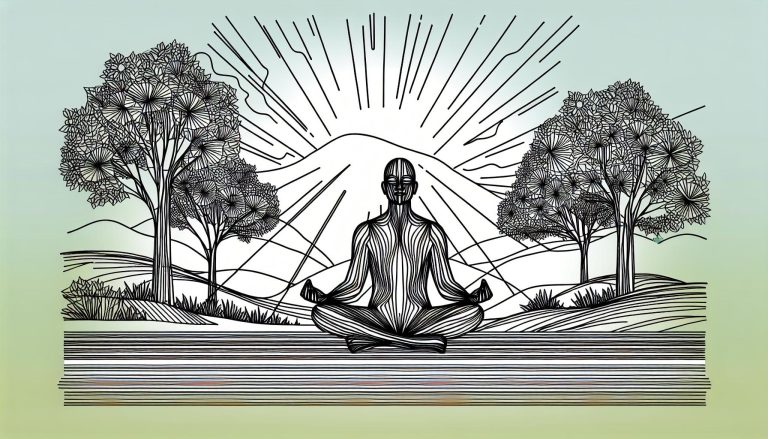
In exploring these divine liaisons, I’ve discovered that they can take many forms—from mystical visions and dreams to profound moments of intuition and guidance. These experiences often leave a lasting impact, shaping our beliefs and guiding our actions. Join me as I investigate into the world of spiritual divine liaisons and uncover the mysteries and meanings behind these extraordinary encounters.
Understanding Spiritual Divine Liaisons
Spiritual divine liaisons refer to sacred encounters where humans connect with divine entities. These experiences, often transcending ordinary perception, shape spiritual beliefs and guide actions.
Forms of Divine Liaisons
- Mystical Visions: Mystical visions (such as encountering a deity) provide profound spiritual insight and often lead to transformative life changes.
- Dreams: Dreams involving divine figures can offer guidance and reveal hidden truths, making them significant in many traditions.
- Intuition: Moments of heightened intuition (like gut feelings) can sometimes be perceived as divine messages, steering individuals towards meaningful decisions.
The Impact on Beliefs
- Faith Strengthening: These liaisons strengthen faith, giving deeper conviction in spiritual practices and beliefs.
- Moral Guidance: Divine encounters often provide moral direction, helping individuals navigate ethical dilemmas.
- Sense of Purpose: They can instill a profound sense of purpose, with individuals feeling chosen or guided by higher powers.
- Christianity: Saints experiencing visions of Jesus or the Virgin Mary, such as St. Bernadette’s visions at Lourdes.
- Hinduism: Divine conversations with deities like those depicted in the Bhagavad Gita, where Arjuna – The Peerless Archer speaks to Krishna – An Incarnation of Vishnu.
- Islam: The Prophet Muhammad’s experiences with the Angel Gabriel, receiving the Quranic revelations.
Understanding spiritual divine liaisons helps in recognizing their profound role within personal and collective spiritual journeys. These encounters, regardless of form, influence belief systems, providing guidance and reshaping lives.
Historical Context
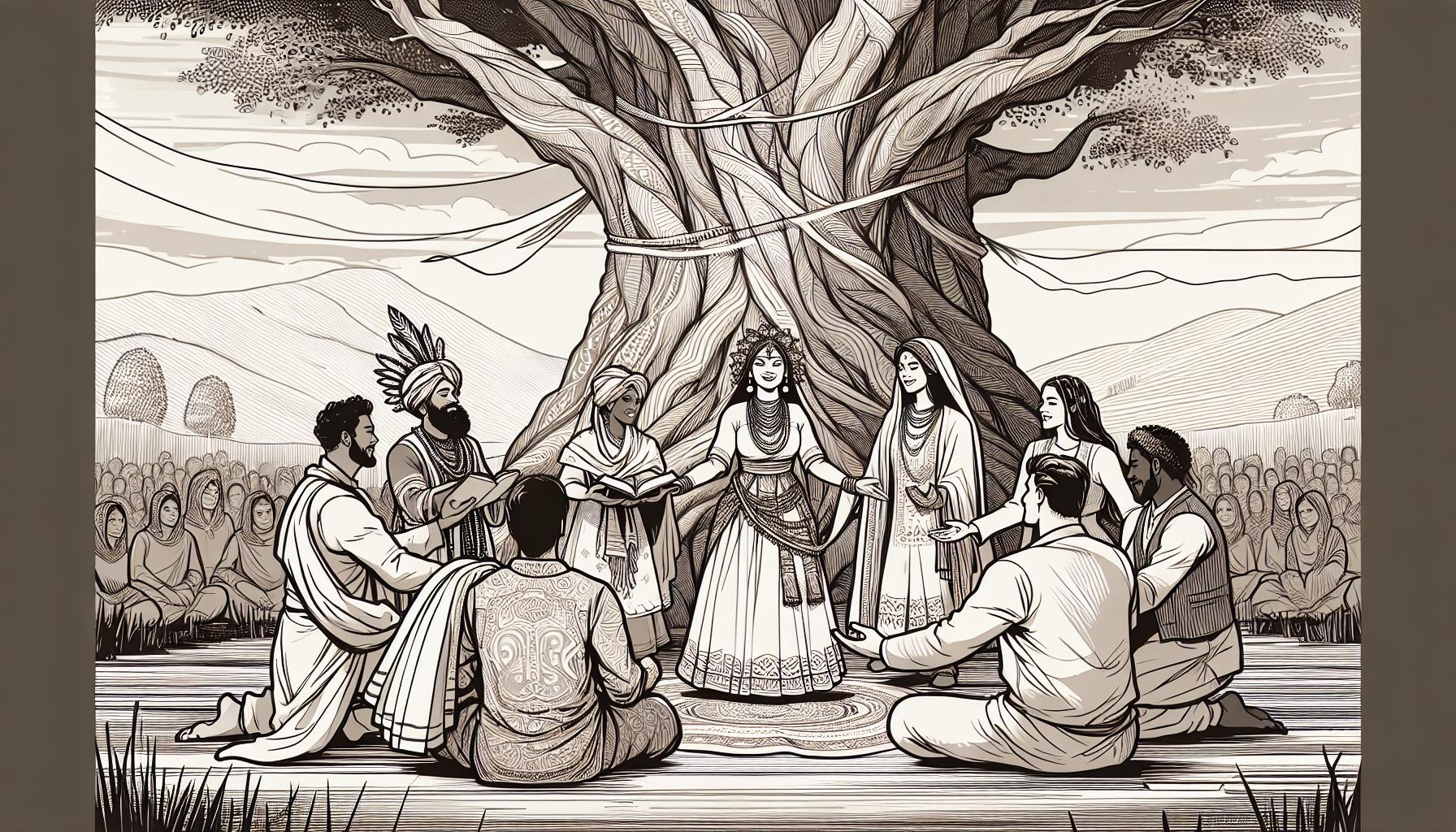
Many Indigenous peoples faced systemic barriers when practicing Indigenous Spirituality. Government and church authorities actively suppressed and denigrated Indigenous culture, language, and ways of life, aiming to destroy and assimilate Indigenous peoples.
Ancient Practices
Ancient practices of speaking in tongues, known as Light Language, span various spiritual traditions. Christianity sees it as a gift of the Holy Spirit. In Hinduism and Tantric Yoga, it’s tied to spiritual evolution and expansion. Notable historical instances include the 12th Century reports by Hildigard of Bingen and the Quakers in the 17th Century.
Cultural Significance
Cultural significance intertwines deeply with spiritual practices. These practices offer a sense of identity, continuity, and belonging. For Indigenous communities, even though suppression, maintaining traditional spiritual practices is vital for preserving culture and heritage.
Types of Divine Liaisons
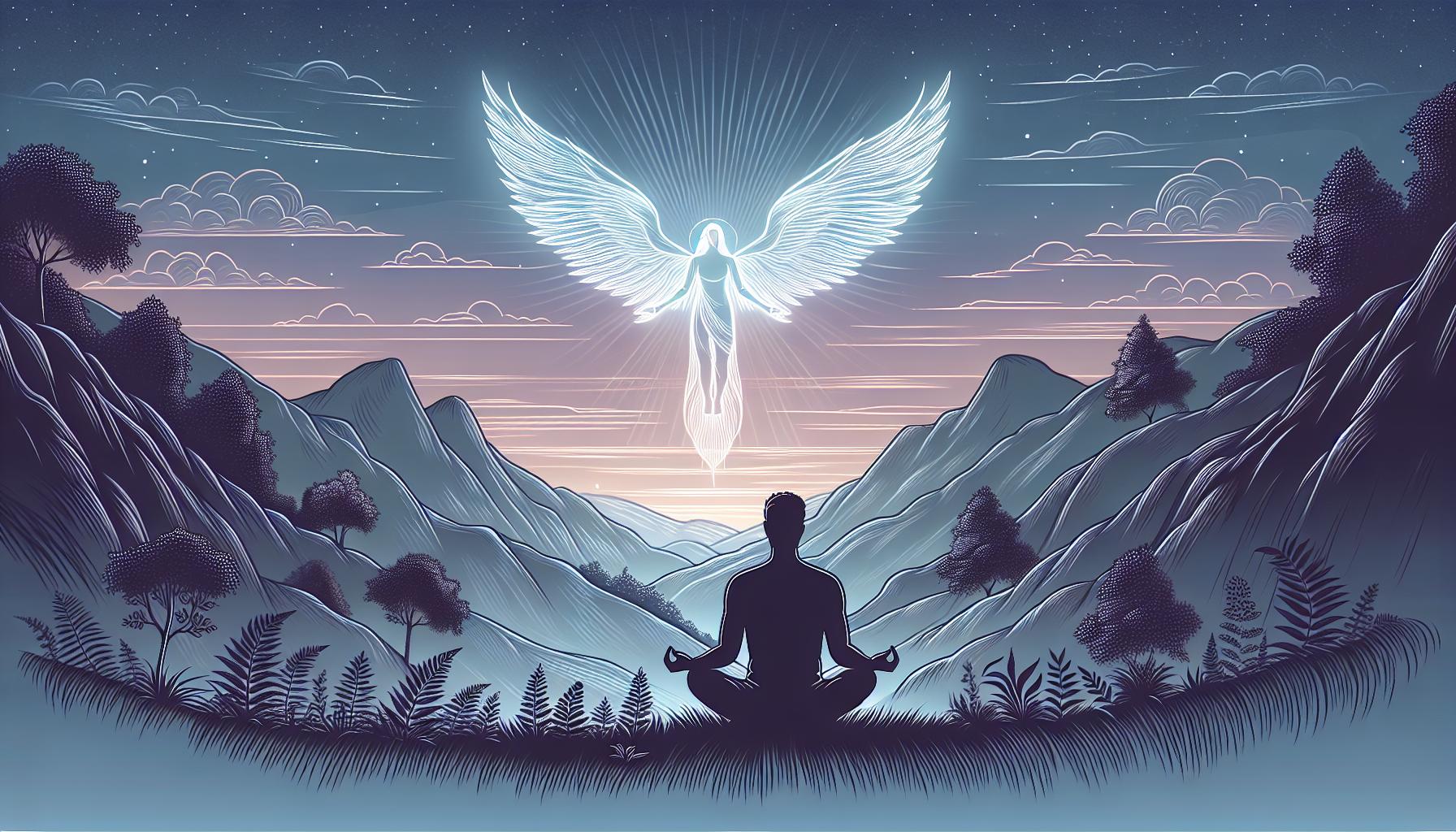
There are various forms of divine liaisons that play significant roles in spiritual beliefs. Guardian angels and spirit guides are among the most recognized types.
Guardian Angels
Guardian angels provide protection and guidance. Often depicted in Christian tradition, they’re believed to be assigned to individuals at birth to offer support and avert harm. For instance, many recount experiences of near-misses or unexplainable safety, attributing these events to guardian angels.
Spirit Guides
Spirit guides assist in personal growth and spiritual enlightenment. Unlike guardian angels, they can vary in form and sometimes embody ancestors or enlightened entities from other realms. Commonly associated with Indigenous traditions, spirit guides often communicate through visions, dreams, or meditative states, guiding people towards their life purpose and helping them navigate challenges.
Experiences and Encounters
Exploring experiences and encounters with the divine reveals profound insights into the spiritual area. Individual testimonies and documented cases provide valuable examples of these spiritual liaisons.
Personal Testimonies
Daren Mehl’s Testimony
Daren Mehl, a Minnesota resident, shared his journey of self-reflection and spiritual awakening. He focused on deepening his connection with his Creator through conscious introspection. Daren’s experience underscores the transformative power of prioritizing spiritual relationships.
Michael Eker’s Testimony
Michael Eker, from Sheffield, England, recounted his transition from a non-spiritual background to discovering faith. Drawn to Bethlehem Bible College, he eventually volunteered there, guided by a series of “divine encounters.” Michael’s story highlights the impact of spiritual experiences in finding one’s path.
Documented Cases
Mediumship and Near-Death Experiences
Research on mediumship and near-death experiences (NDEs) offers insights into the potential of life after death. Studies on individuals like Leonora Piper and Chico Xavier provided evidence of acquiring accurate information about deceased individuals through non-ordinary means. These cases exemplify the profound connections between the living and the spiritual world.
The Role of Meditation and Prayer
Meditation and prayer play a crucial role in fostering spiritual divine liaisons by helping individuals connect with higher powers or the divine.
Techniques for Connecting
Meditation practices, such as contemplative prayer, help individuals connect with the divine. Techniques include focusing on the breath, using mantras, or engaging in loving-kindness meditation. Breath focus brings awareness and calm, while mantras provide a rhythmic pattern to aid concentration. Loving-kindness meditation, which involves sending positive thoughts to oneself and others, fosters compassion and a sense of connection.
Prayer serves as a key practice across many spiritual traditions, facilitating communication with a higher power. It can be performed individually or in groups and may involve rituals, chanting, or silent reflection. Individual prayers allow personal, direct interaction with the divine, whereas group prayers create a sense of community and shared spiritual experience. Rituals and chanting offer a structured framework, enhancing focus and intention.
Spiritual disciplines such as fasting, journaling, and pilgrimage further cultivate a deeper connection with the divine. Fasting purifies the body and mind, journaling helps articulate and reflect on spiritual experiences, and pilgrimages provide a physical journey towards spiritual growth.
Benefits of Spiritual Practices
Spiritual practices like meditation and prayer offer numerous benefits. They promote mental and emotional well-being by reducing stress and anxiety. For example, regular meditation can lower cortisol levels, leading to decreased stress. Prayer fosters a sense of peace and provides comfort during challenging times.
These practices also enhance self-awareness and personal growth. By reflecting inwardly, individuals gain insight into their thoughts, emotions, and behaviors. This increased self-awareness helps in making mindful decisions aligned with one’s spiritual values.
Also, engaging in spiritual disciplines fosters a sense of community and interconnectedness. Group prayers and shared rituals build bonds among participants, creating a supportive spiritual network. Overall, these practices enrich one’s spiritual journey, providing both personal and communal fulfillment.
Common Misconceptions
Misconceptions about spiritual divine liaisons arise frequently. Many believe they’re exclusive to certain religions, but divine experiences occur across various faiths. For instance, both Christians and Buddhists report divine encounters.
Another common misconception is that only clergy and holy people can have these liaisons. In reality, individuals from all walks of life experience them. A nurse might have a profound spiritual moment while caring for a patient.
Some assume that spiritual divine liaisons always involve visions or dramatic events. But, subtle experiences like feelings of peace or guidance also qualify.
Misunderstandings about the effort required create barriers for some. People think they need extensive training or must lead a perfect life. But simple practices like meditation or prayer can foster profound connections.
Believing that scientific advancements render spiritual experiences invalid is another fallacy. Science and spirituality often intersect, offering complementary perspectives. Near-death experiences, often seen as divine encounters, have been documented and studied by scientists.
Overall, these misconceptions can hinder one’s spiritual journey. Realizing that divine liaisons are accessible to everyone, regardless of background or beliefs, opens up new possibilities for personal growth and connection.
Conclusion
Exploring spiritual divine liaisons has shown me the profound impact of meditation prayer and various spiritual disciplines on our connection with the divine. These practices are accessible to everyone regardless of religious background or belief system. By embracing techniques like breath focus and loving-kindness meditation we open ourselves to subtle yet powerful experiences that foster personal growth and deeper connections. Misconceptions about the exclusivity and effort required to achieve these liaisons are just that—misconceptions. Science and spirituality can intersect harmoniously allowing us to access divine connections that enrich our lives.
Sources & further reading
These themes are explored in greater depth across the following authoritative resources:
- Britannica, Asura
- Britannica, Naga
- Mythopedia, Hindu Mythology
- Internet Sacred Text Archive, Mahabharata
- Wendy Doniger, Hindu Myths (Penguin Classics, 1975)
External resources for further reading. Apam Napat is not affiliated with these publishers; citation does not imply endorsement.
Frequently asked questions
What are spiritual divine liaisons?
What forms can divine liaisons take?
How do divine liaisons impact spiritual seekers?
Why are divine liaisons significant across traditions?
Based on the classical texts of Hindu mythology, see our sources.