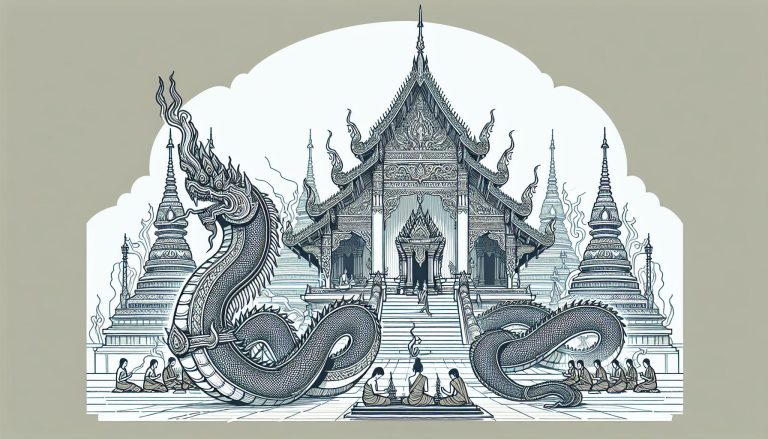
As I delved deeper into their lore, I discovered that the Nagas’ powers aren’t just limited to ancient myths but continue to influence contemporary spiritual practices. Understanding their divine capabilities offers a glimpse into a rich world of beliefs and rituals that have shaped human history. Join me as we explore the captivating area of Naga divine powers and uncover the mysteries behind these legendary entities.
Understanding Naga Divine Powers
Naga divine powers are fascinating and multifaceted. These mythical beings possess elemental control, often depicted in their ability to manipulate water, fire, or earth. For instance, Nagas can create rainstorms or summon fire at will, demonstrating their mastery over natural elements.
Some traditions attribute healing abilities to Nagas. They can cure diseases and purify water sources, enhancing their role as protectors of life. In stories, Nagas often provide magical elixirs or herbs to cure ailments and restore vitality.
Nagas can bestow both blessings and curses. They grant wealth, fertility, and prosperity to devotees or, conversely, cast dire misfortune on those who wrong them. For example, a Naga might bless a devoted follower with an abundant harvest or curse a blasphemer with bad luck.
Shape-shifting is another remarkable power associated with Nagas. They assume human forms to interact with humans more easily. This transformation allows them to integrate into human society, guiding and protecting people while remaining undetected.
In folklore, Nagas often act as guardians of treasures. They protect hidden wealth or sacred knowledge, ensuring only the worthy can access these riches. Legends frequently depict Nagas guarding hidden treasures deep within the earth or at the bottom of rivers.
Naga divine powers play a crucial role in spiritual rituals. In various cultures, ceremonies invoke Nagas for protection, rain, fertility, and prosperity. For instance, farmers might conduct rituals to appease Nagas for a bountiful harvest, highlighting their integral presence in daily life.
Recognizing these powers offers a glimpse into the profound cultural and spiritual importance of Nagas. Understanding their abilities helps appreciate how deeply they influence myths, rituals, and daily practices, enriching the world of human belief systems.
Historical Background of Naga Worship
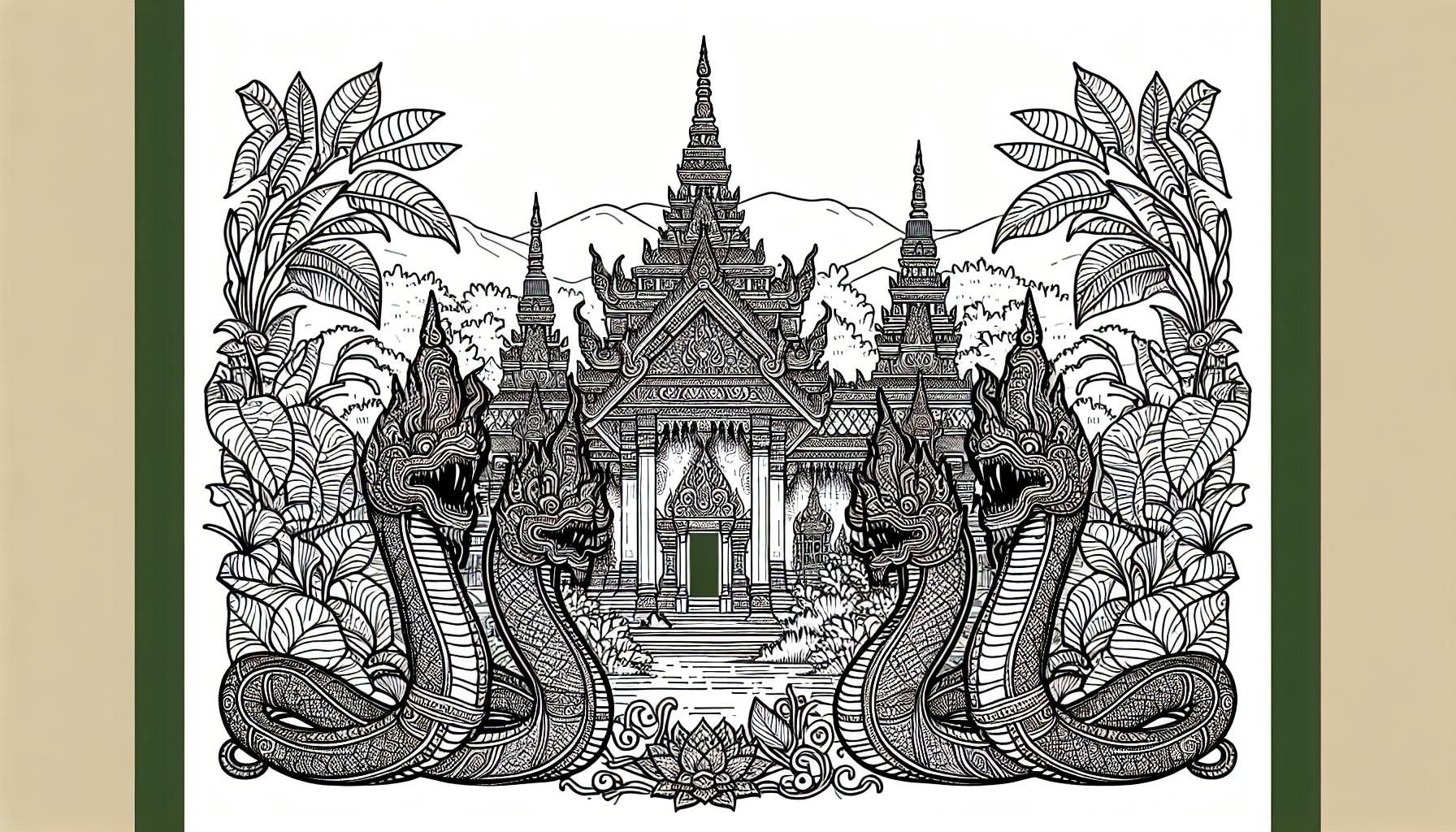
Naga worship has a rich history, interwoven with ancient myths and geographically diverse cultural impacts. Examining these elements showcases the deep roots and the universal reverence for Nagas.
Ancient Myths and Legends
Ancient myths reflect the reverence for Nagas as divine beings. In Hindu mythology, Vasuki – The King of Serpents, the serpent king, plays a pivotal role during the churning of the ocean (Samudra Manthan). Buddhist texts often depict Muchalinda, the Naga king, shielding Buddha from the elements during meditation. In Jainism, Dharanendra and Padmavati are significant Naga deities. These legends illustrate the protective and mystical qualities attributed to Nagas, highlighting their importance in different religious narratives.
Geographic Spread and Cultural Impact
The significance of Nagas spans various regions, from Southeast Asia to the Indian subcontinent. In Cambodia, Nagas symbolize cosmic order and are prominently featured in Angkor Wat’s architecture. Thailand’s Phaya Naga is revered as a guardian of rivers and waterways. Locally, Indian states like Kerala and Manipur celebrate Naga Panchami, a festival dedicated to Naga worship. These geographical ties emphasize how Naga worship transcends cultural boundaries, influencing architectural styles, religious practices, and daily lives across multiple societies.
Types of Naga Divine Powers
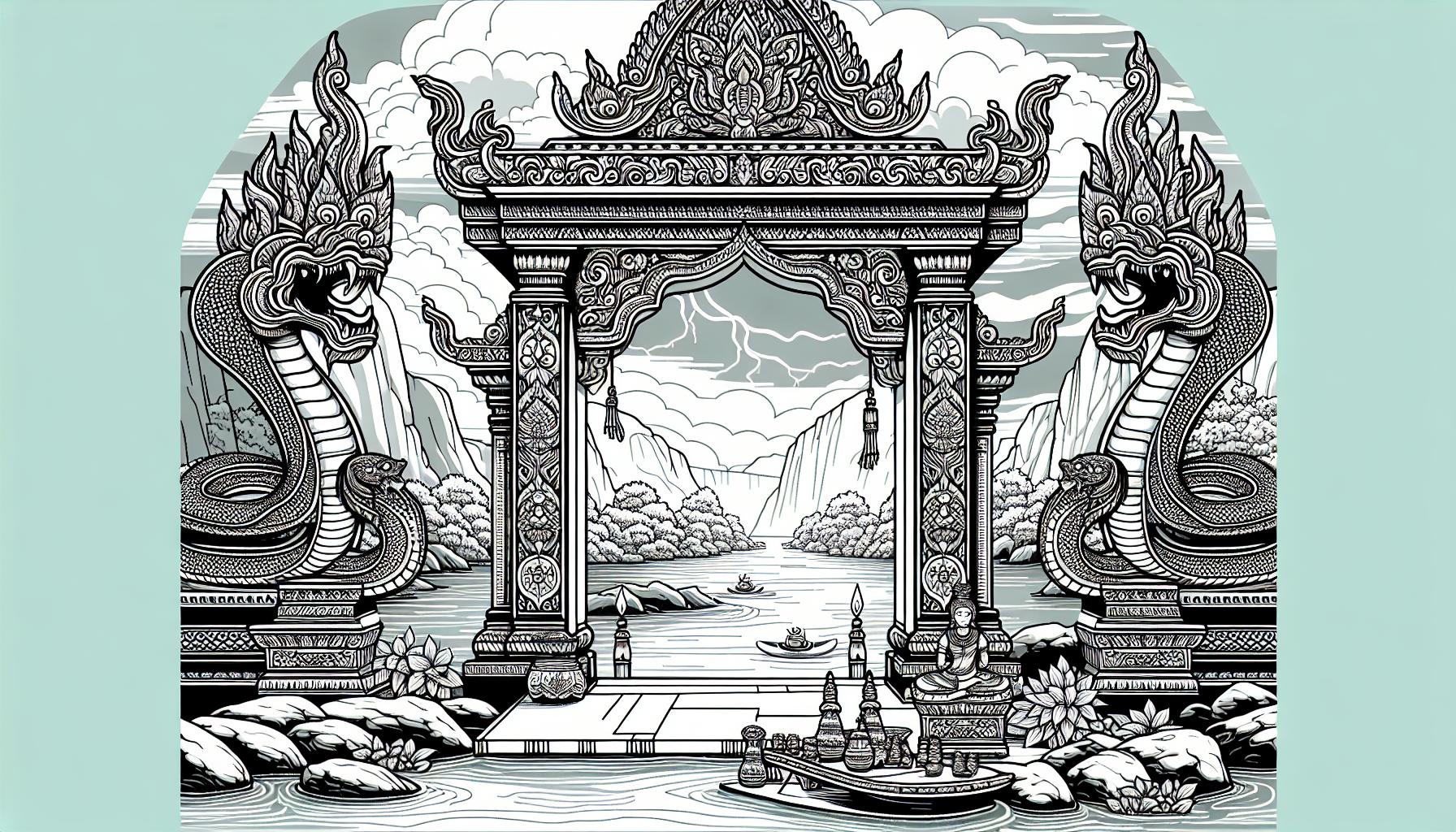
Naga divine powers include protective, healing, and elemental abilities, each with unique characteristics that significantly impact different aspects of life.
Protective Powers
Nagis exhibit protective powers that shield devotees from harm. They act as guardians of treasures, temples, and sacred spaces, ensuring safety. In Hindu mythology, Vasuki wraps around Lord Shiva – The Destroyer to prevent cosmic chaos. Icons of Nagas in architectural elements, like serpent motifs on temple doorways, symbolize their watchful presence. Rituals invoking Naga protection feature prominently in festivals across Southeast Asia and the Indian subcontinent.
Healing Powers
Nagas possess healing powers that can cure physical ailments and spiritual afflictions. Temples dedicated to Naga deities often serve as pilgrimage sites for those seeking cures. Their snakes’ venom, believed to have medicinal properties, is used in traditional remedies. Stories in Buddhist texts highlight Naga’s role in alleviating suffering. Devotees leave offerings at Naga shrines, hoping to receive these blessed healing powers.
Elemental Control
Control over water, fire, and earth defines Naga elemental powers. Naga deities influence rainfall and river flows, essential for agriculture. They can summon storms or calm seas, impacting sailors and fishermen’s fortunes. Legends describe Nagas emerging from flames unscathed, demonstrating their command over fire. In rituals, calling upon Naga’s elemental power helps ensure harmony and prosperity in the natural world and human endeavors.
Representation in Literature and Art
Nagas capture imaginations across literature and art, symbolizing power and protection. Their representations vary significantly across texts and art forms.
Classic Texts and Scriptures
Nagas appear prominently in Hindu, Buddhist, and Jain scriptures. In the Mahabharata – The Great Epic, Vasuki serves as the churning rope in the Samudra Manthan. Buddhist texts like the Jataka tales feature Muchalinda, who protects the Buddha during meditation. Jain scriptures reference Nagas as guardians of treasure and knowledge. These texts highlight Nagas’ protective and mystical roles.
Symbolism in Art and Architecture
Nagas often adorn temple carvings, sculptures, and paintings. Hindu temples frequently depict Nagas at entrances, symbolizing protection. In Southeast Asia, Naga sculptures guard pathways to sacred sites. Cambodian and Thai architecture prominently features Naga balustrades on temple stairways. In manuscripts and folk art, Nagas are depicted with multiple heads, representing their immense power and divine nature.
Modern Interpretations and Beliefs
Modern interpretations of Naga divine powers have evolved, blending traditional reverence with contemporary practices. These modern beliefs influence worship practices and popular culture globally.
Contemporary Worship Practices
Contemporary worship practices of Nagas retain key elements from ancient rituals while adapting to present-day contexts. Devotees in regions like India and Southeast Asia still perform rituals at temples dedicated to Nagas, offering milk, flowers, and incense. In urban areas, digital platforms now help communal worship, making participation easier for diaspora communities. For example, festivals like Naag Panchami see significant online engagement, allowing people to post prayers and rituals on social media, demonstrating the enduring relevance of Naga worship.
Influence on Popular Culture
Nagas influence popular culture through various media forms. In film, books, and television, Nagas appear as characters that embody mysticism and power. For instance, the Bollywood movie “Naagin” portrays Nagas as shapeshifters with divine abilities, gaining substantial viewership. Literature often reimagines Nagas in contemporary settings, blending mythologies with modern narratives. Graphic novels and comic books frequently feature Nagas, appealing to younger audiences and contributing to their recognition in pop culture.
Conclusion
Naga divine powers continue to captivate us with their blend of mysticism and cultural significance. Their influence spans from ancient texts to modern-day practices and popular culture. This enduring fascination speaks to their universal appeal and timeless relevance. Whether through traditional rituals or digital platforms, the reverence for Nagas remains strong, bridging the gap between the past and the present. Their portrayal in various media forms further cements their place in our collective imagination, ensuring that the legacy of Naga divine powers will persist for generations to come.
Sources & further reading
These themes are explored in greater depth across the following authoritative resources:
- Britannica, Asura
- Britannica, Naga
- Mythopedia, Hindu Mythology
- Internet Sacred Text Archive, Mahabharata
- Wendy Doniger, Hindu Myths (Penguin Classics, 1975)
External resources for further reading. Apam Napat is not affiliated with these publishers; citation does not imply endorsement.
Based on the classical texts of Hindu mythology, see our sources.