
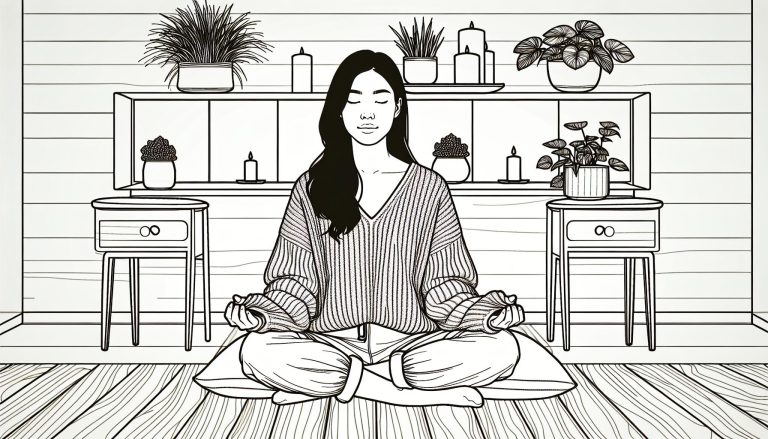
When I first started meditating, I wasn’t sure if it would make a difference. But, as I incorporated it into my daily routine, I noticed a significant reduction in my stress levels. Meditation isn’t just about sitting in silence; it’s about finding a moment to reconnect with yourself amidst the chaos.
Understanding Meditation And Stress Relief
Meditation, as I’ve experienced, serves as a powerful tool to manage stress. This practice involves training attention to achieve a state of calm concentration and positive emotions. By focusing on the present moment, meditation allows me to tune into my experiences and observe my feelings and sensations without judgment, a technique known as mindfulness meditation.
Reduces Stress and Anxiety
Meditation significantly reduces stress and anxiety. In my own practice, I’ve noticed that regular meditation not only calms my mind but also alleviates feelings of anxiety. Research supports this, showing that meditation is effective in treating depression, pain, smoking, and addiction issues.
Improves Mental Health
Meditation has also improved my mental health by reducing my body’s stress responses, which can impair the immune system and worsen health problems. By incorporating meditation into my daily routine, I’ve found that my overall sense of well-being and mental clarity has increased.
Meditation’s benefits for stress relief and mental health have transformed my life and can do the same for anyone seeking positive change.
Scientific Evidence Supporting Meditation For Stress Relief
Scientific evidence strongly supports meditation as an effective tool for stress relief. Extensive research highlights its impact on both mind and body.
Research Studies And Findings
Numerous studies show the positive effects of meditation on stress reduction. Research demonstrates that meditation decreases the production of cortisol. For instance, a study published in Health Psychology found that participants practicing mindfulness meditation had significantly lower cortisol levels compared to those who did not. Another study detailed in JAMA Internal Medicine revealed that regular meditation led to substantial decreases in symptoms of anxiety and depression among participants. These findings underscore meditation’s role in enhancing emotional regulation and reducing stress-related disorders.
Physiological Benefits
Meditation triggers several physiological benefits that contribute to stress relief. Brain imaging studies show structural changes in areas linked to attention, emotion regulation, and memory. The Harvard Gazette reported that participants who meditated for eight weeks showed increased gray matter in the prefrontal cortex, improving stress resilience. Similarly, technique outcomes include not just lower cortisol but improved heart rate variability, better sleep patterns, and reduced inflammatory responses. By integrating meditation into my routine, I observe tangible improvements in stress management and overall mental health.
Popular Meditation Techniques For Stress Relief
Meditation offers various techniques that can effectively alleviate stress. I’ve explored several popular methods, each with unique benefits.
Mindfulness Meditation
Mindfulness meditation focuses on the present moment. Focusing to breath, body sensations, or emotions, it fosters non-judgmental awareness. Studies show mindfulness reduces stress, anxiety, and depression (Kabat-Zinn, 1990). This technique involves practices like sitting quietly, focusing on breathing, and observing thoughts and sensations without attachment.
Transcendental Meditation
Transcendental meditation uses a mantra to reach a deeper state of consciousness. This technique lowers cortisol levels, promoting relaxation and reducing stress. Practitioners repeat a specific word or phrase for 20 minutes twice daily. Research indicates that transcendental meditation reduces anxiety, promotes restful alertness, and enhances overall well-being (Roth, 1994).
Guided Visualization
Guided visualization employs mental imagery to create a calming scenario. This method involves listening to a guide who describes a peaceful setting, helping the mind focus away from stressors. Guided visualization can reduce stress and anxiety while enhancing relaxation. Techniques include imagining serene places like a beach or forest and engaging all senses to make the visualization vivid.
These meditation techniques offer various approaches to managing stress, ensuring options fit different preferences and lifestyles.
How To Get Started With Meditation
Meditation offers a simple yet effective way to relieve stress. Here’s how you can begin your journey into meditation.
Choosing The Right Technique
Various meditation techniques cater to different preferences. Vipassana meditation, also known as insight meditation, involves observing thoughts and emotions without judgment. Guided meditation uses guided imagery or visualization to immerse yourself in calming mental images. Mindfulness meditation focuses on the present moment without judgment, helping to alleviate stress and anxiety. Pick a technique that resonates with you.
Setting Up A Comfortable Space
Creating the right environment boosts meditation’s effectiveness. Choose a quiet, clutter-free area. Add elements like cushions, soft lighting, or calming scents to enhance relaxation. Ensure the space is free from interruptions to maintain focus during your practice.
Recommended Time And Frequency
Consistency in practice yields better results. Start with short sessions, about 5-10 minutes daily. Gradually increase the duration as you become more comfortable. Morning sessions can set a calm tone for the day, while evening sessions can help unwind before bed.
Personal Experiences And Testimonials
Meditation has profoundly impacted many lives, offering tangible stress relief benefits. Here, I’ll share real-life stories and expert opinions to provide a comprehensive perspective.
Real-Life Stories
Numerous individuals have found meditation transformative. Jane, a marketing professional, shared how mindfulness meditation helped her manage work-related stress. Practicing daily for 15 minutes, she noticed significant improvements in her focus and emotional stability within two months.
Michael, a college student, struggled with anxiety and insomnia. After incorporating guided visualization into his nightly routine, he experienced reduced anxiety levels and improved sleep quality, allowing him to perform better academically.
Another powerful example is Anna, a mother of two, who reported a reduction in postpartum depression symptoms through transcendental meditation. Practicing twice daily for 20 minutes, she experienced enhanced emotional resilience and kindness toward herself, which positively impacted her relationship with her children.
Expert Opinions
Experts consistently endorse meditation for stress relief. Dr. Sara Lazar, a neuroscientist at Harvard Medical School, conducted research revealing that meditation can lead to structural brain changes, notably increasing the cortical thickness in areas related to attention and emotional regulation.
Jon Kabat-Zinn, the founder of the Mindfulness-Based Stress Reduction (MBSR) program, advocates for mindfulness meditation to alleviate stress. His studies show that participants in MBSR programs report a significant reduction in anxiety, depression, and overall psychological distress.
Psychologist Dr. Kristin Neff emphasizes the role of self-compassion in meditation. Her research indicates that those who practice self-compassion meditation experience reduced stress and higher levels of well-being, as they learn to treat themselves with kindness and understanding amidst life’s challenges.
By integrating these personal experiences and expert opinions, it becomes clear that meditation is a powerful tool for managing and alleviating stress.
Potential Challenges And Solutions
Meditation offers numerous stress relief benefits but can present some challenges. I’ll explore common obstacles and provide tips for overcoming them.
Common Obstacles
Starting meditation, individuals may face various challenges. Distractions, lack of consistency, and doubts about effectiveness are common.
- Distractions: Everyday interruptions like noise and thoughts often disrupt meditation.
- Lack of Consistency: Maintaining a routine can be hard with a busy schedule.
- Doubts About Effectiveness: Some may question whether meditation truly helps with stress.
Tips For Overcoming Challenges
Addressing these challenges involves specific strategies.
- Eliminating Distractions: Create a quiet, dedicated meditation space to minimize interruptions. Use earplugs or white noise machines for better focus.
- Building Consistency: Set a regular meditation time. Use reminders or apps to help maintain the habit, ensuring practice becomes part of the daily routine.
- Believing In Effectiveness: Track progress through a journal, noting stress levels before and after sessions. Reviewing this can reinforce meditation’s benefits, helping to dispel doubts.
Conclusion
Meditation’s transformative power in stress relief can’t be overstated. My journey and the stories shared demonstrate its profound impact on mental health. While starting might seem daunting overcoming initial hurdles like distractions and doubts is entirely possible. Establishing a consistent routine and creating a dedicated space can make all the difference. By committing to this practice you’ll likely find yourself better equipped to handle stress and enjoy a more balanced life.
Sources & further reading
These themes are explored in greater depth across the following authoritative resources:
- Britannica, Yoga in Hinduism
- Britannica, Puja
- Harvard Pluralism Project, Hindu Practice
- Internet Sacred Text Archive, Yoga Sutras of Patanjali
- Diana L. Eck, Banaras: City of Light (Princeton University Press, 1982)
External resources for further reading. Apam Napat is not affiliated with these publishers; citation does not imply endorsement.
Based on the classical texts of Hindu mythology, see our sources.