
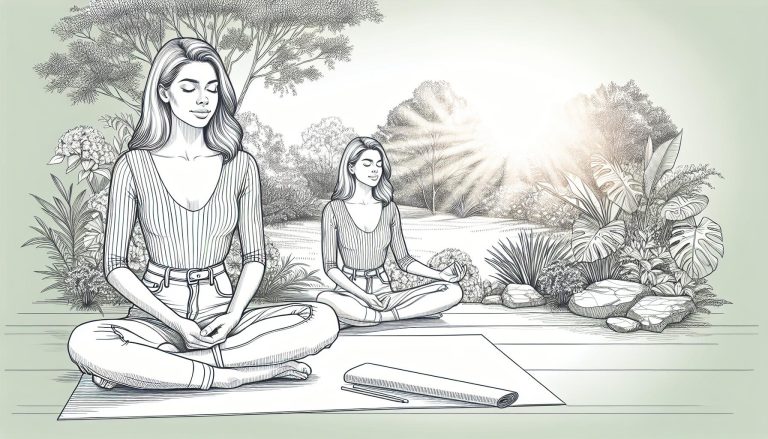
As I delved deeper, I noticed significant changes in my daily life. I felt more centered, my mind became clearer, and my sense of purpose sharpened. Meditation opened doors to a spiritual dimension I hadn’t explored before, making me realize that spiritual growth isn’t a destination but an ongoing process.
Understanding Meditation
Meditation involves training attention and awareness to detach from reflexive thinking. It helps achieve a mentally clear and emotionally calm state. Various techniques cater to different needs, all leading to increased self-awareness and inner peace.
Types of Meditation
Guided Meditation
Guided meditation forms mental images of relaxing places or things. A guide or teacher often leads these sessions, making it easier to focus and relax.
Mindfulness Meditation
Mindfulness meditation focuses on being aware of the present. It involves concentrating on the breath and noticing thoughts and feelings without judgment, fostering a sense of clarity.
Spiritual Meditation
Spiritual meditation looks to deepen understanding of spiritual or religious meaning. It’s often used to reduce stress and enhance relaxation, promoting a connection to a higher consciousness.
The Connection Between Meditation And Spiritual Growth
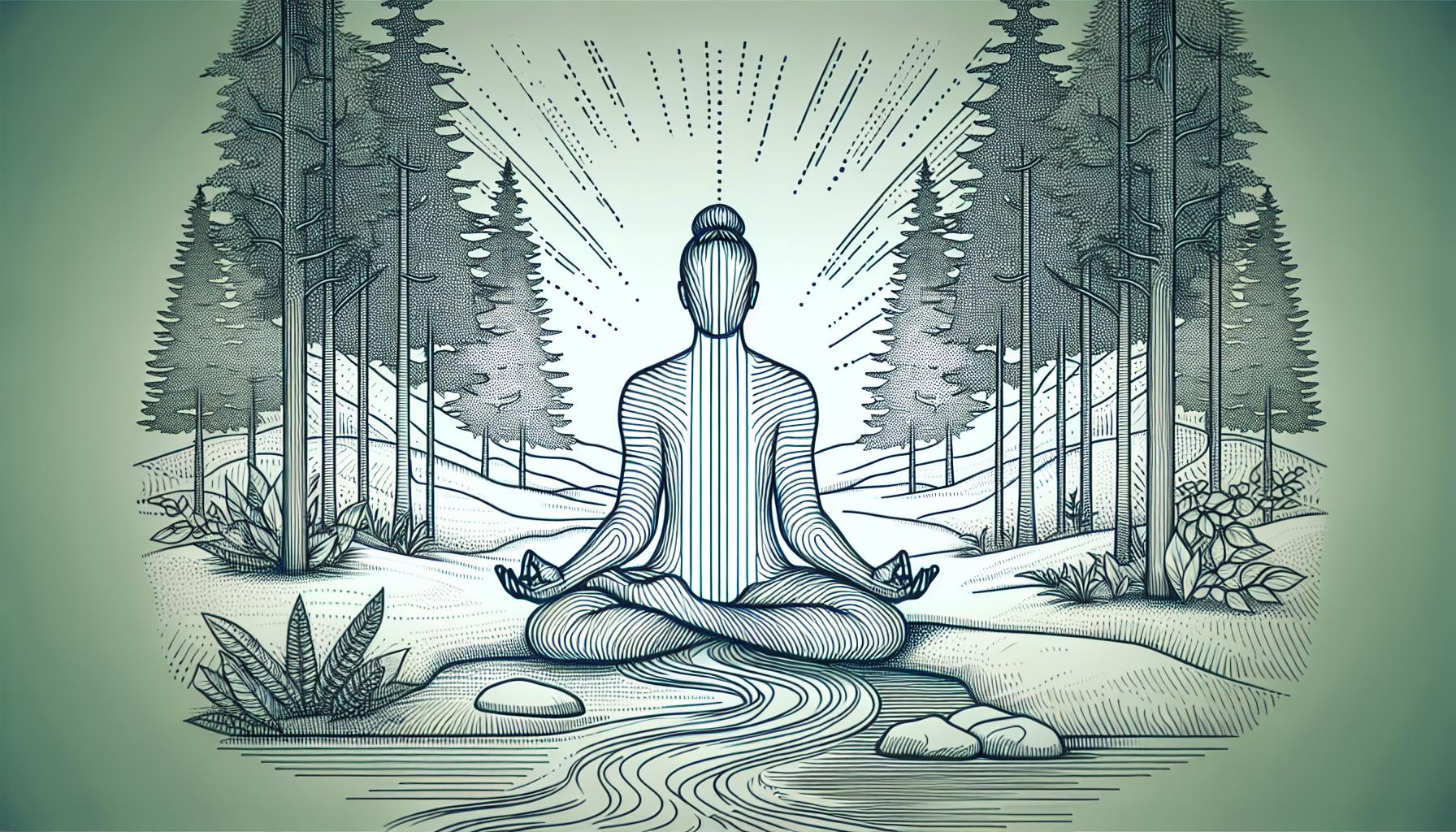
Meditation serves as a bridge between the mind and the spirit, guiding individuals toward deeper self-realization. It’s through meditation that one can elevate their spiritual journey.
Enhancing Self-Awareness
Meditation promotes self-awareness by encouraging introspection. When practicing mindfulness meditation, I observe my thoughts, emotions, and sensations without judgment. This practice reveals subconscious patterns and behaviors. Guided meditation assists in visualizing inner desires and goals, making them clearer. Spiritual meditation connects me with higher consciousness and offers insights into my true self.
Deepening Inner Peace
Inner peace grows through consistent meditation. Mindfulness meditation helps me stay present, reducing anxiety and stress from past or future concerns. As I regularly engage in meditation, I notice a tranquil state of being that permeates daily life. Techniques like breath-focused meditation or mantra meditation center the mind, fostering a serene inner atmosphere. This continuous practice of quieting the mind paves the way for profound spiritual growth.
Techniques For Effective Meditation
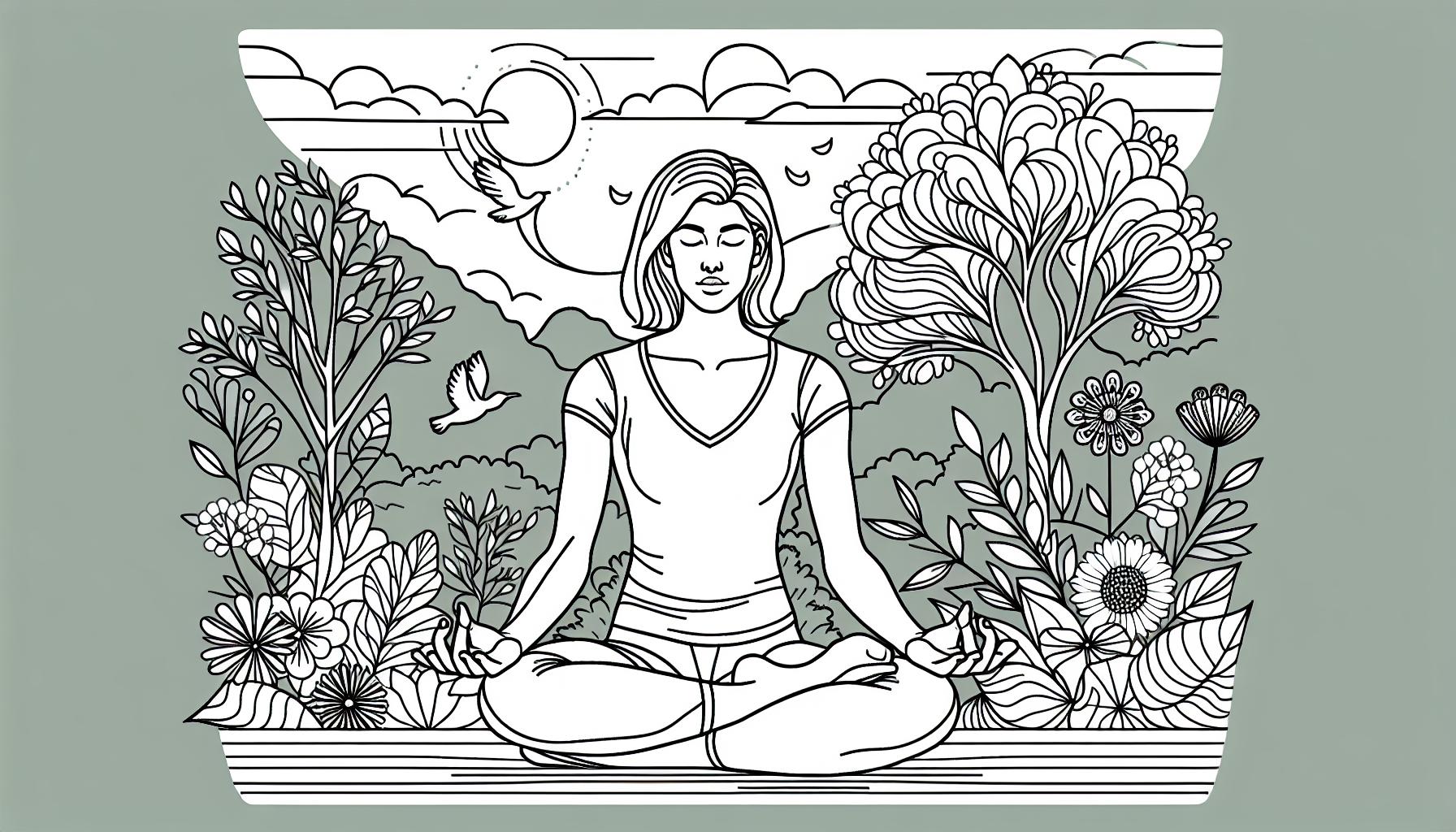
Meditation includes practices designed to enhance spiritual growth. Here, I explore key techniques like mindfulness, loving-kindness, and guided meditation.
Mindfulness Meditation
Mindfulness meditation develops steady, relaxed attention. The goal is to open to whatever arises in the mind without intentionally generating specific thoughts or emotions. I focus on my breath, body sensations, or emotions, observing them without judgment or attachment. This practice cultivates self-awareness and a deep presence.
Loving-Kindness Meditation
Loving-kindness meditation, also known as Metta meditation, generates specific thoughts, feelings, and emotions using mindfulness as a foundation. I repeat phrases like “May I be happy, may I be healthy, may I be at peace” for myself and others. This practice cultivates compassion and benevolence, fostering a sense of connection and love.
Guided Meditation
Guided meditation involves listening to a guide or following instructions through audio or video media. This technique helps direct my focus, combining visualization and breathwork to deepen my meditative state. By following a guide, I can target specific goals such as relaxation, spiritual insight, or emotional healing.
Benefits Of Meditation For Spiritual Growth
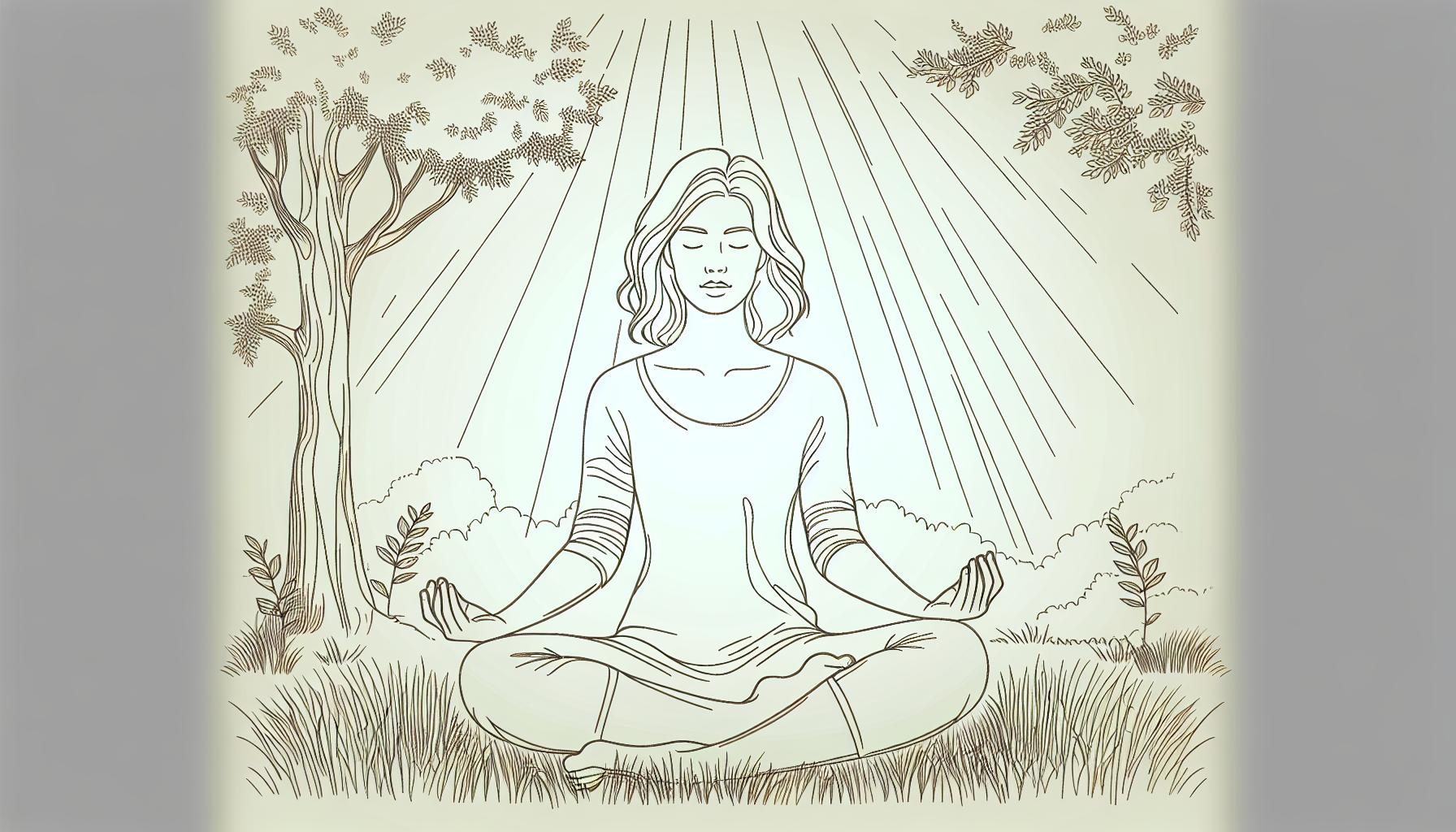
Meditation profoundly impacts spiritual growth by nurturing emotional stability, enhancing intuition, and fostering greater compassion. Below, I investigate into how meditation achieves these benefits.
Emotional Stability
Meditation helps achieve emotional stability by providing tools to manage stress and release emotional weight. When I meditate regularly, I notice a significant reduction in anxiety and worry. This emotional balance stems from increased awareness of my thoughts and feelings. Studies show that meditation lowers cortisol levels, which reduces stress and fosters emotional regulation.
Enhanced Intuition
Meditation strengthens intuition by quieting the logical mind and tuning into bodily sensations. My meditation practices have allowed me to connect more deeply with my inner voice, guiding my decisions more effectively. Research indicates that meditation increases activity in the brain’s right hemisphere, enhancing intuitive and creative thinking. This sharpened intuition can guide personal and spiritual growth.
Greater Compassion
Meditation cultivates greater compassion by fostering a sense of interconnectedness. Practices like loving-kindness meditation make me more empathetic, enhancing relationships and inner peace. Evidence suggests that loving-kindness meditation alters neural circuits linked to empathy and emotional regulation, leading to increased compassion and altruism.
By integrating meditation into daily life, individuals can experience these profound benefits, promoting both personal and spiritual growth.
Personal Experiences And Testimonials
Many individuals have shared how meditation has transformed their spiritual journeys. These personal accounts highlight the profound impact meditation can have on one’s life, showcasing real-world benefits.
Real-Life Stories
One person shared that mindfulness meditation helped them gain clarity and self-awareness. This new perspective allowed them to address long-standing emotional issues, improving their mental health. Another individual found that loving-kindness meditation significantly increased their capacity for empathy and compassion. The positive affirmations used in this practice enabled them to improve relationships with others.
A third individual described how guided meditation led to a heightened sense of inner peace and relaxation. They found that following instructions helped quiet their mind, fostering a deeper connection with their inner self. These real-life examples attest to the transformative potential of meditation for spiritual growth.
Expert Insights
Experts in the field of meditation also offer valuable insights into its benefits. According to Dr. Jon Kabat-Zinn, a prominent figure in mindfulness-based stress reduction, regular meditation can rewire the brain to enhance emotional stability and resilience. He emphasizes that even a few minutes of daily practice can lead to significant changes in mental health and overall well-being.
Another expert, Sharon Salzberg, an authority on loving-kindness meditation, underscores how this practice nurtures compassion and empathy. Salzberg’s research indicates that positive affirmations and focused attention on kindness can alter one’s emotional state, fostering deeper connections with others.
These expert perspectives reinforce the idea that meditation is a powerful tool for spiritual growth, offering both practical and profound benefits to individuals.
Tips For Starting Your Meditation Journey
Start Small
Begin with short sessions, even just a few minutes a day. Gradually increase the duration as you become more comfortable with the practice. Starting small helps build confidence and consistency in your meditation routine.
Find a Quiet Space
Identify a quiet, distraction-free area where you can sit comfortably. A serene environment allows you to focus better on your meditation. This could be a corner of a room, a garden, or any place where interruptions are minimal.
Focus on Your Breath
Use your breath as a focal point. Feel the sensation of the air entering and leaving your nostrils. When your mind wanders, gently bring your attention back to your breath. This technique helps anchor your awareness in the present moment and reduces mental chatter.
Practice Mindfulness
Be aware of your thoughts and emotions without judgment. Allow them to pass without attachment. Mindfulness helps cultivate a non-reactive awareness, making it easier to stay balanced and present during meditation.
Use Guided Meditation
Use guided meditation recordings or apps. These tools can help you get started and stay on track. Guided sessions often provide structure and support, making it easier to develop a consistent meditation practice.
Make It a Habit
Incorporate meditation into your daily routine. Practicing at the same time each day, such as right after waking up or before bed, can help make it a consistent part of your life. Regular practice reinforces the habit, leading to long-term benefits.
Conclusion
Meditation’s power to foster spiritual growth is undeniable. By integrating it into our daily lives, we can unlock profound benefits like emotional stability, heightened intuition, and increased compassion. Whether you’re a beginner or an experienced practitioner, the journey of meditation offers endless opportunities for self-discovery and inner peace. Embrace the practice and let it guide you towards a more mindful and fulfilling life.
Sources & further reading
These themes are explored in greater depth across the following authoritative resources:
- Britannica, Yoga in Hinduism
- Britannica, Puja
- Harvard Pluralism Project, Hindu Practice
- Internet Sacred Text Archive, Yoga Sutras of Patanjali
- Diana L. Eck, Banaras: City of Light (Princeton University Press, 1982)
External resources for further reading. Apam Napat is not affiliated with these publishers; citation does not imply endorsement.
Based on the classical texts of Hindu mythology, see our sources.