

I’ve found that integrating rituals into my daily routine grounds me and provides a sense of purpose. Whether it’s a morning meditation, journaling, or a simple act of gratitude, these practices can transform your life in profound ways. Let’s explore how you can harness the power of rituals to catalyze your own personal growth.
Understanding Personal Transformation
Personal transformation involves significant changes in one’s mindset and behavior. It encompasses adopting new beliefs, habits, and ways of thinking. Transformation isn’t just about minor adjustments; it requires a deep, intentional shift in perspective.
Factors driving personal transformation often include life events, self-reflection, and a desire for growth. For example, experiencing a major life change like a career shift can prompt a reassessment of personal goals. Other triggers for transformation may involve a strong urge to overcome negative patterns or achieve a sense of fulfillment.
Several stages characterize the journey of personal transformation. Initially, an awareness of the need for change arises. This awareness progresses into a commitment to making those changes. Following commitment, actively working on new practices and beliefs becomes crucial. Finally, a person reaches a state where new behaviors and mindsets become ingrained.
Rituals play a vital role in personal transformation by providing structure and consistency. They help anchor new habits and reinforce positive changes. For example, daily meditation can enhance mindfulness and reduce stress, aiding in overall transformation. Similarly, expressing gratitude every evening can shift focus to positive aspects of life, fostering a more optimistic outlook.
Understanding the core components and stages of transformation prepares us to leverage rituals effectively. When aligned with personal goals, rituals can serve as powerful tools for lasting change.
Historical Overview Of Rituals

Rituals have deep roots in human history, serving as crucial elements in personal and communal transformation. These practices date back to ancient civilizations, where they played integral roles in daily life, religious ceremonies, and societal norms.
Ancient Civilizations
Ancient Egyptians practiced rituals to honor their gods and ensure the pharaoh’s journey to the afterlife. Daily offerings, ceremonial activities, and funerary practices were meticulously followed. In Mesopotamia, rituals involving sacrifices and offerings sought divine favor for successful harvests and protection from calamities.
Indigenous Cultures
Indigenous tribes globally have relied on rituals for centuries. Native American tribes utilized ceremonies like the Sun Dance to mark significant community events and personal milestones. In Africa, rituals involving dance, music, and storytelling helped maintain cultural traditions and facilitated transitions such as coming-of-age ceremonies.
Eastern Traditions
Eastern traditions have rich ritualistic practices. In Hinduism, rituals like pujas and aartis are daily activities that strengthen spiritual connections. Many of these traditions continue today, deeply rooted in The Enduring Relevance of Puranic Rituals: Ancient Practices in Modern Times that shape worship practices and temple customs. Buddhism leverages meditation and chanting rituals for enlightenment and mental clarity. Similarly, Shinto in Japan uses purification rituals and offerings to honor kami (divine spirits).
Western Religious Practices
Western religions also have deep ritualistic traditions. Christianity employs rituals such as baptism, communion, and prayer to reinforce faith and community bonds. Judaism practices rituals like Sabbath observance and Passover Seder to commemorate historical events and spiritual lessons. Islam’s Five Pillars encapsulate fundamental rituals like daily prayers and fasting during Ramadan.
Modern-Day Application
Contemporary society adapts these ancient rituals, blending traditional practices with modern needs. Today, rituals like mindfulness meditation, yoga, and digital detox retreats are popular for personal growth and well-being. They provide structure and consistency, echoing the historical significance of rituals in enabling transformation. These contemporary forms still echo the role of rituals and festivals in preserving cultural identity and fostering spiritual well-being.
Types Of Rituals
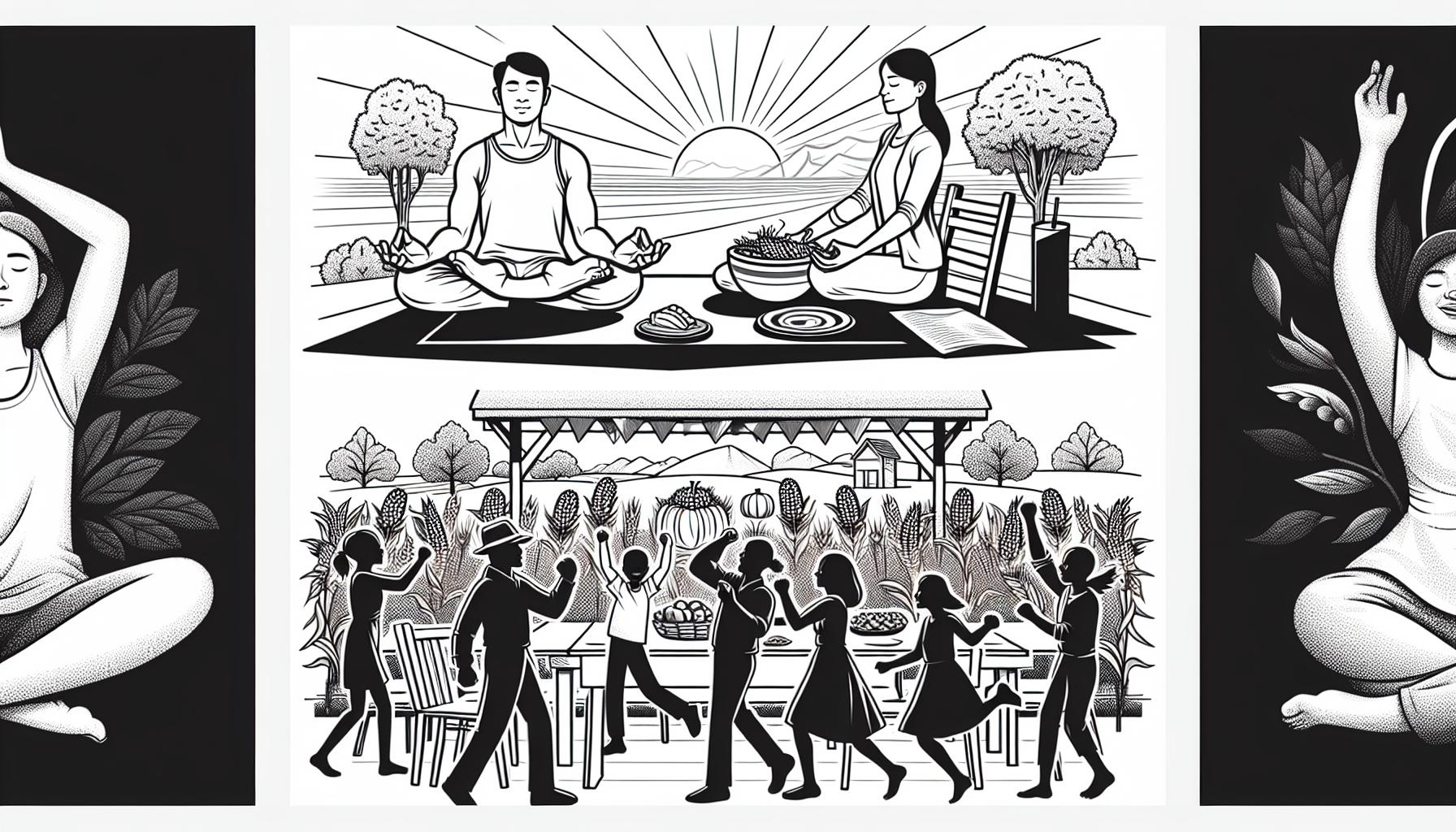
Rituals offer a structured framework to support personal transformation. They can range from daily practices to activities performed on a seasonal basis. In some traditions, seasonal cycles are also honored in temple settings-such as the Durga temple rituals that mark sacred times of the year through worship and community gatherings.
Daily Rituals
Daily rituals integrate seamlessly into everyday life, promoting consistency and mindfulness. Examples include morning meditation, journaling, gratitude practices, and mindfulness exercises. These routines reinforce commitment to personal growth and enhance mental well-being.
Weekly Rituals
Weekly rituals provide a reflective checkpoint, encouraging deeper introspection. Examples include weekly planning sessions, family dinners, digital detox days, and recreational activities. They offer a chance to evaluate progress and make adjustments for the upcoming week.
Seasonal Rituals
Seasonal rituals mark transitions and celebrate natural cycles, aligning personal growth with the environment. Examples include spring cleaning, summer solstice celebrations, autumn harvest festivals, and winter reflection periods. These practices foster a sense of renewal and connection to larger rhythms of life.
Benefits Of Rituals For Personal Transformation
Rituals play a key role in personal transformation, offering benefits across psychological, emotional, and physical dimensions. These emotional anchors reflect the celestial inspiration behind many practices, connecting human life to the rhythms and qualities of The Fascinating Roles and Rituals of Hindu Celestial Deities believed to influence mind, mood, and energy.
Psychological Benefits
Rituals create a sense of structure and predictability, reducing stress levels. They help build self-discipline and reinforce positive habits. Research from Harvard University suggests that rituals can enhance mindfulness and increase overall mental well-being.
Emotional Benefits
Performing rituals fosters emotional stability by providing a sense of control. They can improve mood and reduce anxiety. According to the American Psychological Association, rituals help manage grief and foster resilience by creating a sense of continuity.
Physical Benefits
Rituals promote healthier lifestyles through consistent actions. Regular practice of activities like yoga and meditation can reduce blood pressure and improve heart health. A study from the National Institutes of Health shows that individuals with routine exercise rituals experience better physical health and increased energy levels.
How To Create Your Own Rituals
Creating personal rituals enables deeper self-awareness and growth. Follow these steps to develop rituals tailored to your unique transformation journey.
Identifying Your Goals
Clarifying goals lays the foundation for effective rituals. Determine specific areas for personal transformation like emotional well-being, physical health, or professional growth. Consider how you want to feel and what you want to achieve. For instance, to reduce stress, you might focus on mindfulness practices, while for physical health, you could aim to establish a consistent exercise routine.
Choosing The Right Activities
Selecting suitable activities aligns rituals with your goals. Identify actions that resonate with your objectives. Examples include meditation, journaling, or creative expression for emotional growth. For physical health, options might include yoga, running, or strength training. Ensure these activities feel meaningful and enjoyable to maintain motivation and consistency.
Establishing A Routine
Embedding rituals into daily, weekly, or seasonal routines reinforces their impact. Determine optimal times for your activities, whether it’s a morning meditation, a weekly reflection session, or a seasonal check-in. Consistency is key, so commit to your routine and adjust as needed to fit evolving goals and circumstances.
Case Studies And Real-Life Examples
John’s Morning Meditation Ritual
John, a tech entrepreneur, faced high-stress levels due to his demanding job. He integrated a morning meditation ritual into his daily routine. Each day, he started with 15 minutes of mindfulness meditation, focusing on his breath and visualizing a calm environment. After three months, John reported reduced stress levels, improved focus, and enhanced productivity. His meditation practice became a non-negotiable part of his day, showing how daily rituals can support mental clarity and reduce anxiety.
Sarah’s Weekly Digital Detox
Sarah, a freelance writer, found herself overwhelmed by constant screen time. She decided to carry out a weekly digital detox ritual every Sunday. From 9 AM to 9 PM, Sarah disconnected from all electronic devices. She spent this time reading, engaging in hobbies, and connecting with loved ones. Over four months, Sarah noticed a significant improvement in her creativity, deeper connections with her friends, and a healthier work-life balance. This case highlights the impact of weekly rituals on personal well-being and productivity.
Michael’s Seasonal Reflection
Michael, a marketing manager, used seasonal reflection rituals to align his personal growth with natural cycles. At the start of each season, he dedicated two hours to reflect on his goals, accomplishments, and areas for improvement. He journaled his thoughts, set new goals, and planned actionable steps. After a year, Michael experienced enhanced self-awareness, better alignment with his long-term objectives, and a sense of renewal with each season. Seasonal rituals like Michael’s demonstrate how structured reflection can foster personal growth and goal achievement.
Maria’s Gratitude Practice
Maria, a teacher coping with burnout, began a gratitude ritual to boost her emotional well-being. Every evening, she wrote down three things she was grateful for in a journal. This simple practice shifted her perspective, allowing her to recognize positive aspects of her day even though challenges at work. After six months, Maria felt more content, resilient, and emotionally balanced. Her gratitude ritual underscored the emotional benefits of incorporating daily practices into one’s routine for personal transformation.
Conclusion
Embracing rituals for personal transformation can be a powerful journey. Whether it’s a daily meditation practice or a seasonal reflection, these rituals offer structured pathways to enhance our well-being. By integrating them into our lives, we can achieve greater self-awareness, emotional resilience, and overall contentment.
Personal transformation isn’t a one-time event; it’s a continuous process. Through commitment and practice, rituals can become ingrained habits that shape our lives positively. The examples of John, Sarah, Michael, and Maria illustrate how simple yet intentional practices can lead to profound changes.
So why not start today? Identify your goals, choose a suitable activity, and establish a routine. Transform your life one ritual at a time.
Sources & further reading
These themes are explored in greater depth across the following authoritative resources:
- Britannica, Yoga in Hinduism
- Britannica, Puja
- Harvard Pluralism Project, Hindu Practice
- Internet Sacred Text Archive, Yoga Sutras of Patanjali
- Diana L. Eck, Banaras: City of Light (Princeton University Press, 1982)
External resources for further reading. Apam Napat is not affiliated with these publishers; citation does not imply endorsement.
Frequently asked questions
How can rituals lead to personal transformation?
What are examples of transformative rituals?
Why do small rituals matter for change?
How do daily rituals provide grounding?
Based on the classical texts of Hindu mythology, see our sources.