
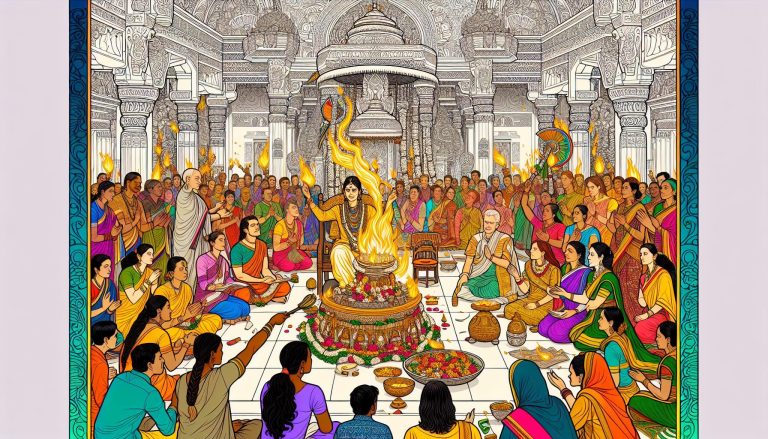
As I delved deeper into the Puranas, I discovered how these rituals serve as a bridge connecting us to our ancestors and the divine. Each ritual, whether it’s a simple offering or an elaborate festival, carries layers of meaning and purpose. In this article, I’ll explore the essence of Puranic rituals, their historical context, and their relevance in today’s world.
Understanding Puranic Rituals
Puranic rituals originate from ancient Indian texts known as the Puranas. These texts provide detailed instructions for various ceremonies, including their symbolic meanings. The rituals encompass a diverse range of practices, from daily prayers to elaborate festivals.
Types of Puranic Rituals
- Daily Rituals: These include morning prayers and evening offerings. For example, lighting a lamp during twilight hours signifies dispelling darkness and inviting positivity into the home.
- Festivals: Major events like Diwali and Navaratri incorporate Puranic elements. Diwali rituals, such as Lakshmi Puja, seek blessings for prosperity.
- Life-Cycle Ceremonies: These rituals mark significant life events. Naming ceremonies (Namakarana), thread ceremonies (Upanayana), and wedding rituals are key examples.
- Temple Rituals: Daily services in temples, including Aarti and Abhishek (bathing the deity), reflect Puranic traditions.
Symbolic Elements in Puranic Rituals
Puranic rituals are rich in symbolism, each action holding deeper meanings. For instance, using specific flowers in worship represents different virtues. Lotus symbolizes purity, while marigolds signify devotion. Offering food (Prasada) embodies sharing and community welfare.
Role of Mantras and Hymns
Mantras and hymns recited during Puranic rituals invoke divine energies. The Gayatri Mantra, a powerful prayer, seeks wisdom and enlightenment. Reciting these hymns with intention is believed to align individuals with cosmic principles.
Historical Context
Puranic rituals have evolved over centuries. Initially passed down orally, these practices adapted to societal changes without losing their essence. They reflect a syncretic blend of Vedic traditions and local customs, enriching the cultural fabric.
Cultural and Spiritual Significance
These rituals serve as a continuum of cultural heritage. They create a sense of belonging and offer spiritual solace. Engaging in these practices fosters a connection with the divine and preserves a connection with ancestors.
Contemporary Relevance
In today’s fast-paced world, Puranic rituals offer a grounding experience. They provide moments of reflection, community engagement, and cultural continuity. The essence of these rituals lies in their ability to adapt and remain relevant in modern times.
Historical Context
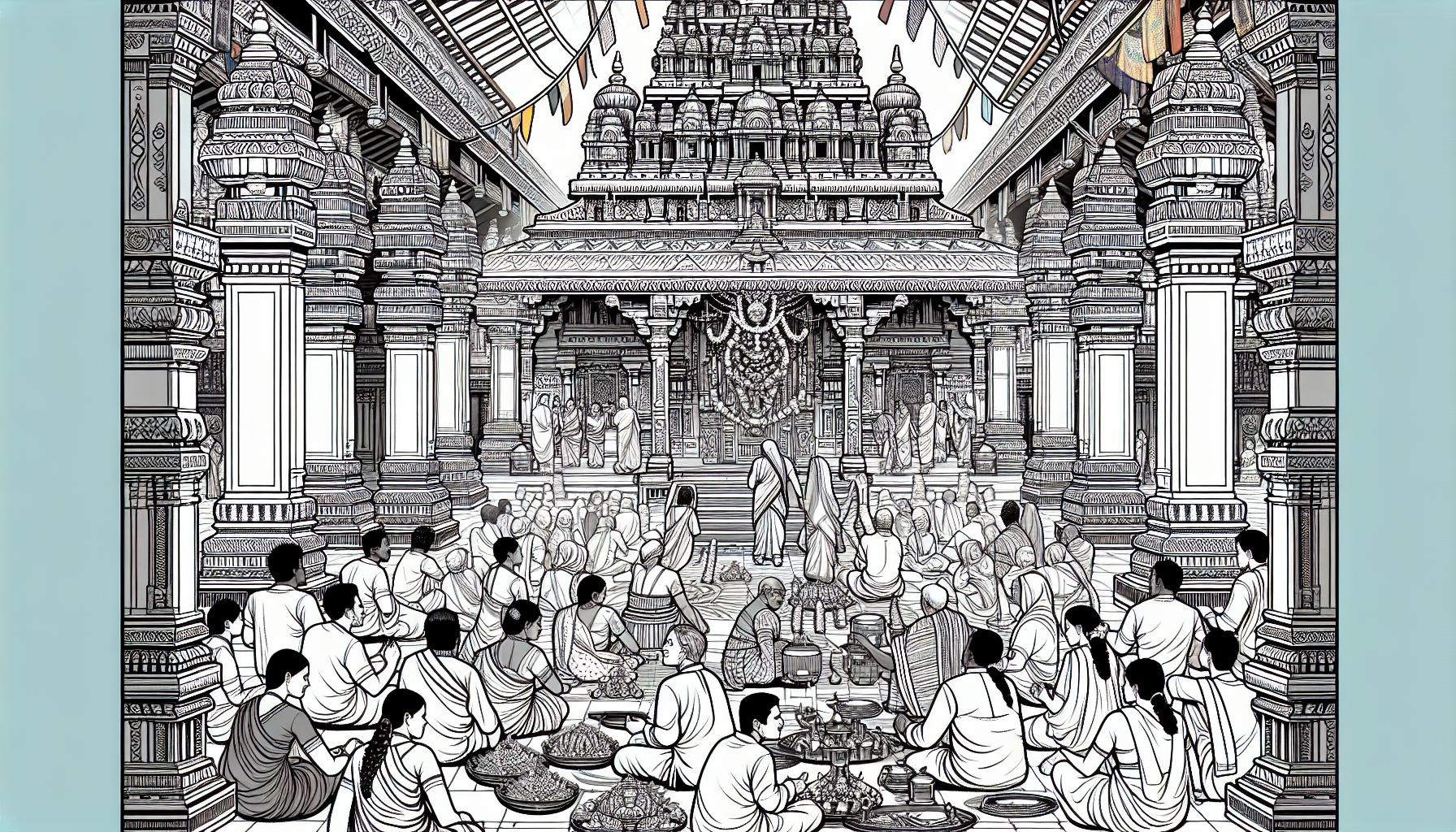
Puranic rituals have roots extending back several millennia, evolving alongside India’s rich and diverse cultural tapestry.
Origins and Evolution
The origins of Puranic rituals can be traced to ancient Vedic traditions, blending with local customs over centuries. Initially, these rituals focused on sacrifices and recitations of hymns from the Rigveda, Yajurveda, and Samaveda. Over time, as the Puranas—ancient Indian texts documenting mythology, legends, and traditions—emerged around 300 CE to 900 CE, rituals adapted to include storytelling, prayers, and elaborate ceremonies. By integrating Vedic elements with regional practices, these rituals became more accessible to the broader populace, solidifying their place in everyday life.
Significance in Ancient Times
In ancient times, Puranic rituals played a crucial role in the socio-religious fabric. They served as a means to honor deities, seek blessings, and mark significant life events. Festivals like Diwali celebrated victories of light over darkness, while rituals like Navaratri worshipped the divine feminine. Life-cycle ceremonies, from birth to death, ensured continuity of cultural heritage and spiritual growth. Temples became centers of community life, with rituals like Aarti and Abhishek facilitating communal bonding and spiritual elevation. These practices reinforced societal values, unified communities, and provided a structured approach to spirituality.
Types of Puranic Rituals
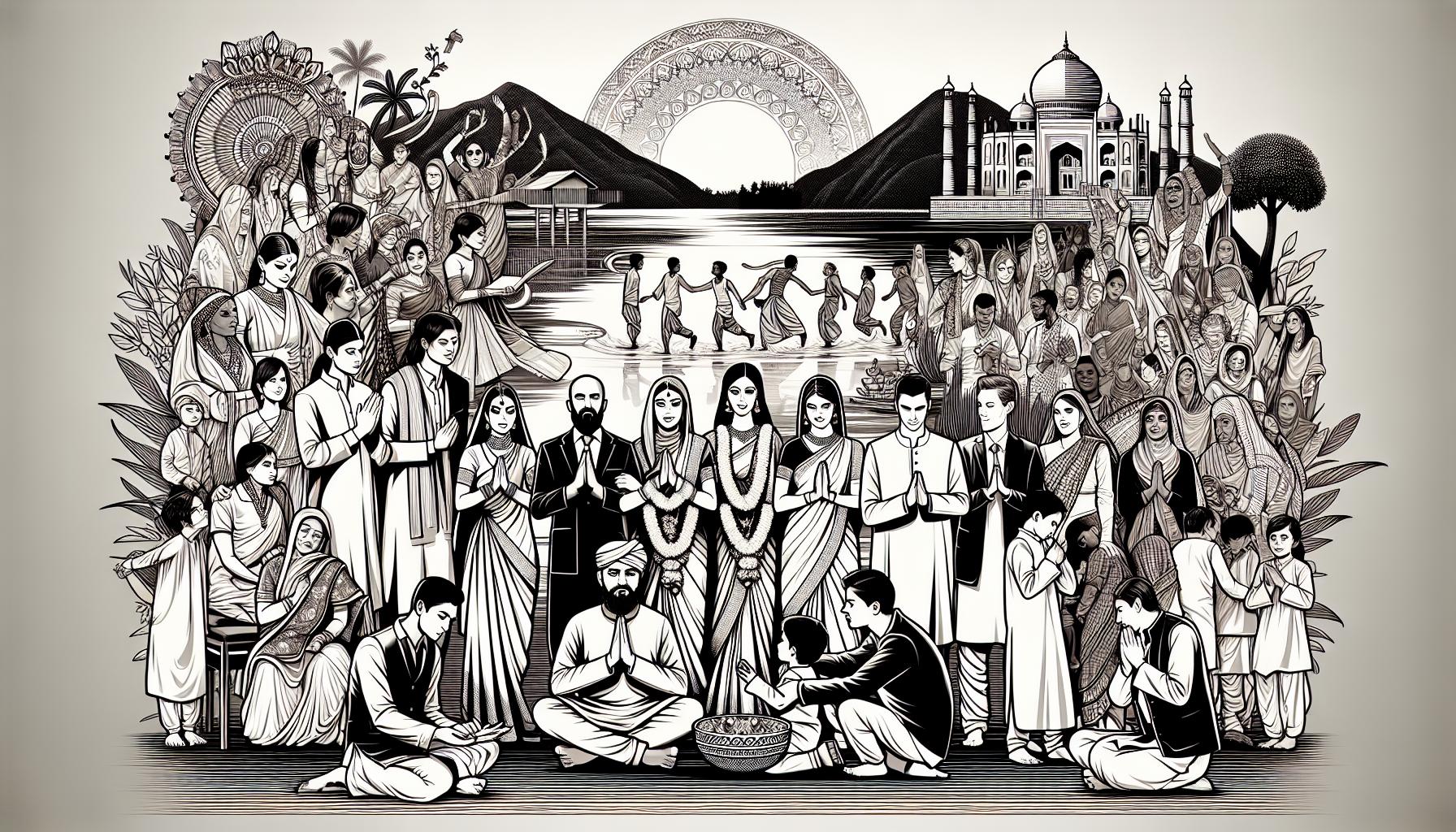
Puranic rituals encompass a wide range of practices deeply embedded in Indian culture. Each category of these rituals serves specific purposes, whether for daily devotion, seasonal transitions, or special life events.
Daily Rituals
Daily rituals include practices like Sandhyavandanam and Nitya Puja. Sandhyavandanam involves reciting prayers at dawn, noon, and dusk, aiming to connect individuals with the divine rhythm of the universe. Nitya Puja encompasses morning and evening worship routines performed at home or in temples, often involving offerings like flowers, incense, and food to deities.
Seasonal Rituals
Seasonal rituals align with significant times of the year, marking natural and cosmic transitions. For example, Makar Sankranti celebrates the sun’s transition into Capricorn, symbolizing renewal and prosperity. Another example, Holi, marks the arrival of spring and victory of good over evil. These rituals help communities celebrate and align their lives with seasonal changes.
Special Occasions
Special occasion rituals celebrate important life events and milestones. Wedding ceremonies involve detailed, symbolic rituals aimed at uniting two souls and families. Birth ceremonies, such as Naamkaran (naming of the child), invoke blessings for the newborn’s future. Additionally, Shradh ceremonies honor deceased ancestors, ensuring their peaceful journey in the afterlife.
Each type of Puranic ritual plays a crucial role in maintaining cultural and spiritual continuity, reflecting a blend of devotion, symbolism, and tradition across daily practices, seasonal events, and major life milestones.
Key Components
Key components of Puranic rituals form the essence of these practices, covering mantras, offerings, and sacred symbols. Each element plays a significant role in creating a meaningful and immersive experience.
Mantras
Mantras, which are sacred utterances, are integral to Puranic rituals. They invoke divine energies and align participants with cosmic principles. Originating from Sanskrit literature, mantras consist of sounds and words believed to possess spiritual power. Repeating these mantras can enhance concentration and bring about a meditative state. Popular examples include the “Gayatri Mantra” and “Om Namah Shivaya,” used in various ceremonies.
Offerings
Offerings, known as “prasad,” signify devotion and gratitude. They range from flowers and fruits to food and incense. In rituals, these offerings are made to deities or spiritual entities, symbolizing the act of giving back to the divine. After the ritual, these items, now blessed, are often distributed among devotees. Items like coconut, sweets, and sacred water are commonly used, each carrying unique symbolic meanings.
Sacred Symbols
Sacred symbols, including icons and geometric designs, play a crucial role in Puranic rituals. They serve as visual representations of divine powers. For instance, the “Swastika” symbolizes auspiciousness, while the “Sri Yantra” represents universal harmony and abundance. These symbols, often drawn or displayed during ceremonies, help create a sanctified space, enhancing the spiritual atmosphere.
Regional Variations
Puranic rituals exhibit diverse practices across different regions of India. These variations reflect the rich cultural landscapes and local influences on ancient traditions.
North Indian Traditions
In North India, rituals often focus on public displays of devotion. Festivals like Diwali and Holi see grand celebrations. Devotees perform elaborate pujas in temples. Notable rituals include the “Ganga Aarti” performed on the banks of the Ganges River, invoking spiritual purity. Mantras chanted during these ceremonies usually include the “Maha Mrityunjaya Mantra” and “Gayatri Mantra.” Offerings such as “laddus,” “khajoor,” and “kesar” are common.
South Indian Traditions
In South India, rituals emphasize theological accuracy and precision. Temples here follow Agama Shastra principles. Key festivals like Pongal and Onam involve intricate temple rituals and home prayers. The “Vishnu – The Protector Sahasranamam” and “Lalita Sahasranamam” are prominent in deity worship. Sacred offerings often include coconuts, bananas, and rice dishes. Temple architecture and idol worship play significant roles, symbolizing divine presence and cosmic harmony.
Impact on Modern Practices
Puranic rituals have influenced numerous modern practices, connecting ancient traditions with contemporary lifestyles. These rituals are revived and adapted to fit current contexts, blending spiritual heritage with today’s global culture.
Revival Movements
Revival movements play a crucial role in reintroducing Puranic rituals to modern audiences. Organizations and spiritual leaders promote these rituals through workshops, seminars, and online platforms. The Art of Living Foundation, led by Sri Sri Ravi Shankar, emphasizes the importance of ancient customs in fostering inner peace. ISKCON (International Society for Krishna – An Incarnation of Vishnu Consciousness) also revitalizes Puranic rituals, particularly those surrounding Krishna worship. These movements make ancient practices accessible, encouraging widespread participation.
Contemporary Adaptations
Contemporary adaptations of Puranic rituals make them relevant to modern lifestyles. Many people incorporate simplified versions of daily rituals into their routines, focusing on core elements such as chanting mantras and offering prayers. Festivals now often include multicultural activities, blending traditional elements like diya lighting during Diwali with modern celebrations like fireworks displays. Temple rituals are streamed online, allowing global participation and access. Modern architecture integrates sacred symbols and motifs inspired by temple designs, creating spaces that resonate with Puranic heritage. These adaptations ensure that the essence of Puranic rituals endures in a rapidly changing world.
Conclusion
Puranic rituals have seamlessly woven themselves into the fabric of modern life, bridging the gap between ancient traditions and contemporary practices. Their adaptability and enduring significance underscore their timeless relevance. By embracing both traditional and modern elements, we’re ensuring that these rituals continue to inspire and guide us. The revival movements and technological advancements make it easier than ever to connect with our rich cultural heritage. As we move forward, the essence of Puranic rituals will undoubtedly remain a cornerstone of our spiritual and cultural identity.
Sources & further reading
These themes are explored in greater depth across the following authoritative resources:
- Internet Sacred Text Archive, Mahabharata (Ganguli translation)
- Internet Sacred Text Archive, Ramayana of Valmiki
- Britannica, Mahabharata
- Britannica, Ramayana
- Bibek Debroy, The Mahabharata (10 vols., Penguin, 2010 to 2014)
External resources for further reading. Apam Napat is not affiliated with these publishers; citation does not imply endorsement.
Based on the classical texts of Hindu mythology, see our sources.