
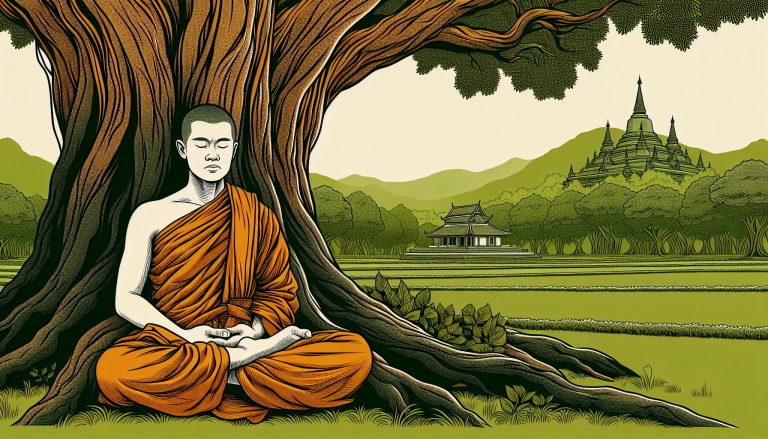
When I first explored the idea of karma, I realized how profoundly it shapes our lives. Understanding karma can offer us a roadmap to navigate our actions and decisions, leading to a more balanced and fulfilling life. Let’s jump into the essence of karma and uncover how this timeless wisdom can impact our modern world.
The Origins Of Karma
The concept of karma originated in ancient India. It’s deeply rooted in the philosophical and spiritual traditions of Hinduism, Buddhism, and Jainism.
Historical Context
Karma’s history dates back to the Vedic period, around 1500 BCE. Early scriptures, such as the Vedas, outlined the principles of karma in ritualistic contexts. During the Upanishadic period (800-200 BCE), karma evolved to focus more on ethical living and spiritual development, reflecting deeper philosophical inquiries.
References In Ancient Texts
Ancient texts have extensively discussed karma. The Bhagavad Gita, a core Hindu scripture, emphasizes karma yoga or the path of selfless action. In Buddhism, the Pali Canon details karma as a critical component of the cycle of rebirth. Jain texts, like the Tattvartha Sutra, elaborate on karma as particles that attach to the soul, influencing one’s future experiences.
Core Principles Of Karma
Karma embodies intricate principles deeply rooted in ancient Indian traditions. It transcends simple cause and effect to encompass moral and spiritual dimensions critical to ethical living.
Cause And Effect
Karma functions as a system of cause and effect. Actions, whether positive or negative, create corresponding outcomes. Every decision made influences future experiences. Positive actions tend to yield favorable results, while negative actions often lead to adverse consequences. The principle of cause and effect in karma underscores accountability, encouraging mindful behavior.
Moral Implications
Karma holds significant moral implications. It emphasizes ethical conduct and intention behind actions. Good intentions and moral behavior align with positive karma, fostering spiritual growth. Conversely, harmful actions and intentions contribute to negative karma. This principle serves as a moral compass, guiding individuals toward a path of righteousness and empathy. Ancient texts accentuate the need for purity in thought and action to cultivate beneficial karma and improve one’s spiritual journey.
Karma In Different Cultures
Karma, a complex and multifaceted concept, manifests uniquely across various cultural contexts. Its interpretations in Hinduism, Buddhism, and Jainism reveal diverse perspectives on ethical living and spiritual growth.
Hinduism
In Hinduism, karma is a fundamental tenet integral to the belief in samsara, or the cycle of birth, death, and rebirth. Actions, known as ‘karmas,’ determine an individual’s future circumstances through accumulated merit or demerit. The Bhagavad Gita, a key Hindu scripture, emphasizes acting without attachment to outcomes to achieve moksha, or liberation. Dharma, or rightful duty, plays a crucial role, guiding ethical conduct aligned with cosmic order.
Buddhism
In Buddhism, karma underscores the principle of intentional action influencing future experiences. The concept is closely linked with the idea of rebirth, where deeds (kamma in Pali) shape successive lives. The Dhammapada, a significant Buddhist text, states, “All that we are is the result of what we have thought.” This highlights the emphasis on mindfulness and ethical intentionality. Buddhists believe in the cessation of karmic cycles through enlightenment (nirvana), attained by following the Noble Eightfold Path.
Jainism
Jainism interprets karma through a lens of non-violence (ahimsa) and strict ethical discipline. Karma consists of particles that attach to the soul due to actions, clouding inherent purity. The Tattvartha Sutra, an important Jain text, elaborates on the process of karma accumulation and its impact on future births. Through rigorous practices like asceticism and strict adherence to truth (satya), non-stealing (asteya), and celibacy (brahmacharya), Jains aim to shed all karmic particles, achieving liberation (moksha).
Each culture presents unique interpretations of karma, reflecting its rich philosophical and ethical dimensions.
Modern Interpretations Of Karma

Karma has grown beyond its ancient origins, finding new meaning in contemporary contexts. It’s now interpreted through various lenses, reflecting shifts in societal and personal values.
Popular Culture
In popular culture, karma often gets simplified to the adage “what goes around comes around.” This view frames karma as immediate retribution or reward, influencing everyday behaviors and social interactions. Media and entertainment frequently reference this notion, reinforcing a straightforward cause-and-effect relationship. For example, television shows and movies depict characters experiencing direct consequences for their actions—both positive and negative.
Personal Philosophy
Many individuals adopt karma as a guiding principle for personal behavior and ethical living. This perspective emphasizes personal responsibility, suggesting that one’s actions create a ripple effect influencing future circumstances. Incorporating this belief into daily life fosters mindfulness and intentionality, encouraging people to act ethically and compassionately. Some use journaling or meditation to reflect on their actions and align them with their values, integrating karma into their self-improvement practices.
Misconceptions About Karma
Karma is often misunderstood. Many simplify or misinterpret this intricate concept, leading to various misconceptions.
Karma As Fate
Some view karma as an unavoidable destiny. This isn’t accurate. Karma involves actions and their subsequent effects, allowing individuals to shape their destiny. For example, making ethical choices today influences future outcomes positively. This dynamic process contrasts with the notion of fixed fate, underscoring personal responsibility in shaping one’s path.
Instant Karma
The idea of instant karma suggests immediate consequences for actions. While appealing, this view oversimplifies the concept. Karma operates on a broader timeline. Some actions might yield swift results, but others unfold over longer periods. An example is practicing kindness regularly – it may not return instantly, but over time, it fosters positive relationships and environments. This temporal aspect highlights the importance of consistent ethical behavior.
Conclusion
Understanding karma goes beyond the simplistic notion of “what goes around comes around.” It’s a profound principle rooted in ancient traditions that emphasizes ethical living and spiritual growth. By integrating karma into our daily lives, we embrace mindfulness and intentionality, guiding our actions with a sense of personal responsibility. This not only shapes our future circumstances but also fosters a shift towards self-improvement and ethical behavior. Misconceptions about karma as fate or expecting instant results overlook its dynamic nature. Consistent ethical behavior over time is key to truly embodying the essence of karma.
Sources & further reading
These themes are explored in greater depth across the following authoritative resources:
- Britannica, Yoga in Hinduism
- Britannica, Puja
- Harvard Pluralism Project, Hindu Practice
- Internet Sacred Text Archive, Yoga Sutras of Patanjali
- Diana L. Eck, Banaras: City of Light (Princeton University Press, 1982)
External resources for further reading. Apam Napat is not affiliated with these publishers; citation does not imply endorsement.
Based on the classical texts of Hindu mythology, see our sources.