
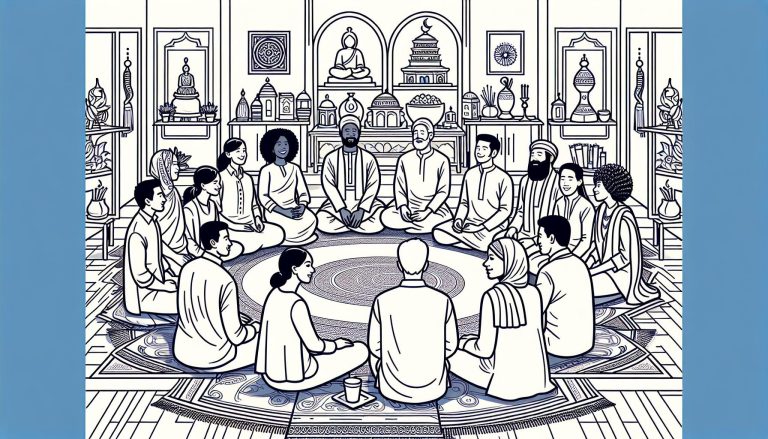
By engaging in interfaith dialogue, we not only deepen our understanding of Hindu devotion but also foster mutual respect and harmony among various religious communities. This dialogue isn’t just about theological debates; it’s about building bridges and finding common ground. So, let’s investigate into how Hindu devotion can enrich our interfaith conversations and bring us closer together.
The Importance of Interfaith Dialogue
Interfaith dialogue advances understanding and acceptance among different religious traditions. It’s rooted in the premise that by sharing core beliefs and practices, people gain deeper insights into each other’s spiritual paths. Engagement in these conversations is critical for uniting diverse communities.
Interfaith dialogue effectively breaks down barriers that lead to societal conflicts. When individuals understand the commonalities and differences among faiths, it fosters global peace and reconciliation. For instance, resolving misconceptions about Hindu devotion promotes harmony.
Creating mutual respect and tolerance stands at the heart of interfaith dialogue. Listening to and appreciating the religious experiences of others builds empathy. In discussing Hindu devotion, believers from various backgrounds learn to respect its unique practices, nurturing a culture of inclusiveness.
The dialogue offers a platform to address misconceptions and stereotypes. By easing religious tensions through open conversations, participants contribute to a more harmonious society. Clarifying the values and customs of Hindu devotion makes it easier to dispel myths and foster mutual respect.
Hindu Devotion: An Overview

Hindu devotion, known as bhakti, forms a cornerstone of Hinduism. It encompasses a profound emotional connection and reverence for the divine, expressed through diverse practices and rituals. This devotion can be directed towards various deities, embodying different facets of the divine.
Key Practices and Beliefs
- Puja: Puja is a fundamental aspect of Hindu devotion. It involves worshiping deities through offerings, chanting, and meditation. Practitioners often bathe and dress deity statues or pictures, known as murti, and share food offerings, called prasada.
- Meditation and Chanting: Meditation and chanting serve as vital practices to connect with the divine. Devotees recite mantras, prayers, and sacred texts like the Rig Veda to achieve spiritual growth and divine communion.
The Role of Devotion in Daily Life
Devotion permeates the daily lives of Hindus. It’s integrated into routine activities like morning prayers and evening rituals, fostering a continuous connection with the divine. Household altars are common, where families perform daily puja and meditate. This persistent devotional practice nurtures spiritual discipline and reinforces the sense of divine presence in everyday life.
Historical Context of Interfaith Dialogue
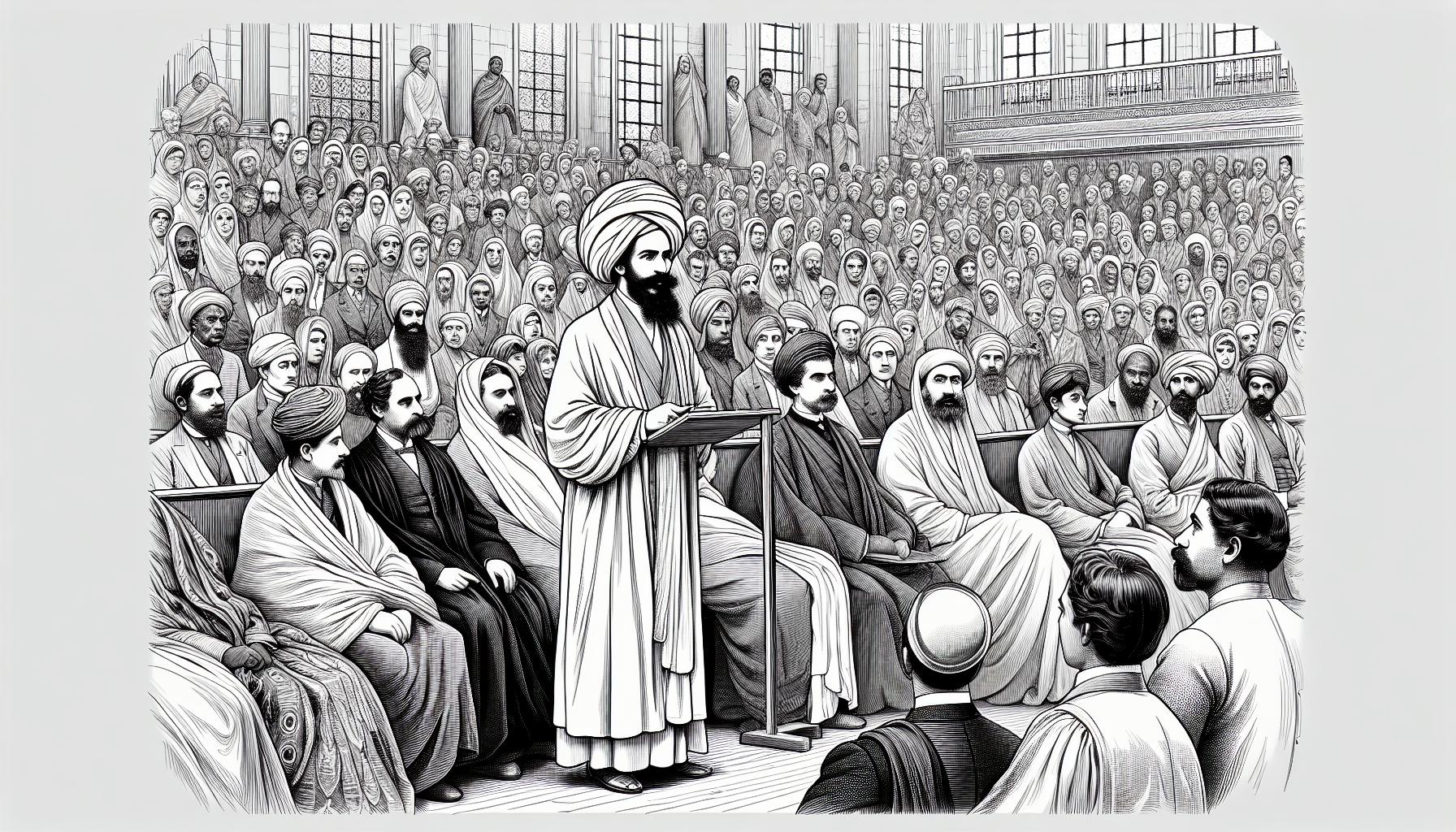
Interfaith dialogue has ancient roots, with communities interacting and exploring each other’s beliefs through various historical movements.
Significant Milestones
- World’s Parliament of Religions (1893): This event in Chicago is recognized as the origin of formal interreligious dialogue. It brought together religious leaders from around the world to discuss and share their beliefs.
Influential Figures
Swami Vivekananda: Renowned for his impactful speech at the 1893 Parliament, his words emphasized unity and tolerance, highlighting Hinduism’s inclusive nature.
Pope John Paul II: Advocated for interfaith dialogue during his papacy, emphasizing the importance of mutual respect and understanding among different religions.
Challenges in Interfaith Dialogue
Interfaith dialogue plays a vital role in fostering understanding between various religious communities, but several challenges hinder its effectiveness.
Misunderstandings and Misconceptions
Misunderstandings arise when participants lack accurate knowledge of each other’s beliefs. Misconceptions can lead to stereotypes, creating barriers to genuine dialogue. For example, some may misunderstand Hindu practices like idol worship as mere superstition instead of symbolic expressions of devotion. Clarifying these nuances can foster better mutual respect.
Cultural and Societal Barriers
Cultural differences often complicate interfaith conversations. Social norms and historical conflicts may create prejudices, making open dialogue difficult. For instance, historical tensions between communities in South Asia can influence perceptions today. Addressing these barriers involves acknowledging past issues and focusing on shared values.
Successful Case Studies
Interfaith dialogue fosters mutual respect and understanding. Here are two impactful case studies showcasing effective interfaith initiatives.
Interfaith Education in India
A school in Nashik, India, included interfaith education in its curriculum. Celebrating festivals from Hinduism, Christianity, Islam, and Buddhism, this approach cultivated respect for diverse faiths. Students engaged in learning about different religious traditions through activities, promoting inclusivity and tolerance. Notably, the celebration of Diwali, Christmas, Eid, and Vesak provided experiential learning opportunities.
The Elijah Interfaith Institute
In 2007, the Elijah Interfaith Institute organized a pivotal meeting in Amritsar, India. The conference, titled “Sharing Wisdom: The Case of Love and Forgiveness,” gathered religious leaders from various traditions. This event emphasized collaborative learning and understanding. Leaders shared insights on love and forgiveness, reinforcing the importance of unity. The institute’s initiative highlighted how shared values can bridge religious divides, fostering a spirit of cooperation.
Notable Examples
Several examples demonstrate the impact of interfaith dialogue on fostering mutual respect. One prominent example is the Parliament of the World’s Religions, which convenes religious leaders to discuss global issues, promoting peace and cooperation among faiths. Another is the annual Interfaith Harmony Week promoted by the United Nations, encouraging activities worldwide to enhance interfaith understanding. These initiatives underscore the potential for meaningful dialogue in addressing common challenges.
Lessons Learned
Successful interfaith initiatives offer several critical lessons. Firstly, educational programs incorporating diverse religious traditions foster respect and tolerance. Secondly, collaborative events with shared values, such as love and forgiveness, can bridge divides. Also, regular dialogue and cooperation among religious leaders enhance mutual understanding. These approaches demonstrate the positive impact of interfaith dialogue on promoting harmonious coexistence.
The Future of Interfaith Dialogue
Interfaith dialogue is increasingly vital in a world where religious differences can lead to conflict. It brings people of various faiths together, facilitating discussions that promote mutual understanding and tolerance.
Opportunities for Collaboration
Different religious groups can collaborate through interfaith dialogue to address common issues like poverty, education, and health. For instance, faith-based organizations in India and the Elijah Interfaith Institute in Amritsar have successfully created platforms for discussion and action. These collaborations can result in initiatives such as community service projects, educational programs, and joint worship events, strengthening the bond among diverse faith communities.
Potential Impact on Global Peace
Interfaith dialogue’s potential for global peace is immense when misconceptions are dispelled, and mutual respect is fostered. Successful initiatives, such as the Parliament of the World’s Religions and the United Nations’ Interfaith Harmony Week, showcase how dialogue reduces tensions and builds bridges. Collaborative efforts among different faiths help address global challenges, ensuring a more peaceful coexistence and a better understanding among people worldwide.
Conclusion
Interfaith dialogue and Hindu devotion offer powerful pathways to foster mutual respect and understanding. By embracing daily practices like Puja and meditation, we can create a deeper emotional connection with the divine. This spiritual foundation enriches our interactions with people of different faiths. Learning from historical figures who championed unity and addressing cultural barriers head-on are crucial steps. Successful interfaith initiatives show that collaboration on common issues like poverty and education can strengthen bonds and reduce global tensions. When we engage in meaningful dialogue and respect diverse beliefs, we contribute to a more peaceful and harmonious world.
Sources & further reading
These themes are explored in greater depth across the following authoritative resources:
- Stanford Encyclopedia of Philosophy, Hindu Philosophy
- Britannica, Moksha
- Britannica, Brahman
- Internet Sacred Text Archive, Upanishads
- Sarvepalli Radhakrishnan, Indian Philosophy (2 vols., Oxford University Press, 1923)
External resources for further reading. Apam Napat is not affiliated with these publishers; citation does not imply endorsement.
Based on the classical texts of Hindu mythology, see our sources.