
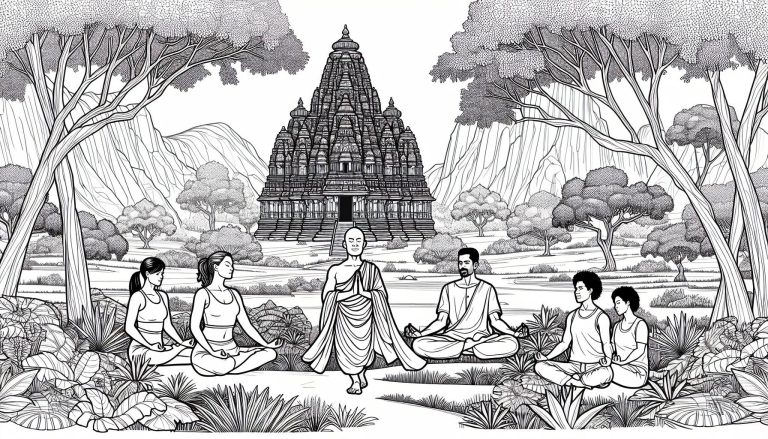
On the other hand, enlightenment, often associated with Buddhism, refers to the profound understanding and realization of the true nature of reality. Both concepts aim for a higher state of consciousness and freedom from worldly suffering, but they approach this transcendence in unique ways. Let’s investigate deeper into what sets Moksha and enlightenment apart and how they guide seekers on their spiritual paths.
Understanding Moksha
Moksha, in Hindu philosophy, represents the liberation from the cycle of rebirth and the attainment of ultimate bliss. This section explores its definitions, historical context, and cultural significance in deeper detail.
Definitions and Interpretations
Moksha refers to the release from the endless cycle of samsara (rebirth) and merging with the divine. Various schools of Hindu philosophy interpret Moksha differently:
- Vedanta School: Achieves liberation through knowledge and realization of the self’s unity with Brahman – The Supreme Truth (universal soul).
- Yoga School: Emphasizes personal discipline and meditation to reach liberation.
- Bhakti School: Focuses on devotion and love for a personal deity to attain Moksha.
Each pathway underscores a unique approach, yet they all aim for the ultimate freedom from worldly suffering.
Historical Context
Moksha’s concept dates back to the Upanishads (circa 800-200 BCE), ancient texts forming the philosophical basis of Hinduism. Later texts like the Bhagavad Gita (circa 5th-2nd centuries BCE) and various Puranas expanded on these ideas. Over centuries, different sects and traditions developed, each adding layers to the understanding of Moksha.
Cultural Significance
Moksha holds a prominent place in Hindu culture. It’s not just an esoteric goal but a guiding principle in everyday life, influencing rituals, practices, and spiritual aspirations:
- Rituals: Many Hindu rituals, from birth to death, aim to balance karma and help progress toward Moksha.
- Festivals: Observances like Holi and Diwali celebrate divine stories and virtues leading to Moksha.
- Daily Practices: Activities like yoga, meditation, and community service are seen as steps toward spiritual liberation.
The pursuit of Moksha permeates various aspects of Hindu life, embedding the quest for liberation into the very fabric of cultural identity.
Enlightenment in Eastern Philosophies
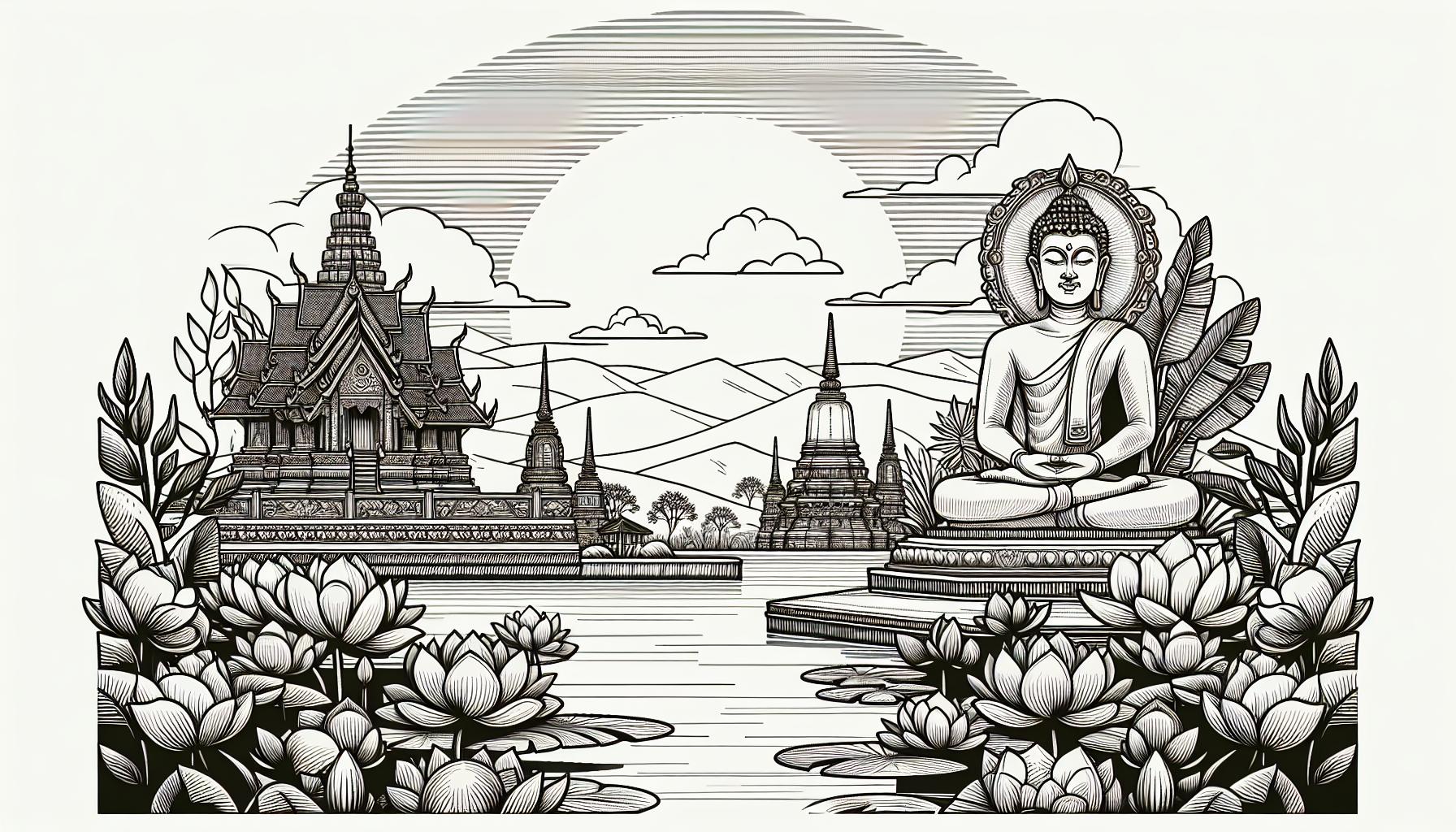
Enlightenment holds a special place in various Eastern philosophies, each offering unique insights and practices. It’s essential to understand how different traditions approach this transcendent state of awareness.
Buddhist Perspectives
Buddhism views enlightenment as Nirvana, the ultimate release from suffering and the cycle of rebirth. According to the teachings of Siddhartha Gautama, or the Buddha, achieving Nirvana involves the Eightfold Path. This path includes right view, intention, speech, action, livelihood, effort, mindfulness, and concentration. Practicing mindfulness meditation (Vipassana) and adhering to ethical precepts play crucial roles in this journey. The state of Nirvana transcends individual existence, marking the cessation of desire and ignorance, leading to profound inner peace.
Hindu Perspectives
In Hinduism, enlightenment is closely allied with Moksha. This state represents liberation from the cycle of Samsara (rebirth) and union with the divine. Different paths to Moksha include Jnana (knowledge), Bhakti (devotion), Karma (action), and Raja (meditation). Texts like the Upanishads and Bhagavad Gita provide frameworks for these practices. Attaining Moksha involves realizing one’s true nature (Atman – The Soul) and its unity with Brahman, the ultimate reality. It’s seen as a state of eternal bliss and supreme knowledge.
Similarities and Differences
While both Buddhism and Hinduism seek liberation from the cycle of rebirth, their approaches and goals differ. Buddhism focuses on the mind through the Eightfold Path and the cessation of suffering. Its concept of Nirvana negates self and seeks the end of personal desire. Hinduism, on the other hand, emphasizes realizing the self’s divine nature and achieving unity with Brahman through various paths. Both philosophies underscore the importance of ethical living, meditation, and knowledge, yet they diverge in their conceptual understandings and ultimate spiritual goals.
Pathways to Moksha
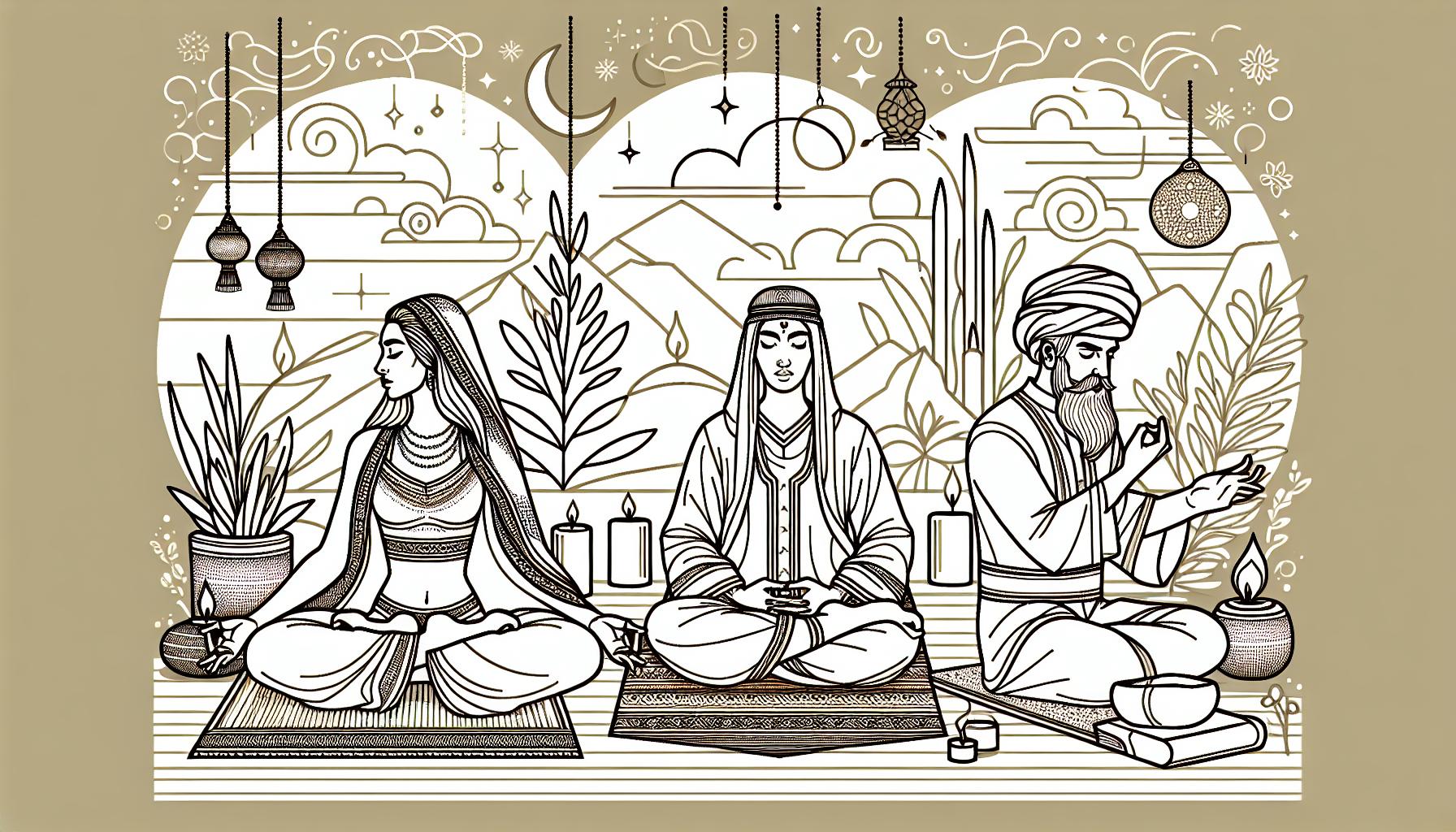
Moksha, the ultimate liberation in Hinduism, can be attained through various pathways, each addressing different aspects of the human experience. Three primary approaches include Yogic practices, Meditative techniques, and the guidance of Gurus.
Yogic Practices
Yogic practices offer systematic methods for spiritual growth and liberation. Hatha Yoga, for instance, uses physical poses (asanas) to prepare the body for higher states of consciousness. In contrast, Karma Yoga emphasizes selfless action without attachment to results, aligning one’s duties with spiritual ideals. Besides, Bhakti Yoga focuses on devotion to a personal deity, cultivating love and surrender. By integrating these practices, one can harmonize body, mind, and spirit, paving the way to Moksha.
Meditative Techniques
Meditative techniques provide tools for inner transformation and self-realization. Jnana Yoga involves contemplation and self-inquiry, leading to wisdom and discernment of the true self. Vipassana meditation, commonly practiced in Buddhism but also relevant in the context of Moksha, emphasizes mindfulness and insight into the nature of reality. Mantra meditation uses sacred sounds to focus the mind and invoke divine energies. These methods foster a deep connection with the inner self and help the dissolution of ego, essential for achieving Moksha.
Role of Gurus
Gurus play a critical role in guiding aspirants on their spiritual journey. A Guru imparts wisdom, offers personalized instruction, and provides support through the challenges of the spiritual path. In many traditions, the Guru-disciple relationship is paramount, as the Guru embodies spiritual ideals and mastery that the disciple seeks to attain. By following the teachings and practices prescribed by a Guru, seekers can navigate the complexities of spiritual development and attain Moksha.
Personal Experiences and Testimonials

Personal accounts offer valuable insights into the journey towards Moksha and enlightenment.
Accounts from Spiritual Leaders
Spiritual leaders like Paramahansa Yogananda, Ramana Maharshi, and the Dalai Lama share profound experiences. Yogananda described Moksha as a state of divine union. He emphasized devotion and meditation. Ramana Maharshi achieved self-realization through self-inquiry, focusing on the question, “Who am I?” The Dalai Lama’s teachings highlight compassion, ethical conduct, and mindfulness. These leaders inspire by exemplifying the principles they teach.
Stories from Practitioners
Practitioners’ stories provide practical perspectives. A yoga teacher from California recounts finding inner peace through daily Hatha Yoga practice and mindfulness meditation. A devotee from India shares her journey of attaining a sense of unity with the divine through Bhakti Yoga, emphasizing the power of devotional songs and rituals. Another practitioner describes how Karma Yoga, or selfless service, transformed their view on life and brought a sense of fulfillment. These personal experiences underscore the diverse paths to enlightenment and Moksha.
Modern-Day Relevance
Moksha in Contemporary Society
Moksha isn’t just an ancient concept; it holds significance in modern life for those pursuing spiritual fulfillment. Many people today turn to Moksha for inner peace amid life’s uncertainties.
Modern spiritual practices often integrate aspects of Moksha, blending traditional and contemporary methods. Yoga studios incorporate elements of Hatha Yoga and Karma Yoga, guiding practitioners toward self-realization and ethical living. Books by spiritual leaders like Eckhart Tolle and Sadhguru explore Moksha-related themes, making ancient wisdom accessible. The quest for Moksha can shape how individuals interact with the world, focusing on compassion and mindfulness.
Enlightenment and Psychology
The intersection of enlightenment and psychology reveals new dimensions of mental well-being. Enlightenment practices, such as mindfulness meditation and self-inquiry, align with contemporary psychological techniques like cognitive-behavioral therapy.
Therapists frequently recommend mindfulness to reduce anxiety and depression, echoing Buddhist practices like Vipassana. Enlightenment-oriented practices foster mental clarity and emotional stability. For instance, research shows that regular mindfulness meditation can lower stress levels and improve emotional regulation. These parallels underscore the relevance of ancient enlightenment philosophies in supporting mental health today.
Conclusion
Moksha and enlightenment are profound spiritual goals that resonate deeply within various Eastern philosophies. These concepts offer pathways to transcendence and inner peace through practices like Yoga, meditation, and ethical living. The wisdom shared by spiritual leaders and practitioners underscores the timeless relevance of these pursuits, even in our modern world. By integrating these ancient practices with contemporary life, we can navigate life’s uncertainties with greater clarity and emotional stability. Eventually, the journey toward Moksha and enlightenment is deeply personal, offering each of us a unique route to spiritual fulfillment and unity with the divine.
Sources & further reading
These themes are explored in greater depth across the following authoritative resources:
- Stanford Encyclopedia of Philosophy, Hindu Philosophy
- Britannica, Moksha
- Britannica, Brahman
- Internet Sacred Text Archive, Upanishads
- Sarvepalli Radhakrishnan, Indian Philosophy (2 vols., Oxford University Press, 1923)
External resources for further reading. Apam Napat is not affiliated with these publishers; citation does not imply endorsement.
Frequently asked questions
What is Moksha in Hinduism?
How does Moksha differ from enlightenment?
How does the Vedanta school approach Moksha?
What are the different paths to Moksha?
When did the concept of Moksha originate?
Based on the classical texts of Hindu mythology, see our sources.