
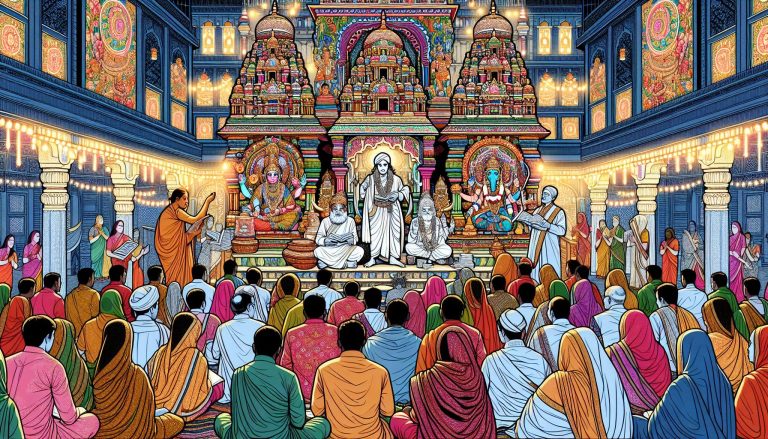
I’ve always found Puranic traditions captivating because they blend mythology with practical teachings, making them relevant even today. Whether it’s the tales of gods and goddesses, the intricate rituals, or the profound philosophies, there’s something incredibly enriching about exploring these ancient narratives. Join me as we delve into the world of Puranic traditions and uncover the enduring wisdom they hold.
Understanding Puranic Traditions
Puranic traditions encompass various practices and beliefs rooted in the ancient Puranas. These texts serve as a collective repository for Hindu mythology, history, and cultural narratives.
Diverse Content
The Puranas offer an extensive range of subjects. They cover cosmogony, cosmology, genealogies, folk tales, pilgrimages, and astronomy. For example, the Vishnu Purana details the creation of the universe and genealogies of gods. Moreover, the Puranas include love stories, humor, and philosophy, making them a comprehensive guide to ancient Indian life.
Genealogies and Cosmogony
Genealogies in the Puranas trace the lineages of gods, goddesses, kings, and heroes. They present a structured account of the universe’s creation and destruction. The Bhagavata Purana, for instance, narrates the genealogies of various dynasties and the cyclical nature of the cosmos. Such genealogies offer insights into divine and royal heritages, reflecting society’s hierarchical structure.
Historical Background
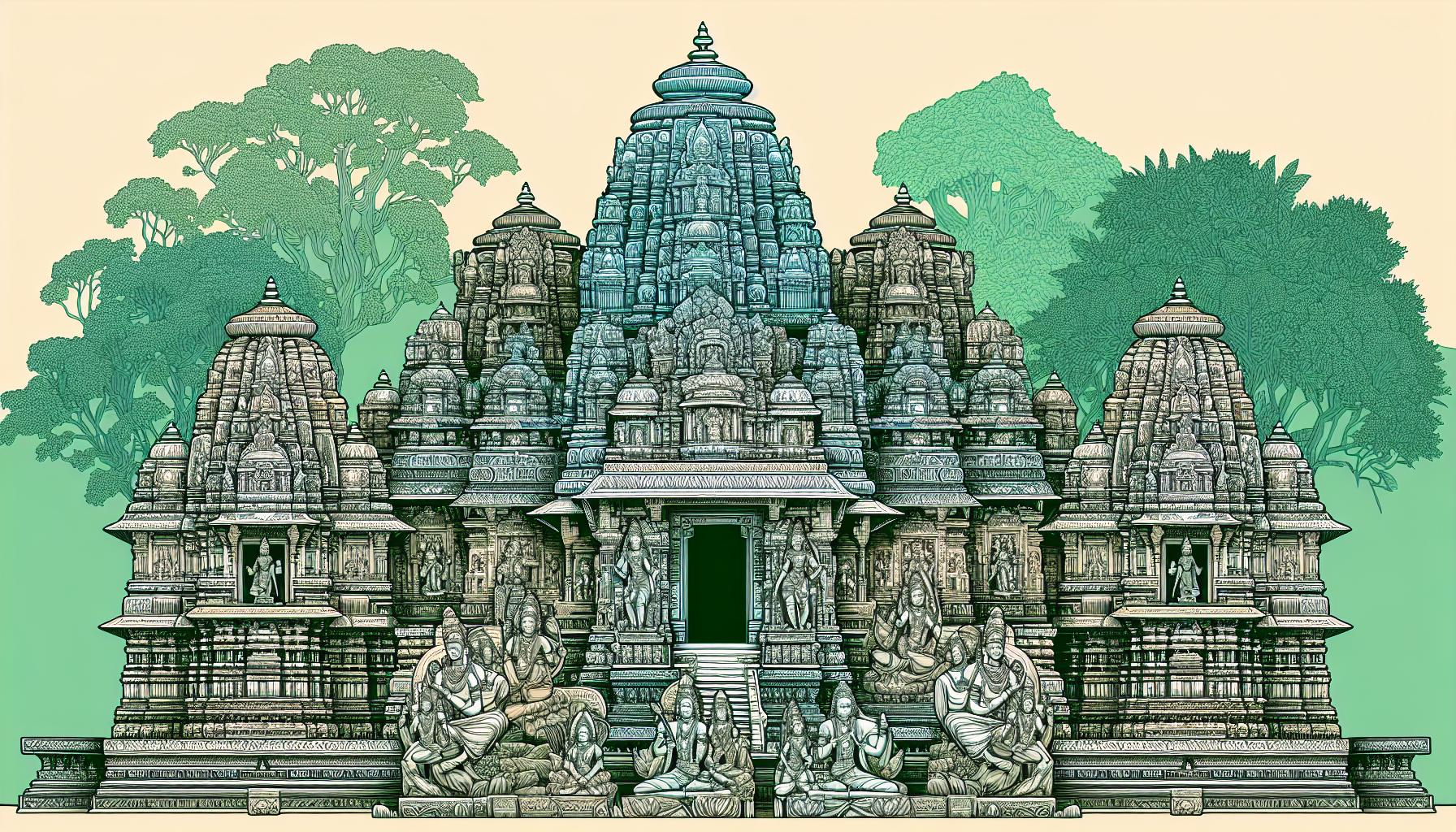
Puranic traditions, integral to Hindu mythology and literature, date back to the fourth century BCE. They derive from sacred Hindu texts, including the Puranas and Itihasas, which are considered Smriti, secondary to the Vedas.
Origin and Development
The Puranas were compiled between 350 CE and 1500 CE. Early Puranas were written by upper-caste authors who integrated popular beliefs from various castes. As time passed, later Puranas reflected vernacular languages and local religious customs, illustrating a blend of diverse cultural practices.
Major Texts in Puranic Literature
Puranic literature includes significant texts such as the Vishnu Purana, Shiva Purana, and Bhagavata Purana. These texts cover a wide array of topics, from cosmogony and genealogies to folk tales and philosophies, acting as comprehensive guides to ancient Indian life and spirituality.
Key Themes and Stories

Puranic traditions are rich with themes and stories, providing a narrative framework for Hindu cosmology and morality.
Cosmology and Mythology
Puranic texts elaborate on the creation and cosmology of the universe. Prajapati – The Creators, a revered creator figure, generates and consolidates the universe through both primary and secondary creation cycles. These cycles occur after periodic annihilations, demonstrating the endless nature of cosmic existence.
Genealogies listed in the Puranas cover gods, goddesses, kings, heroes, sages, and demigods. Although inconsistent across texts, they offer a broad perspective on the interconnectedness of divine and earthly realms. Furthermore, the Puranas outline cosmic cycles, detailing world history during each Manvañtara — a time governed by one patriarch.
Moral Tales and Legends
Puranas convey moral lessons through a variety of tales and legends. They guide readers on how to lead a righteous life and appropriately worship the gods. Examples include stories that emphasize the importance of rituals, prayers, and pilgrimages as pathways to spiritual growth.
Cultural Significance
The Puranas hold a revered place in Hinduism, revered as sacred texts rich in cultural, artistic, and ritualistic traditions. They encompass various subjects including astronomy, medicine, history, and genealogy, serving as essential historical records and cultural cornerstones.
Influence on Art and Literature
The influence of the Puranas on Indian classical arts is profound. They inspire various forms of artistic expressions including songs, dance (e.g., Bharatanatyam), plays, and recitations. For instance, Bharatanatyam often depicts stories from the Puranas, bringing ancient narratives to life through movement and music. Literary works also draw heavily from Puranic stories, weaving mythological tales into poems, dramas, and prose, thereby preserving and propagating these ancient traditions.
Role in Festivals and Rituals
Puranic traditions play a central role in Hindu festivals and rituals. They shape the practices and narratives celebrated in significant events like Diwali, Holi, and Navaratri. For example, the story of Lord Rama from the Ramayana – Epic of Hinduism, part of the Puranic literature, is celebrated during Diwali. Rituals described in the Puranas guide daily worship practices, temple ceremonies, and life-cycle events. These traditions ensure the continuity and dynamism of Hindu cultural and spiritual life.
Comparative Analysis
Differences with Vedic Traditions
Puranic traditions and Vedic traditions represent two distinct facets of Indian literary culture. While the Vedas focus on hymns, rituals, and philosophical teachings intended for a scholarly audience, Puranas offer accessible narratives with legends, myths, and historical accounts.
- Content and Purpose: The Vedas emphasize rituals and spiritual knowledge, contrasting the Puranas, which provide descriptive stories and moral lessons. Vedas center on religious rites and philosophical discussions, while Puranas attract a broader audience with engaging tales like the creation myths in the Vishnu Purana or the exploits of Shiva in the Shiva Purana.
- Language and Composition: Vedas, composed between 1500 BCE to 1200 BCE, are written in Vedic Sanskrit, known for its complexity. Puranas, dating from the 3rd to 10th century CE, employ a more straightforward Sanskrit, making their content more accessible. For example, the Rigveda’s hymns require expert interpretation, whereas Puranic stories like the Mahabharata – The Great Epic resonate more directly with readers.
Similarities with Other Cultural Narratives
Puranic traditions share various similarities with other cultural and religious narratives around the world, establishing a common ground in storytelling and myth-making practices.
- Mythological Themes: Like the Greek myths, Puranic traditions revolve around gods, demi-gods, and epic heroes. Prominent Indian figures such as Krishna and Hanuman can draw parallels to Greek heroes like Hercules or Achilles in terms of their heroic deeds and divine connections.
- Moral Lessons and Folklore: Both Puranic and Western folklore often embed moral teachings within their stories. For instance, tales from the Panchatantra often mirror the fables of Aesop, providing wisdom through animal characters and allegorical scenarios.
These comparative insights illustrate how Puranic traditions stand distinct from Vedic literature while aligning with global storytelling traditions.
Modern Relevance
Puranic traditions continue to impact contemporary life, maintaining their cultural significance. These ancient texts resonate in today’s practices and adaptations.
Continuing Practices
Many Hindu ceremonies and rituals still follow guidelines from Puranic texts. For example, during major festivals like Diwali and Navratri, devotees perform rituals based on stories from the Puranas. Temples frequently recite verses from the Shiva Purana during prayers, reinforcing the presence of these traditions. In life-cycle events, such as weddings and naming ceremonies, Puranic narratives shape the rituals performed.
Adaptations in Contemporary Society
In modern media, adaptations of Puranic stories appear in films, TV shows, and books. For instance, Indian TV series often depict stories from the Vishnu Purana, making them accessible to a wide audience. Educational systems sometimes include Puranic literature in curriculums to teach moral values through engaging narratives. Technological advancements have also led to digital platforms where people access Puranic texts and participate in online discussions, ensuring these traditions remain relevant in a technology-driven world.
Conclusion
Puranic traditions hold a timeless place in Hindu culture, seamlessly blending ancient wisdom with modern life. Their stories and teachings continue to guide festivals, rituals, and everyday practices, offering a rich tapestry of moral and spiritual lessons. By adapting these narratives for contemporary media and educational platforms, we ensure that the profound insights of the Puranas remain accessible and relevant. As we navigate the complexities of today’s world, the enduring legacy of Puranic traditions provides a valuable touchstone for cultural identity and ethical guidance.
Sources & further reading
These themes are explored in greater depth across the following authoritative resources:
- Internet Sacred Text Archive, Mahabharata (Ganguli translation)
- Internet Sacred Text Archive, Ramayana of Valmiki
- Britannica, Mahabharata
- Britannica, Ramayana
- Bibek Debroy, The Mahabharata (10 vols., Penguin, 2010 to 2014)
External resources for further reading. Apam Napat is not affiliated with these publishers; citation does not imply endorsement.
Frequently asked questions
What are the Puranas?
When were the Puranas compiled?
What are the major Puranic texts?
How do Puranas differ from the Vedas?
How are Puranas relevant today?
Based on the classical texts of Hindu mythology, see our sources.