In my exploration of these timeless scriptures, I’ve discovered how the Vedas outline various paths to Moksha, including knowledge, devotion, and righteous living. These texts not only guide us toward spiritual liberation but also offer wisdom on leading a balanced and fulfilling life. Let’s investigate into how the Vedas illuminate the path to Moksha and what this means for us today.
Understanding Moksha
Moksha, a central concept in Hinduism, signifies the ultimate goal of the soul. It’s about attaining liberation from the eternal cycle of life, death, and rebirth.
Definition of Moksha
Moksha derives from the Sanskrit word “muc,” meaning “to free.” It represents freedom from samsara, the cycle of life, death, and rebirth. In Hinduism, moksha is the soul’s ultimate aspiration, a state of eternal bliss achieved by transcending material desires and mortal anxieties.
Moksha in Hindu Philosophy
In Hindu philosophy, moksha holds a pivotal place, particularly in the context of the Vedas. The Vedas, ancient Hindu scriptures, underscore moksha as the highest human goal. Achieving moksha involves developing an enlightened understanding of the soul and the universe, freeing oneself from the limitations of the material world.
The Role of the Vedas
Introduction to the Vedas
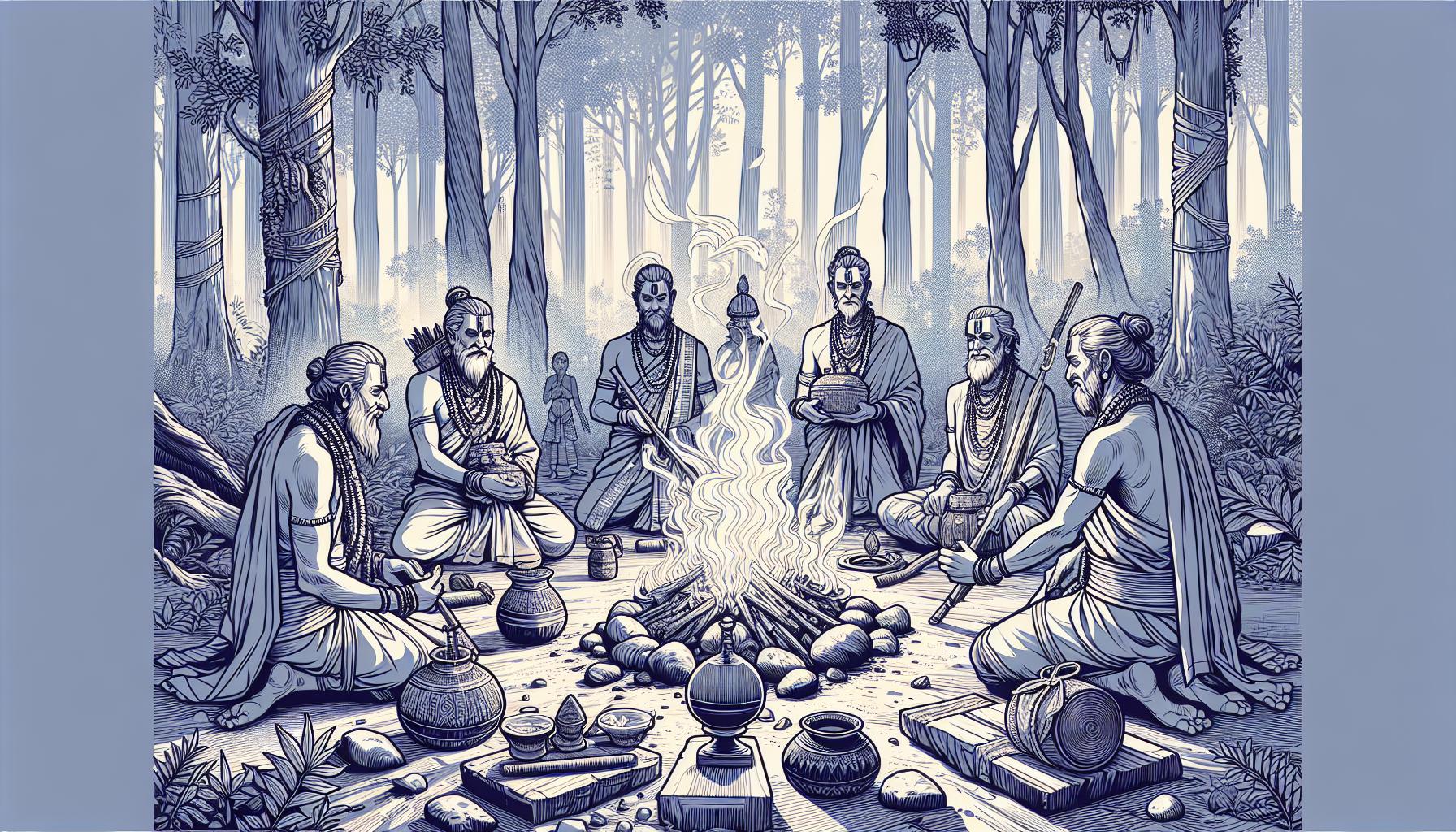
The Vedas are the oldest sacred texts of Hinduism and the foundation of the religion. Composed in archaic Sanskrit by Indo-European-speaking peoples in northwest India during the 2nd millennium BCE, these texts comprise poems, hymns, and rituals. Passed down orally before being written between 1500 and 500 BCE, the Vedas are believed to have always existed.
Importance of the Vedas in Hinduism
In Hinduism, the Vedas serve as spiritual guides for life’s various stages and events. They include prayers, chants, and spells for occasions such as marriages, funerals, and religious rituals. The Vedas are divided into four primary books: Rig Veda, Sama Veda, Yajur Veda, and Atharva Veda, each with sub-categories: Samhitas, Aranyakas, Brahmanas, and Upanishads. These texts provide detailed guidance on achieving Moksha, the ultimate goal of liberation, by emphasizing knowledge, devotion, and righteous living.
Connection Between Moksha and the Vedas
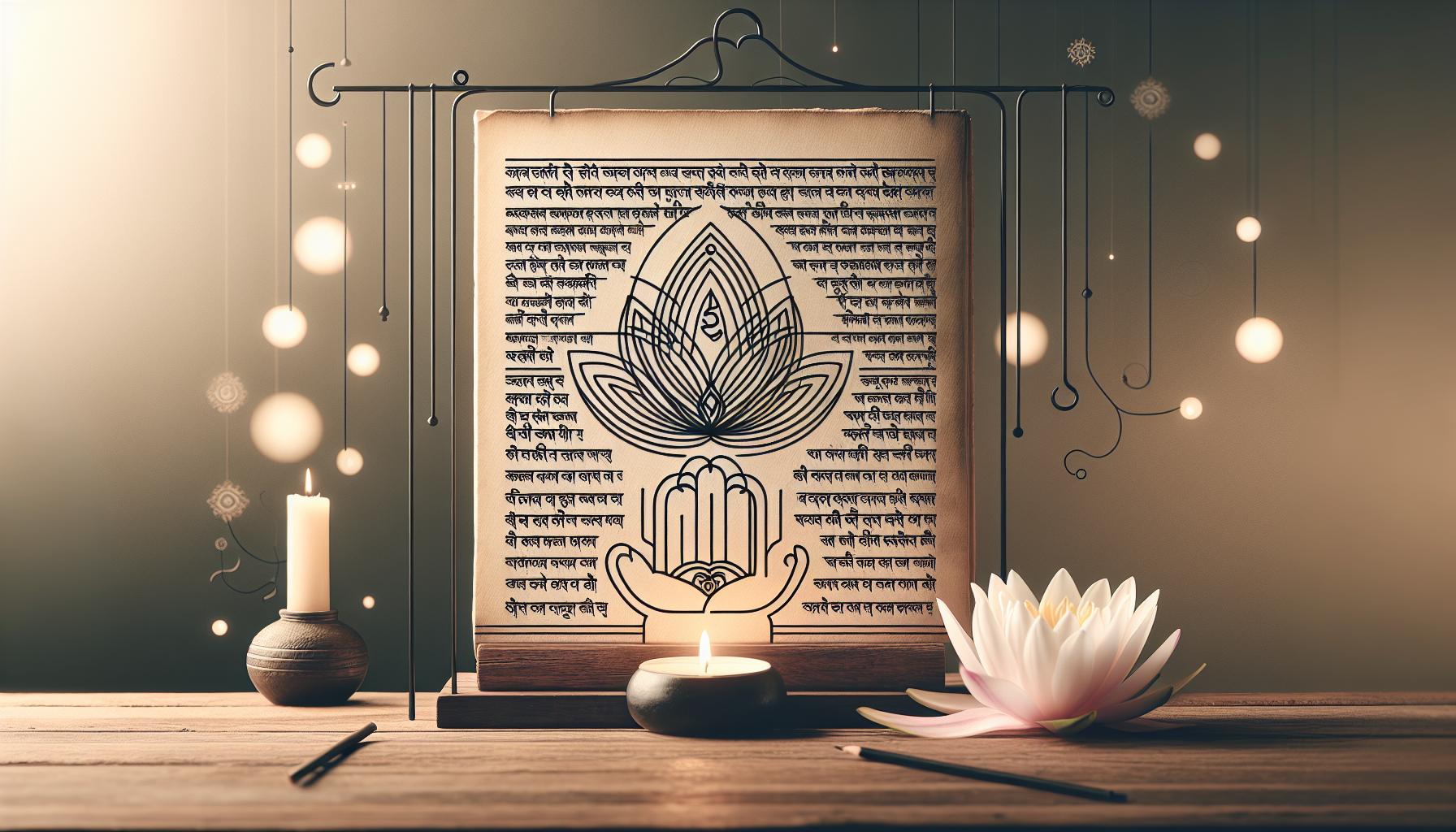
Moksha, the liberation of the soul from the cycle of life and death, is a central concept in Hinduism. The Vedas, ancient Indian scriptures, provide foundational teachings on achieving this ultimate spiritual goal.
Teachings on Moksha in the Vedas
The Vedas emphasize good karma and dharma (duty) as crucial in achieving moksha. Moksha is closely tied to the doctrine of karma, where past deeds determine rebirth quality. If good deeds outweigh bad ones, the soul is liberated from the cycle of birth and rebirth, achieving moksha.
Pathways to Moksha as Described in the Vedas
The Vedas outline various pathways to attain moksha. These paths include:
- Knowledge (Jnana Yoga): Understanding the nature of self and universe is key.
- Devotion (Bhakti Yoga): Total devotion to a deity helps transcend worldly bonds.
- Righteous Living (Karma Yoga): Performing one’s duties selflessly purifies the soul.
The Upanishads, part of the Vedas, contribute significantly to these teachings, emphasizing self-realization and spiritual wisdom as essential to attaining moksha.
Historical Context
The concept of moksha, or liberation from the cycle of death and rebirth, emerged in ancient India around the middle of the 1st millennium BCE. This period saw the rise of new religious movements along the Ganges River valley. These movements emphasized the idea that human life is a state of bondage to a recurring process of rebirth, known as samsara.
Evolution of the Concept of Moksha
The idea of moksha evolved significantly over time, influenced by various religious traditions. Initially, the Vedas presented three life stages: studentship, householdship, and retirement. Later, during the Upanishadic era, a fourth stage called complete abandonment was added. The Vedas also described three modes of experience: waking, dream, and deep sleep. This expanded to include turiyam, a stage beyond deep sleep.
Interpretation of Moksha in Different Vedic Texts
Different Vedic texts provide unique interpretations of moksha. The Rig Veda focuses on hymns and rituals, viewing moksha as a state achieved through proper adherence. The Samaveda emphasizes the power of chants and melodies in leading to liberation. The Yajurveda links moksha with sacrificial rites, suggesting that precise rituals can break the cycle of rebirth. The Atharvaveda incorporates mystical practices, adding an element of internal spiritual transformation to the quest for moksha.
Each of these texts contributes to a multifaceted understanding of moksha, illustrating its importance in Vedic thought.
Modern Perspectives
Contemporary interpretations of moksha incorporate elements from ancient texts while adapting to modern contexts. Insights from today’s scholars and practitioners reflect the evolving nature of this spiritual concept.
Relevance of Moksha Today
Moksha continues to hold significant relevance in contemporary Hinduism and spiritual practices worldwide. As people seek meaning in their lives, the concept of liberation offers a path to peace and fulfillment. Modern spiritual practices often blend traditional Vedic teachings with contemporary self-help and mindfulness techniques, appealing to a broader audience. The pursuit of moksha now includes various practices like yoga, meditation, and pranayama, allowing individuals to experience inner peace and self-realization amidst hectic modern lifestyles.
Scholarly Views on Moksha and the Vedas
Scholars today examine moksha through multidisciplinary lenses, incorporating philosophical, theological, and psychological perspectives. They analyze ancient texts like the Upanishads to understand how the teachings can be applied to modern existential questions. Prominent researchers underscore the dynamic nature of moksha, emphasizing its adaptability to various cultural and historical contexts. They also explore the intersections between moksha and other global spiritual traditions, offering a holistic understanding of human liberation and consciousness.
Conclusion
Moksha remains a profound and timeless concept that transcends cultural and historical boundaries. The Vedas offer invaluable insights into achieving this ultimate state of liberation. By embracing knowledge, devotion, and righteous living, we can move closer to breaking free from the cycle of life and death.
In today’s world, Moksha continues to inspire those seeking deeper meaning and fulfillment. Its adaptability and relevance in modern spiritual practices highlight its enduring significance. The ongoing scholarly exploration of Moksha ensures that this ancient wisdom remains a guiding light for future generations.
Eventually, Moksha’s promise of eternal bliss and liberation from material desires offers a path to true peace and understanding. Whether through ancient texts or contemporary interpretations, the pursuit of Moksha invites us to transcend the ordinary and connect with the divine essence of existence.
Frequently asked questions
What is moksha in Hinduism?
How do the Vedas describe achieving moksha?
What are the four Vedas and how do they relate to moksha?
What role do the Upanishads play in the path to moksha?
Sources & further reading
These themes are explored in greater depth across the following authoritative resources:
- Stanford Encyclopedia of Philosophy, Hindu Philosophy
- Britannica, Moksha
- Britannica, Brahman
- Internet Sacred Text Archive, Upanishads
- Sarvepalli Radhakrishnan, Indian Philosophy (2 vols., Oxford University Press, 1923)
External resources for further reading. Apam Napat is not affiliated with these publishers; citation does not imply endorsement.
Based on the classical texts of Hindu mythology, see our sources.