

As I explored further, I realized that Vedic knowledge isn’t just a collection of spiritual teachings; it’s a comprehensive guide to living a balanced and fulfilling life. From meditation techniques to ethical guidelines, the Vedas provide timeless advice that remains relevant even in our modern world.
Understanding Vedic Divine Knowledge
Vedic divine knowledge refers to spiritual and philosophical insights in the Vedas, the oldest sacred texts of Hinduism. These texts, composed in Vedic Sanskrit between 1500 and 500 BCE, include a wealth of hymns, poems, prayers, and religious instructions, guiding individuals toward a deeper understanding of existence.
Structure and Content of the Vedas
The Vedas consist of four major collections: Rig Veda, Sama Veda, Yajur Veda, and Atharva Veda. Each collection holds distinct significance. The Rig Veda, containing 1,028 hymns divided into 10 mandalas, is the oldest and most critical. Sama Veda focuses on musical chanting. Yajur Veda deals with ritual formulas. Atharva Veda includes spells and charms, integrating spiritual and practical aspects of life.
- Dharma and Parabrahman: The Vedas present interpretations about gods, dharma, and Parabrahman. Dharma refers to the moral order underpinning the universe. Parabrahman represents the ultimate reality or supreme cosmic spirit.
Understanding these elements of Vedic divine knowledge sheds light on the balance and philosophy that underlie Hinduism, offering timeless wisdom relevant to both spiritual seekers and everyday life.
Historical Context of Vedic Texts
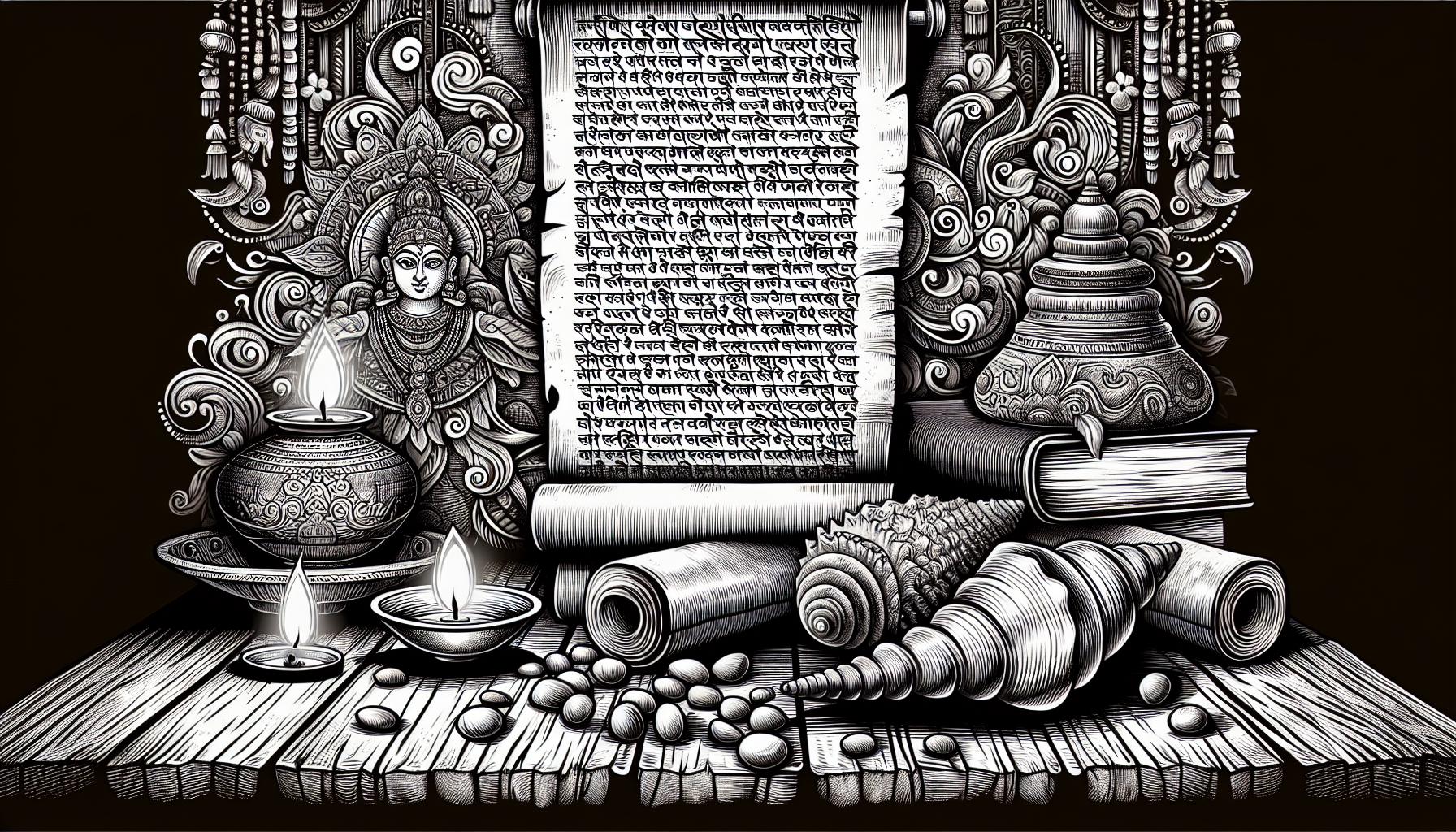
The Vedic texts represent the bedrock of ancient Indian knowledge, compiled over a vast period.
Origin and Compilation of Vedas
Scholars pinpoint the origin of the Vedas around 1500 to 500 BCE. Composed in ancient Sanskrit, these texts were orally transmitted for centuries before being written down. This oral tradition ensured precision, with specific techniques preserving the phonetics and syntax. The four Vedas—Rig, Sama, Yajur, Atharva—were compiled by different seer families, collectively known as Rishis. The verses, or mantras, they created served as hymns, rituals, and philosophical discourses, laying the foundation for Hindu practices.
- Rig Veda: The oldest and most revered text. Contains 1,028 hymns dedicated to various deities like Agni (fire god) and Indra (warrior god). Offers insights into early Vedic rituals and cosmology.
- Sama Veda: Primarily focused on melodies and chants. Derives much of its content from the Rig Veda. Essential for understanding the development of Vedic music and rituals.
- Yajur Veda: Contains detailed prose mantras for rituals. Divided into Krishna – An Incarnation of Vishnu (black) and Shukla (white) Yajur Veda, focusing on sacrificial rites and ceremonies. Provides a comprehensive guide to performing Vedic rituals.
- Atharva Veda: A collection of hymns and incantations dealing with daily life and worldly knowledge. Addresses topics like healing, marriage, and governance. Broadens the spectrum of Vedic literature beyond religious ceremonies.
These texts collectively form a comprehensive spiritual, philosophical, and practical guide, reflecting the diverse aspects of ancient Indian civilization.
Key Concepts in Vedic Divine Knowledge

The Vedic texts offer profound insights into core spiritual concepts. Let’s investigate deeper into three key concepts: Dharma, Karma, and Moksha.
Dharma
Dharma, essential in Vedic knowledge, denotes righteousness and duty. It’s the moral framework guiding individuals’ actions and behaviors. Dharma encompasses personal duties (swadharma) and universal duties (sanatana dharma). For example, a warrior’s dharma involves protecting others, while universal dharma includes truthfulness and compassion.
Karma
Karma refers to the law of cause and effect. It’s a foundational concept in Vedic philosophy that asserts every action has consequences. Good actions lead to positive outcomes, while negative actions result in adverse effects. Karma influences one’s present and future experiences. For instance, generosity fosters goodwill, while deceit brings mistrust.
Moksha
Moksha signifies liberation from the cycle of birth and rebirth (samsara). It represents the ultimate spiritual goal in Vedic tradition. Achieving Moksha involves realizing the self’s true nature and attaining union with the divine. Practices like meditation, self-inquiry, and devotion aid in reaching this state of enlightenment.
The exploration of these key Vedic concepts highlights the depth of Vedic divine knowledge. Each concept interconnects, providing a holistic spiritual framework.
Vedic Rituals and Practices
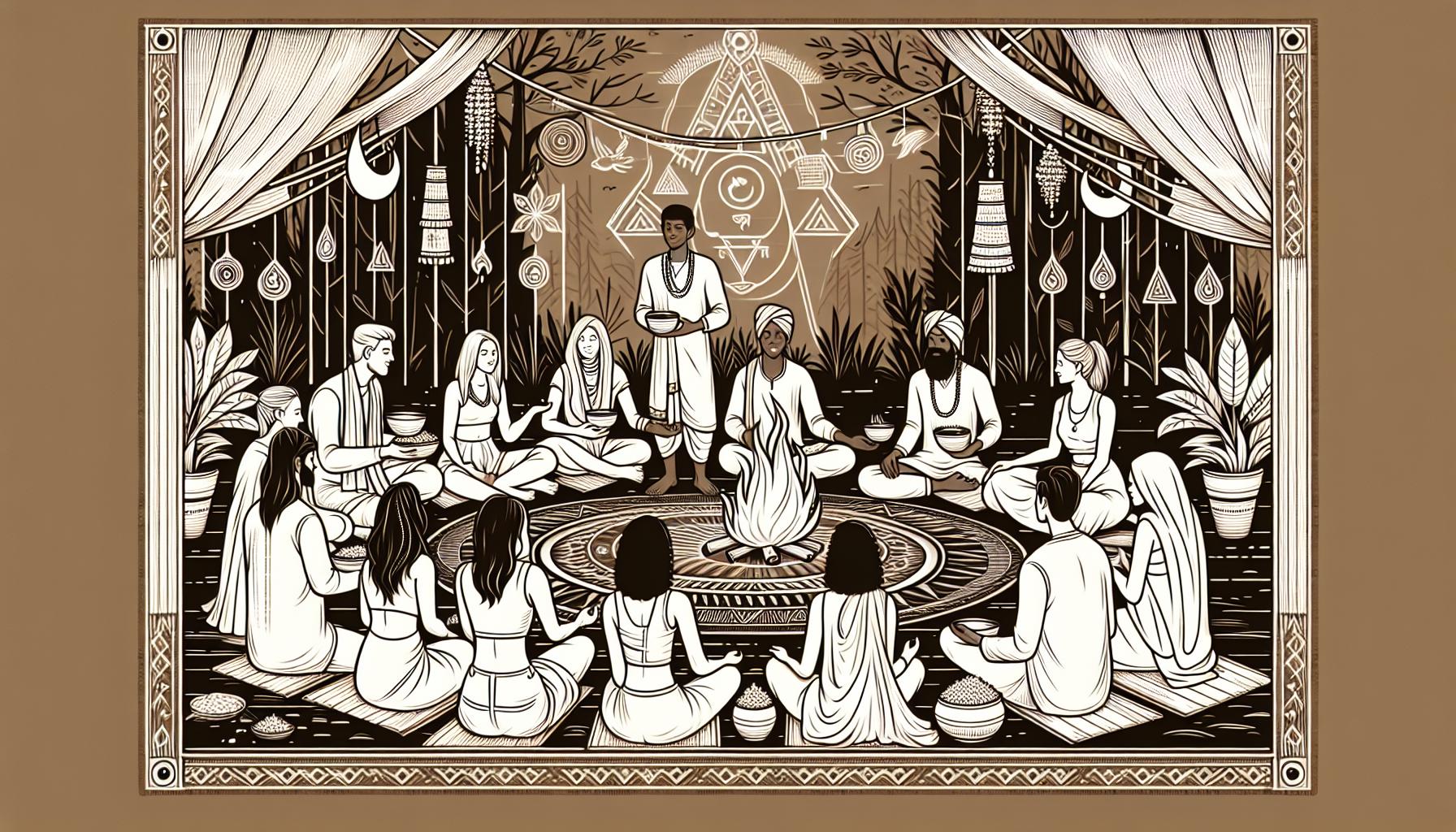
Vedic rituals and practices are fundamental to understanding the spiritual depth of the Vedas. These rituals include yajnas, sacrifices, meditation, and chanting, offering insights into ancient spiritual discipline.
Yajnas and Sacrifices
Yajnas and sacrifices hold immense importance in Vedic traditions. Yajnas involve ritualistic offerings into a consecrated fire. These offerings usually include ghee, grains, and soma (a Vedic ritual drink). The primary aim of yajnas is to invoke deities and ensure cosmic order and prosperity.
Sacrifices are central to yajnas. They symbolize the offering of one’s possessions or attributes to divine forces. In some instances, animals were sacrificed, but textual references also describe symbolic sacrifices like grains and herbs. Sacrifices aim to purify the mind and invoke divine blessings.
Meditation and Chanting
Vedic knowledge emphasizes meditation and chanting to attain spiritual growth. Meditation involves focusing the mind on a single point or concept, promoting inner peace and self-realization. Practices like Dharana (concentration) lead to Dhyana (meditation).
Chanting of mantras forms an integral part of Vedic practices. Mantras are sacred sounds or phrases believed to possess spiritual power. Chanting mantras like “Om” or the Gayatri Mantra helps align the mind with divine vibrations, elevating consciousness and fostering spiritual connection.
By understanding these rituals and practices, one can investigate deeper into the essence of Vedic divine knowledge.
Influence of Vedic Divine Knowledge on Modern Thought
Vedic divine knowledge has significantly impacted modern spirituality and philosophical paradigms. The ancient wisdom from the Vedas continues to shape contemporary practices and beliefs.
Spirituality and Philosophy
Vedic divine knowledge emphasizes the interconnectedness of all beings, a concept that resonates deeply with modern spirituality. Many spiritual leaders today draw on Vedic teachings to underscore the importance of living in harmony with nature and the universe. The concept of Dharma, representing one’s duty and righteous path, aligns with contemporary ethical frameworks that focus on moral responsibility and community welfare.
Philosophically, Vedic wisdom introduces profound ideas about the nature of reality and consciousness. The Vedas discuss the concept of Brahman – The Supreme Truth, the ultimate reality and source of all existence, influencing modern philosophical thought on the nature of consciousness and the universe. For example, the notion of Atman, or the inner self, has parallels in contemporary discussions about self-realization and personal growth.
Contemporary Applications
Modern applications of Vedic divine knowledge are visible in various fields. In wellness, practices like yoga and Ayurveda have roots in Vedic teachings. Yoga, derived from the Sanskrit word “Yuj,” meaning to unite, embodies principles of physical, mental, and spiritual well-being that are gaining global popularity. Ayurveda, the ancient Vedic system of medicine, uses natural remedies and lifestyle modifications for holistic health, influencing contemporary approaches to integrative medicine.
In technology, Vedic mathematics provides alternative, efficient methods for computation, influencing modern algorithms. Also, Vedic principles are applied in corporate settings, offering frameworks for ethical leadership and mindful management. Companies adopt meditation and mindfulness practices, rooted in Vedic traditions, to enhance employee well-being and productivity.
Vedic divine knowledge’s timeless insights continue to offer valuable perspectives and practical applications in today’s world, bridging ancient wisdom and contemporary thought.
Conclusion
Exploring Vedic divine knowledge has been an enlightening journey, revealing timeless wisdom that still resonates today. The Vedas offer profound insights into spirituality, ethics, and the nature of existence, providing a rich world of knowledge that guides us toward a more meaningful life.
By integrating Vedic principles into modern practices like yoga, Ayurveda, and ethical leadership, we can enhance our well-being and foster a deeper connection with ourselves and the world around us. The relevance of Vedic wisdom in contemporary settings underscores its enduring value and universal appeal.
Embracing these ancient teachings allows us to navigate the complexities of modern life with greater clarity and purpose. The Vedic tradition’s emphasis on interconnectedness and ethical living offers a blueprint for personal and collective harmony, showing us that ancient knowledge can indeed illuminate our path forward.
Sources & further reading
These themes are explored in greater depth across the following authoritative resources:
- Internet Sacred Text Archive, Rig Veda (Griffith translation)
- Internet Sacred Text Archive, Upanishads
- Britannica, Veda
- Britannica, Upanishad
- Patrick Olivelle, The Early Upanishads (Oxford University Press, 1998)
External resources for further reading. Apam Napat is not affiliated with these publishers; citation does not imply endorsement.
Based on the classical texts of Hindu mythology, see our sources.