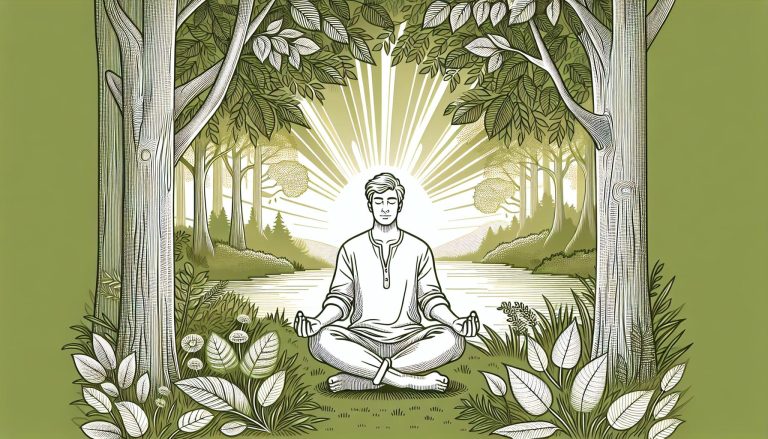
In our rapid world, finding a moment of calm can seem almost impossible. That’s where Vedic meditation comes in. By dedicating just 20 minutes twice a day, you can tap into a state of deep relaxation and heightened awareness. It’s not just about stress relief; it’s a transformative practice that nurtures both mind and body.
What Is Vedic Meditation?
Vedic meditation stems from ancient Indian traditions. This practice focuses on simplicity and natural ease. Practitioners use a specific mantra, a unique sound or word, to guide their meditation. Unlike other forms, Vedic meditation doesn’t require concentration, control, or effort.
The practice typically involves sitting comfortably with eyes closed. Each session lasts around 20 minutes. People meditate twice a day, usually in the morning and late afternoon. This routine helps achieve deep relaxation and heightened awareness.
Scientific studies have shown Vedic meditation lowers stress levels, improves cognitive function, and enhances overall well-being. Its benefits include increased creativity, better emotional health, and improved sleep.
Key elements of Vedic meditation:
- Mantra: A unique sound used for guidance.
- Comfortable Sitting: No rigid postures.
- 20 Minutes: Twice daily sessions.
- Natural Ease: No concentration required.
These aspects make Vedic meditation accessible and effective. Practitioners report transformative effects, aligning with ancient wisdom and modern scientific findings.
History Of Vedic Meditation Practices
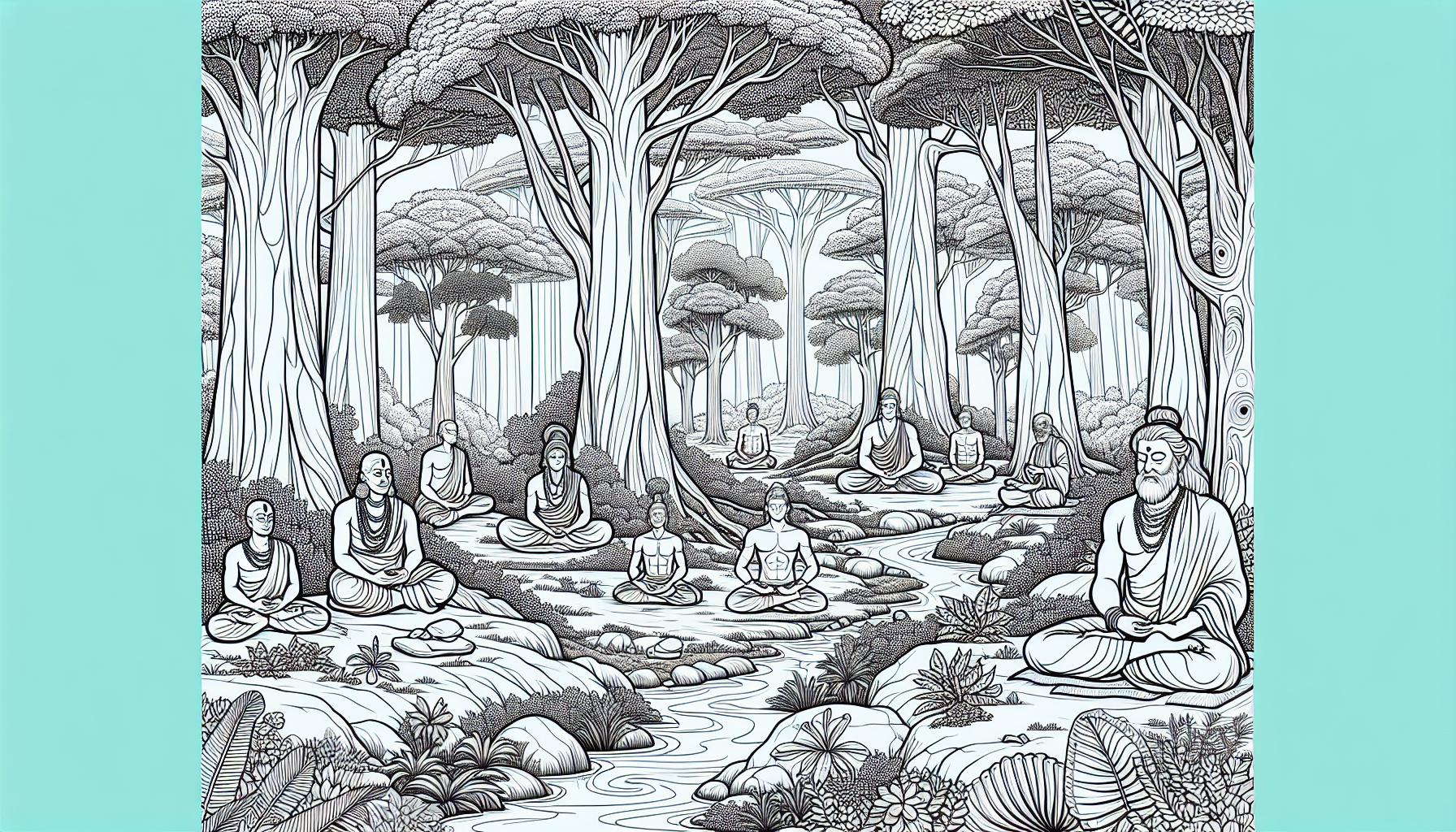
Vedic meditation, with its deep roots in ancient Indian traditions, has a rich history dating back thousands of years.
Origins And Ancient Techniques
Vedic meditation originates from the Vedas, the oldest scriptures of India, which date back over 3,000 years. Sages and rishis (ancient seers) developed these meditation techniques to attain higher states of consciousness. They used specific sounds and mantras to foster relaxation and spiritual growth. The mantras, often in Sanskrit, were passed down through oral tradition, ensuring their purity and effectiveness. These ancient techniques emphasized natural ease and transcendence.
Evolution Over Time
Over millennia, Vedic meditation practices have evolved, adapting to cultural and societal changes while maintaining their core principles. As these practices spread beyond India, teachers like Maharishi Mahesh Yogi introduced the practice as Transcendental Meditation (TM) in the 20th century. This modern adaptation retained the use of mantras but presented the practice in a way that appeals to a global audience. Contemporary scientific research on meditation’s benefits has further validated and popularized Vedic techniques, making them accessible to a broader population while preserving their ancient essence.
Key Principles Of Vedic Meditation
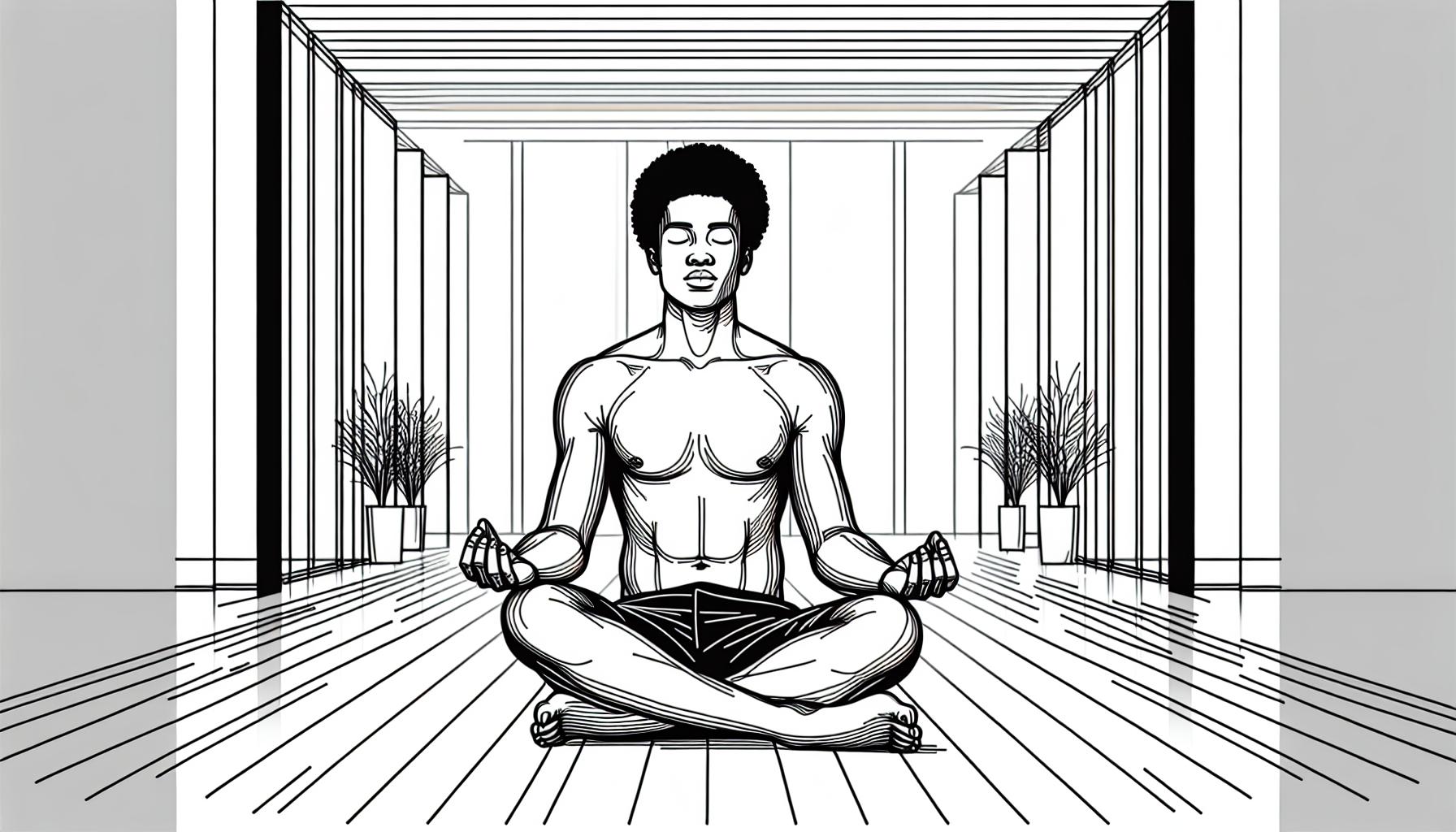
Vedic meditation is founded on several core principles that make the practice effective and accessible. These principles include the use of mantras and an effortless practice philosophy.
Mantra And Its Significance
Mantras hold a central role in Vedic meditation. These are specific sounds or words, chosen for their vibrational quality, rather than their literal meaning. Practitioners use mantras to settle the mind and transcend ordinary thinking. The chosen mantra helps to draw the mind inward, creating a state of restful alertness. When a mantra is used consistently, it can enhance focus and help deeper meditation. Examples include common mantras like “Om” or specific sounds assigned by a trained instructor.
Effortless Practice Philosophy
The foundation of Vedic meditation is its effortless nature. The practice discourages forceful concentration or controlled breathing, aiming for natural, spontaneous experiences. Practitioners sit comfortably, with eyes closed, allowing thoughts to come and go without resistance. This relaxed approach contrasts with other methods that require intense focus, making Vedic meditation more accessible and sustainable for long-term practice. The philosophy emphasizes ease, ensuring that both beginners and experienced meditators can benefit without strain.
Benefits Of Vedic Meditation
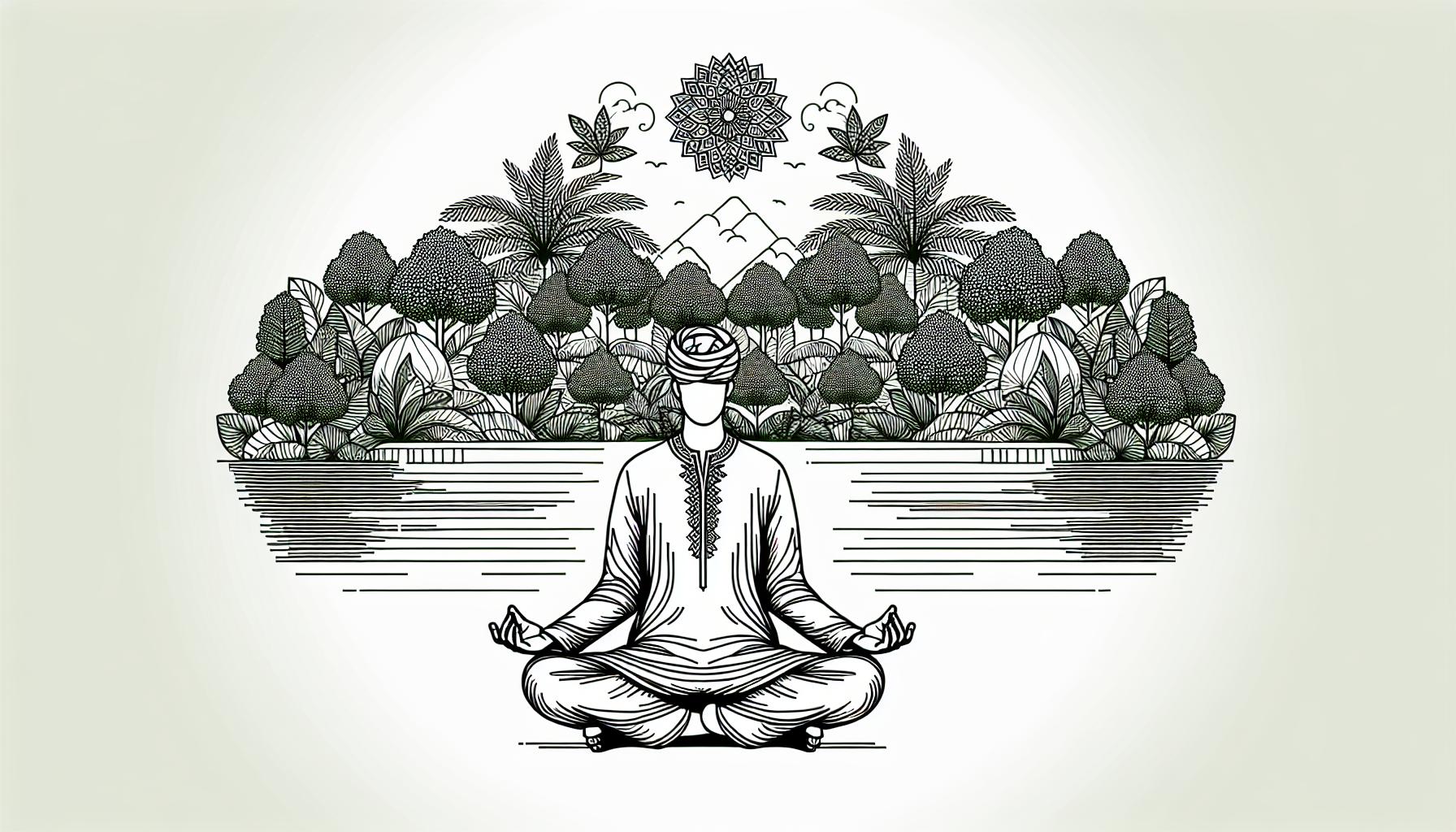
Vedic meditation offers various benefits across mental, physical, and spiritual domains. The practice brings holistic wellness through simple yet profound techniques.
Mental Health Improvements
Vedic meditation enhances mental health through consistent practice. Studies indicate reduced stress levels, decreased anxiety, and improved emotional stability. Practitioners experience better focus and cognitive function. Enhanced relaxation contributes to heightened creativity and problem-solving abilities. For instance, a study published in the Journal of Clinical Psychology showed significant stress reduction among participants practicing Vedic meditation regularly.
Physical Health Advantages
Vedic meditation supports physical health by reducing stress-induced ailments. Research links meditation with lower blood pressure, improved immune function, and reduced inflammation. Regular practitioners report fewer headaches and better sleep quality. A study in the American Heart Association Journal found that participants who practiced meditation had a 48% lower risk of heart attack and stroke.
Spiritual Growth
Vedic meditation fosters spiritual growth by promoting deeper self-awareness and inner peace. The use of mantras connects practitioners to their inner selves, facilitating personal transformation. This practice nurtures a sense of unity and connectedness. For example, consistent meditators often describe feeling more aligned with their purpose and experiencing profound insights during sessions.
How To Practice Vedic Meditation
Practicing Vedic meditation involves a structured approach, utilizing specific techniques to achieve deeper relaxation and spiritual growth.
Steps To Begin
Start by finding a quiet space where distractions are minimal. Sit comfortably with your eyes closed. This posture will help maintain focus and relaxation.
- Choose a Mantra: Select a mantra, a simple sound with no specific meaning, often provided by a trained instructor.
- Close Your Eyes: Close your eyes, letting your body relax naturally.
- Focus on Your Mantra: Silently repeat the mantra in your mind. Gently return to it if your mind wanders.
- Meditate Twice Daily: Practice for 20 minutes twice a day, preferably in the morning and evening. Consistency maximizes benefits.
- Distractions: External noises or wandering thoughts may disrupt your practice. Use earplugs or background music to minimize disruptions.
- Difficulty Sitting Still: Physical discomfort might make staying still challenging. Try different seating arrangements or use cushions for support.
- Impatience: Progress may seem slow initially. Stay committed, and benefits will accrue over time.
By addressing these common challenges proactively, maintaining a disciplined approach to Vedic meditation can significantly enhance its effectiveness.
Comparing Vedic Meditation To Other Forms Of Meditation
When comparing Vedic meditation to other forms of meditation, unique aspects and techniques between these practices become clear.
Vedic Meditation Vs. Mindfulness
Vedic meditation originates from the ancient Vedic tradition in India, whereas mindfulness meditation has its roots in the Buddhist tradition. Vedic meditation uses mantras as a focal point to transcend normal thinking and connect with the deep inner Self. Mindfulness meditation, on the other hand, focuses on passive attention to the present moment. Practitioners use breathing or bodily sensations to anchor their awareness.
Vedic Meditation Vs. Transcendental Meditation
Vedic meditation and Transcendental Meditation (TM) share numerous similarities due to their common Vedic roots. Both use mantras for meditation, which helps the mind settle into a state of restful alertness. But, TM involves a specific and standardized method taught by certified instructors, often emphasizing personal experiences and stress relief. Vedic meditation encompasses a broader range of practices mentioned in the Vedic texts, promoting spiritual growth and self-realization.
Each type of meditation offers unique benefits and techniques, allowing individuals to choose the best according to their personal goals and preferences.
Conclusion
Exploring Vedic meditation has deepened my understanding of how ancient practices can offer profound benefits in today’s rapid world. The use of mantras and the structured approach provide a unique path to relaxation and spiritual growth that’s both accessible and effective. While other forms of meditation like mindfulness and Transcendental Meditation have their own merits, Vedic meditation stands out for its simplicity and depth. By embracing these practices, we can all find a method that resonates with our personal goals and enhances our well-being.
Sources & further reading
These themes are explored in greater depth across the following authoritative resources:
- Internet Sacred Text Archive, Rig Veda (Griffith translation)
- Internet Sacred Text Archive, Upanishads
- Britannica, Veda
- Britannica, Upanishad
- Patrick Olivelle, The Early Upanishads (Oxford University Press, 1998)
External resources for further reading. Apam Napat is not affiliated with these publishers; citation does not imply endorsement.
Based on the classical texts of Hindu mythology, see our sources.