
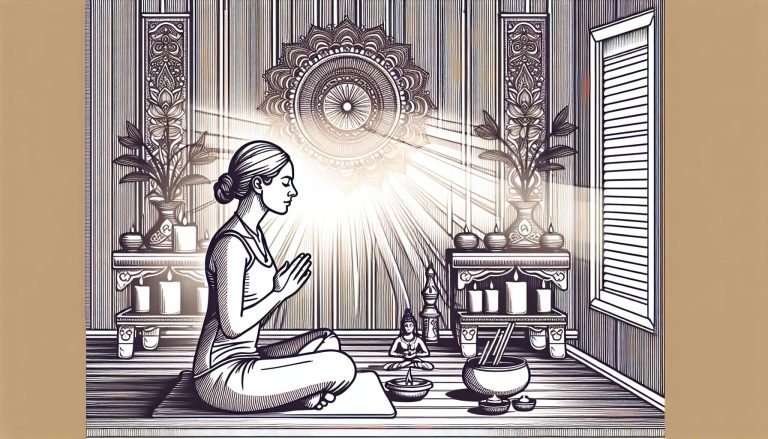
What fascinates me most is how these mantras transcend cultural and temporal boundaries, offering a universal path to inner peace and enlightenment. Whether you’re a seasoned practitioner or just beginning your journey, exploring Vedic sacred mantras can unlock a deeper understanding of the universe and your place within it.
History Of Vedic Sacred Mantras
Vedic sacred mantras date back to the ancient Indian Vedic texts known as the Vedas. Scholars trace these texts to around 1500 BCE, making them some of the oldest religious scriptures in the world. The Vedas comprise four primary texts: Rigveda, Samaveda, Yajurveda, and Atharvaveda.
Rigveda, the oldest among the Vedas, contains over 1,000 hymns dedicated to various deities. These hymns, known as Samhitas, form the foundation of Vedic mantras.
Samaveda, the second Veda, focuses on musical chants. Priests recite these chants during rituals, enhancing the spiritual experience and invoking divine energies.
Yajurveda comprises prose mantras used in sacrificial rituals. These mantras guide priests in performing rituals with precision and reverence.
Atharvaveda, the fourth Veda, includes hymns for daily life, covering healing, protection, and prosperity. These mantras reflect practical aspects of Vedic life.
Plus to the four main Vedas, three sections structure the Vedic texts: Samhitas, Brahmanas, and Upanishads. Samhitas contain the core mantras; Brahmanas, which guide rituals; and Upanishads, which explain philosophical concepts.
Vedic sacred mantras follow specific meters and rhythmic patterns, known as Chandas. Accurate pronunciation and intonation are crucial for unleashing the mantras’ power.
Overall, these mantras provide an extensive spiritual, practical, and philosophical framework.
Significance In Vedic Tradition
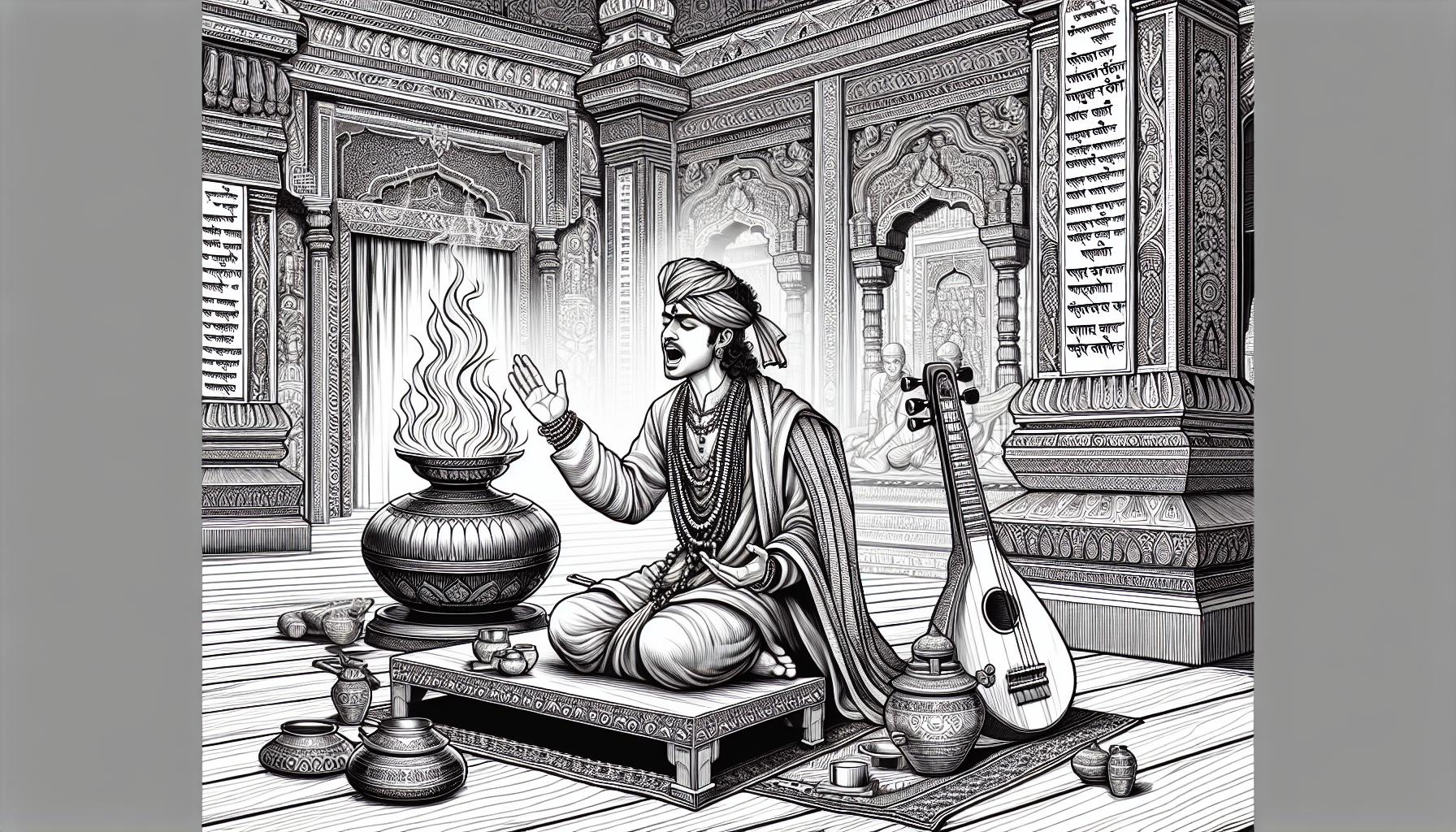
Vedic sacred mantras hold immense importance in the Vedic tradition. They form the backbone of various rituals and spiritual practices.
Connection With Hindu Rituals
In Hindu rituals, Vedic mantras play a pivotal role. Priests chant these mantras during ceremonies like weddings, births, and funerals, ensuring the sanctity of the proceedings. The Rigveda, with its hymns to deities, frequently forms the core of these rituals. For example, during a Vedic wedding, mantras from the Rigveda invoke blessings for the couple’s prosperity and happiness. Accurate recitation enhances the spiritual efficacy of these rites, aligning the participants with cosmic energies.
Role In Meditation Practices
Meditation practices deeply integrate Vedic mantras. Practitioners chant specific mantras to focus the mind and cultivate inner peace. The Samaveda, renowned for its musical intonations, aids in meditative concentration. During meditation, repeating mantras like “Om” creates vibrational resonance within the body, fostering tranquility. Engaging with these mantras during meditation not only calms the mind but also connects one to the ancient spiritual wisdom embedded in the Vedas.
Key Vedic Mantras And Their Meanings

Vedic mantras hold immense spiritual significance. Two of the most important are the Gayatri Mantra and the Mahamrityunjaya Mantra.
Gayatri Mantra
The Gayatri Mantra, from the Rigveda, invokes the divine light and wisdom of the universe. It reads: “Om Bhur Bhuvah Svah, Tat Savitur Varenyam, Bhargo Devasya Dhimahi, Dhiyo Yo Nah Prachodayat.” This translates to: “We meditate on the glorious light of the creator; may he guide our intellect and inspire us.”
Chanting the Gayatri Mantra aims to purify thoughts, enhance inner wisdom, and connect the individual with the cosmic energy. Recited at dawn, this mantra is used in many Hindu rituals.
Mahamrityunjaya Mantra
The Mahamrityunjaya Mantra, also from the Rigveda, seeks blessings for longevity and immortality. It goes: “Om Tryambakam Yajamahe Sugandhim Pushtivardhanam, Urvarukamiva Bandhanan Mrityor Mukshiya Maamritat.” This means: “We worship the three-eyed one, fragrant and nourishing; may he liberate us from the bondage of death for the sake of immortality.”
Using the Mahamrityunjaya Mantra offers healing and protection, making it a powerful tool for overcoming fears and obstacles.
These mantras exemplify the deep spiritual heritage within Vedic traditions, continuing to inspire and guide practitioners.
Benefits Of Chanting Vedic Mantras
Chanting Vedic mantras offers a multitude of benefits, impacting both mental and physical health. These ancient practices can transform the mind and body in profound ways.
Mental Health Benefits
Chanting Vedic mantras promotes mental clarity and tranquility. Repetition and rhythmic patterns in mantras have a meditative effect, reducing stress and anxiety. Studies indicate that regular chanting enhances cognitive functions, improving memory and concentration. For instance, repeating the Gayatri Mantra daily can help individuals gain mental focus and inner peace. Vedic mantras also aid in emotional balance, creating a sense of calm and reducing symptoms of depression. Harmonizing the mind, chanted mantras nurture mental resilience and stability.
Physical Health Benefits
Vedic mantras influence physical well-being significantly. Chanting them increases positive vibrations, stimulating the parasympathetic nervous system. This activation lowers blood pressure and heart rate, enhancing cardiovascular health. Scientific research shows that mantra chanting can boost the immune response. For example, the Mahamrityunjaya Mantra is revered for its healing powers and is believed to promote longevity. Vedic chanting also encourages deep breathing practices, enriching oxygen flow in the body and improving respiratory health. So, these mantras contribute to overall physical vitality and robustness.
Techniques For Chanting Vedic Mantras
Mastering Vedic mantras requires specific techniques to ensure their full potency. These techniques focus on pronunciation, intonation, frequency, and timing.
Pronunciation And Intonation
Correct pronunciation and intonation maximize the effectiveness of Vedic mantras. Each syllable in Vedic mantras holds a vibration that resonates with one’s inner being. Precise vocalization is essential for this resonance. Mispronouncing even a single syllable might alter the intended vibration, reducing the mantra’s efficacy.
Consider the pronunciation of the “Gayatri Mantra”: Each syllable—Om, Bhur, Bhuvah, Svah, Tat, Savitur, Varenyam, Bhargo, Devasya, Dhimahi, Dhiyo, Yo, Nah, Prachodayat—must be articulated accurately. Also, intonation guides the pitch and rhythm, helping maintain the mantra’s harmonic vibrations. Whether chanting aloud or mentally, focus on clear, deliberate sounds to generate the desired spiritual and mental effects.
Frequency And Timing
The frequency and timing of chanting influence the effectiveness of Vedic mantras. Repetition builds a rhythmic pattern, reinforcing intent and concentration. Regular chanting, such as daily or during specific times each day, integrates the mantra into one’s routine, enhancing its benefits.
Timing also plays a crucial role. Traditional Vedic practices recommend specific times for chanting, like dawn or dusk. These periods are considered auspicious, aligning one’s energies with natural cycles. Chanting the Mahamrityunjaya Mantra at dawn, for example, infuses the practice with the freshness and vitality of a new day, aiding in invoking blessings for longevity and health.
Balancing these elements—pronunciation, intonation, frequency, and timing—ensures deep, transformative experiences through Vedic mantras.
Popular Misconceptions About Vedic Mantras
There are several misconceptions about Vedic mantras that can cloud their true significance.
Misconception 1: Vedic Mantras Are Only For Rituals
People often think Vedic mantras are restricted to religious rituals. While it’s true that mantras are integral to Hindu ceremonies, they aren’t limited to these rituals. They also play a vital role in meditation practice, aiding mental focus and emotional equilibrium.
Misconception 2: Incorrect Pronunciation Has No Consequence
Some believe that the pronunciation of Vedic mantras is flexible. But, precise pronunciation is crucial. The potency of mantras relies on their rhythmic patterns and phonetic accuracy. Mispronounced mantras lose their intended vibrational impact and efficacy.
Misconception 3: Mantras Require Long Hours of Chanting
It’s a common belief that one must chant Vedic mantras for hours to feel their effects. In reality, consistent and sincere chanting, even for a few minutes, can yield significant benefits. Quality and intention outweigh duration when it comes to chanting mantras.
Misconception 4: Mantras Work Instantly
Many expect immediate results from chanting Vedic mantras. But, the effects of mantras accumulate over time with regular practice. Patience and persistence are essential to experience the deep, transformative benefits these sacred sounds offer.
Misconception 5: Mantras Are Restricted to Sanskrit
Some think mantras are only meaningful in their original Sanskrit form. While Sanskrit holds a unique vibrational quality, translations and transliterations can still help understanding and connection for non-Sanskrit speakers. The intent and devotion behind chanting are what truly matter.
Misconception 6: Only Specific Mantras Have Power
People often assume only famous mantras like the Gayatri Mantra possess power. In truth, various mantras hold significance, each designed for different purposes and benefits. Mantras focusing on peace, health, or prosperity can be equally potent when chanted with sincerity.
Addressing these misconceptions provides a clearer understanding of Vedic mantras, enhancing their application in both spiritual and daily life contexts.
Conclusion
Vedic sacred mantras offer profound benefits for both spiritual growth and daily well-being. By understanding their origins and learning proper chanting techniques we can tap into their transformative power. It’s essential to dispel common misconceptions to fully appreciate and use these ancient practices. Whether you’re seeking divine blessings or aiming to enhance your mental and physical health incorporating Vedic mantras into your routine can be a deeply enriching experience.
Sources & further reading
These themes are explored in greater depth across the following authoritative resources:
- Internet Sacred Text Archive, Rig Veda (Griffith translation)
- Internet Sacred Text Archive, Upanishads
- Britannica, Veda
- Britannica, Upanishad
- Patrick Olivelle, The Early Upanishads (Oxford University Press, 1998)
External resources for further reading. Apam Napat is not affiliated with these publishers; citation does not imply endorsement.
Based on the classical texts of Hindu mythology, see our sources.