
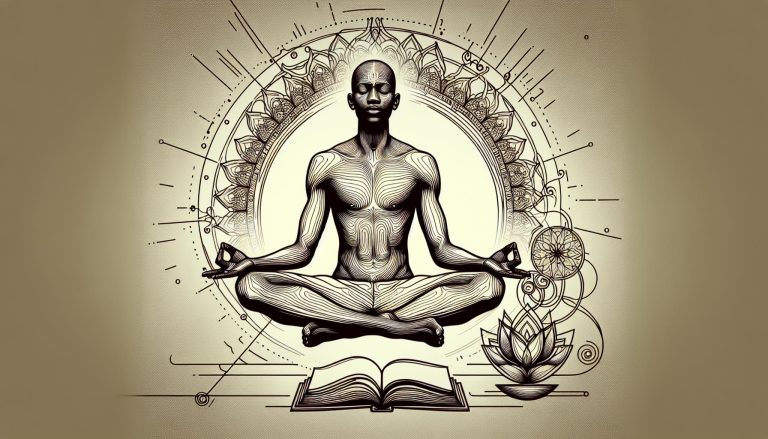
The Gita’s teachings helped me navigate life’s complexities with newfound clarity and purpose. By exploring its principles, I uncovered ways to align my actions with my values, eventually leading to a more fulfilling and balanced life. Let’s jump into how the Gita can ignite your journey of personal transformation.
Understanding Gita’s Teachings
The Bhagavad Gita presents profound insights into life’s essential questions. It addresses concepts such as duty (dharma), righteousness, and the nature of self. Key teachings urge individuals to act according to their duty without attachment to results. This principle, known as Nishkama Karma, minimizes stress by focusing on effort rather than outcomes.
Self-realization stands as another central teaching. The Gita emphasizes discovering one’s true self beyond the physical body and mind, recognizing the eternal soul (Atman – The Soul). This realization promotes inner peace and detachment from worldly distractions.
Also, the Gita highlights the importance of maintaining equanimity in success and failure. It advises seeing both with equal perspective. This balanced view helps cultivate resilience and prevents emotional upheaval.
Through meditation and disciplined practice, the Gita encourages enhancing self-awareness and controlling the mind. This discipline supports personal growth and spiritual development, fostering a deeper connection to the divine.
By grasping these teachings, I’ve found greater clarity, balance, and purpose. I’ve integrated these principles into my daily life, transforming my perspective and aligning my actions with inner values. The Gita’s wisdom continues to guide my journey of personal transformation.
Key Themes in the Gita
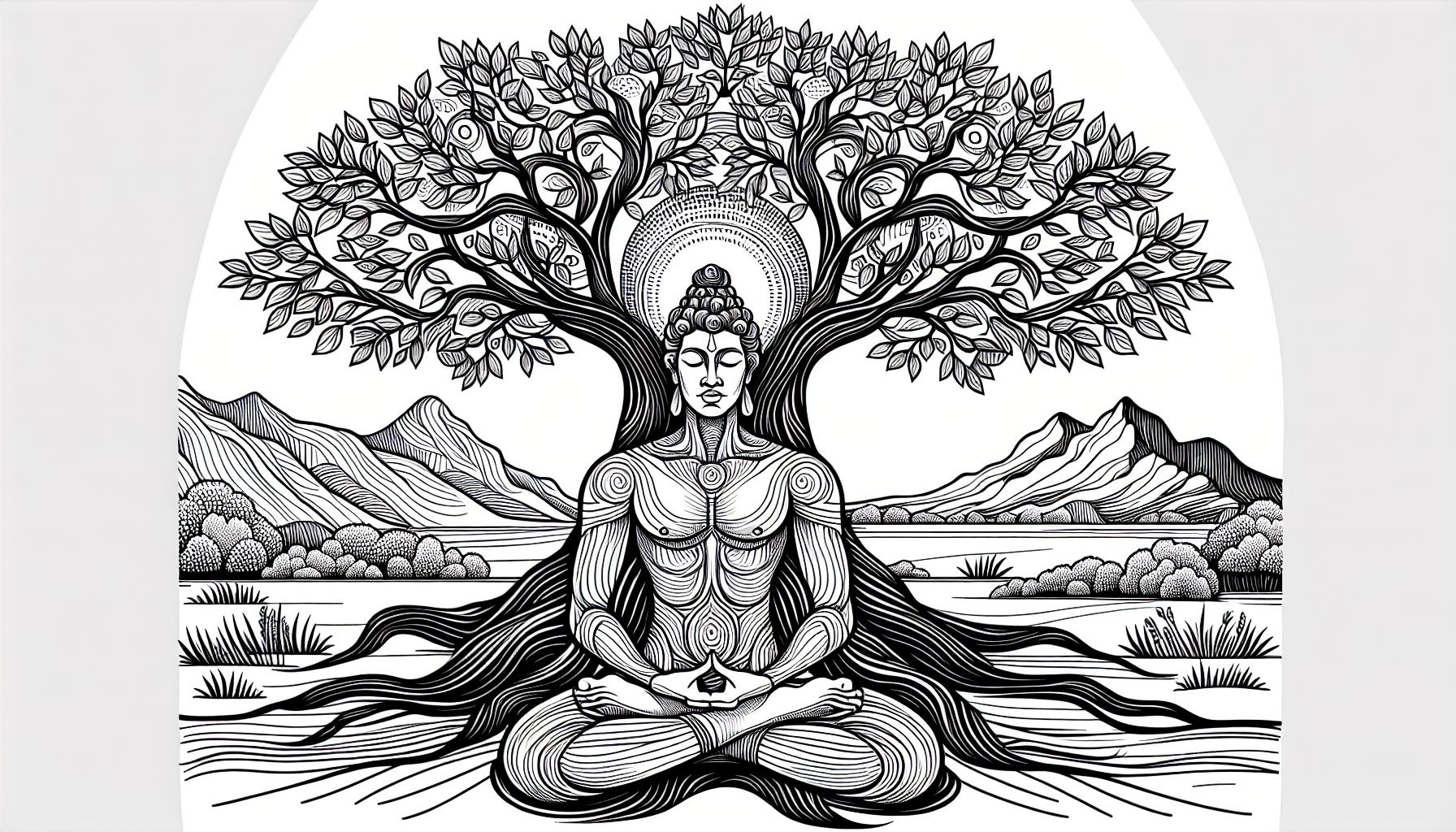
The Bhagavad Gita’s teachings cover profound themes central to personal transformation. Let’s explore some of the most impactful ones.
Self-Knowledge
Self-knowledge is a pivotal theme in the Gita. Understanding the nature of the self, distinct from the body and mind, is emphasized. The Gita teaches that recognizing one’s true self as the eternal Atman can lead to liberation. For instance, in Chapter 2, Verse 13, Krishna – An Incarnation of Vishnu explains the soul’s immortality, stressing the importance of spiritual wisdom.
Duty and Righteousness
Duty and righteousness, or Dharma, form another cornerstone. The Gita advises performing one’s duty without attachment to results. In Chapter 3, Verse 19, the text encourages action for duty’s sake alone. This principle of Nishkama Karma underscores the importance of duty while relinquishing the fruit of actions, fostering moral integrity and social responsibility.
Detachment and Inner Peace
Detachment and inner peace are essential for maintaining balance. The Gita advocates for mental equanimity amid life‘s fluctuations. In Chapter 2, Verse 48, the concept of Yoga is introduced as a way to stay calm and focused. By practicing detachment, one achieves inner peace, allowing a steady internal state irrespective of external circumstances.
Personal Transformation Through Gita
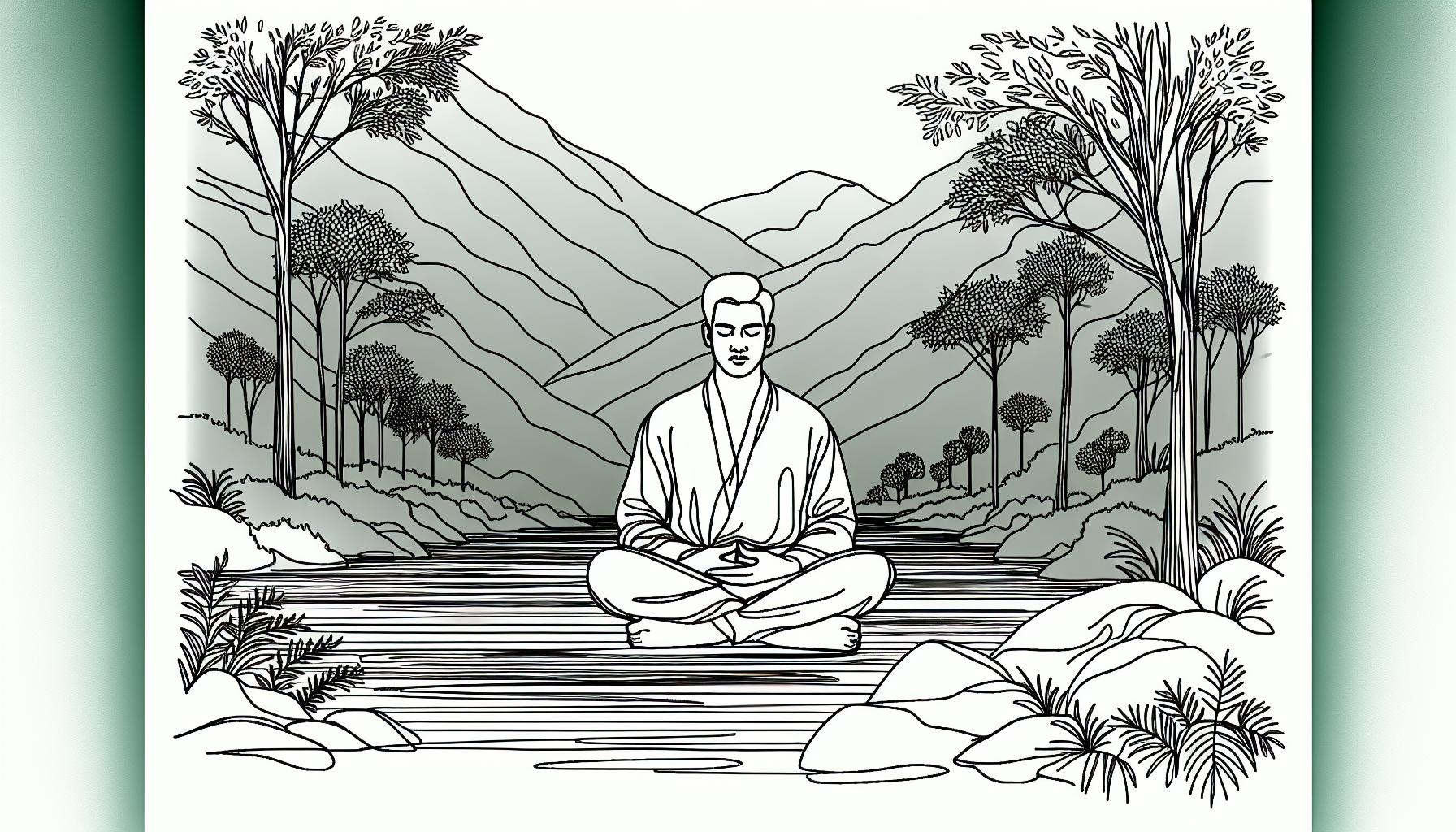
The Bhagavad Gita offers profound insights for personal transformation. By embracing its teachings, I’ve experienced significant changes in my mindset and behavior.
Mindfulness Practices
Incorporating mindfulness practices from the Gita has enhanced my daily life. The Gita encourages focusing on the present moment, fostering mental clarity and calm. Practicing detachment, as advised, helps me observe my thoughts without attaching emotions. This approach reduces stress and increases my capacity for objective decision-making. Daily meditation, guided by verses like Bhagavad Gita 6.10, allows me to cultivate inner peace and concentration.
Building Resilience
The Gita’s principles build resilience by encouraging perseverance and fortitude. By understanding concepts like Nishkama Karma, where one performs duty without attachment to outcomes, I’ve developed a stronger will to face challenges. Accepting that situations are transient and focusing on righteous actions rather than results, as recommended in Bhagavad Gita 2.47, has significantly enhanced my ability to recover from setbacks. This shift in focus brings mental stability and courage.
Spiritual Growth
The Gita fosters spiritual growth by emphasizing self-knowledge and connection with the Divine. Studying the nature of the self, as explored in Bhagavad Gita 2.13, deepens my understanding of my true essence beyond physical existence. Embracing bhakti (devotion) strengthens my spiritual connection and enriches my sense of purpose. Engaging in practices like daily self-reflection and prayer, directly suggested by the Gita, nurtures my spiritual evolution and fortifies my alignment with higher values.
Real-Life Examples
The Bhagavad Gita’s transformative power is exemplified in personal and historical stories. Many individuals credit the Gita with profound life changes, providing insight into duty, purpose, and inner peace.
Personal Testimonies
A friend of mine, struggling with career indecision, found clarity through the Gita’s teachings. By embracing Nishkama Karma, he focused on effort without attachment to outcomes, leading to a fulfilling job role. Another colleague, battling stress, adopted mindfulness practices detailed in the Gita. This shift fostered mental calm and improved productivity. Countless others have shared similar experiences in online forums, attesting to the Gita’s impact on their life’s trajectory.
Historical Figures Inspired by the Gita
Mahatma Gandhi famously revered the Gita. He leveraged its principles of duty and non-attachment to guide India’s independence movement. Martin Luther King Jr., inspired by Gandhi, also drew strength from the Gita’s philosophies during the civil rights struggle. Both leaders showcased how the Gita’s wisdom transcends time and culture, driving remarkable transformations.
Tools and Techniques
Harnessing the Bhagavad Gita’s transformative wisdom involves practical tools and techniques that bring clarity and inner peace. These methods can enable personal growth and deeper understanding.
Meditation
Meditation guides the mind to a focused state, promoting tranquility. Regular practice supports emotional regulation and stress reduction. Techniques like guided meditation and mindfulness align well with the teachings of the Gita. Chanting the sacred verses also deepens concentration, connecting individuals to the core principles outlined in the scripture.
Daily Reflections
Daily reflections foster self-awareness and personal insight. Set aside time each day to ponder the teachings of the Gita, focusing on how they apply to current life situations. Writing in a journal enhances understanding and retention. Personally, reflecting on verses such as 2.47 (“Karmanye Vadhikaraste Ma Phaleshu Kadachana”) helps me embrace duties without attachment to results, cultivating a profound sense of purpose and balance.
Conclusion
My journey with the Bhagavad Gita has been nothing short of transformative. By embracing its teachings, I’ve found a profound sense of inner peace and clarity. The principles of Nishkama Karma and righteous actions have not only deepened my spiritual connection but also built resilience and courage in my daily life.
Incorporating meditation and daily reflections has allowed me to harness the Gita’s wisdom effectively. These practices have fostered self-awareness and insight, enriching my personal growth journey. The Gita’s timeless wisdom continues to guide me toward a more mindful and fulfilling life.
Sources & further reading
These themes are explored in greater depth across the following authoritative resources:
- Internet Sacred Text Archive, Rig Veda (Griffith translation)
- Internet Sacred Text Archive, Upanishads
- Britannica, Veda
- Britannica, Upanishad
- Patrick Olivelle, The Early Upanishads (Oxford University Press, 1998)
External resources for further reading. Apam Napat is not affiliated with these publishers; citation does not imply endorsement.
Frequently asked questions
What is Nishkama Karma in the Bhagavad Gita?
What does the Gita teach about self-realization?
What does the Gita say about equanimity?
How does the Gita support personal transformation?
Based on the classical texts of Hindu mythology, see our sources.