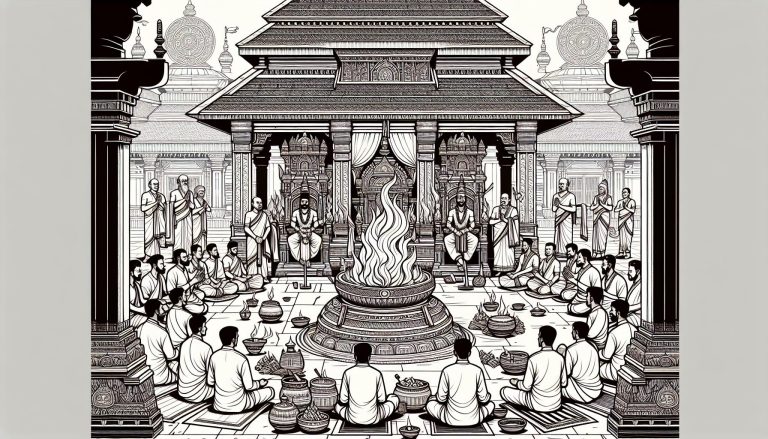
I’ve always been fascinated by how these rituals blend spirituality, philosophy, and daily life. From intricate fire ceremonies to meditative chants, Vedic rituals aim to harmonize the individual with the cosmos. Understanding these practices offers a unique window into a profound cultural and spiritual heritage.
Understanding Vedic Sacred Rituals
Vedic sacred rituals, based on the hymns of the Vedas, served as the foundation of Vedic religion. These rituals aimed to ensure the prosperity of both humans and gods. Performed to seek material benefits, they included desires for cattle, good fortune, health, long life, and male progeny.
Origins and Purpose
The Vedas, which compiled the hymns and prayers essential for these rituals, have a unique origin, believed to have always existed. Ancient sages transmitted these hymns orally before they were written in Sanskrit between 1500-500 B.C.E. The central purpose of the rituals lay in fostering well-being and prosperity for the community and the divine.
Types of Rituals
Domestic Rites: Householders conducted these rites, sometimes with a single priest’s assistance. They performed them over the domestic hearth fire, encompassing everyday or monthly rituals and marking specific life events, such as samskaras (sacraments).
Historical Background

Vedic sacred rituals have evolved over millennia, deeply rooted in the Vedas. These ancient practices have shaped Hinduism profoundly.
Origins of Vedic Rituals
Rituals in Vedic tradition originated from the hymns and mantras in the Vedic texts. Ancient sages, known as rishis, orally transmitted these sacred chants before they were compiled in Sanskrit between 1500-500 B.C.E. Initially, communities performed these rituals in domestic hearths and open spaces to invoke prosperity and divine favor. Sacrifices, offerings, and recitations formed the core of these ceremonies. They sought to sustain both the physical and metaphysical aspects of life.
Evolution Over Time
Vedic rituals have significantly evolved with changing social and cultural contexts. In the early periods, rituals were simple and involved householders performing daily and monthly ceremonies. As society grew more complex, professional priests, or Brahmins, began overseeing elaborate public and royal rituals. This period saw the development of more intricate ceremonies like the Ashvamedha (horse sacrifice) and Rajasuya (royal consecration), aiming for broader societal and cosmic balance. Over centuries, comprehensive manuals called Grihyasutras and Shrautasutras were written to guide practitioners in performing these refined rituals correctly.
Types of Vedic Sacred Rituals
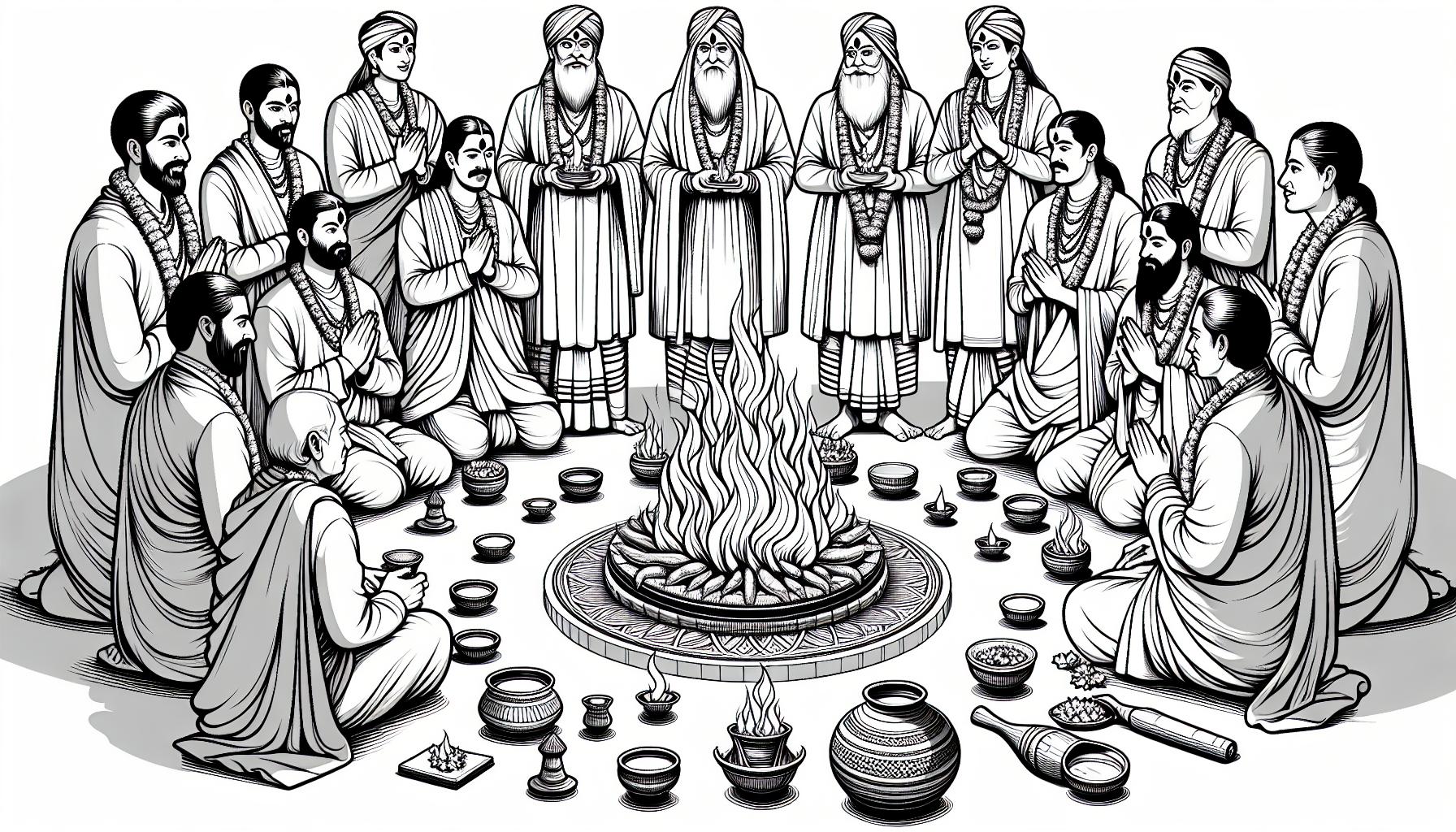
Vedic sacred rituals encompass several types, each with unique purposes and practices. These rituals, grounded in the Vedas, are pivotal in maintaining cosmic balance and societal order.
Yajnas
Yajnas, or sacrifices, are central to Vedic rituals. They involve offerings to deities, usually performed by groups of priests. The primary objective is to ensure the prosperity of the community and the favor of the gods. Examples include the Agnihotra, a daily offering of milk to the fire, and the Soma Yajna, which involves the offering of the Soma plant’s juice.
Homas
Homas, or fire rituals, focus on invoking and worshipping the deities through fire. These are often private ceremonies conducted at home. The fire acts as a medium, carrying offerings to the gods. Examples of Homas include the Ganesha Homa, performed to remove obstacles, and the Navagraha Homa, conducted to appease the nine planetary deities.
Key Components and Symbols
Key components and symbols define Vedic sacred rituals, ensuring their proper conduct and spiritual efficacy.
Vedic Mantras
Vedic mantras play a crucial role in Vedic rituals, functioning as sacred chants that focus the mind and aid in meditation. Composed of words, phrases, or sounds, these mantras help practitioners connect with the underlying rhythms of Brahman – The Supreme Truth. Recited aloud or internally, they form an integral part of many rituals, binding the physical and spiritual realms.
Offerings and Altar
Vedic sacrifices often involve offerings to various gods, made more acceptable through songs of praise and invocations of divine power. The altar, known as vedi, is typically a quadrangle defined by hollowing or slightly raising the ground. The preliminary ritual, agnyadheya (installation of the fire), precedes all major public rituals and is preceded by the patron’s fast. These offerings, coupled with the meticulously constructed altar, ensure the gods’ favor and the ritual’s success.
Soma Sacrifice
The soma sacrifice holds immense significance, believed to guarantee prosperity and well-being for both humans and gods. This ritual involves the preparation and offering of soma, a sacred plant, to the gods. Enriched by accompanying chants and invocations, the soma sacrifice forms a profound connection between the mortal area and the divine, fostering cosmic harmony.
Significance in Modern Times
In today’s world, Vedic sacred rituals still hold immense value. These rituals, evolving through centuries, continue to provide cultural and spiritual benefits.
Cultural Importance
Vedic rituals preserve historical traditions that bind communities. In modern times, families perform rituals like Satyanarayan Puja during celebrations, maintaining a connection to their heritage. Larger community events like Soma Yajnas foster unity and a collective sense of identity. Such rituals also help pass down ethical values and traditional beliefs to younger generations, ensuring cultural continuity.
Spiritual Relevance
The spiritual significance of Vedic rituals persists in contemporary life. These practices help meditation, enhance mental peace, and create a deeper bond with the divine. Yajnas, for example, purify the environment by offering ghee and herbs in the fire, believed to balance natural elements. Personal rituals like Sandhyavandanam aid in maintaining daily spiritual discipline, fostering overall well-being. Followers cite Vedic mantras for their potential in enhancing mindfulness and spiritual growth.
Conclusion
Vedic sacred rituals are more than just ancient ceremonies; they’re a living tradition that continues to enrich lives today. They offer a profound way to connect with the divine foster community bonds and maintain cultural heritage. By engaging in these rituals we not only honor our ancestors but also cultivate a deeper sense of spiritual awareness and inner peace. Whether it’s through grand Yajnas or daily practices like Sandhyavandanam these rituals remain a vital part of our spiritual journey and cultural identity. Embracing these timeless practices can lead to a more harmonious and fulfilling life.
Sources & further reading
These themes are explored in greater depth across the following authoritative resources:
- Internet Sacred Text Archive, Rig Veda (Griffith translation)
- Internet Sacred Text Archive, Upanishads
- Britannica, Veda
- Britannica, Upanishad
- Patrick Olivelle, The Early Upanishads (Oxford University Press, 1998)
External resources for further reading. Apam Napat is not affiliated with these publishers; citation does not imply endorsement.
Based on the classical texts of Hindu mythology, see our sources.