Exploring these symbols feels like embarking on a journey through time, connecting with the wisdom of the Vedic sages. They offer insights into the universe’s fundamental nature and our place within it. Whether you’re a spiritual seeker or simply curious about ancient traditions, understanding Vedic sacred symbols can enrich your perspective and deepen your appreciation for this timeless wisdom.
Overview Of Vedic Sacred Symbols
Vedic sacred symbols represent profound spiritual truths and cosmic principles. These symbols have guided millions over millennia, embedding layers of meaning within their forms. Some well-known Vedic symbols include Om, the swastika, and the lotus, among others.
Common Vedic Sacred Symbols
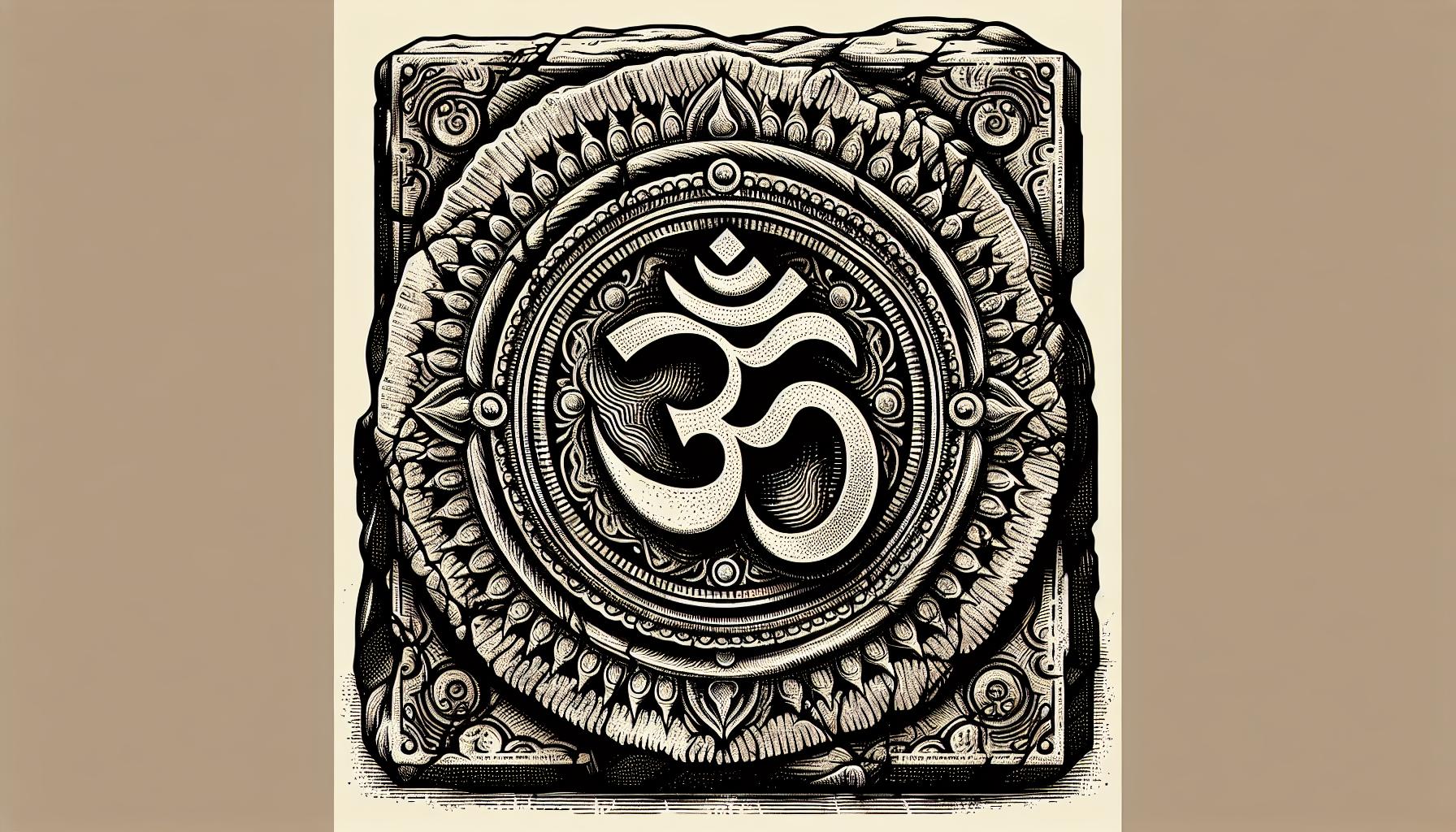
- Om: The Om symbol stands as one of the most recognized Vedic symbols. It represents the ultimate reality and consciousness. In texts like the Mandukya Upanishad, Om symbolizes the entire universe, including the past, present, and future.
- Swastika: Another significant symbol is the swastika. Contrary to its modern misappropriation, in Vedic culture, the swastika signifies auspiciousness, prosperity, and good fortune. Found in various ancient temples and scriptures, it serves as a reminder of the eternal nature of the cosmos.
- Lotus: The lotus symbolizes purity, spiritual enlightenment, and rebirth. In numerous Vedic texts, the lotus is described as growing in muddy waters yet remaining unstained, representing the journey of the soul towards purity and enlightenment.
Lesser-Known Vedic Symbols
- Trishula: The trishula, or trident, associated with deities like Shiva – The Destroyer, signifies the three fundamental aspects of existence: creation, preservation, and destruction. It’s seen in many rituals and iconography.
- Chakra: Representing the wheel of dharma, the chakra is depicted in Vedic scriptures and temple carvings. This symbol encapsulates the cyclical nature of life and the universe, often associated with divine law and cosmic order.
Importance Of Vedic Sacred Symbols
Vedic symbols are not just artistic depictions but carry deep spiritual and philosophical messages. Devotees and seekers use these symbols in meditative practices, rituals, and daily life to connect with higher spiritual truths. They act as focal points for contemplation, helping individuals transcend the mundane and reach higher states of consciousness.
Role In Modern Context
While rooted in ancient traditions, Vedic symbols continue to hold relevance today. Many people incorporate these symbols into their spiritual practices, yoga sessions, and even personal spaces to foster an environment of peace and spiritual growth.
Understanding these symbols provides a vital link to the rich heritage of Vedic wisdom. Exploring them can deepen one’s appreciation for the timeless knowledge embedded within these sacred designs.
Historical Significance
Vedic sacred symbols hold immense historical significance, deeply intertwined with ancient culture and spiritual practices. They reflect the evolving human connection to the divine throughout history.
Ancient Origins
Vedic symbols originate from the Vedas, the oldest sacred texts of Hinduism, dated around 1500–500 BCE. These symbols, like the Om and swastika, symbolize sacred sounds and cosmic principles. The Om, one of the most revered symbols, represents the primordial sound of the universe and is often used in meditation chants. The swastika, a symbol of auspiciousness and well-being, exemplifies the principles of good fortune and protection.
Evolution Over Time
Over centuries, Vedic symbols have adapted and evolved, reflecting changes in spiritual practices and cultural contexts. While retaining their core meanings, their representations and interpretations have expanded. For instance, the lotus, symbolizing purity and enlightenment, has seen varied artistic depictions across different periods. The trishula, initially symbolizing Shiva’s trident, has become a broader symbol of power and protection. Similarly, the chakra, representative of the cyclic nature of existence, now often symbolizes spiritual progression and balance in various modern contexts.
These enduring symbols provide continuity, linking ancient spiritual practices with contemporary applications.
Common Vedic Symbols
Vedic symbols carry powerful spiritual and philosophical meanings. They reflect profound wisdom and connect individuals to the divine.
Om
Om represents the universal sound and the essence of the ultimate reality. Chanting Om promotes relaxation and spiritual growth. It often starts and ends Vedic prayers and rituals, anchoring individuals in a deep meditative state. This syllable’s profound significance aligns human consciousness with the cosmos.
Swastika
The Swastika symbolizes auspiciousness and well-being. Even though its misuse in modern history, it holds a positive and pure meaning in Vedic traditions. Often seen in temples and homes, this symbol invites prosperity and protection. The four arms of the Swastika represent stability, providing balance through cycles of life and nature.
Sri Yantra
Sri Yantra embodies the concept of the universe’s creation and the divine feminine energy. It consists of nine interlocking triangles, forming a powerful geometric pattern. Meditating on the Sri Yantra enhances focus and spiritual enlightenment. In Vedic rituals, it’s used to invoke the goddess energy, harmonizing the practitioner’s internal and external worlds.
Symbolism And Meaning
Symbols in Vedic tradition carry deep spiritual and cultural significance. They offer insights into the universe’s fundamental nature.
Spiritual Significance
Many Vedic symbols, like Om and the swastika, embody spiritual truths. Om represents the primordial sound fostering a sense of unity with the cosmos. The swastika, with its four arms, symbolizes auspiciousness and well-being.
The lotus signifies purity and spiritual awakening. Its growth from mud to bloom shows the soul’s journey towards enlightenment. The trishula, with three prongs, represents power and protection, symbolizing the destruction of ego and ignorance.
The chakra, often seen in various forms, denotes spiritual progression. Each spoke in the chakra wheel represents different life aspects intertwined with spiritual growth. The Sri Yantra, with its geometric complexity, symbolizes the universe’s creation and the divine feminine energy, guiding meditation and internal focus.
Cultural Representation
Vedic symbols hold cultural importance in rituals and art. Om is chanted during prayers and meditation, reinforcing its connection to spiritual practices. The swastika appears in Hindu festivals and temple art, symbolizing fortune and protection.
The lotus decorates temples and icons of deities, signifying sanctity and divine beauty. The trishula is often found in statues of Lord Shiva, representing his control over creation and destruction. The chakra is a prominent feature in India’s national flag, reflecting the continuous cycle of time and cosmic order.
The Sri Yantra adorns altars and is used in meditation, emphasizing the interconnectedness of the cosmos. These symbols are woven into the fabric of daily life, enriching cultural identity and spiritual practices.
Usage In Modern Times
Vedic sacred symbols have transcended ancient rituals to integrate into modern daily life. Their significance continues to evolve, shaping religious, artistic, and cultural landscapes.
Religious Practices
These sacred symbols retain their place in contemporary religious practices. Temples often feature the Om symbol at entrances to signify divine presence. During daily prayers, individuals chant Om to connect spiritually. The swastika adorns homes and businesses during festivals for prosperity. The lotus motif is commonly found in altars and meditation spaces, symbolizing spiritual purity. By incorporating these symbols, practitioners maintain a deep-rooted connection to their spiritual heritage.
Influence On Contemporary Art
Artists and designers draw inspiration from Vedic symbols, reflected in various art forms. The Sri Yantra appears in modern geometric art and fashion, highlighting its spiritual significance. Trishula motifs emerge in jewelry designs to symbolize power and protection. Chakra symbols, representing energy centers, are prevalent in wellness and meditation spaces. These symbols enrich contemporary art, blending ancient spirituality with modern aesthetics. By using these elements, artists convey deeper meanings and connect audiences with timeless wisdom.
Conclusion
Exploring Vedic sacred symbols has deepened my appreciation for their timeless wisdom and spiritual significance. These symbols aren’t just relics of the past; they’re living, breathing elements of our cultural and spiritual fabric. They continue to inspire, guide, and connect us to something greater than ourselves.
Incorporating these symbols into our daily lives and artistic expressions allows us to tap into their profound meanings. Whether it’s through rituals, art, or simple daily reminders, these symbols enrich our lives and offer a connection to ancient wisdom.
Understanding and embracing these sacred symbols can lead to a more fulfilled and spiritually enriched life. They serve as powerful tools for personal growth, cultural identity, and spiritual practice.
Sources & further reading
These themes are explored in greater depth across the following authoritative resources:
- Internet Sacred Text Archive, Rig Veda (Griffith translation)
- Internet Sacred Text Archive, Upanishads
- Britannica, Veda
- Britannica, Upanishad
- Patrick Olivelle, The Early Upanishads (Oxford University Press, 1998)
External resources for further reading. Apam Napat is not affiliated with these publishers; citation does not imply endorsement.
Based on the classical texts of Hindu mythology, see our sources.