
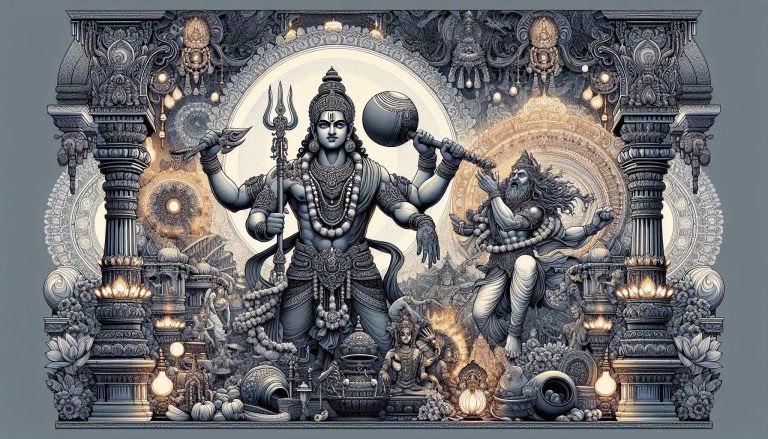
Exploring these myths is like peeling back the layers of human history and spirituality. From the mighty gods of Greek mythology to the intricate pantheon of Hindu deities, every culture has its own rich world of divine figures. These stories not only offer insights into the values and beliefs of ancient civilizations but also continue to influence modern life in subtle yet profound ways. Let’s jump into the enchanting world of temple deities and uncover the timeless tales that have shaped our understanding of the divine.
Origins Of Temple Deities
Temple deities trace their origins to ancient myths and stories embedded in various cultures. These narratives often serve as the foundation for the worship and significance of deities in temples.
Ancient Myths and Stories
Ancient myths and stories often shape the origins of temple deities. For instance, in Hindu mythology, deities like Vishnu – The Protector and Shiva – The Destroyer emerge from cosmic tales that describe creation, preservation, and destruction. Greek mythology presents gods like Zeus and Athena born from powerful myths involving titans and epic battles. Egyptian mythology introduces gods like Ra and Anubis through stories of the universe’s birth and the afterlife.
Cultural Significance
Cultural significance plays a crucial role in the origins of temple deities. These deities often embody values, protection, and guidance for their respective cultures. In Japanese Shinto, deities like Amaterasu symbolize the sun and royal ancestry, deeply intertwined with the nation’s identity. In Norse mythology, gods like Odin and Thor reflect bravery, warfare, and wisdom, ingraining these traits into Scandinavian culture. Hindu deities like Lakshmi and Saraswati – The Goddess of Learning and Wisdom represent wealth and knowledge, essential aspects of Indian life.
Origin myths and their cultural contexts reveal the deep-seated connection between deities and the communities that venerate them.
Deities In Hindu Temples
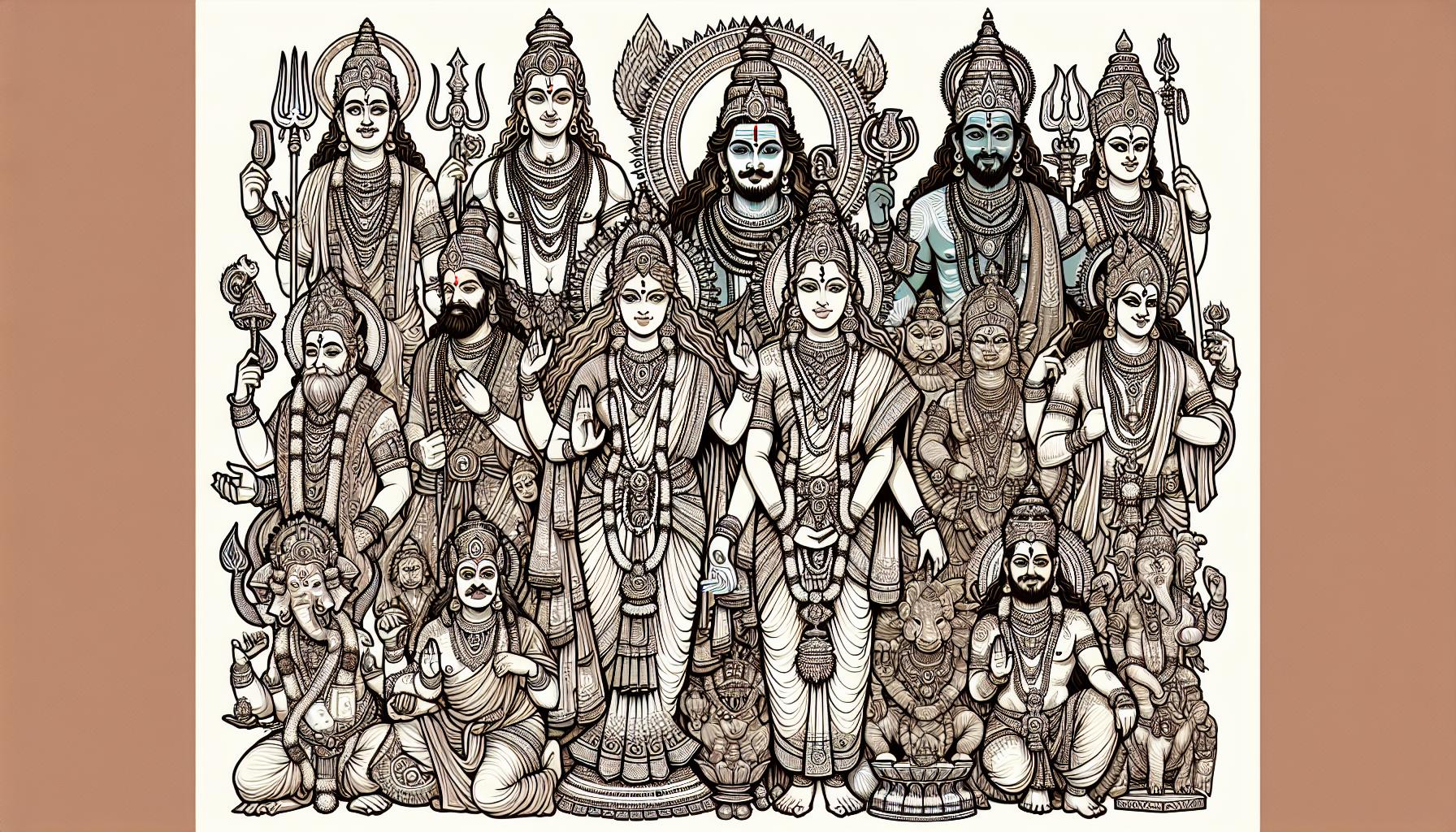
Hindu temples house a pantheon of deities, each with unique attributes and stories. These deities exemplify profound beliefs and cultural values.
Major Gods And Goddesses
Hindu temples frequently feature principal gods and goddesses as their primary deities. These deities include:
- Brahma – The Creator: Representing creation, Brahma forms part of the Trimurti along with Vishnu and Shiva.
- Vishnu: Known as the preserver, Vishnu’s temples often depict his avatars, Krishna – An Incarnation of Vishnu and Rama.
- Shiva: As the destroyer, Shiva is worshipped in various forms like Nataraja and Lingam.
- Lakshmi: Goddess of wealth and prosperity, Lakshmi is prominently featured in Vishnu temples.
- Saraswati: Goddess of knowledge and arts, often associated with education and music.
- Durga: Warrior goddess representing strength and protection, revered in many forms, including Kali.
These deities serve as central figures in Hinduism, embodying complex philosophical and spiritual concepts.
Regional Deities
Regional deities play a significant role in reflecting local traditions and beliefs. They include:
- Vithoba: Worshipped primarily in Maharashtra, representing a form of Vishnu.
- Ayyappa: Popular in Kerala, seen as the son of Shiva and Mohini.
- Murugan: Revered in Tamil Nadu, associated with youth and valor.
- Jagannath: Central deity in Odisha, associated with the annual Rath Yatra.
- Mariamman: Worshipped in southern India, linked with rain and fertility.
These regional deities highlight the diversity within Hindu practice, anchoring their significance in local cultures and communities. The interconnectedness of these deities with their regions underscores the broader cultural and spiritual mosaic of Hinduism.
Deities In Greek Temples

Greek temples housed a variety of deities, each embodying different aspects of life and human experience. These temples were central to the spiritual and cultural life in ancient Greece.
Olympian Gods
The Olympian gods held the highest position in Greek mythology’s pantheon. Temples dedicated to these gods spanned the Greek world, each site serving as a center for worship and community gatherings.
- Zeus: Representing supreme authority and justice. The Temple of Zeus in Olympia was one of the Seven Wonders of the Ancient World.
- Hera: Associated with marriage and family. Hera’s sanctuary in Argos was one of the oldest and most significant.
- Athena: Symbolizing wisdom and warfare. The Parthenon in Athens remains an enduring testament to her significance.
- Apollo: Governed music, prophecy, and healing. His temple at Delphi, home to the Oracle, attracted pilgrims seeking divine guidance.
- Poseidon: Ruled the seas and waterways. The temple at Sounion overlooking the Aegean Sea was dedicated to his worship.
- Aphrodite: Embodied love and beauty. The sanctuary at Paphos in Cyprus was a major center for her cult.
Local Deities And Heroes
Apart from the Olympian gods, local deities and heroes played critical roles in specific regions. Each city-state had its unique divine patrons and legendary figures.
- Asclepius: Worshipped for health and medicine, with temples such as the one at Epidaurus known for healing rituals.
- Demeter and Persephone: Central to the Eleusinian Mysteries, their worship focused on agriculture and the cycles of life and death.
- Heracles: Celebrated for strength and courage, with numerous shrines dedicated to his heroism.
- Theseus: Revered in Athens, symbolizing the city’s unification and prosperity.
- Pan: The god of the wild, his cult thrived in rural areas, especially Arcadia, symbolizing nature and rustic life.
These deities and heroes underscore the rich spiritual world of ancient Greek religion, deeply intertwined with regional identities and local traditions.
Symbolism And Iconography
Temple deities often embody profound meanings through their symbolism and iconography. These symbols and artistic representations convey the core attributes, values, and narratives of the deities.
Common Symbols
Deities in both Hindu and Greek temples possess unique symbols. For instance, Hindu deities like Vishnu carry a discus (chakra), representing the mind, and a conch shell (shankha), symbolizing eternal existence. Similarly, Zeus in Greek mythology holds a thunderbolt, reflecting his control over the sky and natural forces. Integral symbols represent deeper concepts and serve as tools for devotees’ meditation and understanding.
Artistic Representations
The artistic depictions of temple deities are carefully constructed to reflect their divine attributes. In Hinduism, deities like Shiva are often shown with multiple arms, each hand holding different objects symbolizing their power and functions. For instance, Shiva’s trident (trishula) symbolizes creation, protection, and destruction. Artistic representations of Greek deities also showcase intricate details; for example, Athena often appears with an owl, denoting wisdom, and a shield, representing warfare and strategy. Such portrayals help worshippers visually connect with the deities’ essences and narratives.
Rituals And Worship Practices
Rituals and worship practices form the heart of temple activities, integrating spiritual and cultural dimensions. They reflect ancient traditions passed down through generations, highlighting the significance of temple deities in daily life and festivals.
Daily Rituals
Daily rituals maintain a connection with temple deities. They typically include the following:
- Morning Ablutions: Priests bathe the deities, symbolizing purification.
- Offerings (Naivedyam): Devotees present fruits, flowers, and food, signifying devotion and gratitude.
- Aarti: Priests perform this fire ritual, moving a small lamp clockwise in front of the deity, symbolizing light dispelling darkness.
- Chanting Hymns and Mantras: Devotees and priests recite sacred texts to invoke blessings from the deities.
Each ritual element serves to honor and engage with the divine presence within the temple, enriching the devotees’ spiritual experience.
Festival Celebrations
Festivals bring vibrant, large-scale worship practices into focus, often including:
- Processions: Deities are paraded around the temple or town, allowing devotees to engage directly with the divine.
- Special Offerings: Unique food items, elaborate decorations, and additional prayers mark these events, reflecting heightened devotion.
- Dance and Music: Traditional performances take place in honor of the deities, connecting cultural art forms with religious worship.
- Community Feasts: These shared meals foster community bonding and collective reverence.
Festival celebrations encapsulate the grandeur and communal aspects of worship, illustrating the harmonious blend of devotion, culture, and celebration.
Impact On Modern Culture
The mythology of temple deities continues to shape contemporary culture in various ways, influencing spheres such as literature, media, art, and architecture.
Literature And Media
Temple deities in mythology appear frequently in modern literature and media. Authors weave these ancient tales into contemporary narratives, creating rich, immersive worlds. Movies and TV shows like “Hercules” and “Mahabharata – The Great Epic” bring these stories to life, reaching diverse audiences. Graphic novels and comic books, such as Neil Gaiman’s “The Sandman” series, also draw inspiration from these myths, blending old with new in innovative ways. This continual reinvention ensures that the mythology remains relevant and engaging.
Influence On Art And Architecture
Artists and architects find endless inspiration in the mythology of temple deities. Modern sculptures and paintings often depict these divine figures, merging traditional styles with contemporary techniques. Temples and buildings, even today, incorporate mythologically inspired designs and motifs. For instance, the Lotus Temple in New Delhi reflects Hindu and Buddhist ideals. Public spaces and structures worldwide feature symbols like Zeus’s thunderbolt, showing the enduring impact of these ancient stories on modern aesthetics.
Conclusion
Exploring the mythology of temple deities reveals a rich world of symbolism, rituals, and cultural impact. These deities, through their stories and representations, offer profound insights into the values and beliefs of ancient civilizations. The rituals and festivals not only honor the divine but also foster community and cultural continuity.
Also, the enduring influence of temple deities on modern art and architecture underscores their timeless relevance. As we continue to draw inspiration from these myths, we ensure that the wisdom and beauty embedded in these ancient traditions remain vibrant and meaningful in our contemporary world.
Sources & further reading
These themes are explored in greater depth across the following authoritative resources:
- Britannica, Hindu Temple Architecture
- Met Museum, Hinduism in the Arts
- Britannica, Iconography
- Stella Kramrisch, The Hindu Temple (Motilal Banarsidass, 1946)
- Heinrich Zimmer, Myths and Symbols in Indian Art and Civilization (Princeton University Press, 1946)
External resources for further reading. Apam Napat is not affiliated with these publishers; citation does not imply endorsement.
Frequently asked questions
How did temple deities originate in mythology?
Which Hindu deities emerged from cosmic tales?
Who is Amaterasu in Japanese Shinto?
What do Norse gods like Odin and Thor represent?
What do Hindu goddesses Lakshmi and Saraswati represent?
Based on the classical texts of Hindu mythology, see our sources.