

I’ve found that integrating ahimsa and mindfulness into my daily routine has transformed not just how I interact with others, but how I treat myself. By consciously choosing non-violence in thought, word, and action, and by staying fully present, we can cultivate a life filled with compassion and clarity. Let’s explore how these timeless practices can help us navigate the complexities of modern living with grace and intention.
Understanding Ahimsa
Ahimsa, a Sanskrit term meaning “not to cause pain or violence,” originates from ancient texts central to Hinduism, Buddhism, Jainism, and Sikhism. Embedded in these traditions, it’s not just about refraining from physical harm but also includes mental and verbal non-violence. Ahimsa guides us towards a life of compassion, extending kindness to all living beings.
In Patanjali’s Yoga Sutras, ahimsa is listed as one of the five yamas, the ethical guidelines that form the foundation of yogic philosophy. The principle aligns with the Golden Rule: “Do unto others as you would have them do unto you.” It emphasizes the interconnectedness of all life forms, urging us to respect and value every creature.
Key to ahimsa is its application in mind. This means avoiding negative thoughts like resentment, jealousy, or anger towards oneself and others. By doing so, we cultivate self-love and self-acceptance. Practicing ahimsa in thought can create a more peaceful internal state, which then influences our actions and interactions with others.
For example, if I find myself in a situation where someone has wronged me, choosing a non-violent response means I avoid harboring ill will or plotting retaliation. Instead, I focus on understanding and forgiving, which promotes mental peace and emotional stability. By adopting ahimsa, I can create a positive ripple effect in my interactions, contributing to a more harmonious environment.
The Principles of Ahimsa

Ahimsa, or non-violence, embodies the practice of avoiding harm in one’s actions, thoughts, and words. Rooted deeply in ancient Indian religions, this principle guides ethical behavior and mindfulness in daily life.
Historical Background
Ahimsa traces its origins to ancient Indian texts like the Vedas, dating back roughly 4,000 years. These sacred texts underscore compassion and non-violence towards all living beings. Over time, Jainism, Hinduism, and Buddhism adopted and refined this concept. Jainism particularly emphasizes strict adherence, while Hinduism and Buddhism incorporate it into broader ethical practices.
- Yoga and Mindfulness: Ahimsa features prominently as one of the five yamas, or ethical guidelines, in yoga philosophy. Practitioners aspire to harm no one, maintaining kindness in thoughts and actions during their practice.
The Essence of Mindfulness
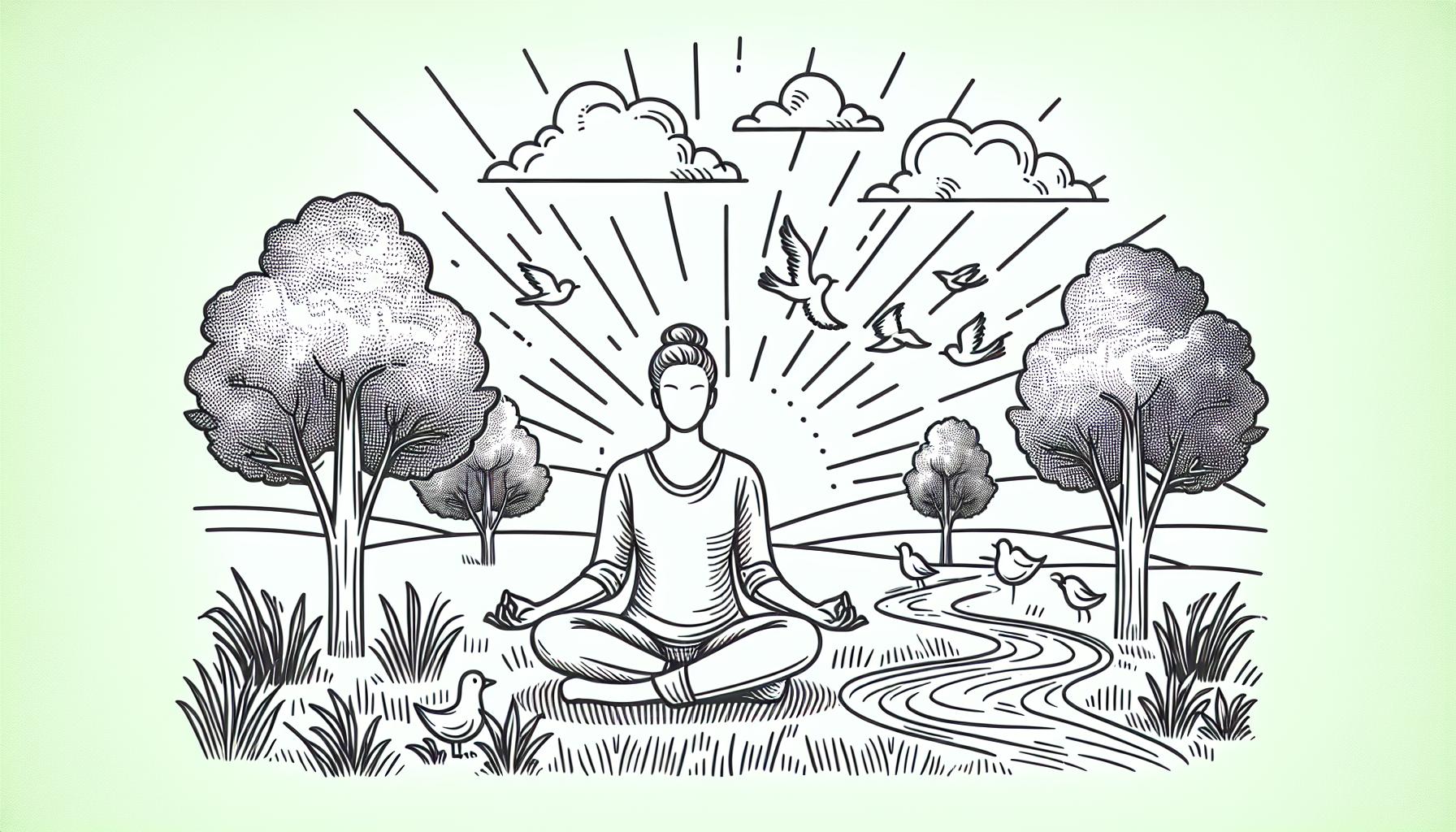
Mindfulness is the intentional practice of experiencing the present moment with a non-judgmental attitude. It’s rooted in ancient wisdom traditions and adapted in Western cultures as a therapy for mental health.
Key Components
The three key components of mindfulness are:
- Intention: I intentionally choose to cultivate awareness and be present in the moment.
- Attention: I focus on the present moment, paying attention to sensations and thoughts without distraction.
- Attitude: I approach my experiences with kindness, curiosity, and a non-judgmental mindset.
- Stress Reduction: Mindfulness reduces stress and anxiety by promoting metacognitive awareness and decreasing rumination.
- Enhanced Emotional Regulation: By being more aware of my emotional responses, I can manage and improve my emotional health.
- Improved Focus: Regular mindfulness increases my ability to concentrate on tasks.
- Better Relationships: Practicing mindfulness fosters empathy and compassion, improving my relationships with others.
Interconnection of Ahimsa and Mindfulness Practices
Ahimsa, meaning “non-violence,” is integral to many Eastern spiritual traditions. It’s closely related to mindfulness practices that foster compassion, self-awareness, and kindness.
Cultivating Compassion
Ahimsa extends compassion and understanding into thoughts, words, and actions. This involves avoiding physical, mental, and emotional violence and promoting others’ well-being. For instance, someone practicing ahimsa refrains from speaking harshly or holding grudges. Mindfulness practices like meditation and self-reflection support this by developing empathy and kindness towards oneself and others, leading to inner peace and happiness. As individuals become more mindful, they are better equipped to respond with compassion, even in challenging situations.
Enhancing Self-Awareness
Ahimsa and mindfulness both emphasize increased self-awareness. By practicing mindfulness, individuals observe their thoughts and emotions without judgment, leading to greater self-understanding. For example, regular meditation allows me to notice negative thoughts and replace them with positive ones. This heightened self-awareness aligns with ahimsa’s principles, as recognizing and addressing one’s harmful tendencies helps cultivate a non-violent mindset. Self-awareness also facilitates personal growth and emotional healing, which are essential for practicing true non-violence.
Practical Applications
These practical applications of ahimsa and mindfulness practices can be woven into daily routines, offering a path to mental tranquility and emotional well-being.
Mindful Wakeup
Starting the day by setting an intention strengthens the connection between primal motivations and conscious thinking. This mindful wakeup practice aligns lower and higher brain centers, fostering more mindful and compassionate responses throughout the day.
Mindful Pause
Regularly pausing to practice mindfulness helps rewire the brain. By shifting from autopilot to conscious decision-making during a mindful pause, individuals enhance emotional regulation and general well-being.
Guided Imagery
Engaging in guided imagery can relax the body and mind. This practice reduces stress, promoting both mental and physical health. Visualizing peaceful scenes or desired outcomes helps cultivate a serene state of mind.
Daily Routines
Incorporating breathing exercises into daily routines ensures a calm mind and body. Practicing deep breathing techniques reduces stress and improves focus.
Integrating mindfulness meditation into daily life trains attention, achieving a calm state of concentration. This practice cultivates positive emotions and builds mental resilience.
Meditation Techniques
Using mindfulness meditation helps cultivate a deep state of awareness and tranquility. This involves focusing attention on the present moment, observing thoughts and feelings without judgment. Techniques like breath awareness and body scan meditations refine focus and emotional stability.
Challenges and Solutions
Adopting ahimsa and mindfulness practices poses several challenges. But, each challenge has a practical solution that can help maintain a peaceful and mindful life.
Overcoming Obstacles
Restless Mind: I accept and redirect my thoughts whenever my mind feels restless. This practice enables me to remain mindful even amid distractions.
Lack of Time: I’ve found that starting small and integrating mindfulness into daily activities—like mindful eating or mindful walking—helps overcome the time constraint.
Impatience: By embracing patience as part of my mindfulness practice, I accept that progress takes time. Daily reminders help maintain this perspective.
Overthinking: When I catch myself overthinking, I label my thoughts and intentionally release them. This labeling helps me create mental space.
Self-Judgment: I cultivate self-compassion by treating myself with kindness. Positive affirmations reinforce this practice.
Boredom: I explore various mindfulness practices to keep my routine engaging. This variety keeps my interest alive.
External Distractions: Finding a quiet place and using noise-canceling tools helps me adapt to external distractions. Consistent practice enhances my ability to find stillness.
Dealing with Emotions: Allowing my emotions to flow without suppressing them lets me process feelings mindfully. Journaling can support this practice.
Self-Doubt: Seeking guidance from mentors or mindfulness communities provides inspiration. Seeing others’ journeys can be reassuring.
Mindfulness as a Chore: Reconnecting with my initial motivations reminds me why I practice mindfulness. Reflecting on my progress rejuvenates my commitment.
Resistance to Routine: I mindfully embrace change by being open to new mindfulness techniques. This adaptability makes my practice more resilient.
Expecting Perfection: Embracing imperfection as part of my journey reduces stress. I remind myself that mindfulness is about progress, not perfection.
Comparison: Staying focused on my journey shields me from unhealthy comparisons. I celebrate my unique path.
Building Consistency
Establishing consistent mindfulness practices requires dedication. I create routines and use tools like journals or apps to track progress. Accountability from friends or groups keeps me motivated. Setting realistic goals ensures my practice is sustainable, and reflecting on my growth enhances my commitment daily.
Conclusion
Embracing ahimsa and mindfulness can profoundly transform our lives. By fostering compassion and interconnectedness we cultivate inner peace and mental tranquility. These practices empower us to navigate life’s challenges with grace and resilience.
Incorporating mindful routines and addressing obstacles like impatience and self-doubt strengthens our commitment to these practices. Consistency and reflection play crucial roles in maintaining progress and achieving mental well-being.
As we continue on this journey of self-discovery and growth we unlock the potential for a more harmonious and fulfilling life. Let’s embrace ahimsa and mindfulness to create a ripple effect of positivity within ourselves and the world around us.
Sources & further reading
These themes are explored in greater depth across the following authoritative resources:
- Stanford Encyclopedia of Philosophy, Hindu Philosophy
- Britannica, Dharma
- Britannica, Karma
- Internet Sacred Text Archive, Bhagavad Gita
- A. K. Ramanujan, Speaking of Siva (Penguin Classics, 1973)
External resources for further reading. Apam Napat is not affiliated with these publishers; citation does not imply endorsement.
Based on the classical texts of Hindu mythology, see our sources.