

During festivals like Hanuman Jayanti and Diwali, Hanuman’s role becomes even more prominent. These celebrations are not just about rituals; they’re about connecting with the divine and understanding the deeper spiritual messages Hanuman embodies. As we explore his significance in these festivals, we’ll uncover how Hanuman’s timeless wisdom continues to guide and uplift us in our spiritual journeys.
Overview of Hanuman in Hinduism
Hanuman, a key figure in Hinduism, epitomizes devotion, strength, and humility. As a central character in the epic Ramayana – Epic of Hinduism, Hanuman serves Lord Rama with unwavering loyalty, performing heroic feats such as leaping across the ocean to Lanka and burning down the city to rescue Sita. Hanuman’s attributes make him a symbol of selfless service and devotion, earning him a place in various Hindu rituals and celebrations.
Depicted as a vanara (monkey) with immense power, Hanuman is venerated not only for his physical prowess but also for his wisdom and virtue. Hanuman Chalisa, a 40-verse hymn dedicated to him, is recited by devotees seeking protection and blessings. Temples dedicated to Hanuman across India and other countries witness regular worship, especially on Tuesdays and Saturdays, which are considered auspicious for Hanuman devotees.
In many regions, Hanuman’s role extends beyond religious texts into daily life and festivals. Stories of his adventures, such as his birth, childhood exploits, and significant contributions during the battle in Lanka, are recounted during festivals like Hanuman Jayanti. These narratives highlight Hanuman’s purity of heart, strength, and unwavering dedication to righteousness.
Hanuman’s appeal cuts across various demographics, making him relatable to children and adults alike. His imagery often adorns homes, vehicles, and public spaces, signifying protection and strength. Hanuman symbolizes the triumph of good over evil, imparting lessons of unwavering faith and the power of devotion.
Hanuman’s presence in Hinduism underscores his enduring influence and the values he embodies. His role is a reminder of the virtues necessary for a righteous life, making him a pivotal figure in the spiritual lives of many.
Major Hindu Festivals Featuring Hanuman
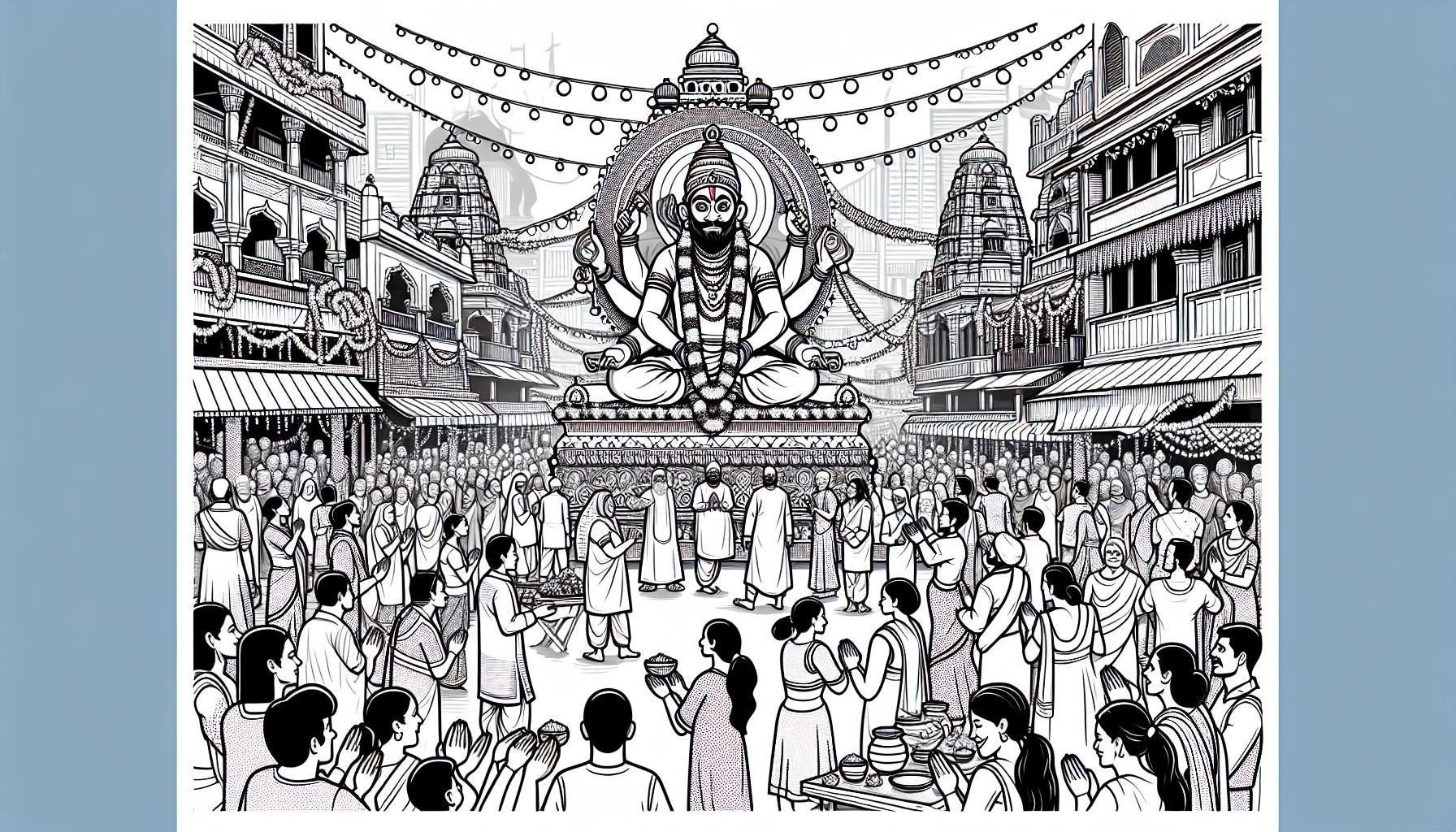
Hanuman’s influence extends significantly throughout Hindu festivals. Key celebrations highlight his virtues and contributions.
Hanuman Jayanti
Hanuman Jayanti celebrates Hanuman’s birth. Devotees observe this day with fervent rituals, including the recitation of Hanuman Chalisa and other prayers. Many people visit Hanuman temples, which host special ceremonies. Hanuman’s attributes of strength, courage, and devotion are emphasized, inspiring worshippers to embody these qualities. Acts of charity and community service are common as a way to honor Hanuman’s selfless spirit.
Diwali
Diwali, the festival of lights, also commemorates Hanuman’s role in the Ramayana. Hanuman’s pivotal part in aiding Lord Rama’s victory over Ravana – The Demon King is celebrated. Temples often feature reenactments of his heroic deeds. Many households include Hanuman’s effigies and images in their decorations, recognizing his contributions. Prayers during Diwali seek Hanuman’s blessings for protection and prosperity.
Rama Navami
Rama Navami honors Lord Rama’s birth, with Hanuman playing a crucial supporting role. Devotees remember Hanuman’s devotion and his significant assistance in Rama’s life. Temples perform special pujas and recite stories of Hanuman’s loyalty. The celebration highlights the inseparability of Rama and Hanuman, underscoring themes of dedication and service. Devotees often engage in community gatherings to share these stories.
Hanuman’s Symbolic Role in Festivals
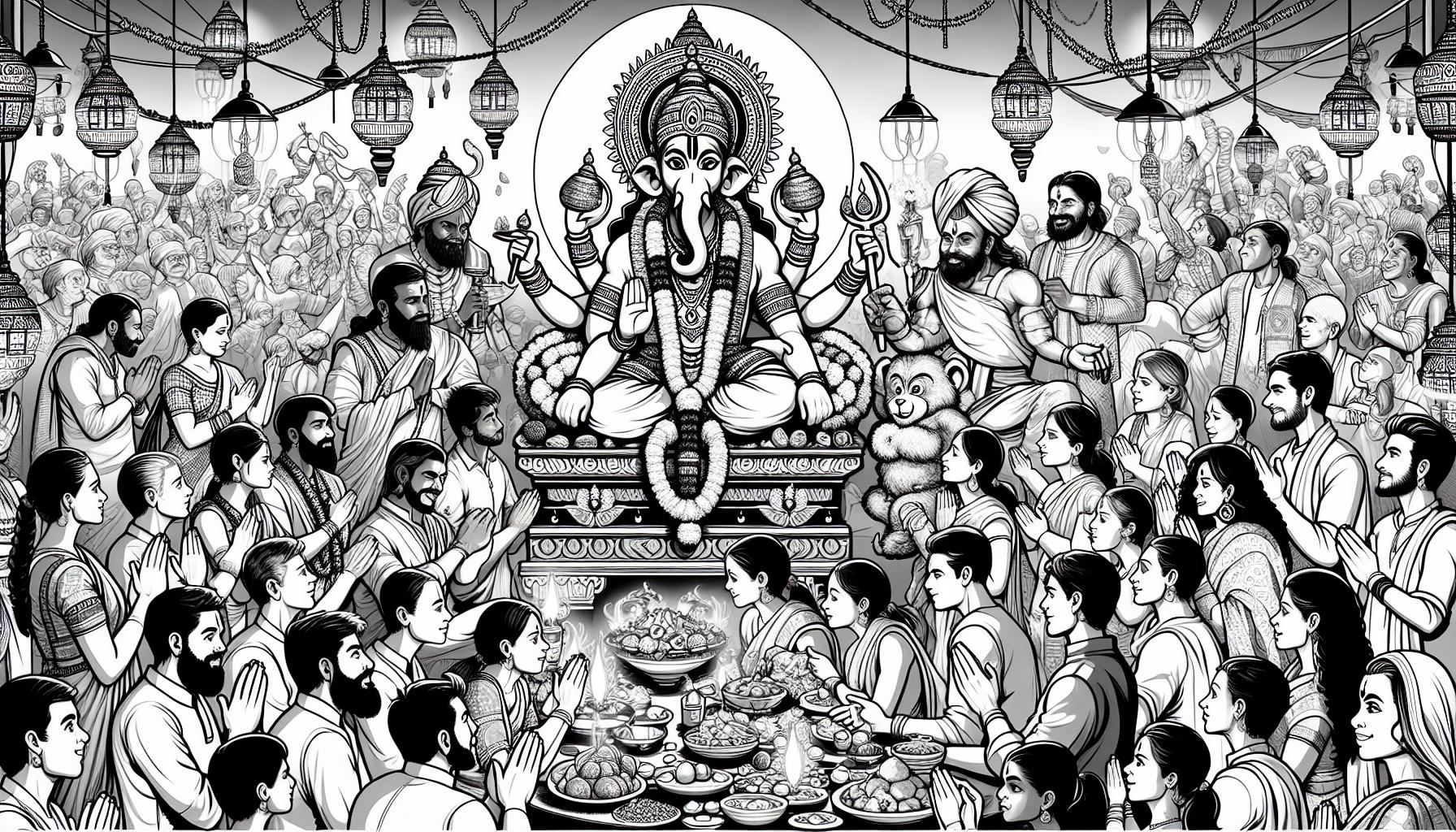
Hanuman’s symbolic role in festivals embodies devotion, strength, and protection. Festivities celebrate his virtues through rituals and prayers, showing his influence in Hindu tradition.
Devotion and Strength
Hanuman represents unwavering devotion to Lord Rama and immense physical strength. During Hanuman Jayanti, devotees recite the Hanuman Chalisa, an ode that highlights Hanuman’s loyalty and power. Temples adorn his idols with garlands, fruits, and sweets. Festivities include reenactments of Hanuman’s feats from the Ramayana, reminding worshippers of his heroic acts like bringing the Sanjeevani herb to save Lakshmana. These celebrations affirm his role as a paragon of devotion and might.
Protector and Guide
Hanuman’s role as a protector and guide is evident in rituals during festivals like Diwali and Rama Navami. Devotees light lamps and offer prayers, seeking his blessings for safety and guidance. They believe Hanuman wards off evil and leads them to righteousness. During these festivals, people perform acts of charity in his name, reflecting Hanuman’s compassionate nature. His symbolic presence assures devotees of divine protection and moral direction.
Rituals and Traditions
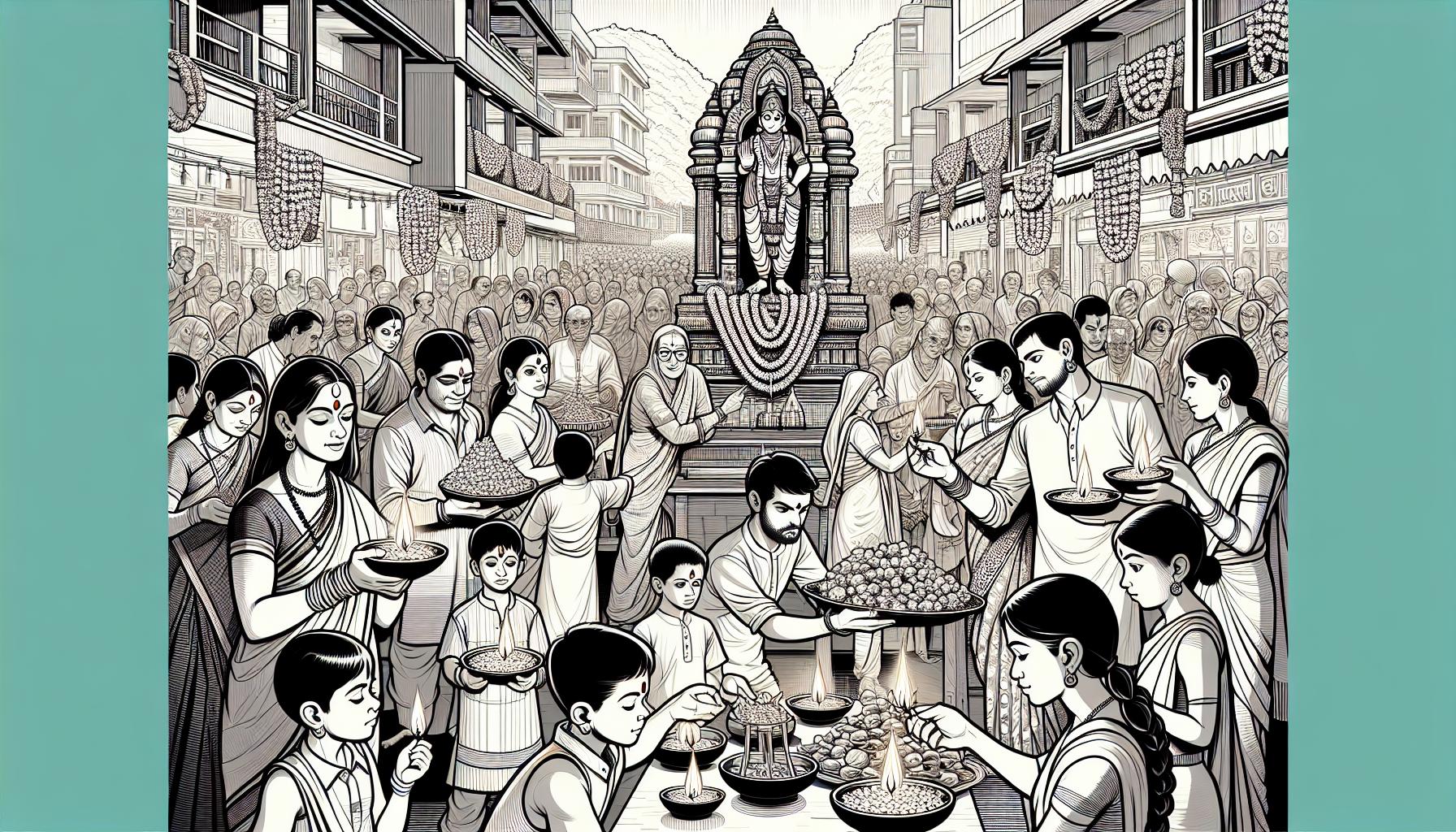
Hanuman’s role in Hindu festivals is deeply ingrained in various rituals and traditions. These practices symbolize his virtues of strength, devotion, and protection.
Hanuman Jayanti
Hanuman Jayanti celebrates Hanuman’s birth on the full moon day in the month of Chaitra. Devotees fast, visit temples, and offer prayers to honor him. They recite the Hanuman Chalisa and Ramayana, seeking his blessings. Many also distribute food and donate to the needy, reflecting Hanuman’s compassionate nature.
Bada Mangal
Bada Mangal, observed on Tuesdays in the month of Jyestha, is dedicated to Hanuman. Devotees worship him and perform rituals like lighting diyas and offering jasmine oil, Sindoor, and Chola. Temples see increased footfall as people seek Hanuman’s protection and strength.
Prayers and Chants
Reciting the Hanuman Chalisa forms a core part of these festivals. This prayer highlights Hanuman’s strength, wisdom, and devotion to Lord Rama. The Ramayana recitations during Hanuman Jayanti further emphasize his heroic deeds and loyalty. These chants bring a sense of spiritual connection and blessings among devotees.
Offerings and Feasts
During these festivals, devotees offer a variety of items to Hanuman. Fruits, sweets, and special dishes like Boondi and Chola are common offerings. Prasadam, food blessed by the deity, is distributed among devotees. Community feasts, especially during Hanuman Jayanti, foster a sense of togetherness and devotion.
Regional Variations
Hanuman’s role in Hindu festivals varies significantly across different regions in India. Each region has unique traditions and customs that highlight his significance in diverse ways.
North India
In North India, Hanuman Jayanti, celebrated on the full moon day of the Hindu lunar month of Chaitra, marks the birth of Hanuman. Devotees worship him and seek his protection and blessings. People visit temples and apply vermillion to their foreheads from Hanuman’s murti. They also read from Hindu texts like the Hanuman Chalisa and Ramayana. This region-wide celebration emphasizes Hanuman’s role in offering strength and protection.
South India
In contrast, South India has distinctive practices for Hanuman Jayanti, primarily in Tamil Nadu and Kerala, where the festival is celebrated on the new moon day in the Margali (Dhanu) month. Famous Hanuman temples such as Nanganallur, Namakkal, Suchindram, Thrikkaviyoor, and Alathiyoor host grand celebrations. These festivities include special rituals and readings from sacred texts. An interesting aspect in Telugu-speaking regions is the origin story of Hanuman’s birth, narrated in the Venkatachala Mahatyam and Skanda – Commander of the Army of Devas Puranam, where Anjana Devi, Hanuman’s mother, seeks sage Matanga’s blessings for a son. These regional variations emphasize the cultural richness and diversity in how Hanuman’s significance is celebrated across India.
Conclusion
Hanuman’s role in Hindu festivals is a testament to his enduring legacy and spiritual significance. His virtues of strength, courage, and unwavering devotion to Lord Rama inspire millions. Celebrations across India, whether in the North or South, reflect the rich cultural tapestry and regional diversity. Hanuman’s presence in these festivals not only honors his heroic deeds but also reinforces the values of righteousness and humility. As devotees gather to celebrate, the spirit of Hanuman continues to unite and uplift, reminding us of the timeless lessons embedded in his stories.
Sources & further reading
These themes are explored in greater depth across the following authoritative resources:
- Encyclopaedia Britannica, Hindu Mythology
- Internet Sacred Text Archive, Hinduism
- Mythopedia, Hindu Mythology
- Harvard Pluralism Project, Hindu Tradition
- Wendy Doniger, The Hindus: An Alternative History (Penguin, 2009), ISBN 978-0143116691
External resources for further reading. Apam Napat is not affiliated with these publishers; citation does not imply endorsement.
Based on the classical texts of Hindu mythology, see our sources.