
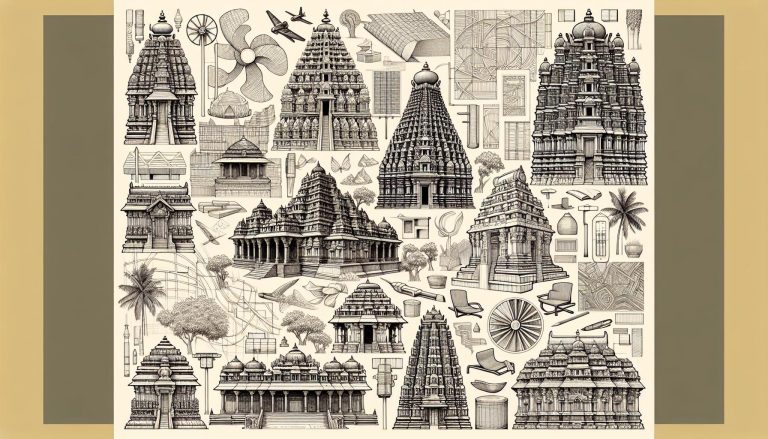
As I explored various temple styles, I discovered how these sacred structures serve more than just religious purposes. They’re masterpieces of art and engineering, showcasing the evolution of architectural techniques over centuries. Join me as we delve into the captivating world of temple architecture and uncover the secrets behind these timeless monuments.
Ancient Temple Architecture
Ancient temples reveal the sophisticated architectural styles that have spanned millennia. Examining different regional styles can uncover fascinating details.
Egyptian Temples
Egyptian temples exhibit grand monumental design. Often constructed with massive stone blocks, these structures exemplify precision engineering and craftsmanship. Notable examples include the Karnak Temple Complex and the Temple of Horus at Edfu. Egyptian temples generally feature large pylons, hypostyle halls with towering columns, and sanctuaries.
Mesopotamian Temples
Mesopotamian temples, also known as ziggurats, serve as iconic religious structures. These tiered, pyramid-like designs consist of stacked rectangular platforms. Constructed with sun-baked bricks, ziggurats like the Great Ziggurat of Ur stand as testaments to the advanced architectural knowledge of the Sumerians and Babylonians. Often dedicated to patron gods or goddesses, these temples acted as centers of worship and communal gatherings.
Greek Temples
Greek temples are renowned for their classical architectural principles. Utilizing marble and limestone, these structures emphasize proportion, symmetry, and harmony. Exemplifying this, the Parthenon in Athens and the Temple of Zeus at Olympia showcase the Doric, Ionic, and Corinthian orders of columns. Greek temples often feature expansive peristyles, cellas, and elaborate sculptural decorations, reflecting the artistic and philosophical ideals of ancient Greece.
Medieval Temple Architecture
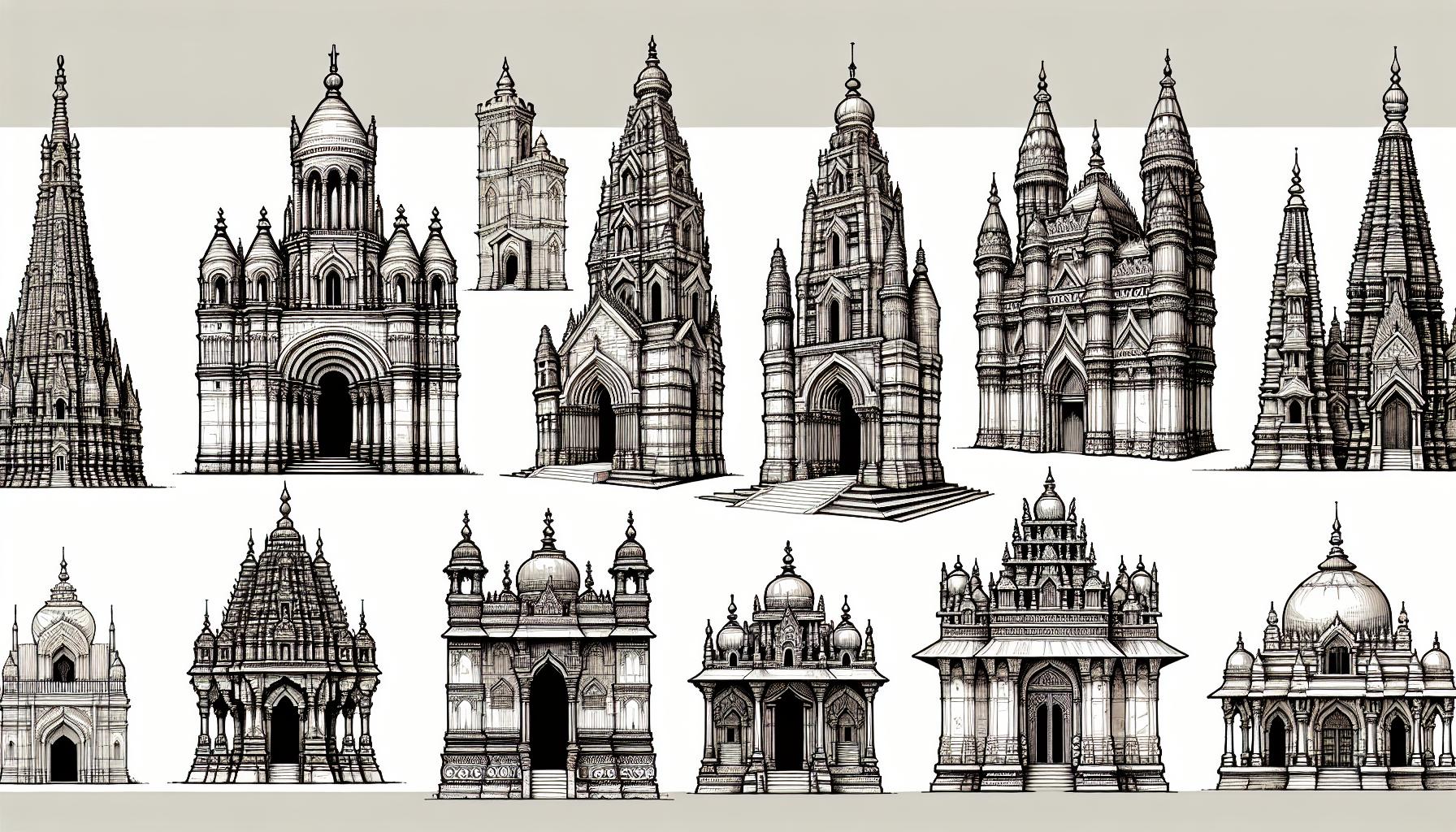
Medieval temple architecture showcases the rich diversity and evolution of regional styles. It reflects the artistic and cultural milestones of that era.
Romanesque Temples
Romanesque temples, popular in Europe from the 10th to 12th centuries, feature robust and simple designs. They often have rounded arches, barrel vaults, and squat columns. Influenced by classical Roman architecture, this style is common in Christian churches and monasteries, exemplified by Saint-Sernin Basilica in Toulouse.
Gothic Temples
Gothic temples, emerging in the 12th century, focus on verticality and light. The architectural elements include pointed arches, ribbed vaults, and flying buttresses. Stained glass windows are also significant. This style, seen in Notre-Dame de Paris, emphasizes both grandeur and spirituality.
Indian Hindu Temples
Indian Hindu temples in the medieval period highlight the Nagara and Dravidian styles. The Nagara style in northern India is known for its shikhara, a towering superstructure above the garbhagriha (sanctum). An example is the Kandariya Mahadeva Temple. The Dravidian style, seen in southern India, features pyramidal towers and intricate carvings. The Meenakshi Temple is a prime exemplar, showcasing detailed artwork and towering gopurams (gateway towers).
Renaissance and Baroque Temples
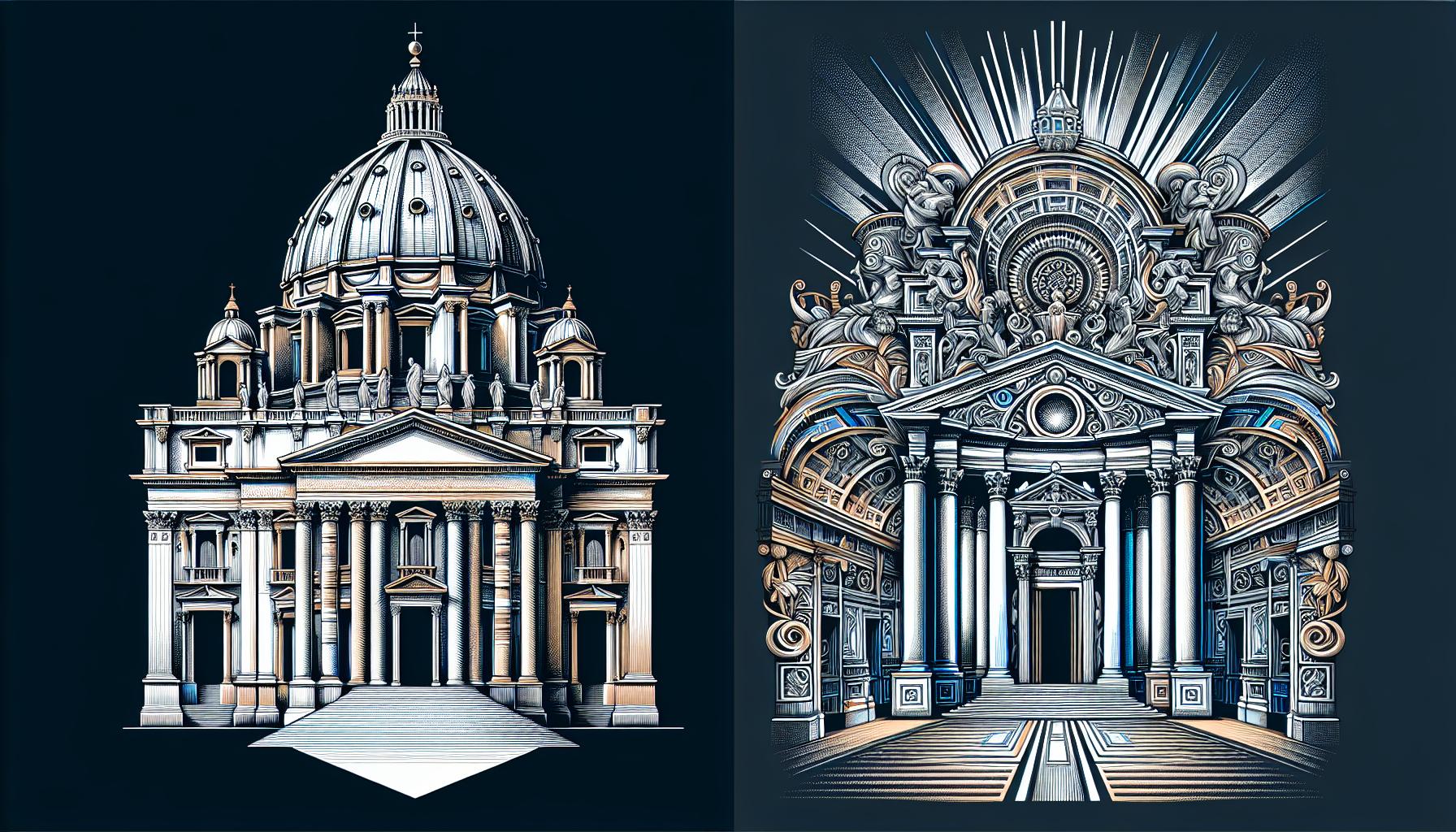
Exploring further, the Renaissance and Baroque periods introduced transformative styles in temple architecture that emphasized symmetry, grandeur, and elaborate detail. These temples exhibit the artistic prowess and innovative techniques of their time.
Renaissance Influence
Renaissance architecture, emerging in the 15th century, revived classical Greek and Roman styles. Architects like Brunelleschi, Alberti, and Palladio created structures that focused on symmetry, proportion, and classical elements such as columns, arches, and domes. Renaissance temples, including the Sistine Chapel, showcase simplicity and elegance. Their exteriors feature minimal decoration, while interiors exhibit elaborate artwork and ornate details, highlighting a blend of art and science.
Baroque Flourishes
In contrast, Baroque architecture, starting in the late 16th century, emerged as an expressive and dramatic style. This period emphasized bold, sweeping forms, grandeur, and intricate details. Baroque temples often display dynamic shapes, opulent decorations, and the use of light to create dramatic effects. Saint Peter’s Basilica in Vatican City epitomizes Baroque style, with its grandiose façade, elaborate interior, and use of light and shadow to evoke emotions and create a sense of awe.
Modern Temple Architecture
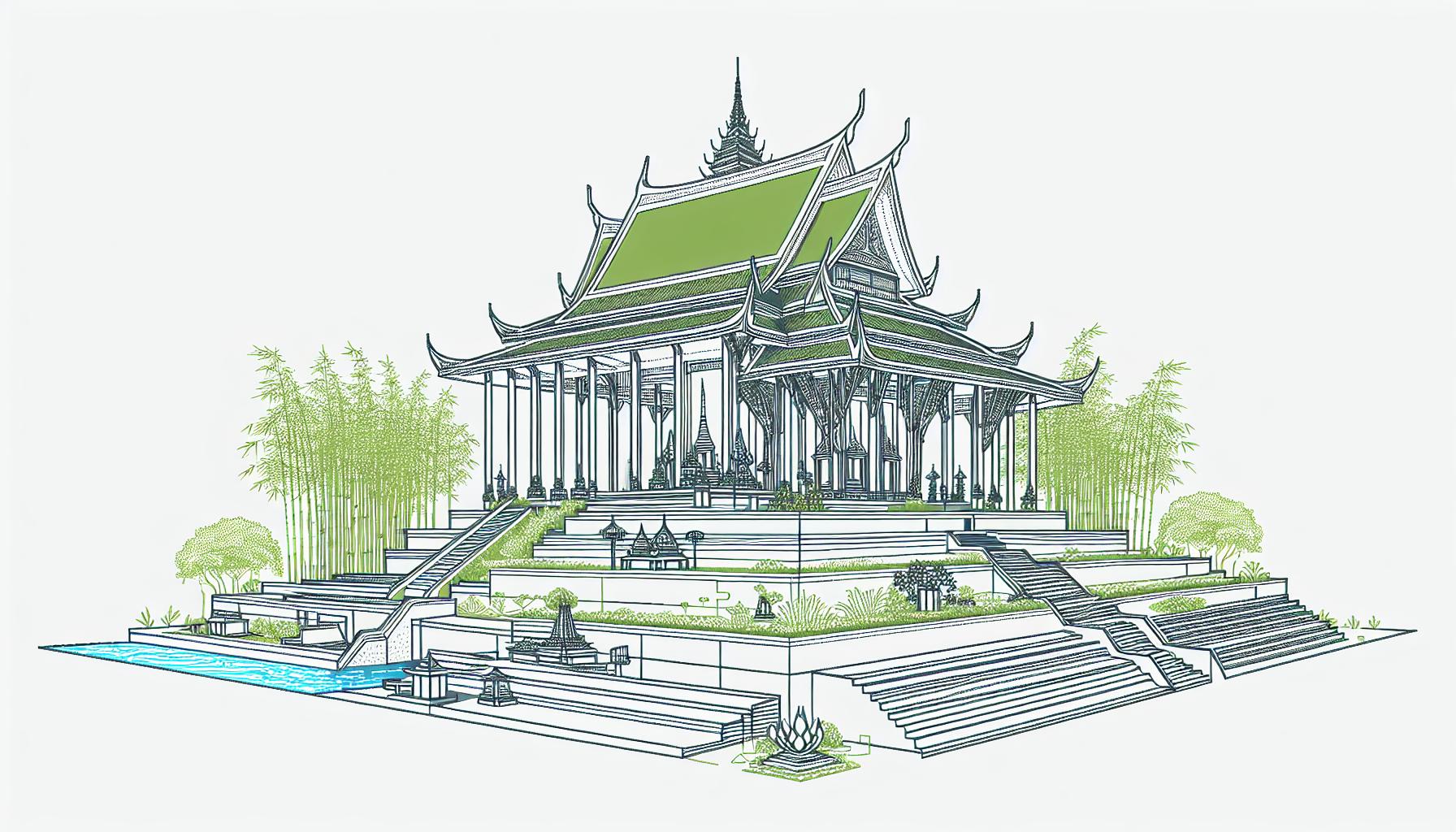
Modern temple architecture combines traditional and contemporary elements, reflecting cultural and religious values with innovative designs.
Contemporary Designs
In India, architects like Le Corbusier and Didi Contractor have revolutionized temple architecture. The Lotus Temple in New Delhi, designed by Fariborz Sahba, exemplifies modern Indian architecture. Its design embodies the Baha’i faith’s principles of purity and simplicity.
In Japan, modern temple designs incorporate advanced materials and innovative elements. The Ekoin Nenbutsudo by Yutaka Kawahara Design Studio integrates modern frames with natural components, such as a green terrace.
Sustainable Features
Sustainable features in modern temple architecture focus on energy efficiency and environmental harmony. Architects often use green building materials, like bamboo and recycled steel.
Natural ventilation systems and rainwater harvesting methods are common features in these structures. For instance, the Lotus Temple’s design employs a unique cooling system, reducing energy consumption significantly. Sustainable practices ensure temples not only serve their spiritual purpose but also contribute to environmental conservation.
Conclusion
Exploring the evolution of temple architecture reveals a fascinating journey through time. From the intricate designs of medieval and Indian Hindu temples to the grandeur of Renaissance and Baroque styles, each era has left its mark. Modern temple architecture stands out by blending traditional elements with contemporary innovations.
Architects like Le Corbusier and Yutaka Kawahara have pushed boundaries, creating spaces that honor cultural and religious values while incorporating sustainable features. These advancements ensure that temples remain not only spiritual sanctuaries but also environmentally conscious structures.
The ongoing fusion of old and new in temple design reflects our ever-evolving world, making each temple a unique testament to both history and progress.
Sources & further reading
These themes are explored in greater depth across the following authoritative resources:
- Britannica, Hindu Temple Architecture
- Met Museum, Hinduism in the Arts
- Britannica, Iconography
- Stella Kramrisch, The Hindu Temple (Motilal Banarsidass, 1946)
- Heinrich Zimmer, Myths and Symbols in Indian Art and Civilization (Princeton University Press, 1946)
External resources for further reading. Apam Napat is not affiliated with these publishers; citation does not imply endorsement.
Based on the classical texts of Hindu mythology, see our sources.