
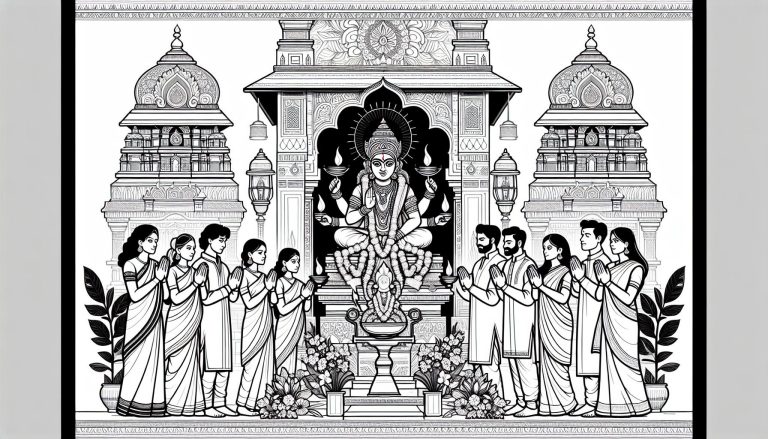
I find it captivating how these rituals, passed down through generations, continue to hold profound significance today. Whether it’s the morning aarti in a Hindu temple or the elaborate offerings in a Buddhist shrine, each practice serves to bridge the gap between the divine and the human. These rituals aren’t just acts of faith; they’re living traditions that bind communities together and preserve cultural heritage.
Historical Background of Ritual Practices in Temples
Ritual practices in temples date back thousands of years, with roots in ancient civilizations. These practices evolved over time, influenced by cultural, religious, and social changes. For instance, Vedic rituals in ancient India laid the foundation for Hindu temple ceremonies. These rituals included intricate fire sacrifices and hymns dedicated to deities.
In ancient Greece, temple rituals centered around offerings to gods like Zeus and Athena. These included processions, animal sacrifices, and feasts. The rituals aimed to gain favor from the gods and ensure community well-being.
Mesopotamian temples also had complex rituals. Priests conducted daily ceremonies, including cleansing and clothing statues of gods. These practices emphasized maintaining divine presence and favor.
Egyptian temples were known for elaborate rituals involving the pharaoh and priests. They performed daily offerings, music, and dance to honor gods like Ra and Isis. The rituals ensured the balance between the divine and earthly realms.
Ancient Chinese temples integrated Confucian, Daoist, and Buddhist practices. Rituals included offerings, incense burning, and ancestor worship. These ceremonies fostered harmony between humans, spirits, and nature.
These examples demonstrate how historical ritual practices in temples were vital in maintaining religious and cultural continuity across civilizations.
Key Components of Temple Rituals
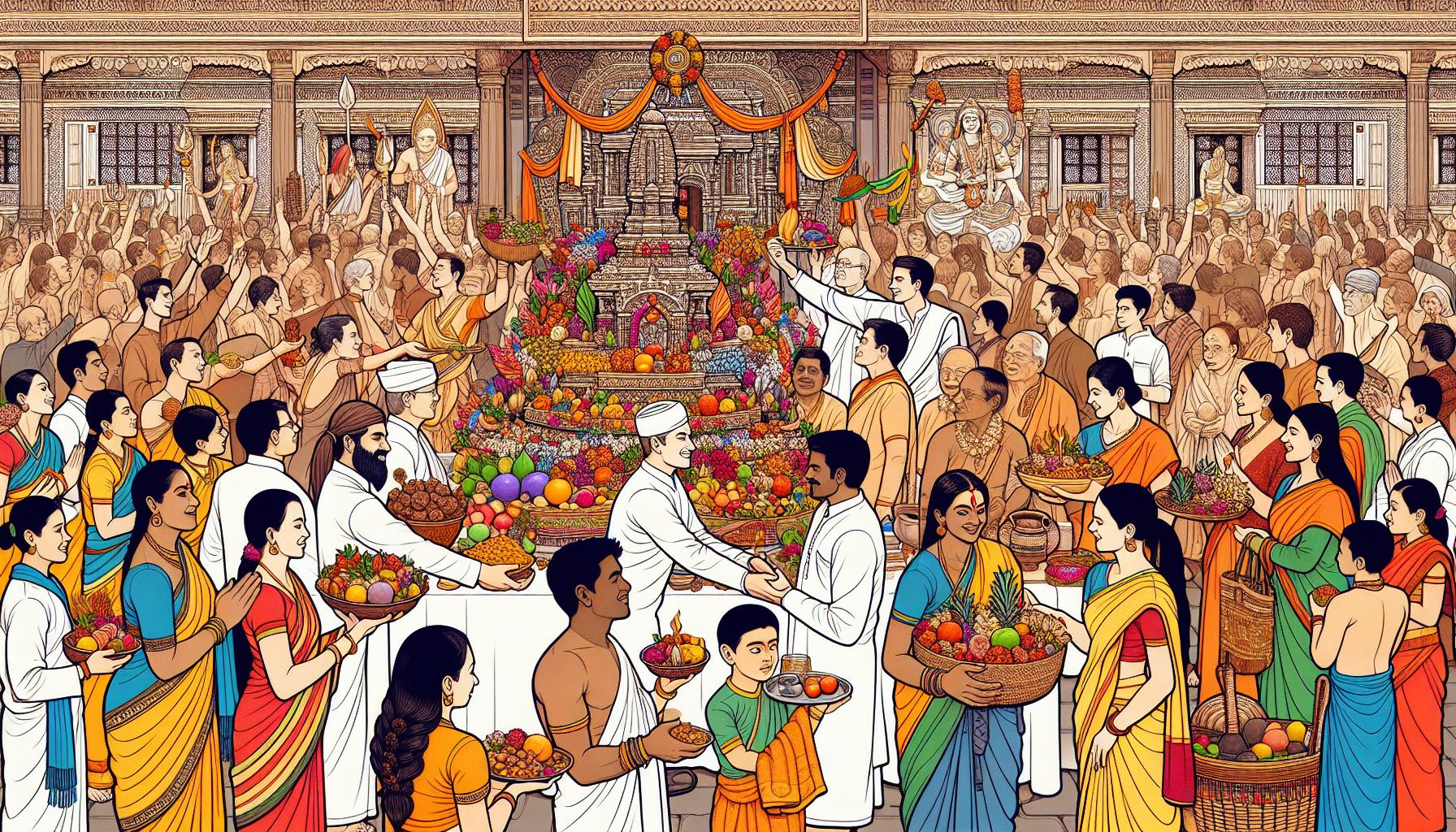
Temple rituals, deeply rooted in ancient traditions, encompass various practices intended to honor deities and foster spiritual connection. Fundamental components of these rituals include offerings, prayers, and festivals.
Offerings and Sacrifices
Offerings and sacrifices, central to temple rituals, serve as acts of devotion and reverence. Devotees present items like fruits, flowers, and incense to deities. In Hindu temples, for instance, offerings such as milk, ghee, and sweets hold symbolic meanings. In ancient Greek temples, animal sacrifices, particularly of bulls and goats, were commonplace. These offerings aim to appease deities, seeking blessings and divine favor.
Prayers and Chants
Prayers and chants, integral to temple rituals, involve recitations that praise and petition deities. Chanting mantras in Sanskrit, Latin, or other sacred languages enhances spiritual vibrations within the temple. Vedic chants in Hindu temples, Gregorian chants in Christian monastic traditions, and mantras in Buddhist temples exemplify this practice. These recitations create a sanctified atmosphere, fostering a deeper connection with the divine.
Festivals and Special Ceremonies
Festivals and special ceremonies, often marking significant religious events, draw large congregations to temples. These events celebrate deities’ birthdays, victories, or cosmic events. Examples include Diwali in Hinduism, marking Lord Rama’s return; Easter in Christianity, celebrating Jesus’s resurrection; and Vesak in Buddhism, commemorating Buddha’s enlightenment. Such festivals involve elaborate rituals, processions, and communal feasts, strengthening community bonds and religious devotion.
Symbolism and Significance of Temple Rituals
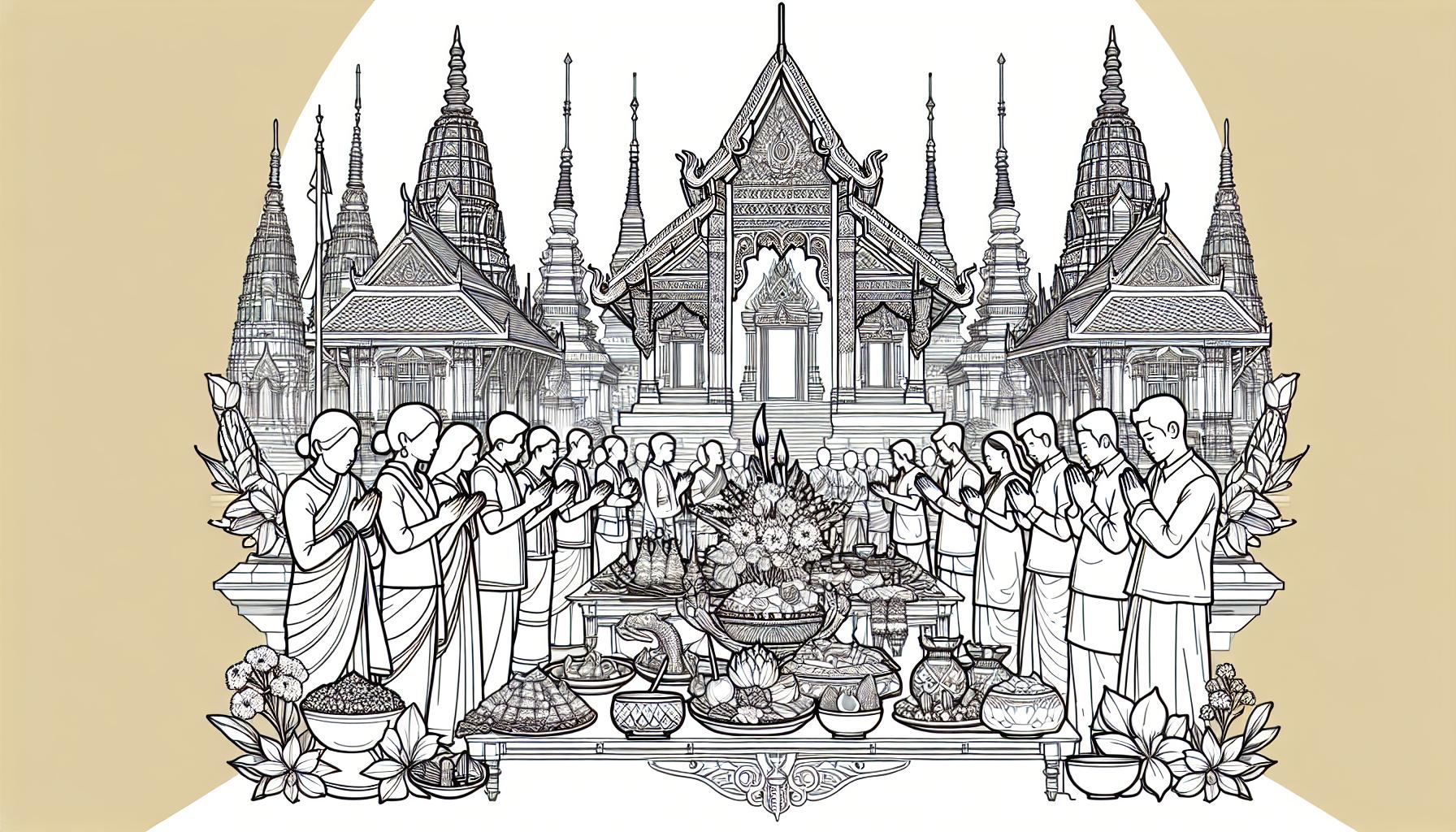
Rituals in temples carry deep symbolic meanings and significant importance in spiritual, social, and cultural contexts. Each element serves distinct purposes, enriching the religious experience.
Spiritual Significance
Temple rituals represent a profound spiritual journey. They bridge the earthly realm with the divine, allowing worshippers to connect directly with deities. Elements like offerings and chants symbolize devotion and convey respect toward higher powers. For instance, offering flowers or food signifies surrender and gratitude. Sacred languages used in prayers deepen sanctity and create a spiritual ambiance.
Social and Cultural Impact
Beyond spirituality, temple rituals foster social cohesion and cultural identity. They gather communities during festivals, creating opportunities for collective celebration and reinforcement of shared values. Rituals like communal prayers and festivals like Diwali (India) or Thesmophoria (Greece) illustrate how they uphold traditions and promote unity. Rituals also educate new generations about cultural heritage, ensuring continuity and understanding of ancestral practices.
Regional Variations in Temple Ritual Practices
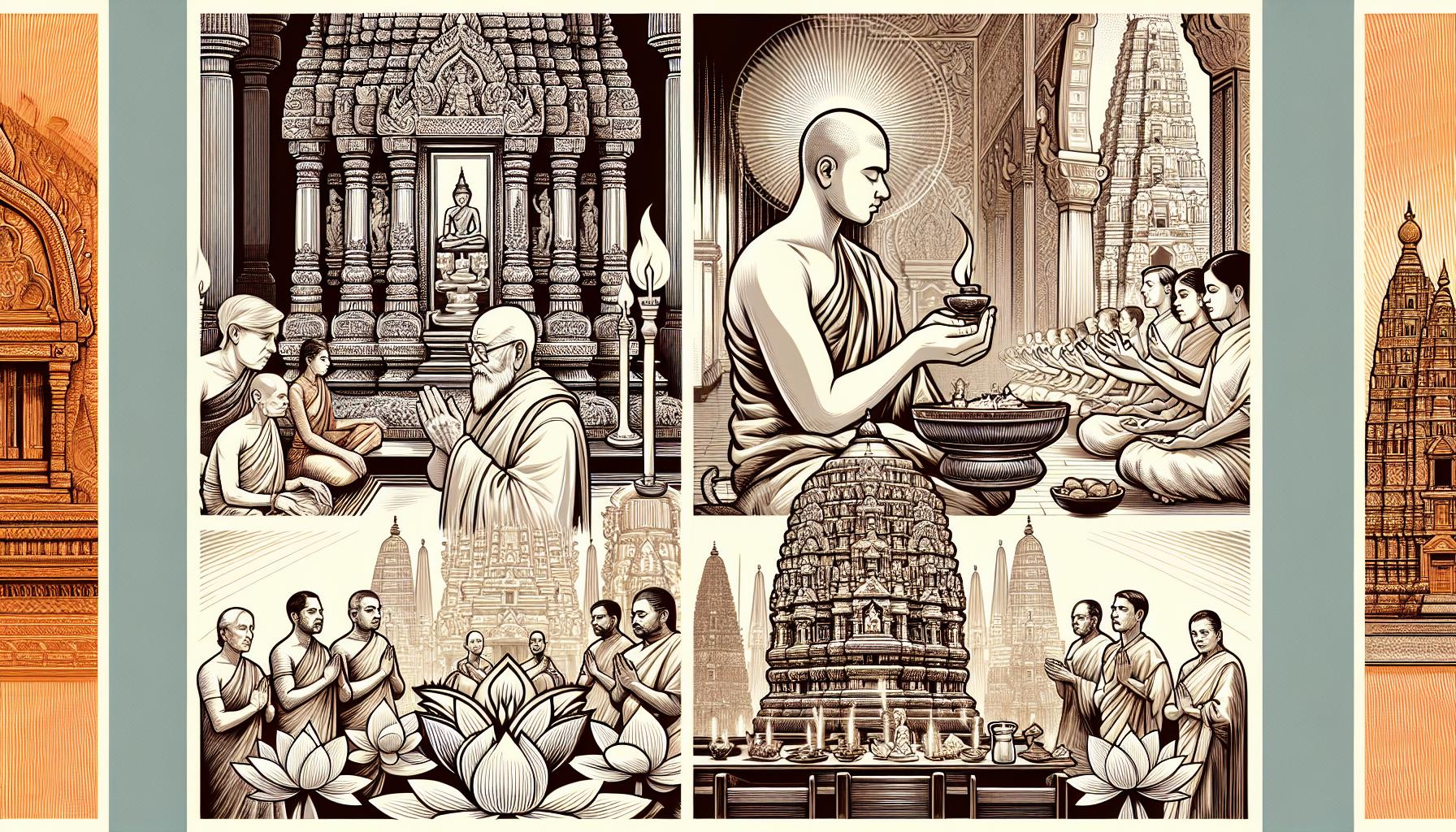
Temple rituals vary significantly based on regional and cultural influences. These practices adapt to local customs and traditions while maintaining core spiritual values.
Rituals in Hindu Temples
Hindu temples showcase intricate rituals that reflect deep spiritual symbolism. Daily worship in these temples includes Aarti, where priests offer light to deities. Puja, another significant ritual, involves offering flowers, food, and incense. Temples often host elaborate festivals like Diwali and Holi, marked by special prayers and community gatherings. Regional variations exist; for instance, Tamil Nadu temples have the unique Abhishekam ritual which involves bathing deities with milk, honey, and water.
Rituals in Buddhist Temples
Buddhist temples emphasize meditation and chanting. Rituals begin with devotees lighting incense sticks and offering lotus flowers as symbols of purity. In Theravada Buddhism, the shared practice of Pindapata has monks collecting alms from the community. Mahayana temples, predominant in China and Japan, often engage in Sutra chanting and prostrations. Festivals like Vesak celebrate Buddha’s birth, enlightenment, and death, featuring lantern lighting and communal meditations.
Rituals in Christian Churches
Christian church rituals focus on communal worship and sacraments. The Eucharist or Holy Communion is central, symbolizing the Last Supper. Churches hold regular services involving hymns, prayers, and scripture readings. Advent and Easter are key festivals, celebrated with special masses and processions. Regional differences appear in the style of worship; for example, Eastern Orthodox churches practice the Divine Liturgy, rich in iconography and chanting, while Protestant churches often have more varied and less formal worship styles.
Modern Adaptations of Temple Rituals
I see how temple rituals have evolved to fit modern lifestyles while maintaining core spiritual elements. Today, many temples incorporate technology to reach wider audiences and make participation more accessible. For example, live streaming of ceremonies allows followers worldwide to engage in rituals, breaking geographical barriers.
Temples also adapt rituals to be more environmentally conscious. Many Hindu temples now use eco-friendly materials for offerings, moving away from plastic and other pollutants. In Buddhist temples, there’s a shift towards sustainable practices during festivals, such as using biodegradable lanterns during Vesak.
Inclusivity is another key adaptation. Temples across various religions now ensure accessibility for differently-abled people. Ramps, Braille scriptures, and sign language interpreters during services exemplify this change. The aim is to make spiritual practices more inclusive and welcoming to all followers.
Digital platforms offer new ways to engage with temple rituals. Mobile apps provide guided prayers, meditation sessions, and notifications about upcoming events. These tools help practitioners integrate spiritual practices into their busy schedules.
Even traditional dress codes see modernization. Some temples allow more casual attire to encourage younger visitors to participate. While maintaining respect for religious traditions, these changes help bridge generational gaps and keep ritual practices relevant today.
Conclusion
Exploring temple rituals across various cultures reveals their profound impact on spiritual and social dimensions. These practices, steeped in tradition, continue to evolve with modern influences. By embracing technology and inclusivity, temples are making rituals more accessible and relevant today. Understanding these rituals not only enriches our knowledge but also fosters a deeper appreciation for the diverse ways humanity seeks connection with the divine. As we move forward, it’s crucial to honor these traditions while adapting them to contemporary contexts, ensuring they remain a vital part of our cultural and spiritual heritage.
Sources & further reading
These themes are explored in greater depth across the following authoritative resources:
- Britannica, Hindu Temple Architecture
- Met Museum, Hinduism in the Arts
- Britannica, Iconography
- Stella Kramrisch, The Hindu Temple (Motilal Banarsidass, 1946)
- Heinrich Zimmer, Myths and Symbols in Indian Art and Civilization (Princeton University Press, 1946)
External resources for further reading. Apam Napat is not affiliated with these publishers; citation does not imply endorsement.
Based on the classical texts of Hindu mythology, see our sources.