
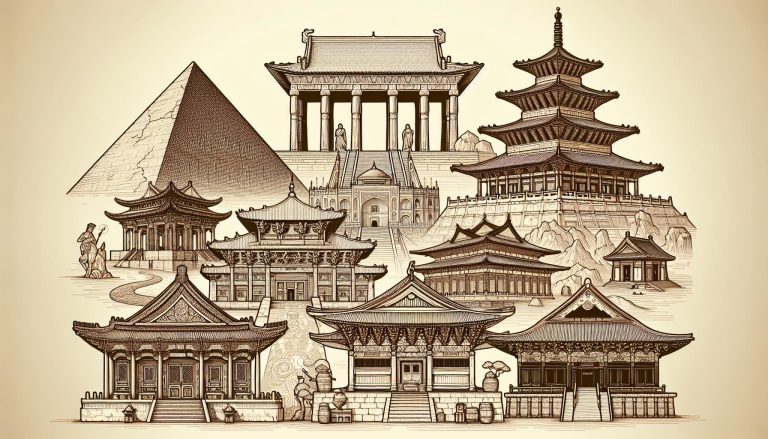
Understanding temple design principles can offer us insights into how these sacred spaces inspire contemplation and connection. From the use of symmetry and geometry to the interplay of light and shadow, each element serves a purpose. Let’s dive into the timeless principles that make temple architecture not only visually stunning but also spiritually uplifting.
Historical Background
Temple design principles have evolved over centuries, deeply influenced by religious, cultural, and social changes. Ancient Egyptian temples, for instance, combined symmetry and monumental structures to convey power and divinity. The Karnak Temple Complex exemplifies these elements with its grand pylons and hypostyle halls.
In ancient Greece, temples reflected the harmony and proportion central to Greek philosophy. The Parthenon stands as a prime example, using mathematical precision and symmetry to create visual harmony. Greek temples often included columns, pediments, and friezes, contributing to their iconic appearance.
Indian temple architecture showcases a blend of spiritual symbolism and intricate carvings. The Brihadeeswarar Temple, built during the Chola dynasty, features elaborate sculptures and a towering vimana (temple tower). This design emphasizes verticality, guiding the devotee’s gaze upward, symbolizing ascent to the divine.
Chinese temple design focuses on harmony with nature and integration with the natural landscape. Temples like the Temple of Heaven in Beijing use open courtyards, axial alignments, and curved roofs to create a balanced, serene environment that aligns with Daoist principles.
Japanese temples, often influenced by both Shinto and Buddhist practices, emphasize simplicity and natural materials. The Ise Grand Shrine, made from wood, exemplifies purity and simplicity. Regular rebuilding of the shrine every 20 years reflects the cyclical nature of life and renewal, central to Shinto beliefs.
These historical perspectives illustrate how different cultures imbue temple designs with unique spiritual and philosophical significances.
Key Principles in Temple Design
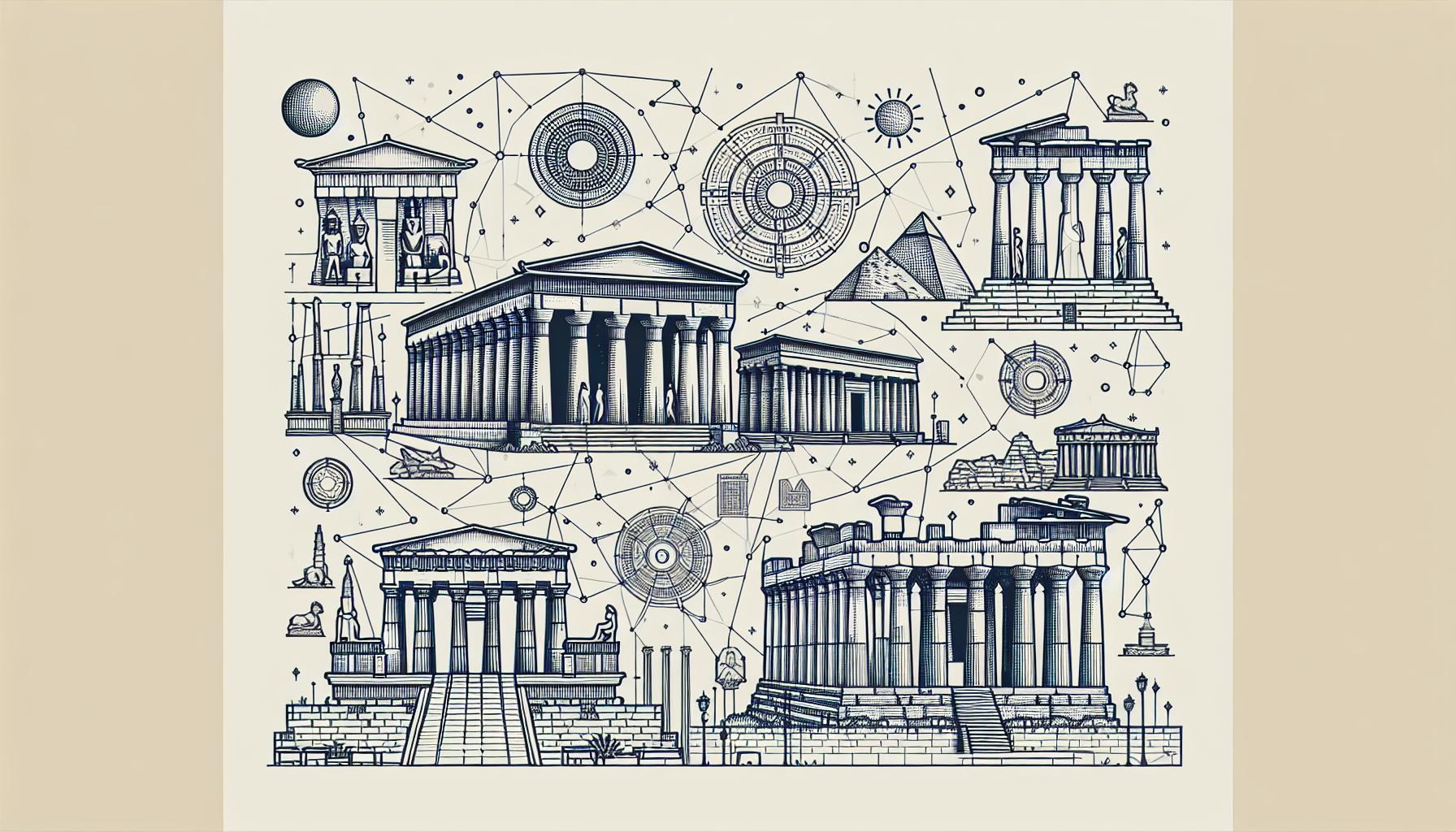
Temple design principles have evolved to reflect spiritual, cultural, and philosophical beliefs. Let’s delve into the fundamental aspects of temple design.
Orientation and Alignment
Orientation and alignment play crucial roles in temple design. Temples often face cardinal directions, aligning with celestial entities. In Indian temples, the sanctum usually faces east, symbolizing the sun’s rise. The Karnak Temple Complex in Egypt features a layout aligned with the solstices. This alignment enhances the spiritual experience and reflects cosmic harmony.
Symmetry and Proportions
Symmetry and proportions ensure a temple’s aesthetic and structural balance. Ancient Greek architects used the Golden Ratio in designs like the Parthenon to create visual harmony. In Japanese temples, symmetry symbolizes balance between the human and natural worlds. By adhering to these principles, designers create sacred spaces that inspire tranquility and reverence.
These principles illustrate how temples embody diverse spiritual narratives, blending architectural precision with deep cultural significance.
Architectural Styles

Temple design encompasses a rich array of architectural styles, each reflecting the cultural, spiritual, and historical contexts of its time.
Classical
Classical temple design principles focus on symmetry, proportion, and the use of specific orders. Greek and Roman temples exemplify this style. Greek temples, like the Parthenon, employ the Doric, Ionic, and Corinthian orders, each with unique column styles and ornamental details. The use of post-and-lintel construction methods ensures structural integrity and aesthetic harmony. Roman temples, such as the Pantheon, incorporate innovations like the arch and dome, enhancing spatial grandeur and engineering prowess. Both styles emphasize the centrality of the altar and the significance of religious rituals held within.
Modern
Modern temple design integrates contemporary materials and construction techniques while respecting traditional spiritual and philosophical elements. Examples include the Bahá’í House of Worship in India and the Lotus Temple, which employs a distinctive lotus flower shape, using concrete and marble. Modern architecture often embraces minimalism, sustainability, and inclusivity. It reinterprets sacred spaces to resonate with contemporary worshippers, providing functionality without compromising reverence. This style incorporates large open spaces, natural light, and eco-friendly designs to foster a serene, meditative environment.
Building Materials
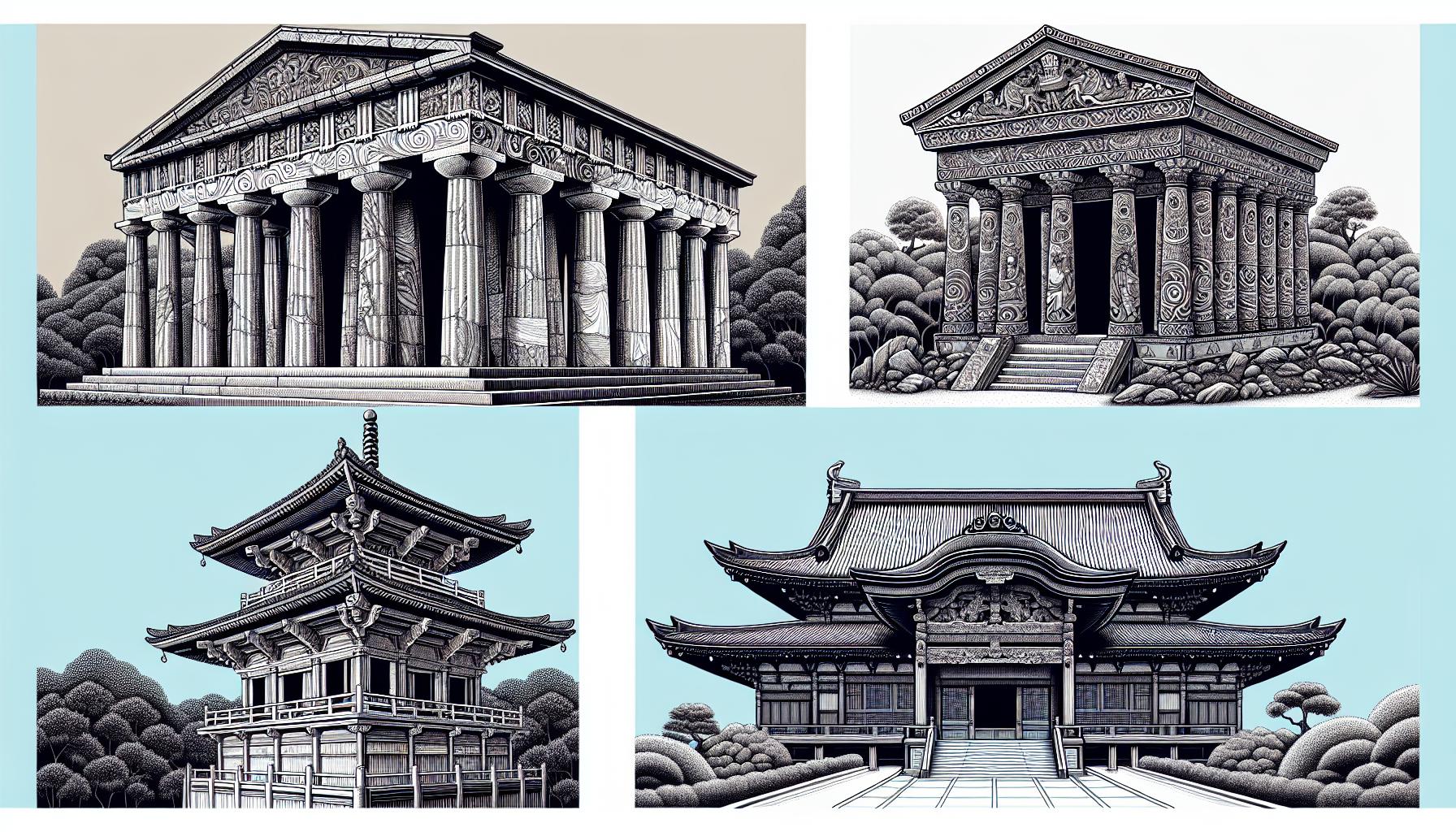
In temple design, selecting appropriate building materials is crucial for aesthetics, durability, and spiritual resonance. Different cultures have preferred various materials based on availability, function, and symbolic meaning.
Stone
Stone has been a primary material in many traditional temples due to its durability and grandeur. Ancient Greek temples, like the Parthenon, showcased limestone and marble, symbolizing permanence and divinity. Indian temples often feature granite and sandstone, seen in the intricate carvings of the Khajuraho Temples. Stones like limestone, widely used in Egyptian temples, provided structural integrity and monumental presence. Chinese temples sometimes use stone alongside timber to enhance structural stability and aesthetic charm. This material not only ensures longevity but also allows for elaborate architectural detailing.
Wood
Wood serves as a versatile material in temple construction, especially in regions where stone is scarce. Japanese Shinto shrines primarily use cypress wood, valued for its resistance to decay and its spiritual purity. The temples’ wooden structures are known for their intricate joinery and natural aesthetics. In Indian architecture, wood is often used for temple roofs and pillars, offering warmth and intricate detailing, as seen in Kerala temples. Many traditional Chinese temples utilize timber frames, exemplifying the craftsmanship and cultural heritage of the region. Despite being less durable than stone, wood imparts an organic, inviting feel to sacred spaces and allows for diverse architectural expressions.
Decorative Elements
Decorative elements in temple design hold deep symbolic meanings and connect the beholder to spiritual and cultural ethos. They enhance the aesthetics and functionality of the sacred space.
Sculptures
Sculptures in temples often depict deities, saints, and mythological scenes. In Hindu temples, intricate stone carvings of gods, goddesses, and mythical creatures cover the walls and pillars, symbolizing divine presence. Greek temples, like the Parthenon, feature sculpted friezes and pediments that narrate mythological events and represent the gods’ power and virtues. In Chinese temples, Taoist and Buddhist sculptures often include representations of Bodhisattvas and celestial beings, emphasizing spiritual guidance and protection. Sculptures serve both as artistic adornment and as didactic tools, teaching visitors about religious stories and moral lessons.
Paintings
Paintings in temples convey religious narratives and foster contemplation. Indian temples frequently showcase frescoes and murals of epic tales like the Ramayana – Epic of Hinduism and Mahabharata – The Great Epic, instilling moral values and devotion. Byzantine churches display elaborate mosaics and icons of Christ, the Virgin Mary, and saints, guiding worshippers in veneration and reflection. In Japan, Zen Buddhist temples feature ink wash paintings (sumi-e) depicting serene landscapes and spiritual motifs, encouraging meditation and mindfulness. Paintings are integral to temple interiors, as they visually represent theological concepts and enhance the worship experience.
By incorporating sculptures and paintings, temples transform into holistic environments that reflect spiritual beliefs and cultural heritage.
Conclusion
Temple design principles are a fascinating blend of art, architecture, and spirituality. Each culture’s unique approach reflects their deep-seated beliefs and values. The harmonious blend of symmetry, monumental structures, and symbolic elements creates spaces that are both awe-inspiring and spiritually uplifting. By understanding these principles, we gain insight into the rich tapestry of human history and the universal quest for the divine. Whether ancient or modern, temples continue to serve as powerful symbols of cultural heritage and spiritual devotion.
Sources & further reading
These themes are explored in greater depth across the following authoritative resources:
- Britannica, Hindu Temple Architecture
- Met Museum, Hinduism in the Arts
- Britannica, Iconography
- Stella Kramrisch, The Hindu Temple (Motilal Banarsidass, 1946)
- Heinrich Zimmer, Myths and Symbols in Indian Art and Civilization (Princeton University Press, 1946)
External resources for further reading. Apam Napat is not affiliated with these publishers; citation does not imply endorsement.
Frequently asked questions
What are temple design principles?
What elements define temple design?
Why do temples feel serene?
How does temple design support spiritual practice?
Based on the classical texts of Hindu mythology, see our sources.