
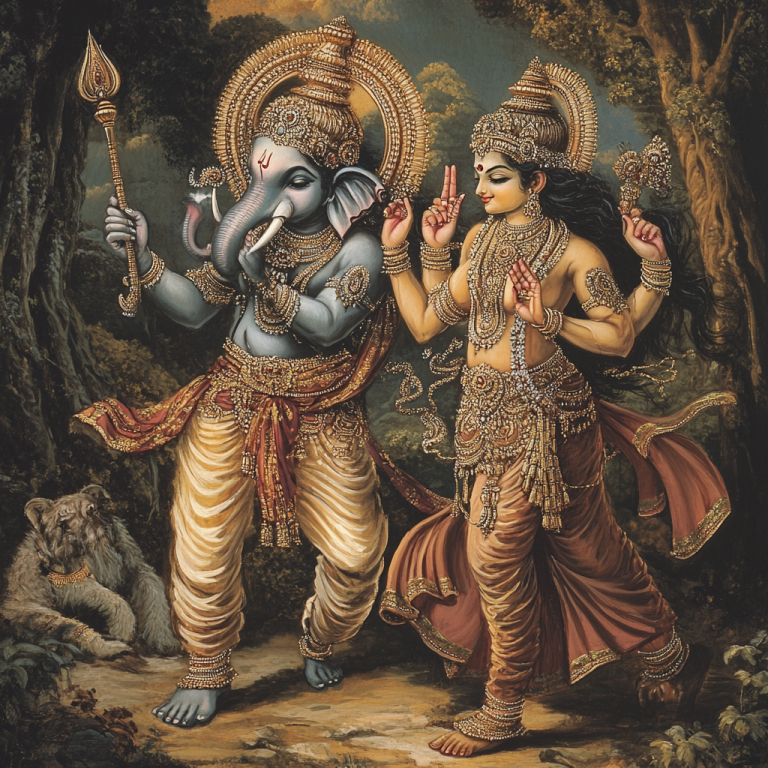
Indian Mythology: A Living Tradition
Indian mythology stands as a treasure trove of myths, legends, and heroic tales. Unique among world mythologies, it remains intricately woven into a living, breathing religion-Hinduism. These stories, developed over millennia, continue to inspire devotion, literature, art, and philosophy. They serve as a bridge connecting the past to the present, forming a cultural and spiritual tapestry unparalleled in richness.
Many stories in Indian mythology occur in multiple texts, each offering nuanced variations. For instance, the birth of Ganesha is described differently in the Shiva Purana, Brahmavaivarta Purana, and other texts, reflecting the diversity of interpretations. This collection of myths aims to document these variations, offering a resource for enthusiasts seeking both popular narratives and lesser-known versions.
The Structure of Indian Mythology
| Phase | Key Features | Examples of Texts |
|---|---|---|
| Vedic Period | Worship of nature deities, hymns in praise of fire (Agni), rain (Indra), and the sun (Surya). | Rig Veda, Yajur Veda, Sama Veda, Atharva Veda. |
| Upanishadic Period | Philosophical treatises focusing on the concept of Brahman (universal spirit) and Atman (self), central to the pursuit of moksha as explored in the Vedas. | Chandogya Upanishad, Brihadaranyaka Upanishad. |
| Puranic Period | Narratives about the creation of the universe, genealogies of gods and sages, and the deeds of divine incarnations. | Vishnu Purana, Shiva Purana, Bhagavata Purana. |
| Epic Period | Stories of dharma, heroism, and cosmic battles in the Ramayana and Mahabharata. | Valmiki’s Ramayana, Vyasa’s Mahabharata, Harivamsa (an appendix to the Mahabharata). |
| Bhakti Period | Devotional poetry and songs emphasizing personal devotion to gods like Krishna, Rama, and Devi (Goddess). | Works of Mirabai, Kabir, Tulsidas, and Alwars. |
The Evolution of Deities
Indian mythology reflects a gradual evolution of its pantheon. The Vedic gods, rooted in natural forces, gradually gave way to more anthropomorphic and symbolic deities of the Puranas. This shift mirrors humanity’s own journey from revering nature to exploring metaphysical concepts.
Vedic Deities
| Deity | Domain | Notable Hymns and Stories |
|---|---|---|
| Agni | Fire, sacrificial rituals. | Celebrated as a messenger between humans and gods; invoked in the AgniHotra ceremony. |
| Indra | Thunder, rain, king of the gods. | Famous for slaying the serpent Vritra, releasing the waters to the world. |
| Varuna | Waters, moral order (Rta). | Associated with cosmic law; known as a strict upholder of truth and justice. |
| Soma | Divine nectar, moon. | Both a drink and a deity; associated with vitality and immortality, later linked to the moon in Puranic texts. |
Puranic Trinity
| God | Role | Consort | Attributes |
|---|---|---|---|
| Brahma | Creator | Saraswati | Associated with knowledge and creation; rarely worshipped today. |
| Vishnu | Preserver, protector of dharma. | Lakshmi | Known for ten avatars, including Rama and Krishna, to restore cosmic order. |
| Shiva | Destroyer, ascetic, transformer. | Parvati (Shakti) | Embodies both ascetic and familial aspects; father of Ganesha and Skanda. |
The shift from Vedic deities to the Puranic trinity reflects the integration of philosophical and devotional aspects in Hinduism, accommodating diverse beliefs under a unified spiritual framework.
Indian Mythology Across Texts
Indian mythology spans multiple literary traditions, from the ancient Hindu Sacred Writings: Discovering the Vedas, Upanishads, Mahabharata, Ramayana, and Puranas of the Vedas to the later epics and Puranas, each offering unique contributions.
Key Texts and Their Contributions
| Text Type | Focus | Example Stories |
|---|---|---|
| Vedas | Hymns to nature deities, rituals, and early metaphysical inquiries. | The birth of Agni, Indra slaying Vritra, the cosmic creation hymn (Nasadiya Sukta). |
| Upanishads | Philosophical discussions on Brahman, Atman, and the nature of existence. | The story of Nachiketa and Yama, metaphors like the Banyan Tree (Chandogya Upanishad). |
| Puranas | Narratives on creation, destruction, and divine activities. | Vishnu’s avatars, Samudra Manthan (churning of the ocean), Ganesha’s birth. |
| Ramayana and Mahabharata | Heroic epics focusing on dharma, relationships, and divine intervention in human affairs. | Rama’s exile, Sita’s abduction (Ramayana); the Kurukshetra war, Krishna’s Bhagavad Gita (Mahabharata). |
Thematic Connections
Indian mythology often revisits recurring themes, reflecting its cohesive yet diverse nature:
| Theme | Examples | Related Stories |
|---|---|---|
| Dharma (Righteousness) | The struggle to uphold one’s duty amidst moral dilemmas. | Yudhishthira’s adherence to truth, Rama’s exile to honor his father’s word. |
| Karma (Action and Consequence) | Actions determine one’s destiny across lifetimes, a fundamental principle in karma and the cycle of rebirth. | King Harishchandra’s trials; the fates of Ravana and Duryodhana as consequences of their hubris. |
| Avatars and Divine Intervention | Gods incarnate to restore balance to the world. | Krishna’s role in the Mahabharata, Vishnu’s avatar as Vamana to humble the demon king Bali. |
| Cosmic Cycles | Creation, preservation, and destruction occur in endless cycles (Kalpas). | Pralaya (cosmic dissolution) in Shiva Purana; the churning of the ocean to recover lost treasures. |
Chronology and Evolution
The mythological timeline illustrates the evolving roles of gods and heroes:
Timeline of Indian Mythology
| Period | Key Developments | Textual Sources |
|---|---|---|
| Vedic Period | Worship of nature forces; Indra, Agni, and Varuna dominate the pantheon. | Rig Veda, Yajur Veda. |
| Upanishadic Period | Shift toward monism, with the concept of Brahman gaining prominence. | Chandogya Upanishad, Katha Upanishad. |
| Puranic Period | Rise of Vishnu, Shiva, and Brahma as the principal deities; consolidation of myths into structured narratives seen in Exploring Puranic Traditions: Ancient Stories and Their Modern Relevance in Hinduism and Exploring Puranas and Mythology: Stories, Heroes, and Cultural Impact. | Vishnu Purana, Shiva Purana, Devi Bhagavata. |
| Epic Period | Ramayana and Mahabharata shape cultural and ethical ideals, detailing human struggles within divine frameworks. | Valmiki Ramayana, Vyasa Mahabharata. |
Modern Relevance
Indian mythology continues to influence literature, art, and popular culture. Themes of dharma, karma, and divine intervention are reinterpreted in modern contexts, from devotional songs to cinematic adaptations like the Ramayana TV series and Mahabharata movies.
This dynamic interplay between ancient tradition and contemporary relevance ensures that Indian mythology remains both timeless and vibrant, offering moral guidance and cultural enrichment to successive generations.
Next: Exploring Specific Stories and Characters in Indian Mythology.
Sources & further reading
These themes are explored in greater depth across the following authoritative resources:
- Internet Sacred Text Archive, Rig Veda (Griffith translation)
- Internet Sacred Text Archive, Upanishads
- Britannica, Veda
- Britannica, Upanishad
- Patrick Olivelle, The Early Upanishads (Oxford University Press, 1998)
External resources for further reading. Apam Napat is not affiliated with these publishers; citation does not imply endorsement.
Based on the classical texts of Hindu mythology, see our sources.