
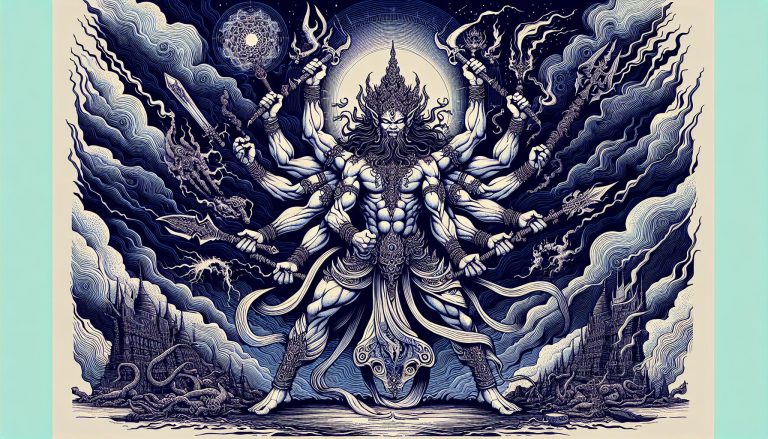
In my exploration of Asura powers, I’ve discovered a fascinating blend of supernatural strength, cunning intelligence, and mystical abilities. These traits not only make Asuras formidable opponents but also intriguing characters in mythological narratives. Let’s unravel the mysteries behind their powers and understand why they’ve captivated human imagination for centuries.
Understanding Asura Powers
Asuras possess a blend of supernatural abilities that set them apart from ordinary beings. Their power spectrum includes immense physical strength, unparalleled intelligence, and strategic cunning. These powers enable Asuras to challenge gods and other celestial beings.
Supernatural Strength
Asuras exhibit incredible physical prowess. They can lift massive weights, destroy solid structures, and engage in prolonged battles without tiring. The Mahabharata – The Great Epic and Ramayana – Epic of Hinduism, two ancient epics, describe Asuras exhibiting this strength in numerous conflicts.
Mystical Abilities
Asuras possess various mystical abilities. They can shape-shift, cast powerful spells, and teleport. These abilities allow them to maneuver strategically during battles. Stories often depict Asuras using these powers to deceive or outwit their opponents.
Enhanced Intelligence
Apart from physical strength, Asuras have remarkable intelligence. They often outsmart their adversaries using their sharp minds. Asura kings, like Ravana and Hiranyakashipu, are renowned for their wisdom and strategic planning in battles against the gods.
Control Over Elements
Some Asuras command the natural elements. They can summon fire, create storms, or manipulate water. These elemental powers often exacerbate their threat level during confrontations with divine beings.
Immortality and Regeneration
Certain Asuras possess the gift of near-immortality or rapid regeneration. They can recover quickly from injuries that would be fatal to others, making them almost invincible in combat.
Sorcery and Dark Magic
Asuras often engage in sorcery and dark magic. They harness energy from the underworld, conjure dark forces, and curse their enemies. This arcane mastery further amplifies their already formidable capabilities.
Mastery of Weapons
Plus to their innate powers, Asuras are skilled in using various weapons. They wield enchanted swords, deadly spears, and divine bows, augmenting their combat effectiveness.
- Ravana: Known for his vast knowledge and mystical powers, Ravana is a pivotal figure in the Ramayana.
- Hiranyakashipu: Famous for his near-immortality, Hiranyakashipu challenged even the gods.
- Mahishasura – Buffalo Demon: Possessed the ability to shape-shift and wielded dark magic, making him a formidable foe.
Each of these Asuras illustrates the tremendous, multifaceted powers they hold, embodying the characteristics that have captivated human imagination for centuries.
Historical Origins
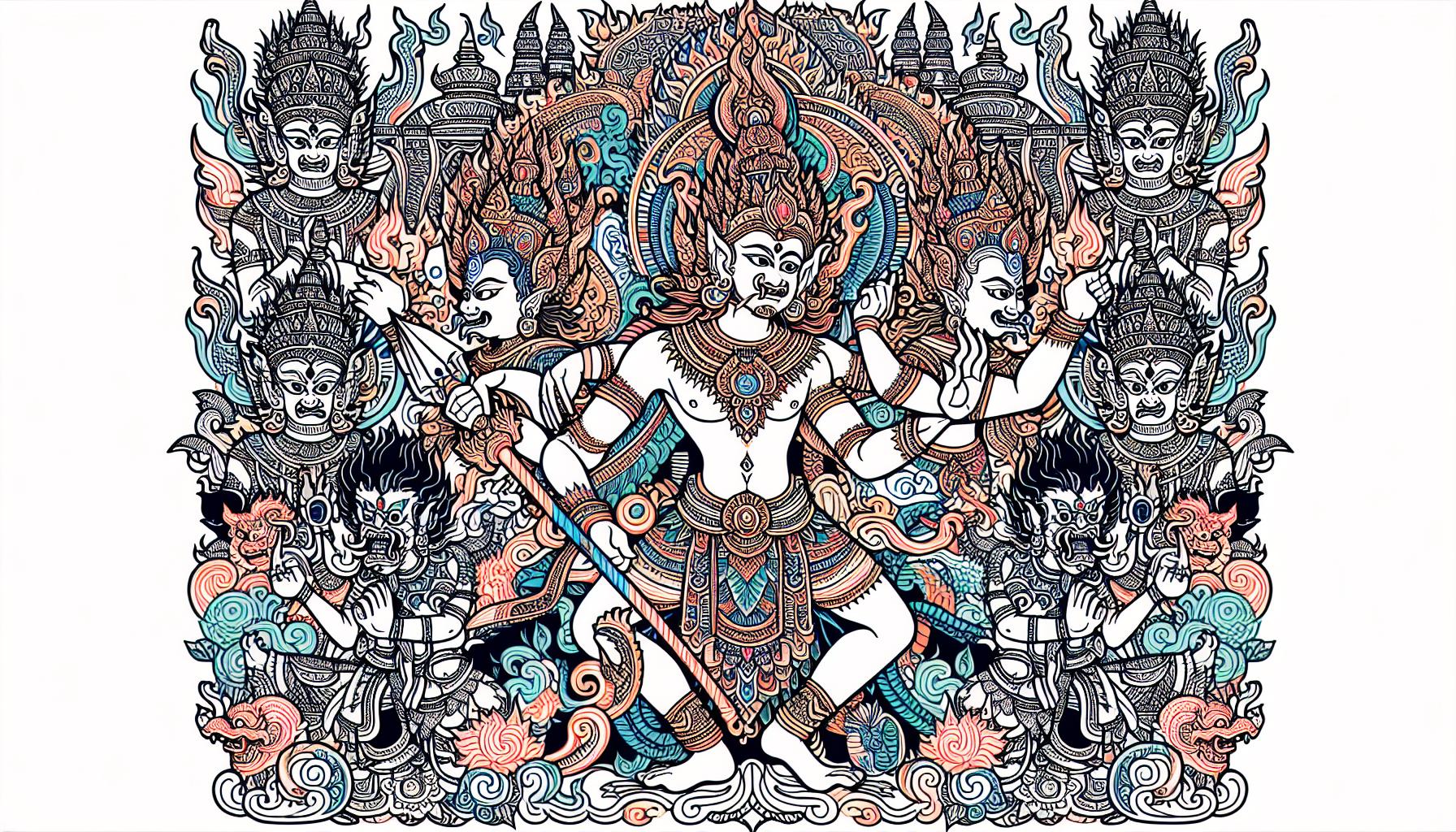
Asuras have rich historical origins reflected in ancient scriptures and cultural narratives. These origins offer insights into their evolution as powerful mythical beings.
Ancient Texts and Mythology
Asuras appear prominently in ancient Hindu, Buddhist, and Jain texts. Vedic literature, including the Rigveda, describes Asuras as powerful deities initially. Over time, they transitioned to adversarial roles against Devas. The Puranas further depict their complex nature, combining both benevolent and malevolent traits. In Buddhist texts, Asuras have a distinct identity as beings constantly warring against divine beings, while Jain scriptures emphasize their struggle for liberation.
Cultural Significance
Asuras hold substantial cultural significance across various traditions. In Hinduism, their tales teach moral lessons about the consequences of pride and power misuse. Festivals like Durga Puja and Navratri honor the defeat of Asuras, symbolizing the victory of good over evil. In Buddhist culture, they represent inner conflicts and the perpetual struggle within the human mind. Their narratives in these cultures emphasize important ethical and philosophical teachings, enriching the cultural heritage.
Types of Asura Powers
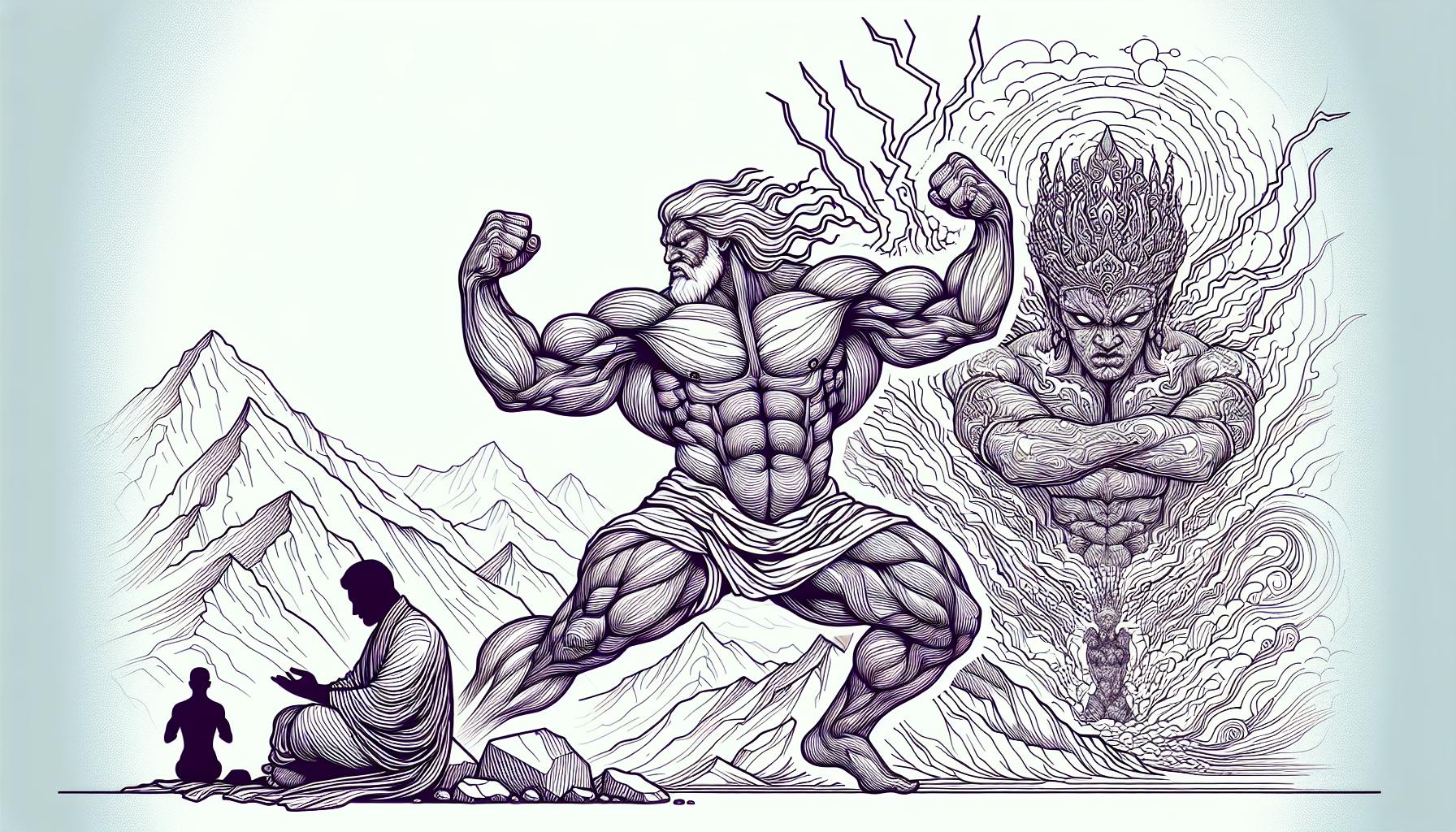
Asuras exhibit varied powers, making them complex mythological beings. Key types of Asura powers include:
Physical Strength
Asuras possess immense physical strength. Ravana, for example, could lift Mount Kailash. This strength allows them to engage in significant battles against Devas. Their physical prowess makes them formidable.
Mystical Abilities
Asuras command mystical abilities. They can shape-shift, cast spells, and control elements. Hiranyakashipu could render himself invulnerable to many threats through his mystical skills. These abilities grant them an edge in overcoming adversaries.
Supernatural Intelligence
Asuras exhibit supernatural intelligence. Their strategic cunning and tactical skills enable them to devise complex plans. Mahishasura’s ability to disguise himself showcases their mental acuity. This intelligence ensures they can rival the most clever Devas.
These types of powers illustrate the multifaceted nature of Asuras, enriching their stories with depth and intrigue.
Depiction in Modern Media
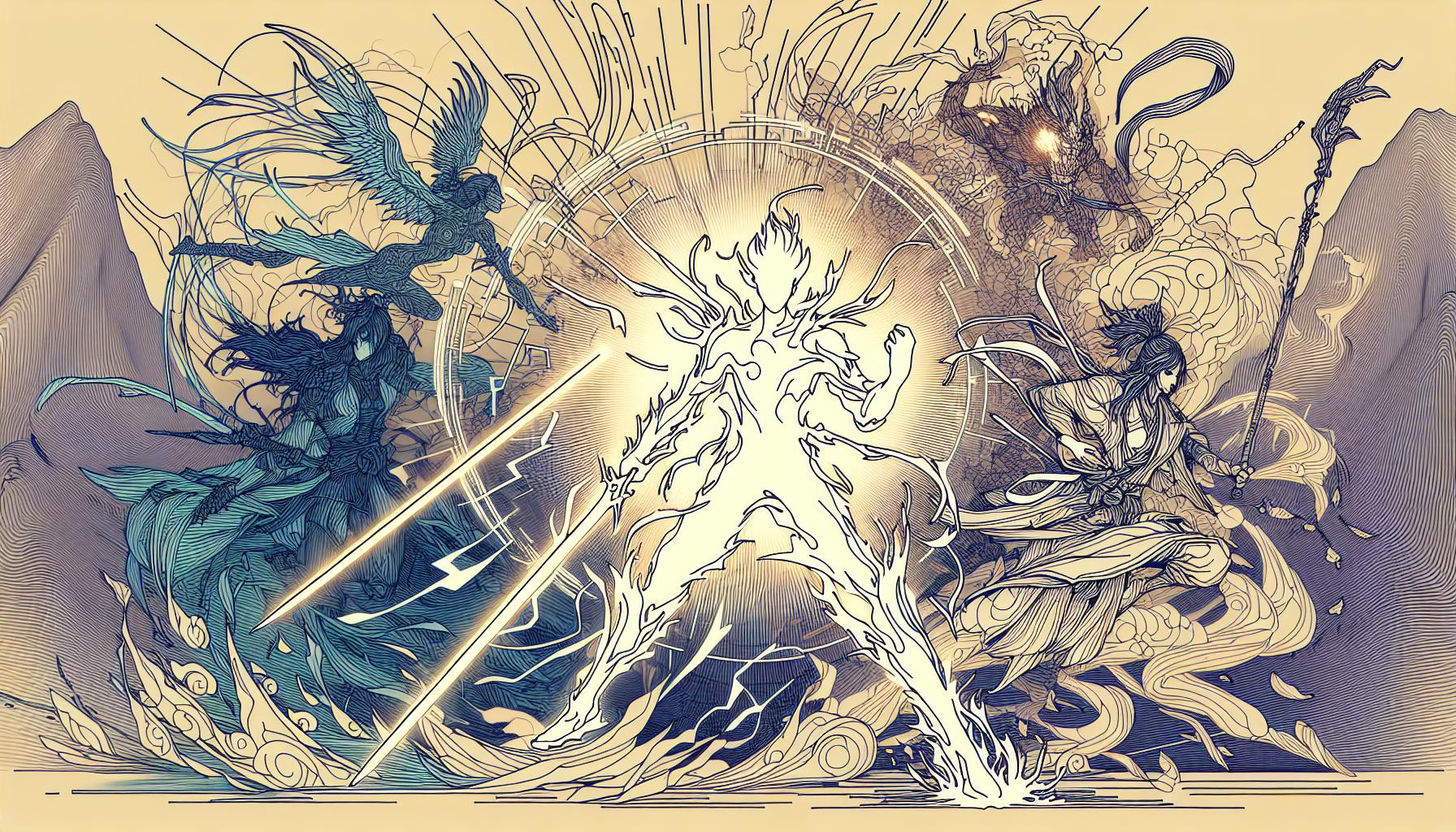
Asura powers continue to captivate audiences today, appearing in various forms of modern media. These powerful entities are depicted through diverse storytelling mediums that highlight their unique abilities and rich mythological history.
Anime and Manga
Anime and manga frequently explore Asura powers, showing characters with immense strength and mystical abilities. In “Naruto,” the character Asura Ōtsutsuki possesses formidable powers, including chakra manipulation and enhanced combat skills. “Soul Eater” features Asura as an antagonist with terrifying abilities and a significant role in the story’s progression. These examples demonstrate how anime and manga bring mythological beings into contemporary settings, enhancing their resonance with modern audiences.
Video Games
Video games prominently feature Asuras, often as characters or formidable adversaries imbued with supernatural abilities. In “Asura’s Wrath,” players experience the story of Asura, a demigod seeking revenge against other powerful beings, showcasing his immense strength and mystical powers. “Smite,” a multiplayer online battle arena game, includes Ravana, “the Demon King,” as a playable character with unique abilities inspired by his mythological background. These games integrate Asura powers into interactive narratives, engaging players deeply with mythological themes.
Literature and Films
Literature and films draw upon Asura mythology to create compelling narratives. In Samit Basu’s novel “The Simoqin Prophecies,” Asura elements add depth to the fantasy world, emphasizing their strategic cunning and supernatural prowess. Films like “Asura: The City of Madness” portray Asuras as central figures driving the plot with their complex nature and dynamic abilities. These mediums use Asura powers to enrich storytelling, blending traditional mythology with modern contexts to attract diverse audiences.
Comparative Analysis with Other Mythological Powers
In examining Asura powers, it’s essential to compare them with other mythological entities to understand their unique attributes.
Deva Powers
Devas, often seen as the divine counterparts to Asuras, possess their own set of impressive abilities. Devas are typically associated with light, purity, and order. Their powers include immense strength, heightened intellect, and control over natural elements like fire, water, and air, unlike Asuras who have a reputation for using their powers for both benevolent and malevolent purposes. Notable Devas such as Indra, Agni, and Varuna exemplify these attributes. Indra, the king of Devas, wields the powerful weapon Vajra (thunderbolt) and has supreme control over weather, specifically thunderstorms and rain. Agni, the fire god, embodies the transformative power of fire pivotal in rituals and sacrifices. These powers often depict Devas as maintainers of cosmic order, contrasting with the more chaotic and subversive strengths of Asuras.
Human Abilities
While Asuras exhibit extraordinary supernatural abilities, human capabilities are grounded in more tangible skills and potential. Humans, unlike mythological beings, rely on physical strength, intellect, creativity, and technological advancements. Human courage and resilience in mythology often come from moral virtues and strategic warfare rather than innate supernatural powers. Legendary heroes such as Rama and Arjuna – The Peerless Archer showcase human potential by overcoming Asura adversaries using bravery, strategy, and divine weapons bestowed upon them by Devas. Rama’s use of the divine bow of Shiva and Arjuna’s mastery of archery, combined with their strategic minds, highlight human abilities in a mythological context. These narratives underline the distinction between the supernatural prowess of Asuras and the determined, resourceful nature of human heroes.
By comparing these entities, it’s evident that Asura powers reflect a blend of mythical elements that set them apart in the vast world of mythological narratives.
Conclusion
Exploring the powers of Asuras reveals their unique place in mythology as beings of immense strength and supernatural abilities. Their complex nature and diverse powers, from shape-shifting to spell-casting, make them fascinating figures. By contrasting Asura powers with those of Devas and humans, we gain a deeper understanding of their role in mythological narratives. Their stories, deeply rooted in ancient scriptures, continue to captivate and inspire, highlighting the enduring allure of these powerful mythical beings.
Frequently asked questions
What powers do Asuras possess in Hindu mythology?
How strong is Ravana, the asura king of Lanka?
What made Hiranyakashipu nearly invincible?
How do Asuras differ from Devas in their abilities?
Sources & further reading
These themes are explored in greater depth across the following authoritative resources:
- Britannica, Asura
- Britannica, Naga
- Mythopedia, Hindu Mythology
- Internet Sacred Text Archive, Mahabharata
- Wendy Doniger, Hindu Myths (Penguin Classics, 1975)
External resources for further reading. Apam Napat is not affiliated with these publishers; citation does not imply endorsement.
Based on the classical texts of Hindu mythology, see our sources.