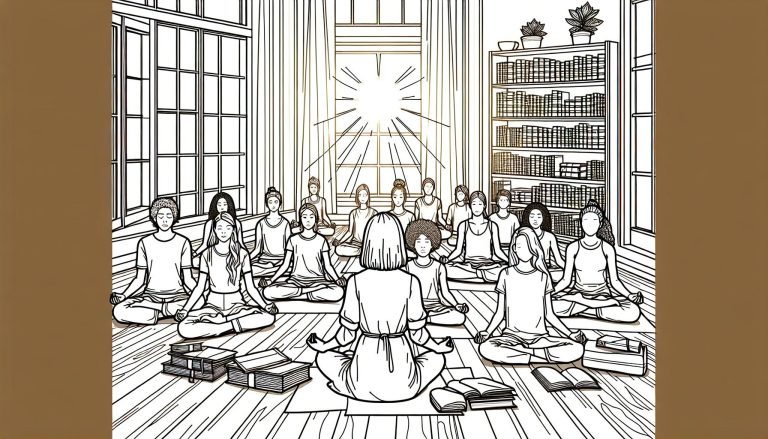
In a world where stress and distractions are constant, devotional education offers a sanctuary. It provides students with tools to cultivate inner peace and a deeper sense of purpose. This holistic approach not only shapes knowledgeable individuals but also compassionate and balanced human beings.
Understanding Devotional Education
Devotional education focuses on the holistic development of an individual by merging spiritual and intellectual learning. It aims to foster both academic knowledge and spiritual growth. By engaging in devotional practices, one builds a closer relationship with God and achieves inner peace.
Effective devotional education involves intentional and reflective study of sacred texts. I read Scripture slowly and prayerfully, meditating on its meaning and applying it to my life. This practice, known as meditation, internalizes the Word and nourishes the soul. I find the main truths in passages, uncover less obvious insights, and make their messages practical and personal.
Lifelong learning is integral to devotional education. Gaining wisdom and knowledge about God, the Bible, and the world deepens spiritual maturity and enriches one’s relationship with the Divine. I see this journey as an ongoing process, enhancing my faith, understanding, and devotion over time.
Historical Background
Education in the United States has deep-rooted connections to devotional learning. During the 18th and 19th centuries, educational methods were diverse and often chaotic. Church-supported schools, local schools, tuition schools, charity schools, boarding schools, and private tutoring formed the cornerstone of early education.
Exclusion from education was widespread, driven by factors such as income, race, ethnicity, gender, and geographic location. Many children were denied educational opportunities due to these constraints.
Financing for early schools came from various sources. Tuition payments, charitable contributions, property taxes, and state support played significant roles in sustaining educational institutions.
The Founding Fathers recognized the critical need for education to maintain democracy. They believed that an informed populace was vital for civic engagement. Public schools emerged to fulfill this need, aiming to prepare citizens for democratic participation. These schools sought to equip individuals with the knowledge needed to understand political and social issues, enhancing their ability to engage in civic life.
Key Principles of Devotional Learning

Devotional learning integrates religious beliefs in educational settings. Key principles govern this method, ensuring spiritual and intellectual growth.
Faith-Based Curriculum
Faith-based curricula incorporate religious teachings and practices. Designed to foster spiritual growth, they include scriptural studies, moral lessons, and doctrinal education. These curricula aim to deepen students’ understanding of their faith tradition, encouraging a harmonious blend of scholastic and spiritual knowledge.
Community and Participation
Community and participation play crucial roles in devotional learning. They emphasize group activities like communal prayer, religious discussions, and events. These interactive components foster a sense of belonging, promoting shared spiritual experiences and mutual support within the faith community. Students develop a stronger faith by actively participating in collective religious practices.
Primary Methods of Instruction
The methods of devotional education encompass various techniques to nurture spiritual growth and understanding. Each approach offers unique benefits, creating a comprehensive spiritual learning experience.
Scriptural Study
Incorporating scriptural study helps in understanding the core principles and history behind religious texts.
- Academic Approach: Teaching the Bible in a public school setting focuses on literary and historical significance. For example, analyzing narrative styles and historical contexts ensures an objective educational experience without religious bias.
- Bible Literature: Discussing how different religions interpret the Bible adds depth. Teachers address scriptural context, examining it academically and objectively to enhance understanding.
- Elementary Education: Introducing basic religious ideas and practices in a balanced way fosters early spiritual curiosity. This includes biblical faiths in a fair curriculum, promoting inclusivity and knowledge from a young age.
Meditation and Prayer
Meditation and prayer are essential to devotional education, enhancing personal spiritual growth and connection.
- Meditation: Quiet reflection on God’s Word, with practices like scripture contemplation and repetition, deepens understanding. Meditation helps integrate biblical teachings into daily life.
- Prayer: Communicating with God through prayer, guided by biblical principles, fosters a meaningful spiritual practice. Regular prayer reinforces belief and provides a foundation for personal and communal faith acts.
Group Discussions
Group discussions provide interactive and communal learning opportunities, enhancing spiritual understanding through shared experiences and viewpoints.
- Community Engagement: Engaging in communal prayer, religious discussions, and events promotes shared spiritual experiences. Discussing diverse perspectives within the faith community enriches collective understanding.
- Mutual Support: Participating in group activities fosters mutual support and strengthens communal bonds. These interactions provide emotional and spiritual support, deepening connections within the faith community.
Benefits of Devotional Education
Spiritual Growth
Devotional education deepens one’s understanding of their faith. Regular reading and reflection on sacred texts, like the Bible, foster spiritual growth. This growth builds a strong moral foundation, guiding personal and professional decisions.
Moral Development
Devotional education stresses the importance of moral virtues. Practicing honesty, responsibility, and compassion helps individuals develop a sense of justice. This education nurtures humility and self-refinement, aiding in better moral decision-making.
Emotional Wellbeing
Devotional education positively impacts emotional wellbeing. Engaging in spiritual practices like prayer and meditation reduces stress and promotes inner peace. This education cultivates resilience, enabling individuals to navigate life’s challenges more effectively.
Challenges and Criticisms
Devotional education faces various challenges that need to be addressed to ensure effective learning environments. I’ll discuss some key inclusivity concerns and the balance between secular subjects.
Inclusivity Concerns
Research highlights the importance of addressing learner diversity in inclusive classrooms, focusing on language of instruction, gender, and disability issues. The use of English as a medium of instruction can be particularly challenging for students with hearing impairments or albinism. Teachers need to be acutely aware of these differences to provide the necessary support.
Examples:
- Students with hearing impairments often struggle when teachers don’t use visual aids.
- Students with albinism may require assistive devices like magnifiers for reading.
Criticisms of English-Only Policies
English-only instructional policies have faced criticism for not effectively improving academic achievement for English learners. Instead, these policies often lead to a lack of support for students who need instruction in their native language. Research suggests that bilingual education can be more beneficial in supporting these learners’ academic progress.
Examples:
- Spanish-speaking students benefit more when educators use both Spanish and English.
- Native language instruction has shown to improve student engagement and comprehension.
Balancing Secular Subjects
Maintaining a balance between devotional education and secular subjects is crucial. While spiritual studies are important, a well-rounded curriculum should include secular subjects like math, science, and history to prepare students for real-world challenges. Effective devotional education programs integrate these subjects without compromising on either the spiritual or the academic aspects.
Examples:
- A school may include meditation practices alongside math classes to promote holistic development.
- Religious texts can be studied along with literature classes to enhance understanding of cultural and historical contexts.
By addressing these challenges and criticisms, devotional education can create more inclusive and balanced learning environments.
Conclusion
Devotional education offers a unique blend of spiritual and intellectual growth that can be deeply enriching. By integrating religious beliefs with academic learning we can foster environments that nurture both the mind and the soul. But it’s essential to address inclusivity and balance to ensure that all learners feel respected and valued. With thoughtful implementation devotional education can contribute significantly to personal development and community wellbeing.
Sources & further reading
These themes are explored in greater depth across the following authoritative resources:
- Stanford Encyclopedia of Philosophy, Hindu Philosophy
- Britannica, Moksha
- Britannica, Brahman
- Internet Sacred Text Archive, Upanishads
- Sarvepalli Radhakrishnan, Indian Philosophy (2 vols., Oxford University Press, 1923)
External resources for further reading. Apam Napat is not affiliated with these publishers; citation does not imply endorsement.
Frequently asked questions
What is devotional education?
What are key principles of devotional learning?
How is scriptural study used in devotional education?
What role do meditation and prayer play in devotional learning?
Why is lifelong learning important in devotional education?
Based on the classical texts of Hindu mythology, see our sources.